36 Hours in Lisbon (New York Times article)

In the Portuguese capital, a weekend’s worth of seafood feasts, chic rooftop bars, undulating streets and landmarks, both Old World and futuristic.

By Ingrid K. Williams, The New York Times, April 19, 2018

Forget Lisbon as the budget capital of Europe. Yes, the seafood is still (relatively) cheap, as is the wine. The old canary-yellow trams still rattle along steep hills, and you’ll never pay more than a euro and change for a pastéis de nata, the classic Portuguese pastry. But today the Portuguese capital is better known for its red-hot culinary scene and fine cultural institutions, including a new world-class museum on the waterfront. The faded Old Europe charm remains, but with a stream of exciting openings and fresh inspiration drawn from across the Atlantic, Lisbon seems primed for a new golden era.

Friday

1) 2 p.m. HILLTOP HIGHS

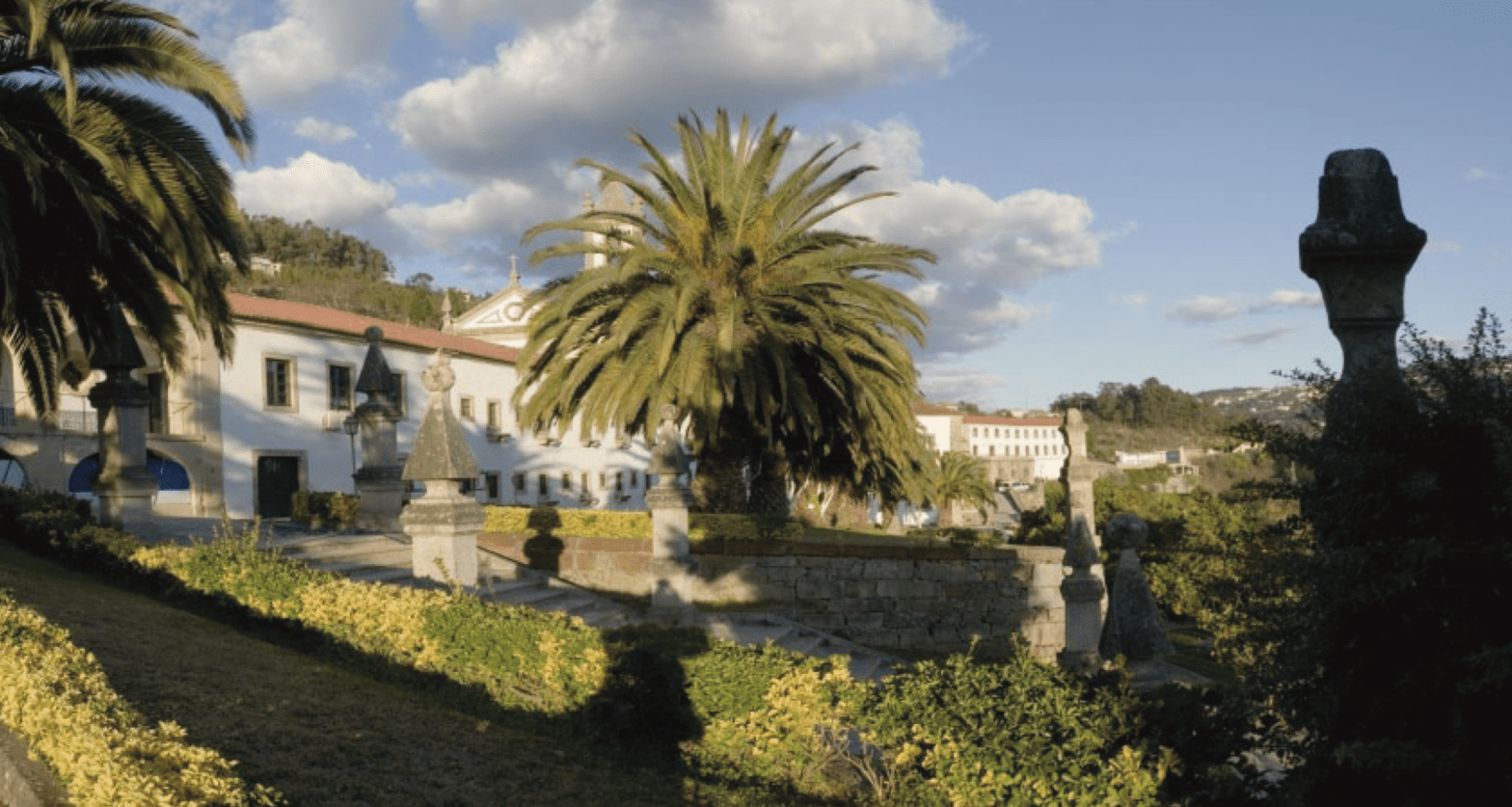
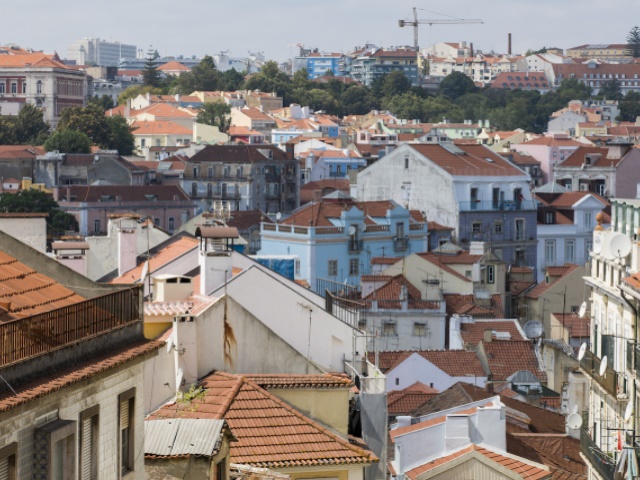
To gain some perspective on Lisbon’s undulating terrain, ascend the city’s highest hill into the Graça district. Start at the Graça Convent, whose tiled chapel and Baroque cloister opened to the public for the first time after recent restorations (free). Then head outside to admire one of the city’s finest miradouros (viewpoints) that sweeps across the terracotta-tiled rooftops. Afterward, on the steep descent, peek inside Surrealejos, a closet-size atelier producing surrealist tiles — one series depicts an anthropomorphic panda — that are a cheeky twist on Portuguese azulejos (traditional painted tiles).

2) 5 p.m. PORTRAITS OF AN ARTIST

Getting to know Fernando Pessoa, the shape-shifting writer who is considered one of Portugal’s greatest poets, is no easy task. But that’s the goal of Casa Fernando Pessoa, a museum and cultural center in the residential Campo de Ourique neighborhood. Situated in the final home of the bespectacled author, the site is a treasure trove of Pessoa’s early 20th-century works — most published posthumously — including poems written under three well-developed heteronyms. Through interactive exhibits, engage with the poet’s language: “I’m beginning to know myself. I don’t exist.” There’s also a collection of portraits of Pessoa — fittingly, in diverse styles — including paintings by Júlio Pomar. Admission, 3 euros, or about $3.70.

29Hours-Lisbon-6-superJumbo-v2
The Graça Convent has a tiled chapel and Baroque cloister that opened to the public for the first time after recent restorations.CreditDaniel Rodrigues for The New York Times

3) 8:30 p.m. PETISCO PLATES

For a feast of seafood petiscos (Portuguese tapas), reserve a table at Peixaria da Esquina. Opened in 2015 by the acclaimed chef Vítor Sobral, this low-key restaurant on a quiet corner of Campo de Ourique serves fresh-caught seafood raw, cured, marinated, grilled — you name it. Start with a glass of Douro branco and paper-thin octopus carpaccio topped with cilantro, sweet potato chips and a drizzle of olive oil (13.50 euros). Then move on to the marinated dishes, like citrusy salmon with passion fruit, ginger and cilantro (9.60 euros), followed by Sobral’s superlative version of amêijoas à Bulhão Pato — a steaming bowl of plump clams seasoned simply with lemon, garlic and more cilantro (17.50 euros).

4) 11 p.m. DRINK IN THE VIEW

Lisbon’s night life reached new heights when a wave of rooftop bars opened around the city. Squirreled away on the Terraços do Carmo, Topo Chiado is an open-air lounge serving cocktails to tables overlooking the castle and the neo-Gothic, wrought-iron Santa Justa Lift. For more al fresco night life, venture west to Rio Maravilha, a new fourth-floor hangout in the resurgent LX Factory area. This sprawling industrial space offers live music, two outdoor terraces and a much-photographed rooftop sculpture. Order a porto tónico — white port and tonic — and head to the roof where dazzling views span the Tagus River and the 25 de Abril Bridge, a doppelgänger of the Golden Gate Bridge.

29Hours-Lisbon-3-superJumbo-v2
Rio Maravilha, a new fourth-floor hangout in the resurgent LX Factory area, offers dazzling views of the Tagus River and the 25 de Abril Bridge.CreditDaniel Rodrigues for The New York Times

Saturday

5) 10 A.M. SUGAR RUSH

In the canon of Portuguese pastries, the most storied sweet is the pastéis de nata, a flaky, palm-size tart with creamy egg-custard filling. At Pastelaria Alcôa, a standing-room-only pastry shop that opened last year in a prime location in the bustling Chiado district, rows of those golden tarts are displayed alongside a variety of other so-called monastic pastries whose centuries-old recipes originated in Catholic monasteries and convents. Pair a pastéis de nata with one of the lesser-known specialties, like the award-winning Torresmo do Céu, a sweeter cousin of the egg tart featuring a rich almond-and-citrus filling.

6) 11 a.m. PUT A CORK IN IT

Home to a third of the world’s cork oak forests, Portugal has dreamed up myriad uses for the natural, sustainable material. Shop for cork-centric souvenirs that extend beyond the bottle stopper at Cork & Co, a bi-level store filled with eco-conscious designs, from decorative bowls to stylish wine coolers carved from the lightweight material. A short walk north, find more innovative cork products at Pelcor, a boutique stocked with cork-lined golf bags and umbrellas made from naturally water-resistant cork skin.

merlin_136339158_affdbfaa-6cbb-43f3-8ff7-5ee3f3a1f2d8-superJumbo
One of the defining features of the riverfront Belém district is the 16th-century Belém Tower.CreditDaniel Rodrigues for The New York Times

7) 1 p.m. CEVICHE SUPREME

If there’s a line outside A Cevicheria, a popular Peruvian restaurant opened by the chef Kiko Martins in 2014, order a frothy pisco sour and wait — it’s worth it. Inside the bright, white-tiled restaurant, a giant foam octopus hangs from the ceiling above a handful of tables and bar seats around a horseshoe-shaped counter. On the menu, you’ll find ceviches and causas, smaller dishes to share, including an excellent barbecued roast octopus with black mashed potatoes. One must-order dish is the transportive ceviche puro of white fish in lime juice with red onion, tiger’s milk and rich dollops of mashed sweet potato crowned with sweet-potato chips. Lunch for two, about 50 euros.

8) 4 p.m. BELÉM BEAUTIES

Southwest of the city center, the pretty riverfront Belém district is defined by its landmarks: the Manueline-style Jerónimos Monastery, the 16th-century Belém Tower and, since 2016, the futuristic facade of MAAT, the Museum of Art, Architecture and Technology. The latter takes a page from other European capitals — see London’s Tate Modern and Rome’s Centrale Montemartini — by repurposing a former power plant, in addition to that newly constructed exhibition hall encased in gleaming white tile, for showcasing world-class art. Visit both buildings to explore contemporary art installations, interactive science exhibits and video works displayed amid the plant’s hulking, well-preserved machinery (admission, 9 euros).

merlin_136339746_399a439c-a4d5-43dd-a002-da00b3544259-superJumbo
Pub Lisboeta in the Príncipe Real district serves a variety of Portuguese craft beers.CreditDaniel Rodrigues for The New York Times

9) 9 p.m. TOP TABERNA

Located in a former grocery store, Taberna da Rua das Flores has the well-worn atmosphere of an old Lisbon tavern, with tile floors, wooden chairs and marble-topped tables. What distinguishes this homey taberna is its innovative, market-driven cuisine. The daily menu — scribbled on a large blackboard and patiently explained by servers — recently included wasabi-spiced oysters, bright mackerel tartare with seaweed and crunchy dried shrimp, and a flavorful pile of matchstick potatoes and local trumpet mushrooms. Add to that a bottle of Tejo tinto and some Portuguese sheep’s-milk cheese for dessert, and a satisfying dinner for two is about 50 euros (cash only).

10) 11 p.m. PRÍNCIPE NIGHTS

After dinner, swing by Pub Lisboeta in the increasingly lively Príncipe Real district. This cozy, narrow bar opened a few years ago with crowded tables, an emerald-tiled bar, and a variety of Portuguese craft beers — try the Kölsch from Lisbon’s Oitava Colina brewery. For something stronger, continue down the street to Gin Lovers, an elegant back-room bar within a 19th-century palace-turned-shopping complex. The menu lists over 50 varieties of gin and tonic, served Spanish-style in bulbous glasses. Overwhelmed? Order the house gin garnished with orange and cloves.

29Hours-Lisbon-2-superJumbo-v2
Trams in the Praça do Comércio. Credit Daniel Rodrigues for The New York Times

Sunday

11) 11 a.m. CAFFEINE NATION

In Portugal, as in Italy, coffee equates to espresso. For a wider variety of caffeinated options, start the morning at Fábrica Coffee Roasters. Established in 2015, this specialty coffee purveyor operates two cafes that serve traditional shots as well as cold brews, pour-overs and frothy cappuccini. At the spacious Chiado locale, order a velvety flat white, take a seat amid the plants, put away the phone (there’s no Wi-Fi) and savor your coffee.

12) 1 p.m. CARIOCA CASA

In an impressive show of reverse colonization, Brazil has taken over a magnificent mansion in Príncipe Real. Opened in April 2017, Casa Pau-Brasil is a concept shop and showroom for top Brazilian designers and brands spanning fashion, home furnishings, stationery, soaps and more. Ascend the elegant staircase, which is circled by a flock of yellow stuffed parrots, to explore the maze of rooms that recently displayed Lenny Niemeyer’s fashionable swimsuits, orange-trimmed Panama hats from Frescobol Carioca, bars of Rio’s Q chocolate, and exquisite polished-wood armchairs designed by Sérgio Rodrigues.

3) 3:30 p.m. QUIOSQUE TIME

A local initiative begun in 2009 to revive the city’s many abandoned quiosques de refresco (refreshment kiosks) is today a resounding success. With attractive Art Nouveau architecture and prime locations in plazas, parks and scenic overlooks throughout the city, these popular kiosks are natural gathering points from sunup to sundown. Join the local crowd sipping ginja, a traditional sour-cherry liqueur, at purple tables beside the restored quiosque in Praça das Flores, a small, leafy park with a central fountain that doubles as a watering hole for neighborhood cats. In inclement weather, take cover at Cerveteca Lisboa, a quiet beer bar across the street pouring hard-to-find brews from Portuguese craft breweries, like Dois Corvos and Passarola Brewing.


LODGING

Opened last year in a historic building formerly occupied by the consulate of Brazil, Le Consulat is a sophisticated hotel with eight spacious suites decorated with artworks culled from top Lisbon galleries, and views across the lovely Camões square in the central Chiado district (Praça Luís de Camões 22; 351-212-427-470; leconsulat.pt; from about 200 euros).

Another noteworthy newcomer, the Corpo Santo Lisbon Historical Hotel is an upscale property that also opened last year near the lively Cais do Sodré district, with welcoming staff, a convenient location, an on-site restaurant and 77 plush, neutral-hued rooms (Rua do Corpo Santo 25; 351-218-288-000; corposantohotel.com; from about 180 euros).

If you do plan a trip to Lisbon, check out these suggestions on what to pack for the trip from our colleagues at Wirecutter.

Foreign Investors Boost Property Prices In Lisbon (Forbes Magazine article)

Article published in Forbes Magazine by Heather Farmbrough 


Over the last few years, the Portuguese capital has transformed itself from down-at-heel to vibrant. In a city where high youth unemployment made itself painfully felt in the aftermath of the Global Financial Crisis (GFC), Lisbon has undergone a renaissance. Almost every street appears to have a building covered in scaffolding as home owners and businesses renovate historic properties, encouraged by government grants. A dynamic startup scene is also starting to flourish.

While Portugal has long been a popular place to live with foreign investors, particularly retirees, Portugal’s tax reforms in 2009 have put the icing on the cake. And more and more of those foreign investors are heading to Lisbon, where property prices rose by 4.9% in the year to November 2017, according to Global Property Guide. Prices per square foot have now risen to €1400 ($1707.79) according to real estate agent Century 21 Portugal.

It all started with the GFC, says Ricardo Sousa, CEO of real estate agents Century 21 Portugal. “When we started to see an increase in demand, it began with foreigners. This latest demographic wave of international investors very much want to live in Lisbon. The French were the ones who originally used to get on the plane to spend weekends in Lisbon but now demand is becoming more and more diversified and the profile is shifting. Investors with half a million euros or above are looking at the city centre and its historical heart, as well as the Expo area, which is very popular with Asian investors and there is a lot of land. It’s Lisbon’s quality of life, modern infrastructure, climate, easy access to the city centre that appeals, and it’s very safe.”

Sofia Rodrigues Nunes, Head of Real Estate and Planning at Gómez-Acebo & Pombo Abogados Portugal agrees that foreign demand, which she estimates accounts for one-quarter of property transactions, is not showing any signs of slowing. The French in particular are snapping up homes in the Chiado, Principe Real, Baixa, Santos, Alfama and Bairro Alto districts.  “They look for old palaces and charming buildings, mostly in the historic areas of Lisbon to renovate and convert into luxurious apartments and charismatic shops or hotels which they sell mainly to the French market.

“Buyers from the Middle East and Scandinavian countries have also become very interested and active. More recently, we have increasingly seen wealthy Brazilian, Turkish and South African investors coming to Portugal to buy the house of their dreams to live in with their family, seduced by the peaceful and safe environment and the European life style,” adds Nunes. “These investors prefer Sintra’s charming villas and old palaces, the sea view in Estoril or the exclusive “golf and sea” at Quinta da Marinha, in Cascais, also popular with British investors. We have also been dealing with a sizeable British demand for properties in the Alentejo West Coast around Comporta and Melides.”

However,  the growing trend for investors to concentrate on the high end of the luxury market is becoming a social problem as prices soar and the supply of properties coming on to the market is limited. Bloomberg and The Guardian have drawn attention to some of the adverse effects of the city’s property boom.

Sousa agrees. “Over the last two years, we’ve seen investors concentrating on the high end luxury market. Strong international demand and is an issue for the Portuguese because there is an issue with affordability in Lisbon. We’re seeing a lot of young families being pushed towards the outskirts, and prices rising on outside the city.”

“We did a survey of millennials, most of whom said, ‘I want to be in the city centre and I want to rent, but that supply [of property] doesn’t exist, so we are seeing a rise in co-living, where 5-6 young people buy together on the outskirts of the city.”

I ask Sousa whether so much international interest is positive or negative? “I think the positives are greater than the negatives,” he replies. “A lot of areas had no life and now they have local shops and cafes and are very lively again. So I think it is positive.”

Martires da Patria

For Sale: Fabulous duplex, grand and luminous overlooking quiet square, 300 m², four bedrooms, four bathrooms

€ 2.250M.

#forsale #lisbon#realestate #lisboa #realestateagent#portugal #happiness #brandnewlife@pax_et_copia


How down-at-heel Lisbon became the new capital of cool (The Guardian article)

Four years ago, Portugal’s capital felt like a ‘city on its knees’. Now it is being touted as hip, cheap and innovative. But is the socialist government failing Lisbon’s poor in its rush to revitalise?         
ID60e36b00-0000-0500-0000-00000370737b
In Lisbon people keep telling me about the surfing. It’s great. The beaches are 20 minutes from the beautiful, historic and lively centre of Lisbon. You get the best of everything: Bondi meets old Europe. I hear this from Patrick, a Kentuckian whose digital marketing business was formerly based in Costa Rica and at another time in Bali; from Matthieu, a French life coach; and from Tariq, a British property specialist. I hear it from the Yorkshire-raised, London-based Rohan Silva, whom the British press likes to describe as a “tech scenester” or “techpreneur”, and from João Vasconcelos, Portugal’s suave secretary of state for industry.

Until recently, most of the news coming out of Portugal was of what Vasconcelos calls “the worst crisis in 100 years”, with stories of professionals sleeping in their cars because they’d been evicted from their homes. On my last visit, for the architecture triennale in 2013, an event full of ingenious low-cost ideas for reviving empty spaces and struggling businesses, Lisbon felt like a city on its knees. Now, according to one of the 2013 triennale’s organisers, Mariana Pestana, “there’s a psychological improvement. People are starting to dream again, they’re starting to consume again.” Economic change is “no longer something that happens to us. There is some control.” There are also early outbreaks of the complaints that come with urban success, rising property prices and loss of character.

Lisbon is becoming an outstanding example of what might be called Monocle urbanism, after the magazine that combines trendspotting and lifestyle advice with social and political commentary, and which recently devoted many pages to the Portuguese capital. For the sophisticated nomads that Silva calls “the global creative class”, Lisbon’s attractions are powerful. According to Vasconcelos, “the big cosmopolitan cities of the world are more like each other”, such that central London and central Lisbon are closer to each other than London is to the Brexit-voting regions of Britain. (Theorists of the liberal metropolitan elite will take note.) For the first time since the 1940s, when Lisbon was a refuge from the war, says Pestana, the city is “really cosmopolitan”.

Take Patrick Tigue of Downtown Ecommerce, the American who was formerly in Costa Rica. He has clients all over the world, from the US to Australia, some of whom he doesn’t meet for years, if ever. “Our business started to grow, and we had a problem scaling up, so we opened up a map and wrote down a bunch of cities.” They had business criteria – access to English speakers, low cost of living, low wages, a convenient time zone – and personal preferences: surfing, good weather. “Berlin and Barcelona were good from the workforce perspective, but the lifestyle in Lisbon did it.”

“In Lisbon,” he goes on, “the people are incredible. There is always some type of music, style, arts going on. The food is incredible, the architecture… It’s a big little city. The real estate – you feel it’s coming up. It was quite a gamble. I came here last year for a vacation but it turned into an extended stay and then into moving here permanently. I’d like to stay here for the long term, to have kids here. I am that convinced.”

Manifestations of the new Lisbon include reincarnations of locations first created to serve tech businesses in London. One is Village Underground, “part creative community, part arts venue”, which aims to combine affordable workspaces with art, music and performance. In London it’s distinguished by four recycled Tube carriages perched in the air. In Lisbon it consists of a pile of shipping containers and repurposed double-decker buses, on a dramatic location next to the city’s suspension bridge.

911
Patrick Tigue of Downtown Ecommerce in his Lisbon office: ‘The lifestyle in Lisbon did it.’

Another is Second Home, a shared workspace created by Silva and his business partner, Sam Aldenton, an enclave where industrious tech businesses can get in touch with their inner lotus-eater. In Lisbon, as in London, the Spanish architects Selgas Cano have been commissioned to design an internal garden of delights, with abundant foliage, subtly clashing colours and playful details, only less frenetic in the recently-opened Portuguese version: the main space is a single greenhouse-like room, with the territories of different companies defined by plants.

A programme of cultural, social and sensual events – a wine-tasting, a literary salon, an introduction to hydroponics – is designed to engage and delight the members. A cafe painted deep blue serves both them and any of the general public who want to venture in.

Second Home opens off Time Out Market, in the historic Mercado da Ribeira, that describes itself as “an original concept that creates food and cultural experiences based on editorial curation”. The idea is to translate into physical space the knowledge of the journalists of the eponymous listings magazine, “to house the best restaurants and artists… the best of the city under one roof”. It opened in 2014, now attracts 2 million visitors a year, and has inspired another Time Out Market, planned for London later this year.

Lisbon also has Vhils, a young street artist described to me as a cross between Banksy and Damien Hirst, already embraced by government-backed art projects and corporations like the electricity giant EDP. (Which, it must be said, seems to go against the bottom-up ethos that is supposed to be the point of street art.)

These high-concept and somewhat Anglophile initiatives are laid upon a city of old-fashioned dignity, of arcades and ocean breezes, of the yellow, timber-lined streetcars that get into the tourist pictures, of classical facades maintaining their equilibrium over steep slopes, of delectable cake shops and family-owned seafood restaurants.

Lisbon is also a city that responded to economic crisis with resourcefulness and imagination. Behind an anonymous and battered door, for example, can be found a Cozinha Popular (people’s kitchen) founded by a food writer called Adriana Freire. It is a serene space in the district of Mouraria. where people who had fallen on hard times make exceptional meals for the enjoyment and benefit of the local community. Out of it has spun Muita Fruta, a project to “transform Lisbon into a big farm”. It started with mapping the city’s existing fruit trees, helping their owners to get the best out of them, harvesting their fruit and making jam. The plan is to expand the project by planting new fruit trees, in collaboration with the city government, wherever space can be found.

Tech businesses commune with their ‘inner lotus-eater’ at Second Home, a shared workspace created in Lisbon by Rohan Silva and Sam Aldenton.

Contemporary Lisbon, then, combines the blessings of history and nature with the entrepreneurial actions of both locals and outsiders. It is still cheap. Charlie Orford, British co-founder of flight-booking website Low Cost Hero, “took a quick look at London and immediately put it in the bin”. His Lisbon space costs less than 12th of its equivalent in London. For reasons like this, combined now with Brexit, Lisbon is particularly attractive to young, creative exiles from the British capital

Vasconcelos lists other assets: it is “one of the safest cities in the world, even during the crisis”. It is liberal and open: “we look like southern Europe, yes, but we are not the stereotype of southern Europe – conservative, Catholic – that’s completely wrong. In many things we are more like the UK than Spain. Gay marriage, gay adoption, there’s not a discussion… we are one of the countries receiving more refugees. Again, there’s not a discussion.”

Portugal is also, he says, “a common-sense society, very respectful. If you think Latin blood is very aggressive, you are wrong.”

It’s a simple enough idea – if you can locate yourself pretty much anywhere, why not in a really nice place that is also affordable and welcoming? – but it doesn’t happen purely by chance. “Even more exotically,” as Silva puts it, “there’s a socialist government that’s very popular but pro-enterprise.” Lisbon’s new identity has been willed into being by government, especially by António Costa, formerly mayor of the city and now prime minister of Portugal.

Costa came to power promising economic growth combined with relief from the worst pains of austerity. “You can have several types of austerity,” says his minister, Vasconcelos. “It can impact on the most fragile or on the most strong, on companies or workers, old or young. What we’re trying to prove is that you can be serious and can achieve a good public deficit – as we are now, our best ever – while at the same time fostering entrepreneurship and science.”

Good writer Adriana Freire, left, sells jam made from the city’s fruit trees on her Muita Fruita stall in Lisbon
As mayor, Costa swept aside bureaucratic obstacles, encouraged creative and tech entrepreneurs and boosted tourism. He made it easier to open businesses or hotels in historic buildings. He set up programmes for teaching schoolchildren and the unemployed how to code. He created Startup Lisboa in the then moribund centre of the city, a place where fledgling businesses could find their feet, run by now-minister Vasconcelos. He was helped by the dynamic Graça Fonseca, now secretary of state for modernisation, then in charge of a department of entrepreneurship.

Mariana Duarte Silva, the woman who brought Village Underground to Lisbon, says that Costa is “a little bit of an annoying optimist, but I think that helps”.

Lisbon’s revival has also been helped by some not-especially-socialist incentives, such as the Golden Visa, which gives rights of residency to anyone buying property worth more than €500,000. Many are attracted by its tax regime, especially the highly-taxed French. It has also welcomed the not-especially-socialist Airbnb and Uber. “The taxi drivers protested for a day,” says Vasconcelos a touch dismissively, “but that was all.”

If the energy and vitality of the new Lisbon are genuine, the Costa renaissance is not without doubters. Ana Jara and Lucinda Correia, of the architects Arteria, are engaged in the sort of low-cost ingenious interventions that were seen at the 2013 Triennial: making new and good-looking signs to draw attention to long-established businesses, and devising a strategy for making beneficial use out of the underused rooftops of Lisbon apartment buildings. Initially they were pleased by the revival of the city but now they see residents and businesses being pushed out by rising prices.

“People are playing the game of Monopoly.” they say. “You buy houses and you build hotels.”

‘Banksy meets Damien Hirst’ in street art by the Portuguese artist Alexandre Farto, known by the tag name Vhils.

The Golden Visa is “the worst thing. It makes it possible for someone to buy a huge property but it causes social exclusion. It says, ‘if I have the money I have the right to be here’. This is not managing the city in a smart way. In the medium-to-long-run, you lose identity, people will not be making or producing any more.”

They say that a bastardised form of Portuguese cuisine is being sold to tourists, and that Costa’s relaxing of planning rules is leading to “façadism”, whereby only the shells of historic buildings are retained.

A short film, You’ll Soon Be Here, has been made to chronicle the effects of tourism on Mouraria, the “marginal, multicultural and poor downtown area” where, among other things, Freire’s Cozinha Popular is located. A campaign has been set up, Morar Em Lisboa (To live in Lisbon) to oppose displacement. Even a Costa enthusiast like Mariana Duarte Silva of Village Underground says: “People are being chucked out of their homes and traditional shops are being closed. But the prime minister is very conscious of it”.

It would also be a loss if the identity of Lisbon, a city rich in things subtle, graceful and well made – from food to artefacts to buildings – is swamped in a flood of branded, curated, confected, marketed experiences, if the stuff that is good and already there is repackaged and resold.

Lisbon has an aptitude for mimicking other cities. Its suspension bridge is much like the Golden Gate in San Francisco, and it has a statue of Christ reminiscent of Rio’s. Many of the latest interventions are London-inspired. Its breathier boosters now say it could generate a countercultural energy like the one that San Francisco converted into the wealth of Silicon Valley. Northern Europeans like to retire here too, which would make it a sort of Miami.

Now it resembles a speeded-up east London, moving rapidly through the gears of dereliction, artistic renewal, entrepreneurial action, rising prices and gentrification.

It’s a cause for celebration that a great old city, down on its luck, should find a new life, but the really smart thing for Lisbon and its government would be to do better than cities that have gone this way before: to achieve vitality while also nurturing the things that make the city so appealing in the first place.

See this: landmarks of the new Lisbon

The Time Out Market, Lisbon
The Time Out Market, in the historic Mercado da Ribeira, offers ‘food and cultural experiences based on editorial curation’. Photograph: Alamy

MAAT The sweeping new riverside gallery designed by Amanda Levete for the art foundation of the electricity giant EDP.

EDP HQ EDP has also commissioned architecturally ambitious headquarters by the Portuguese practice Aires Mateus, designed to welcome the public at least some of the way into its complex.

Cozinha Popular da Mouraria A popular kitchen created in response to the economic crisis.

Time Out Market An ensemble of food shops and restaurants, a place “for street food that should have a Michelin star”.

Leopold A restaurant where a menu of many highly-crafted courses is served on small, square blocks of wood.

LX factory The former premises of a thread and fabrics company that now houses studios, bars, galleries and venue spaces, a “stage for a diverse set of happenings”.

Shared workspaces Local incarnations of the shared London workspaces Second Home and Village Underground, which in different ways combine high levels of architectural invention with cultural programmes to delight the creative and tech companies they house.