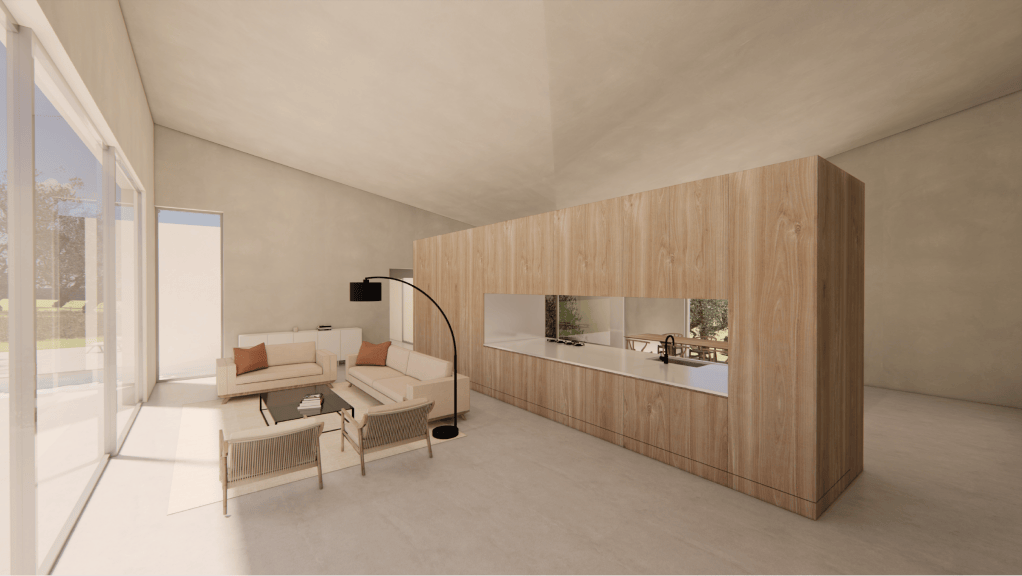
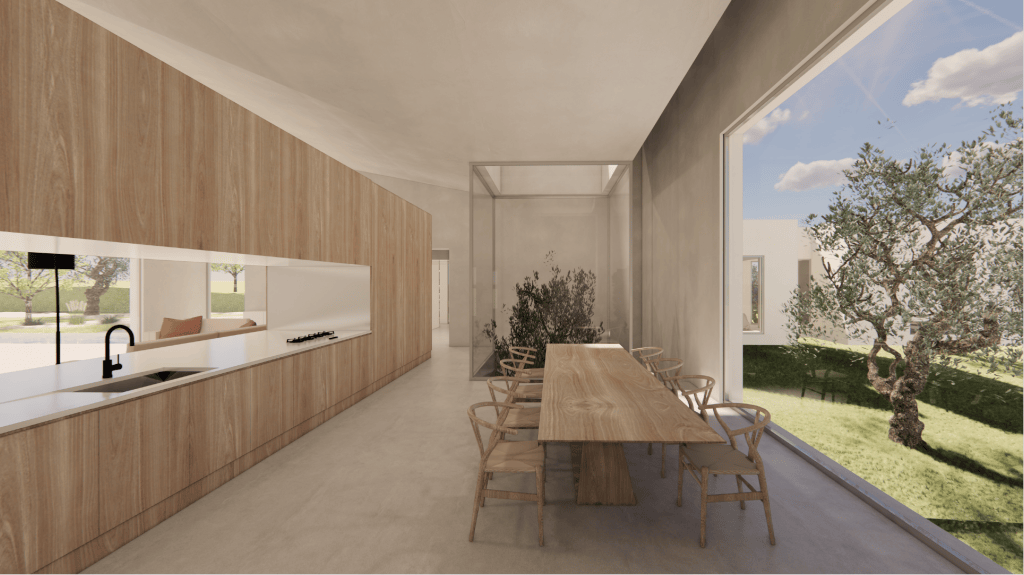
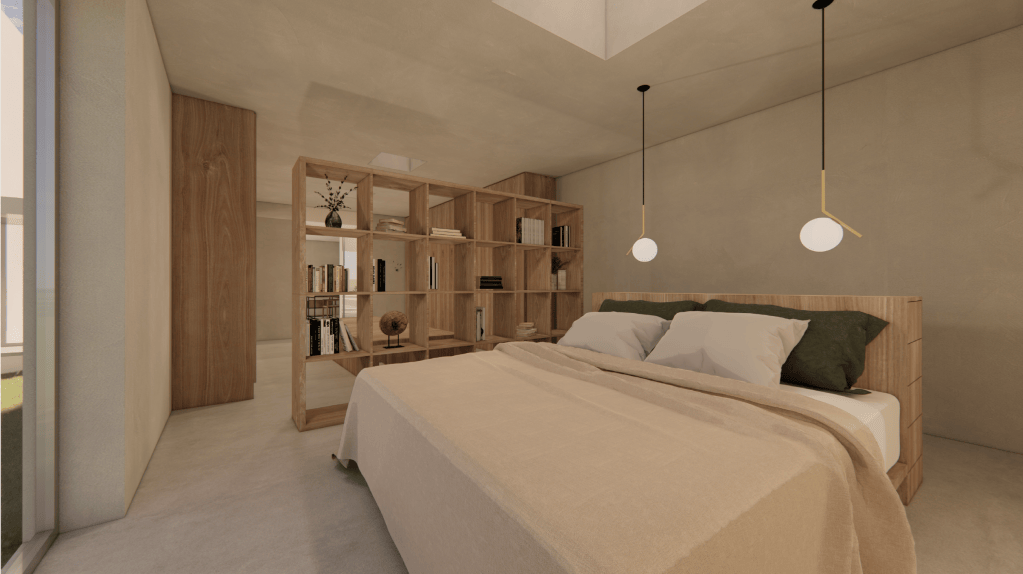
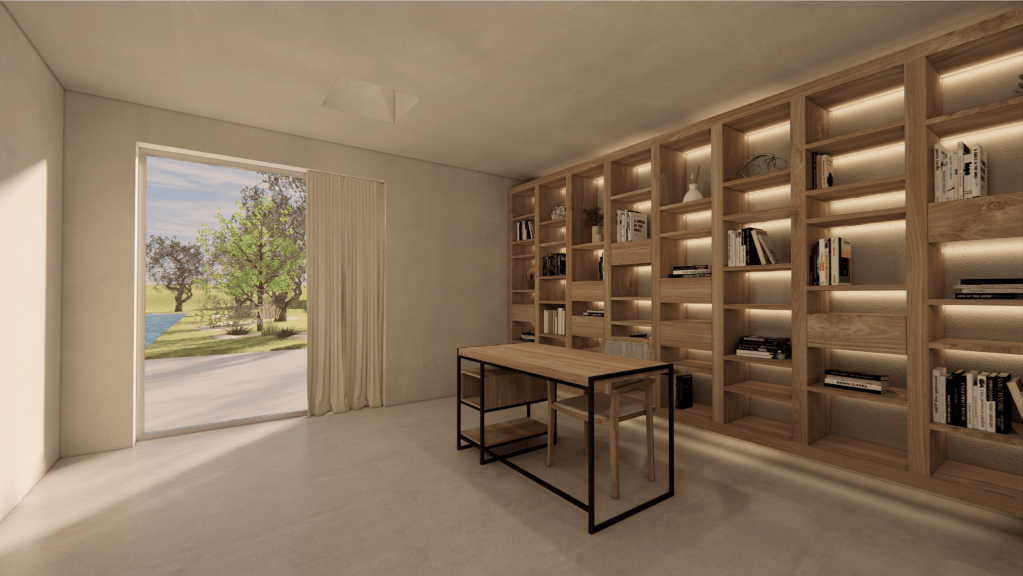
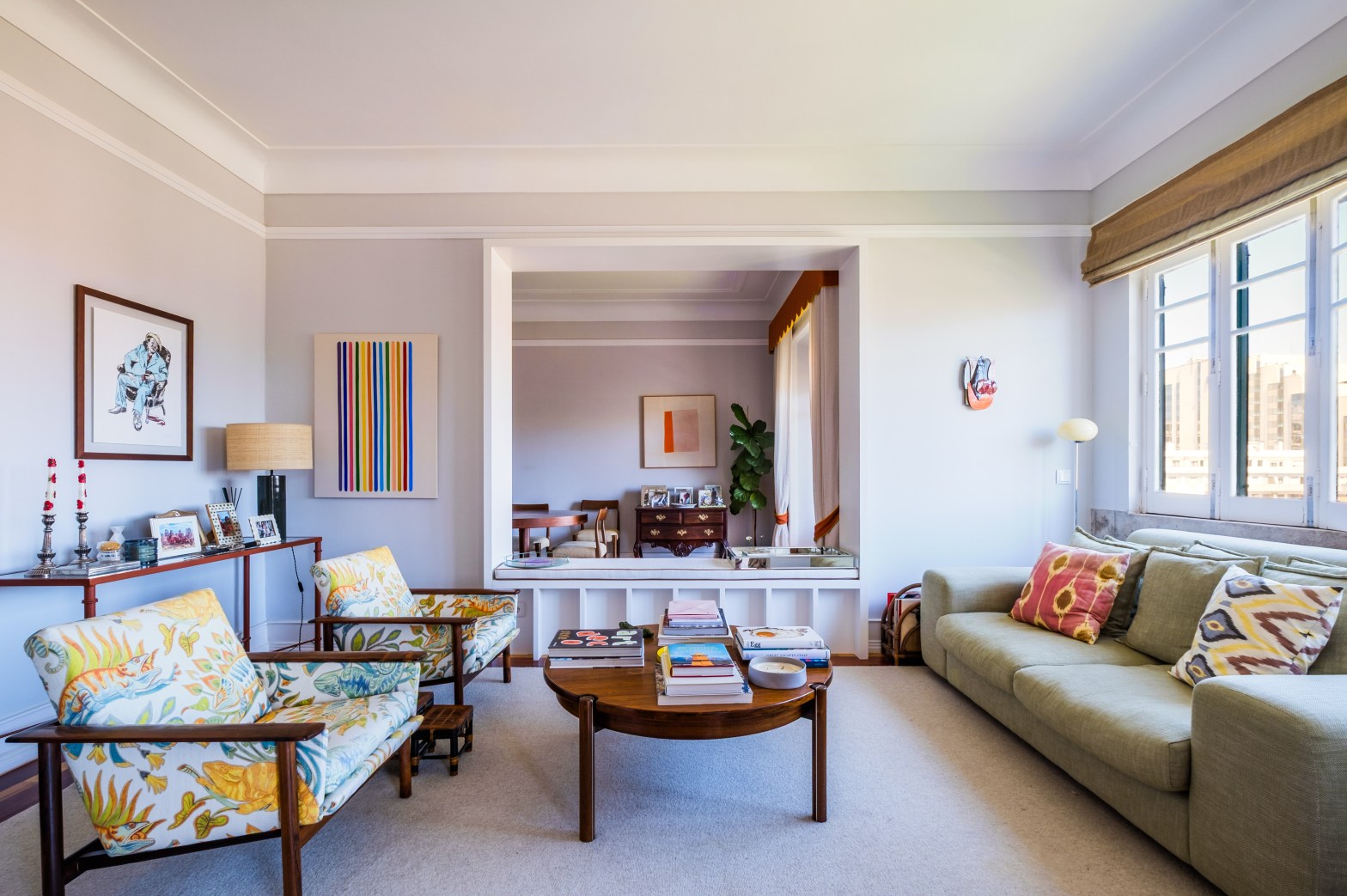
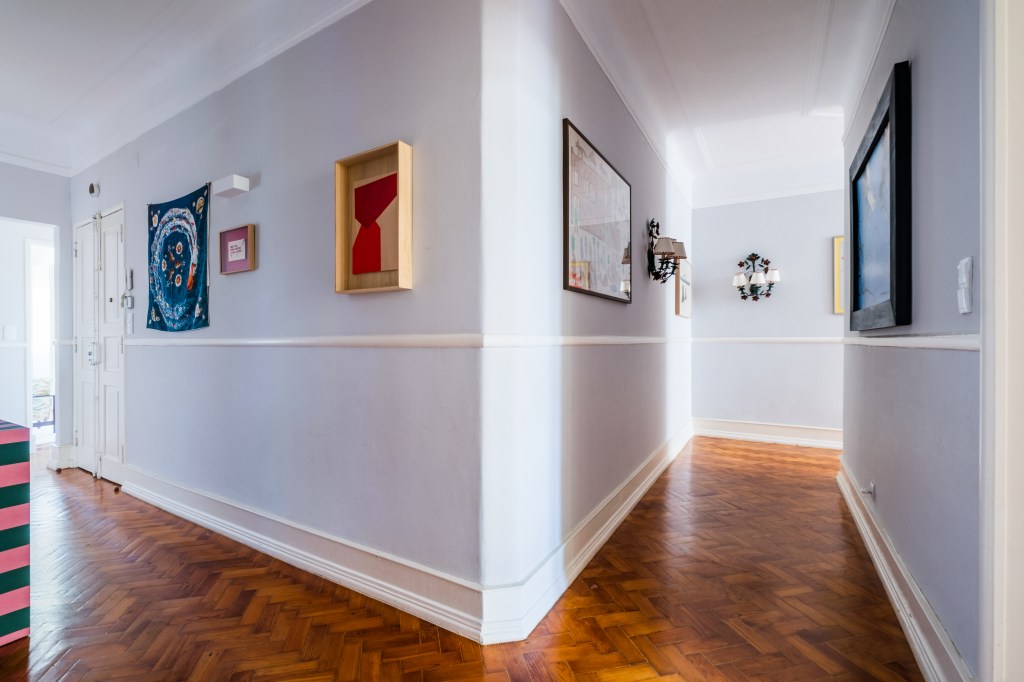
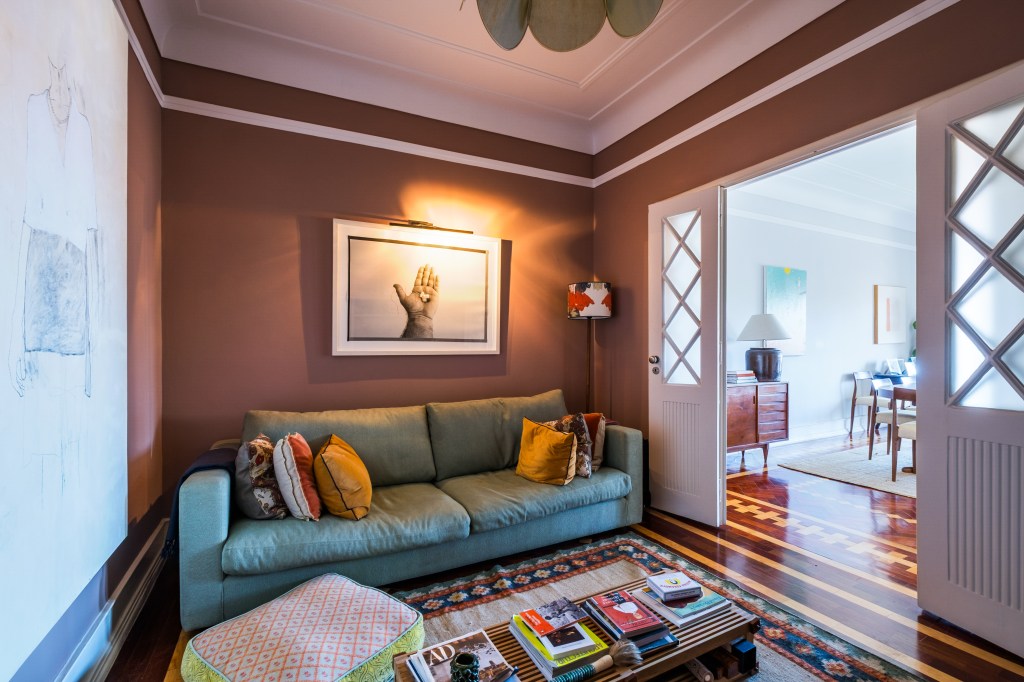
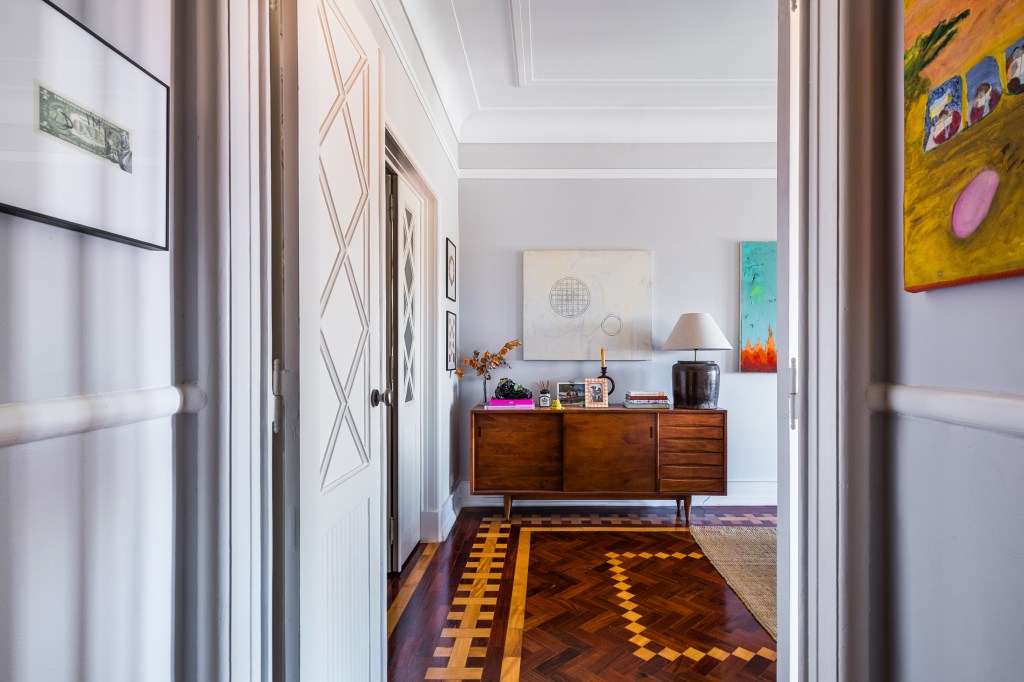
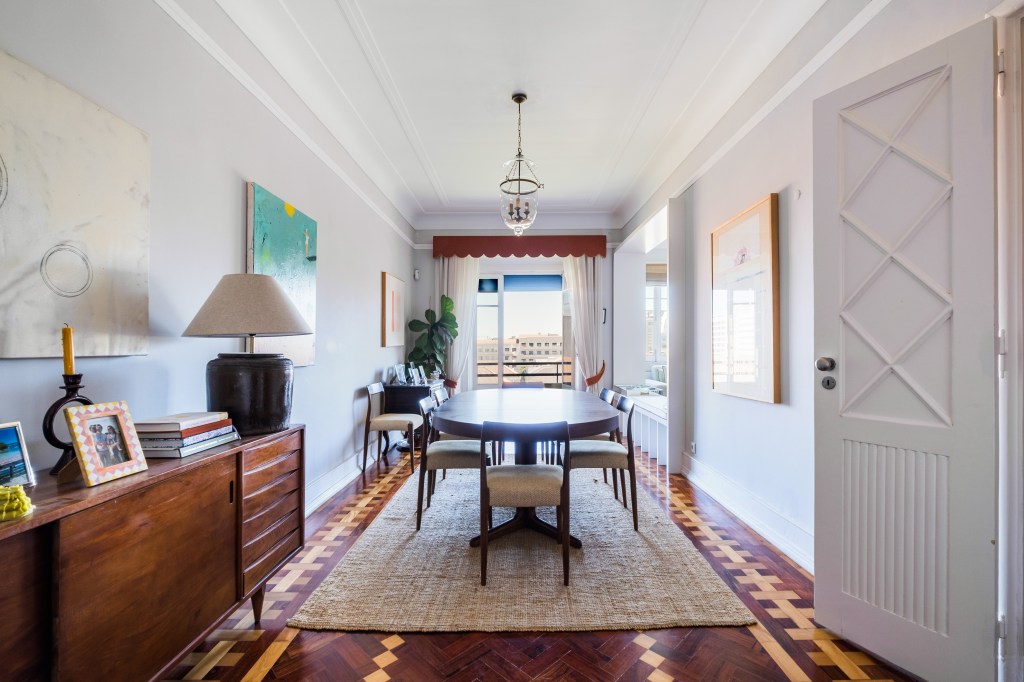
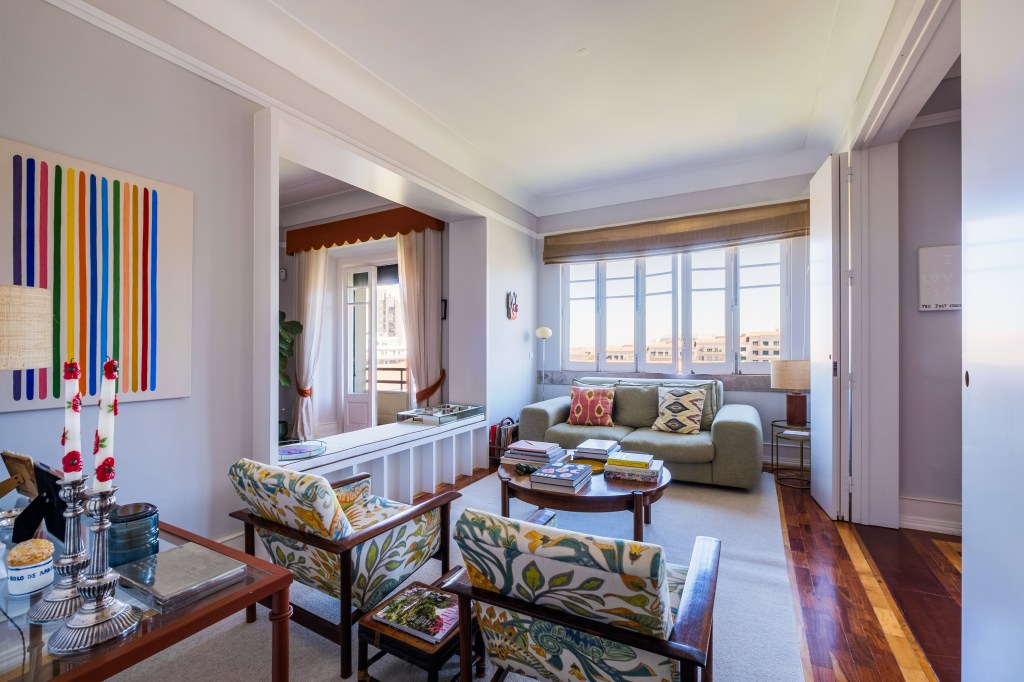
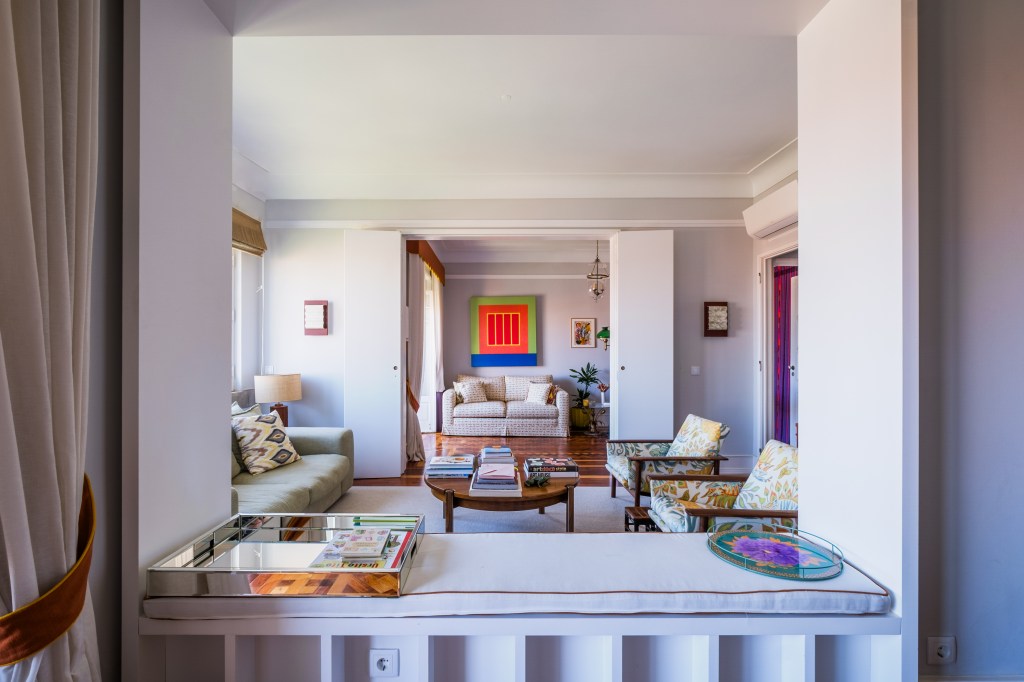
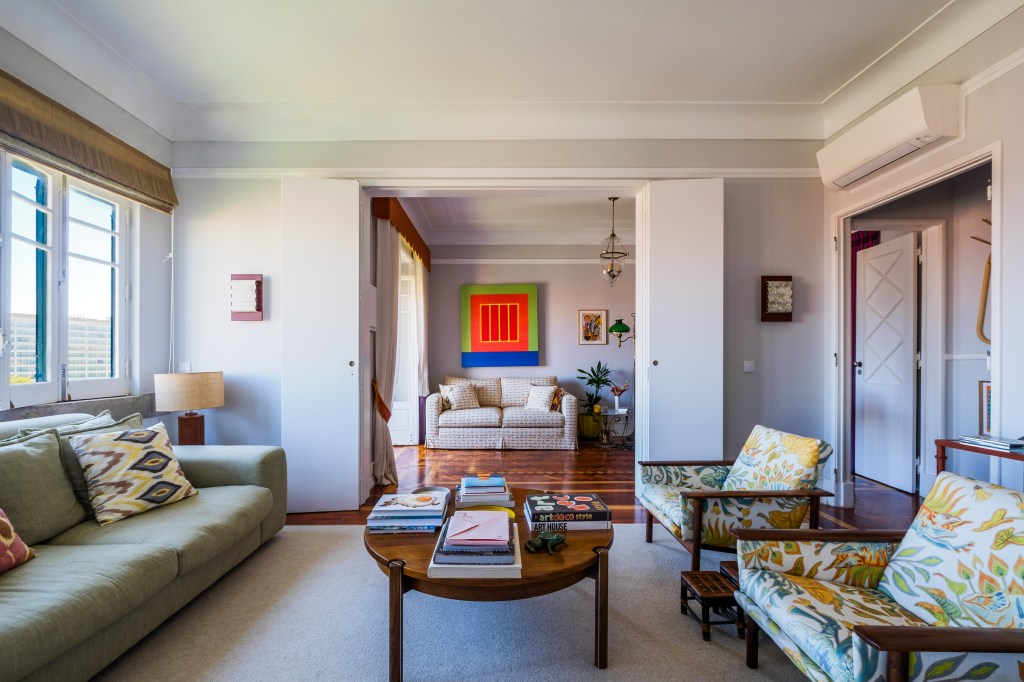
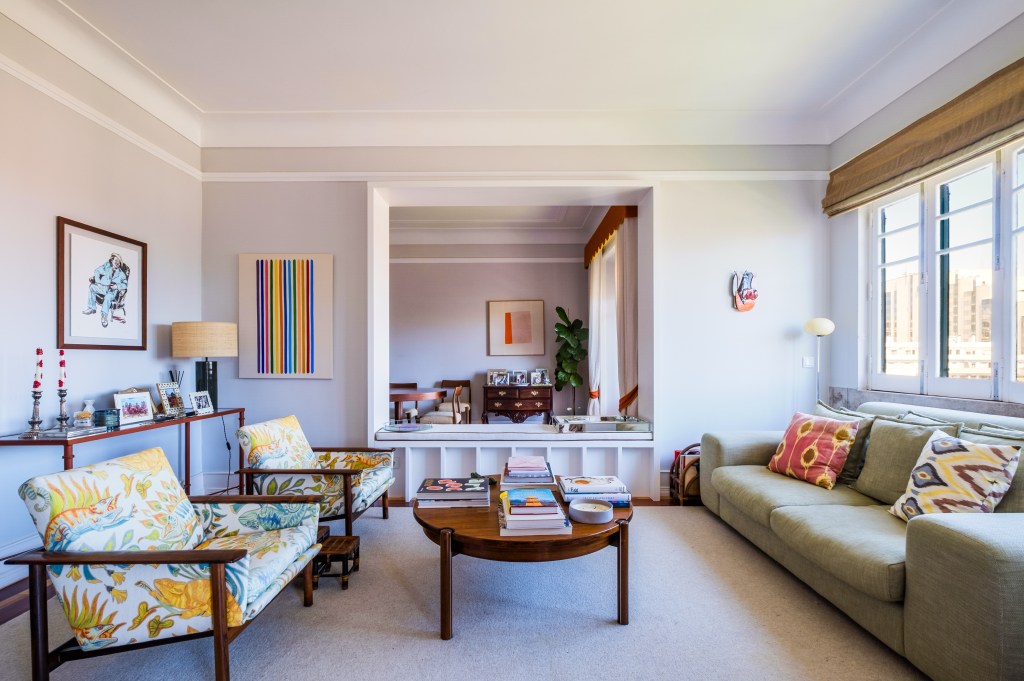
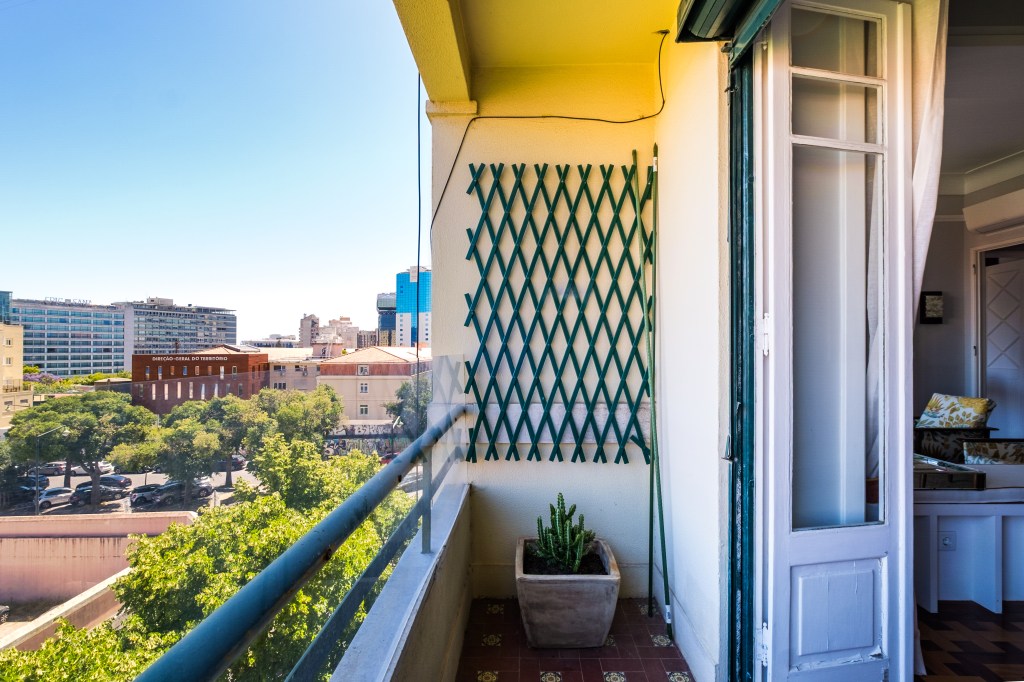
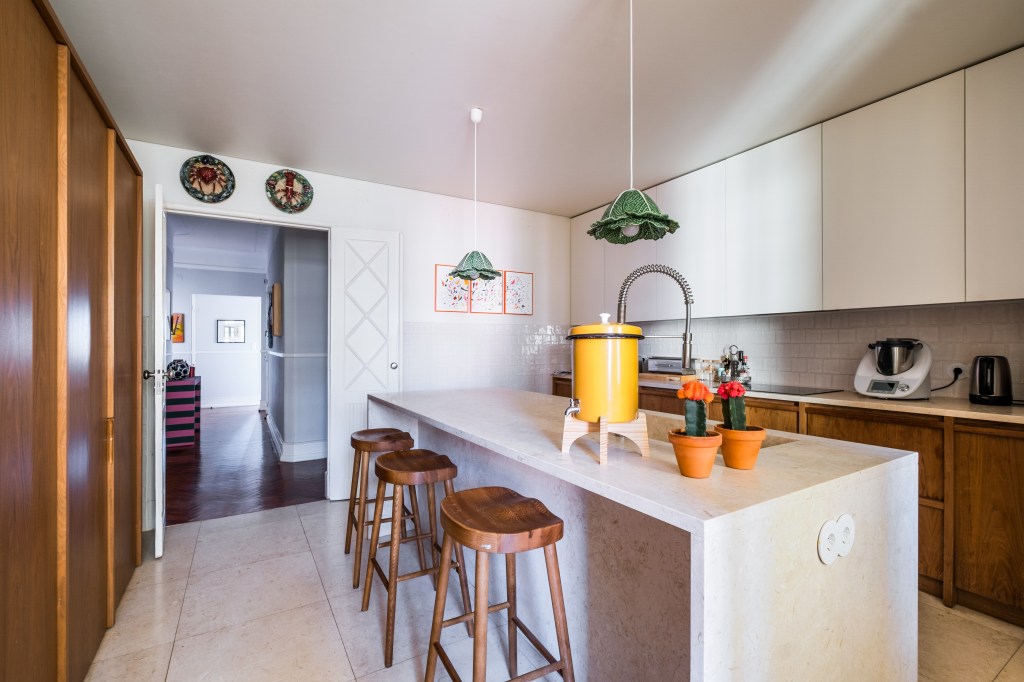
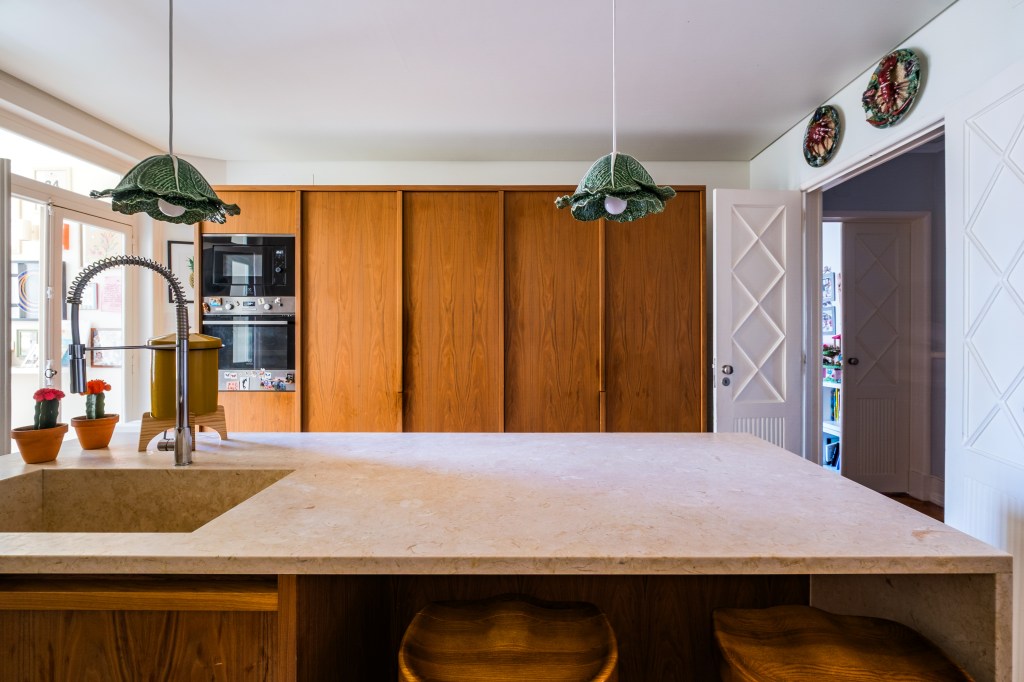
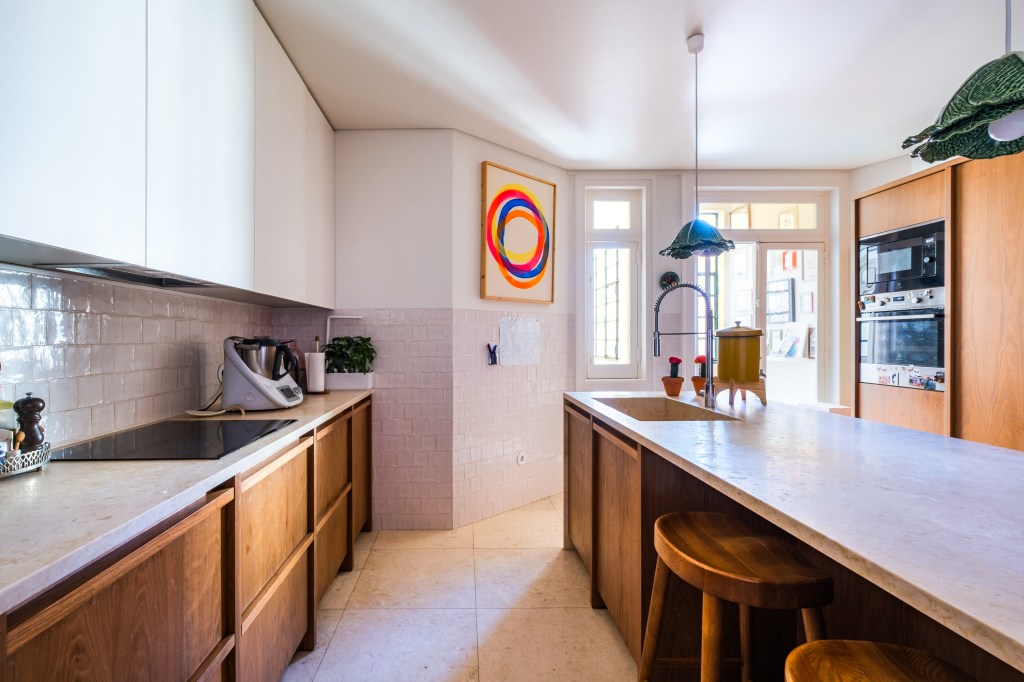
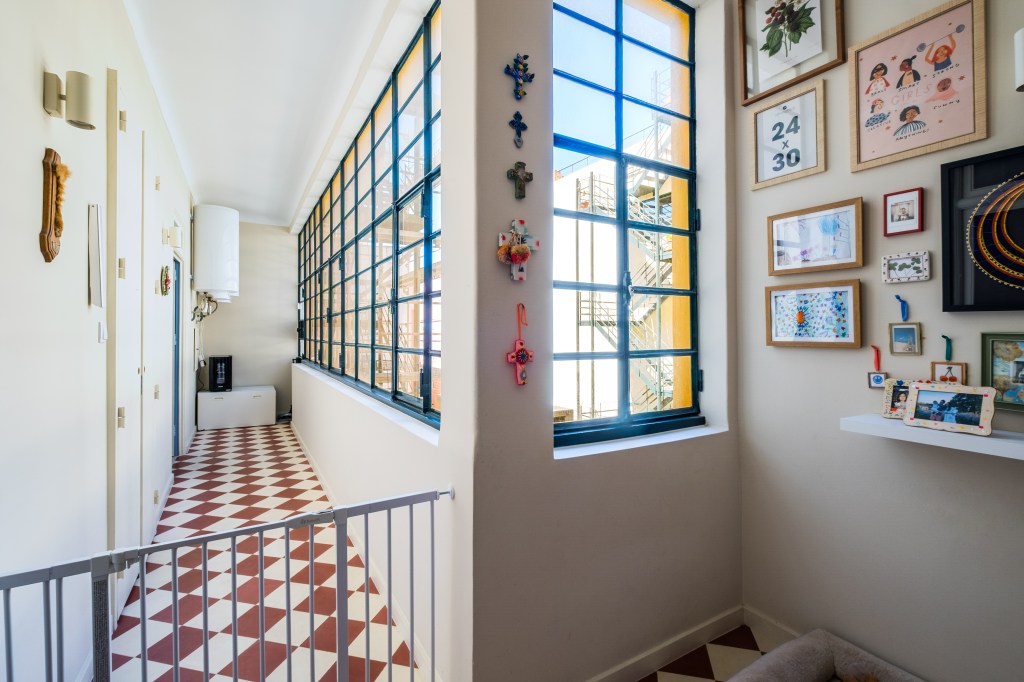
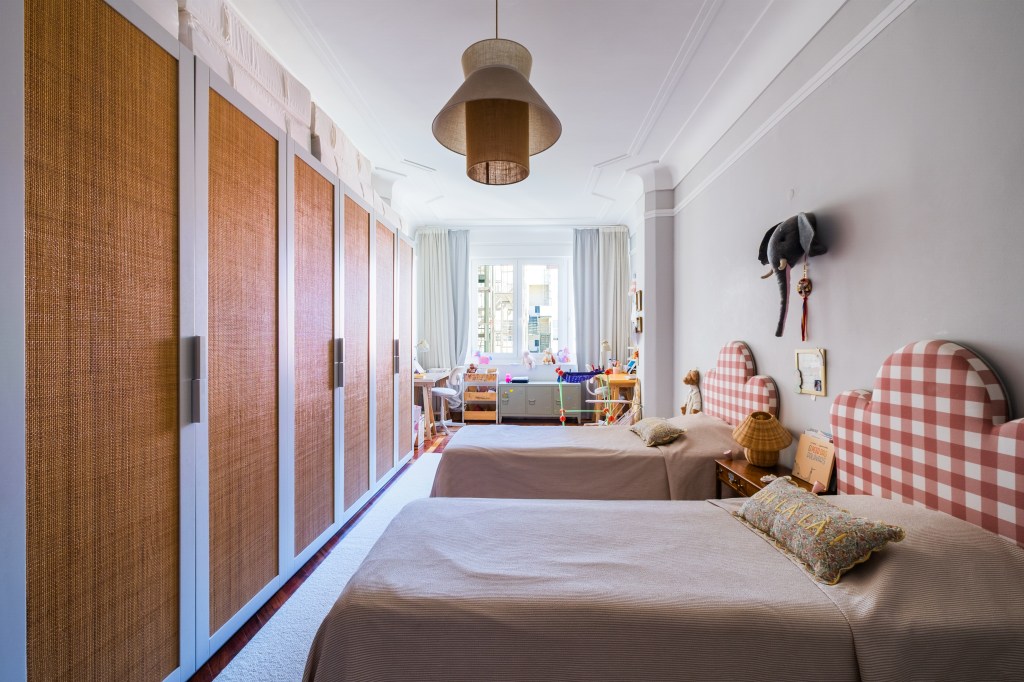
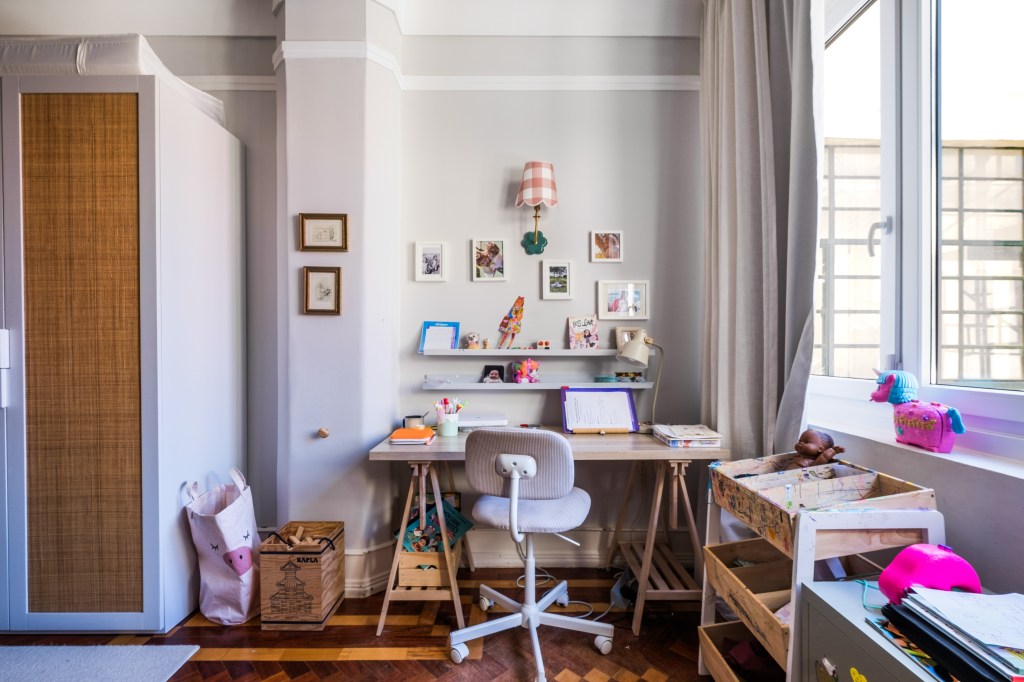
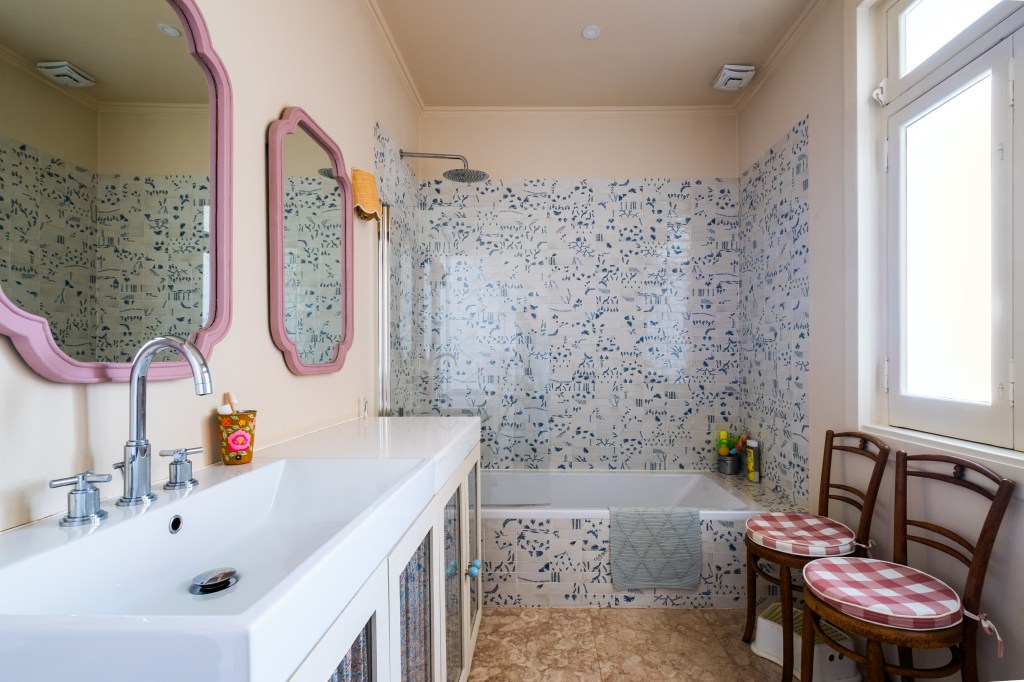
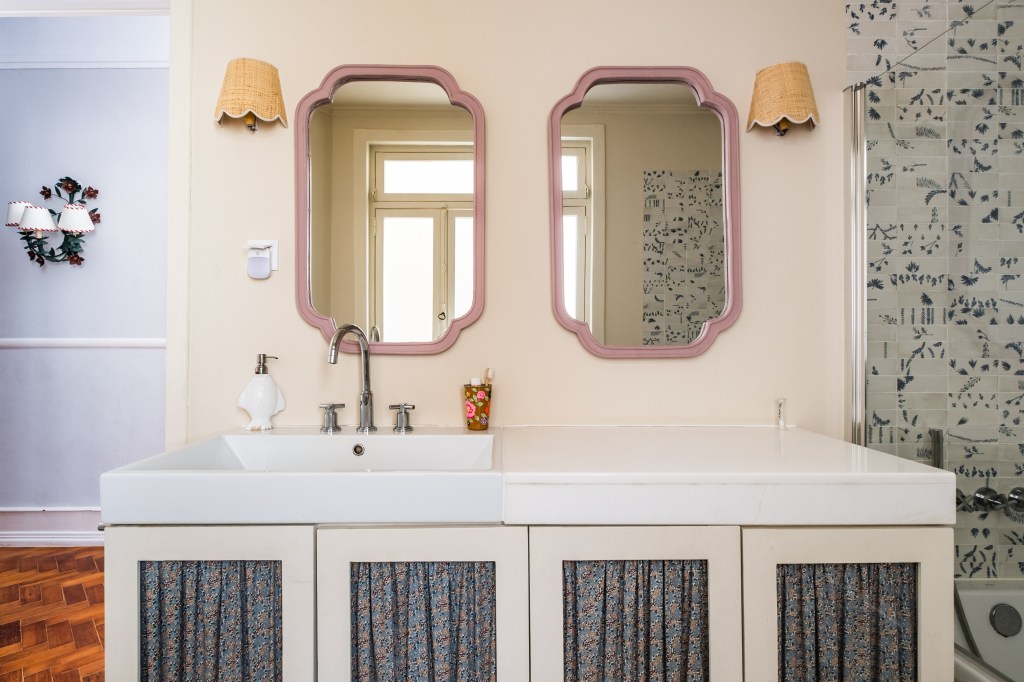
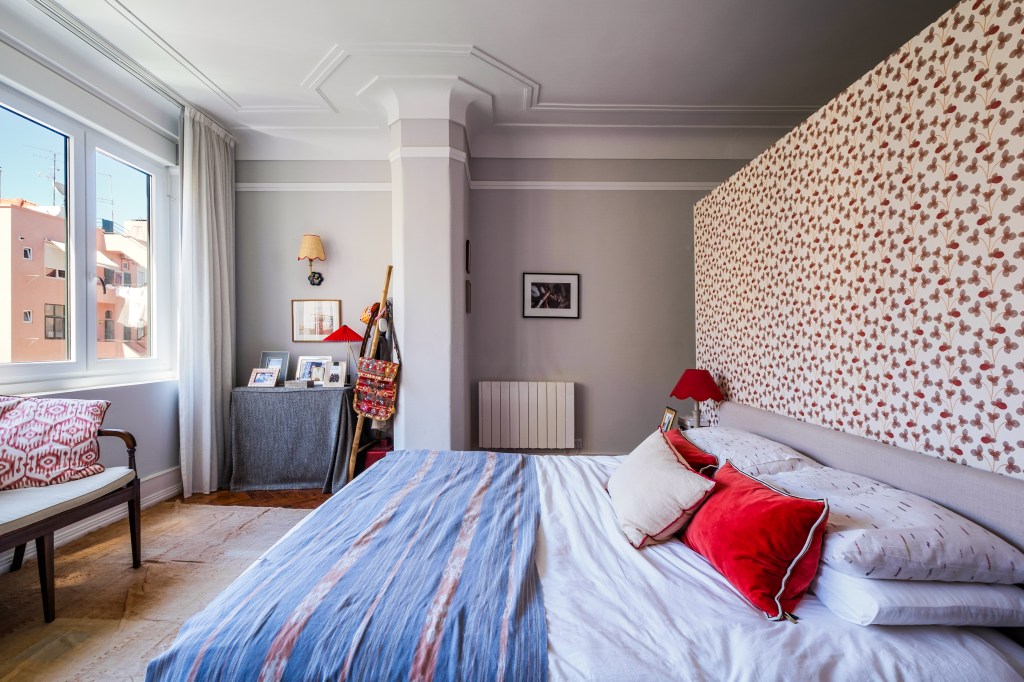
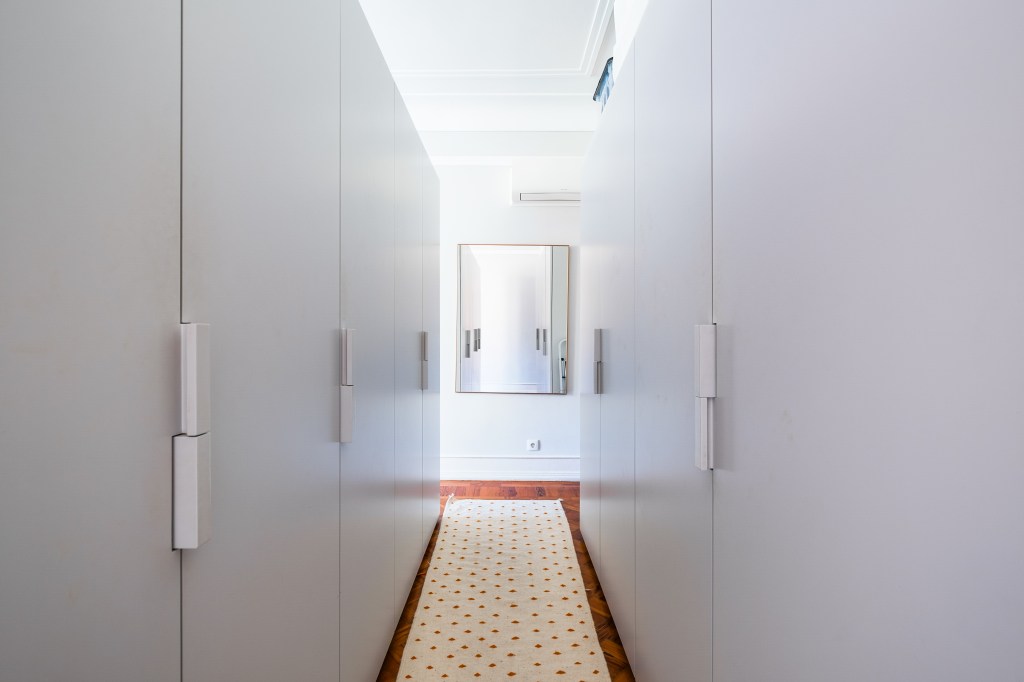
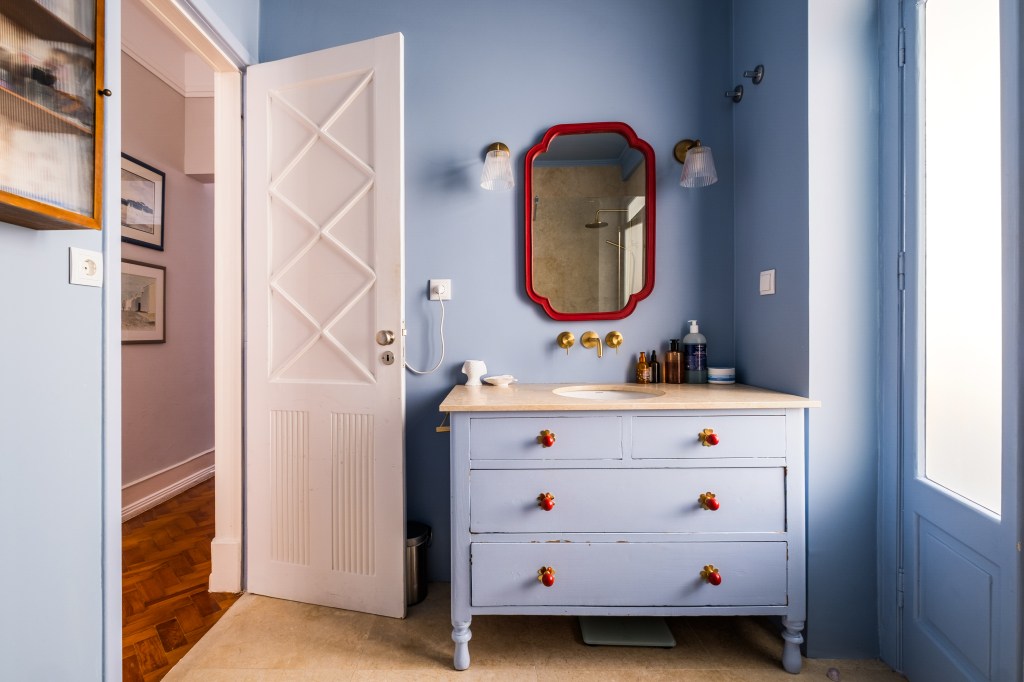
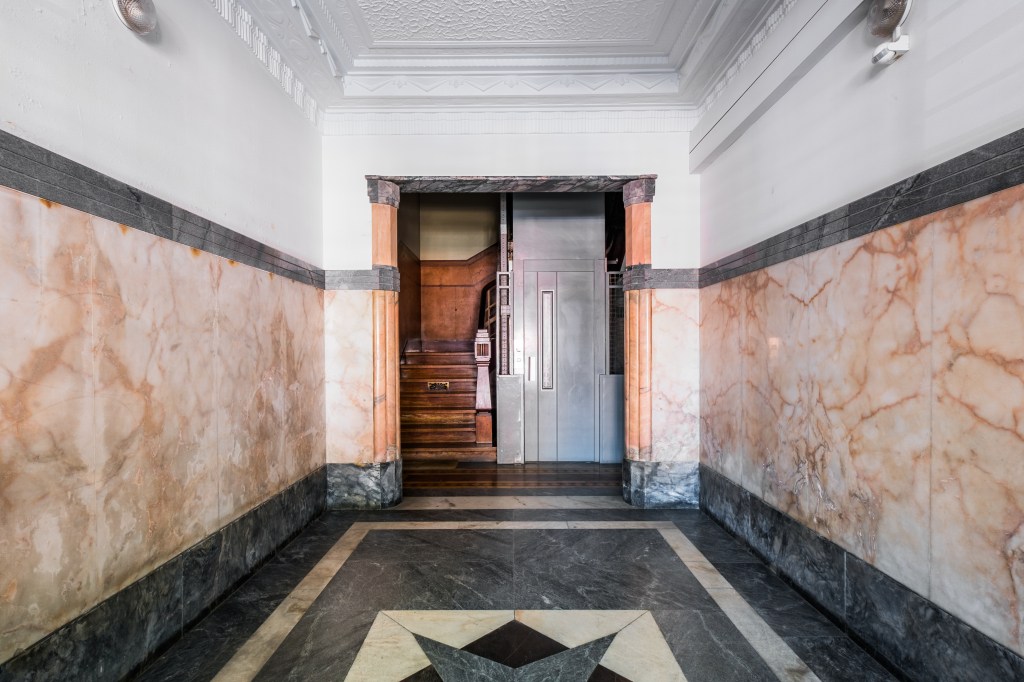
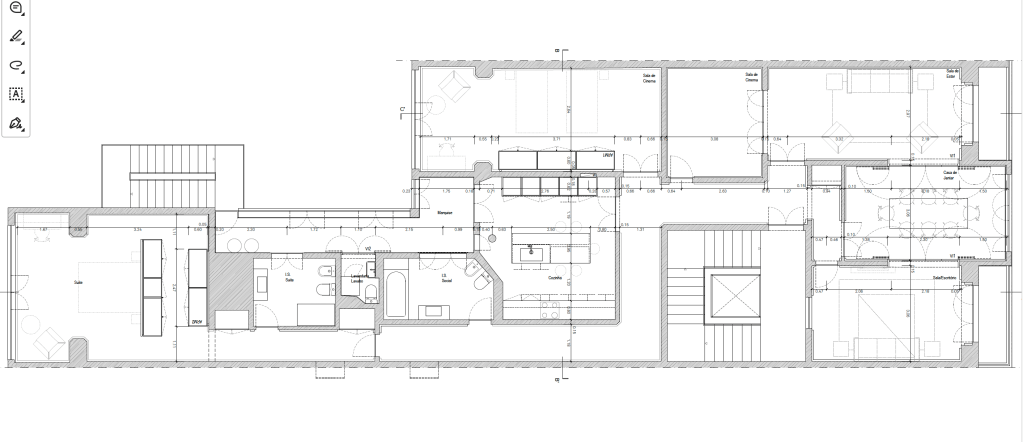
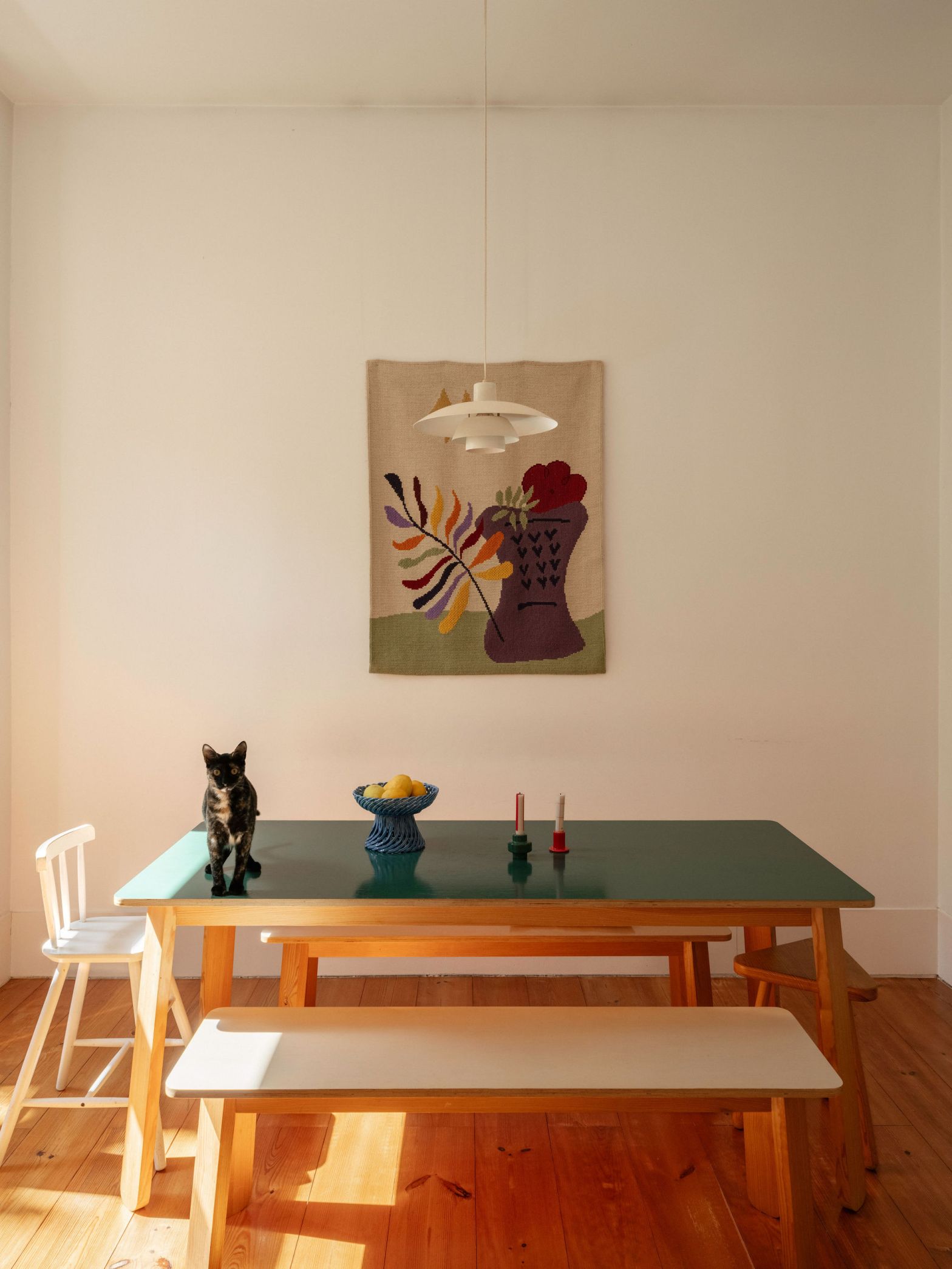
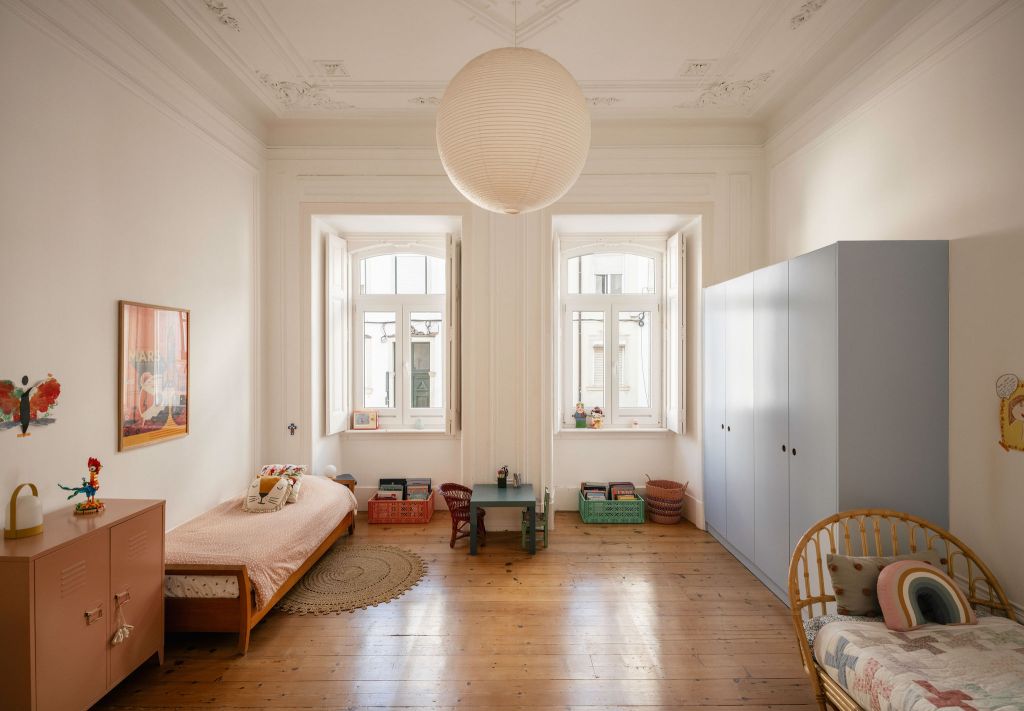
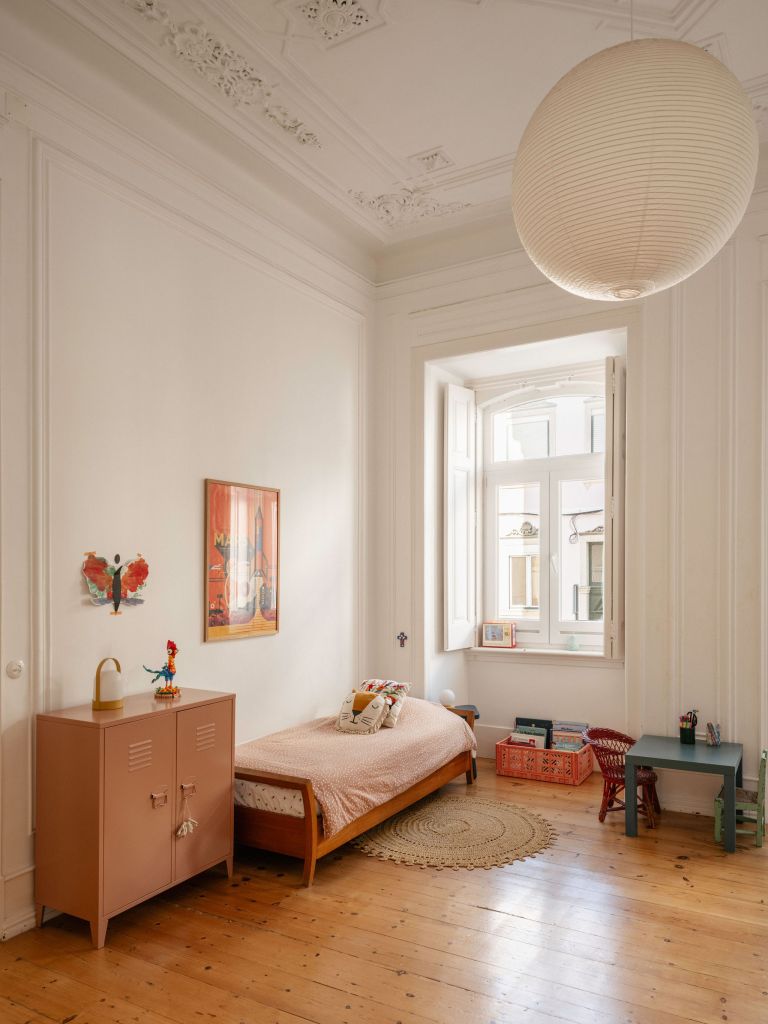
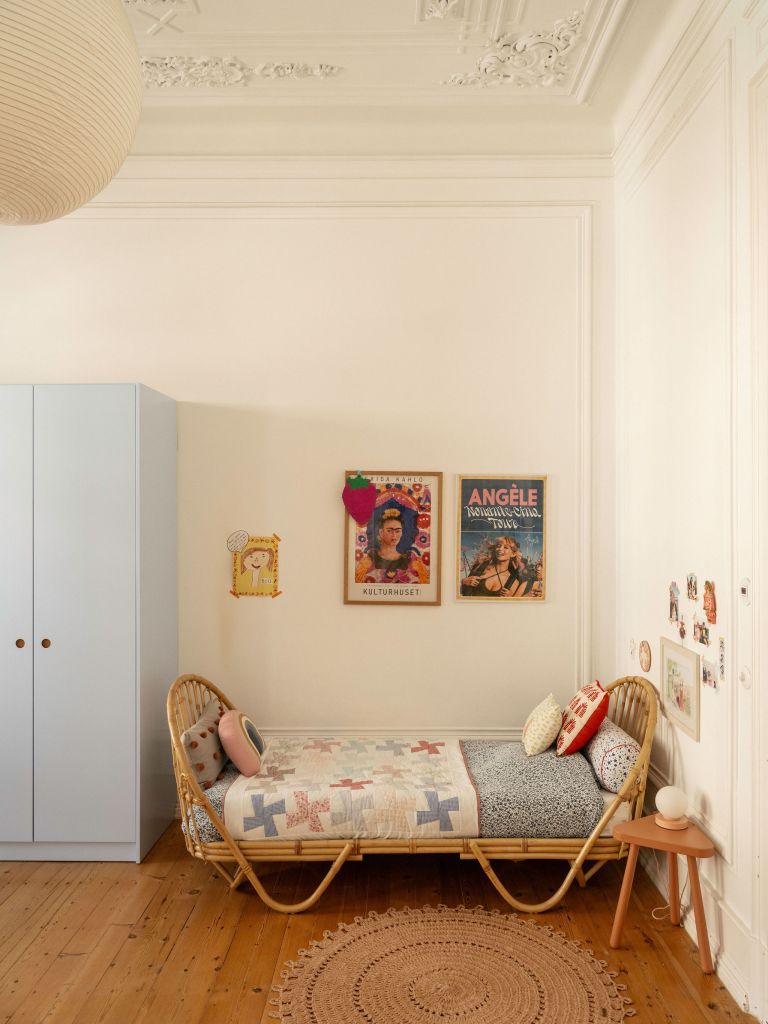
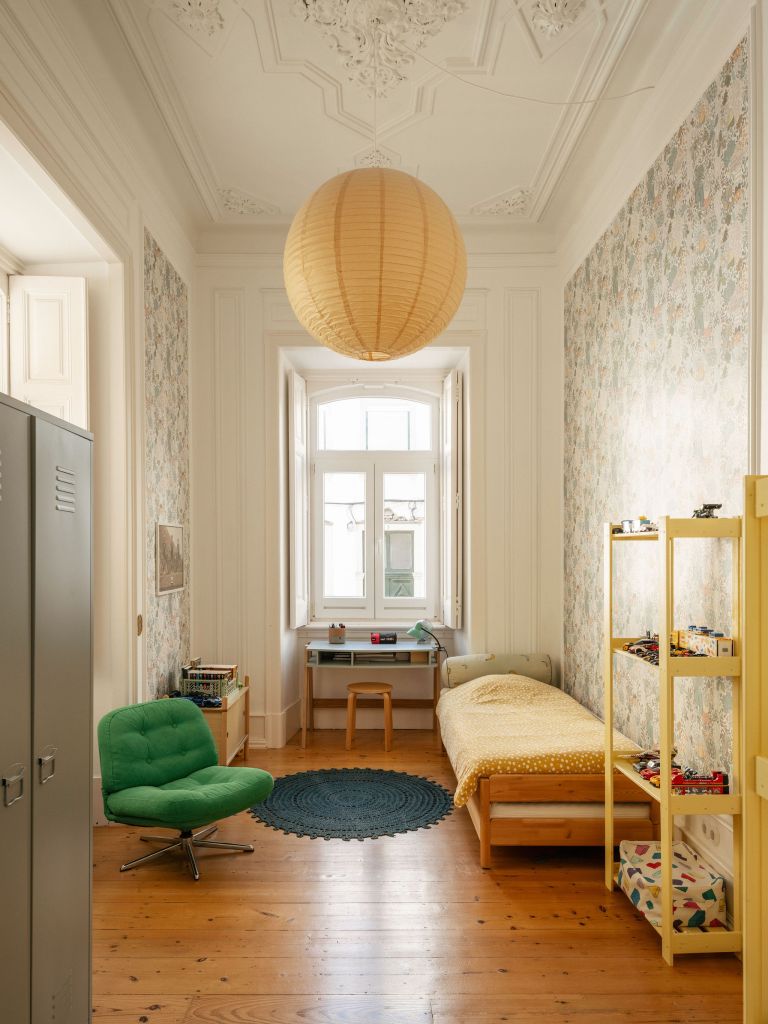
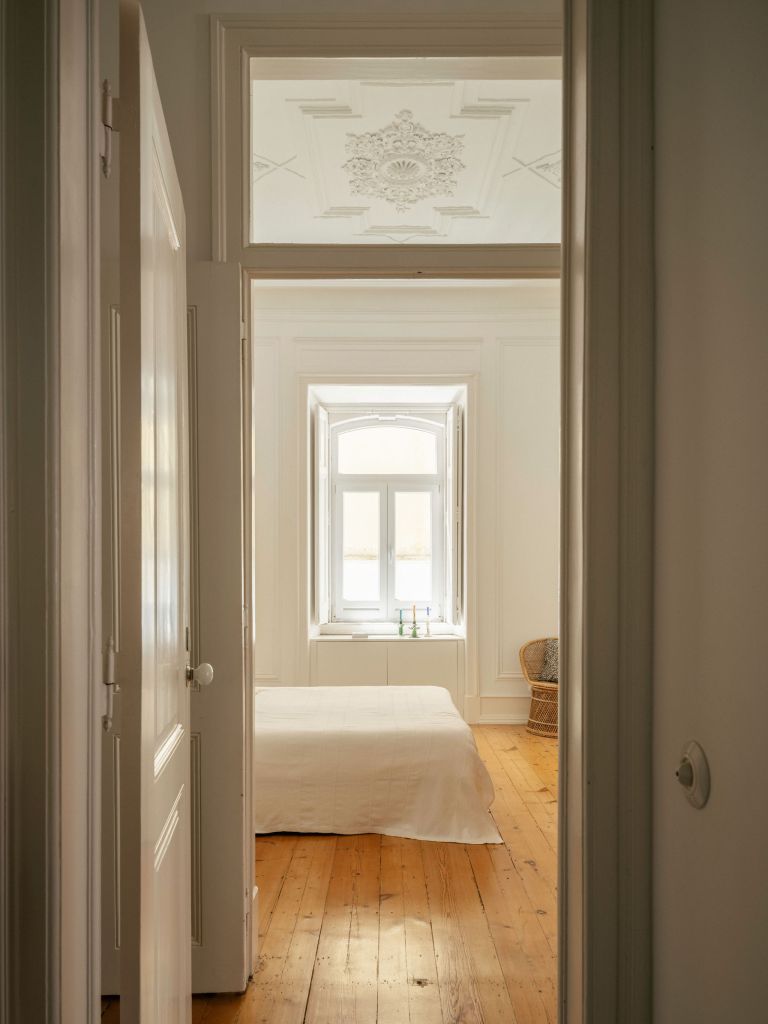
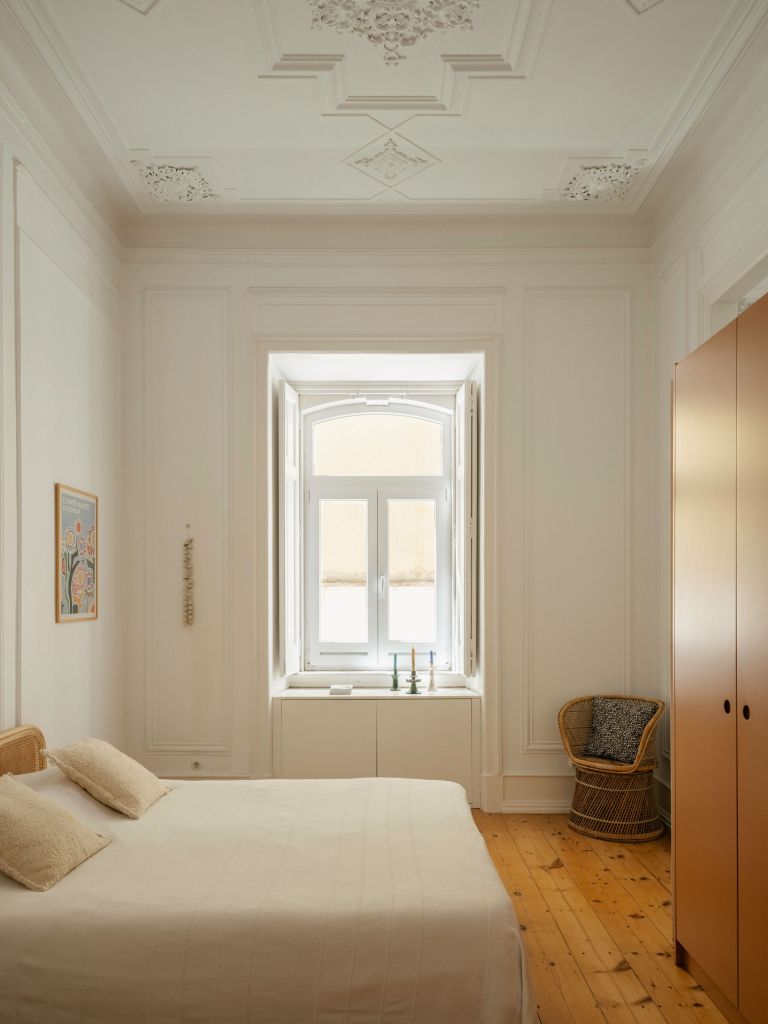
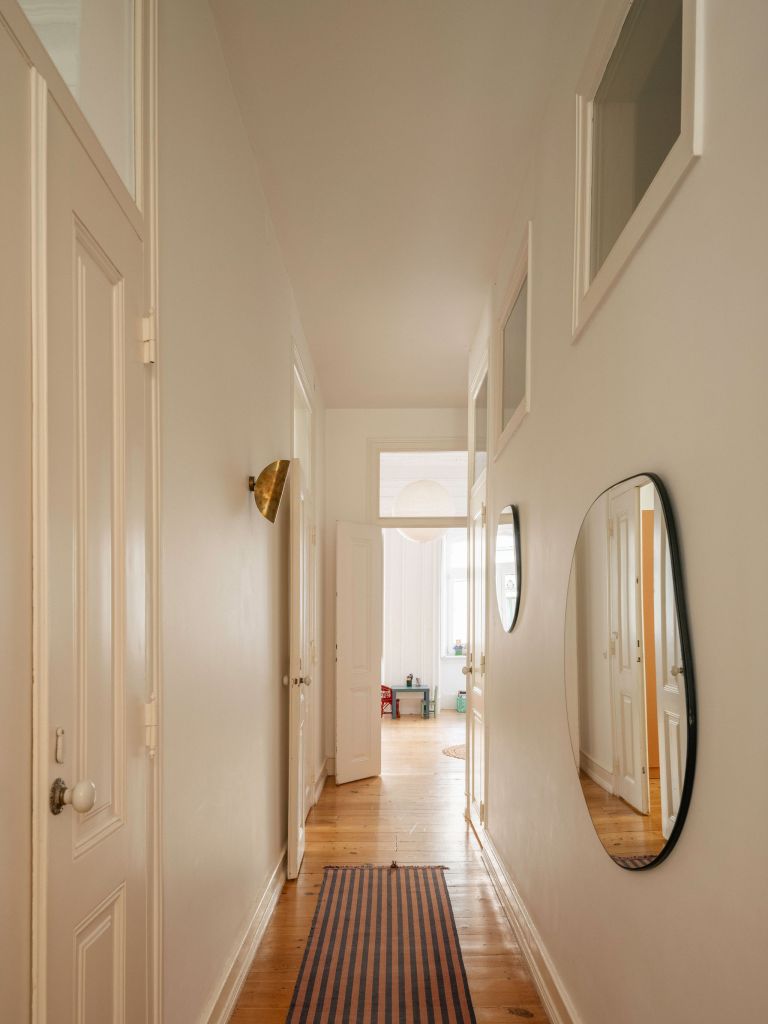
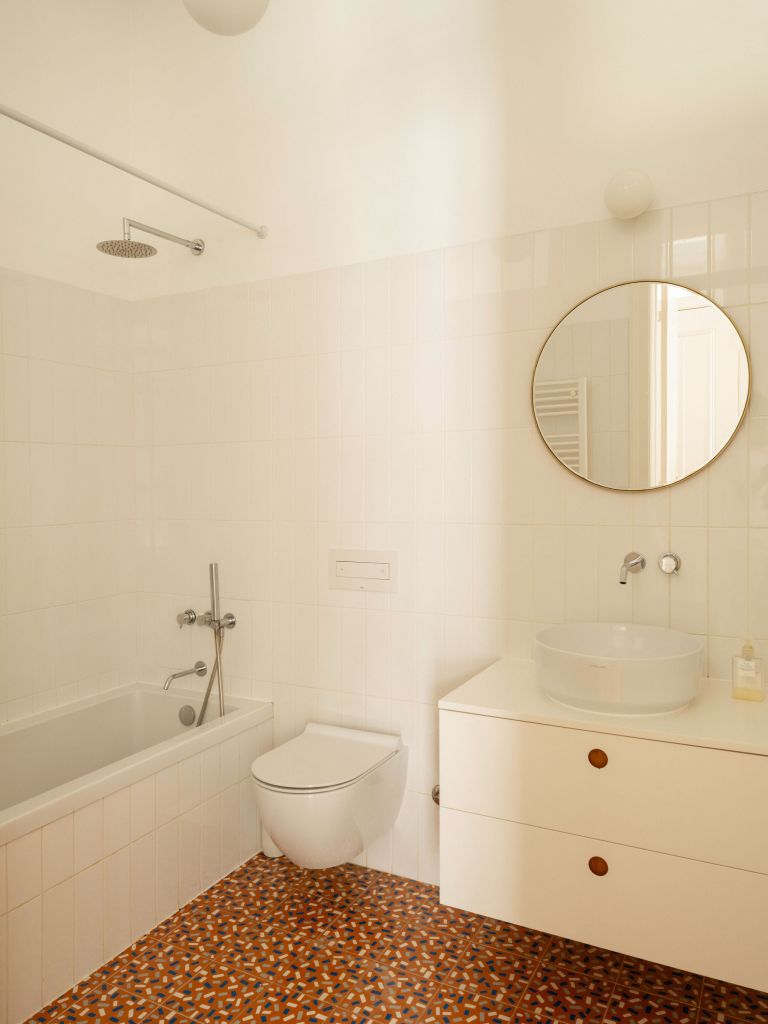
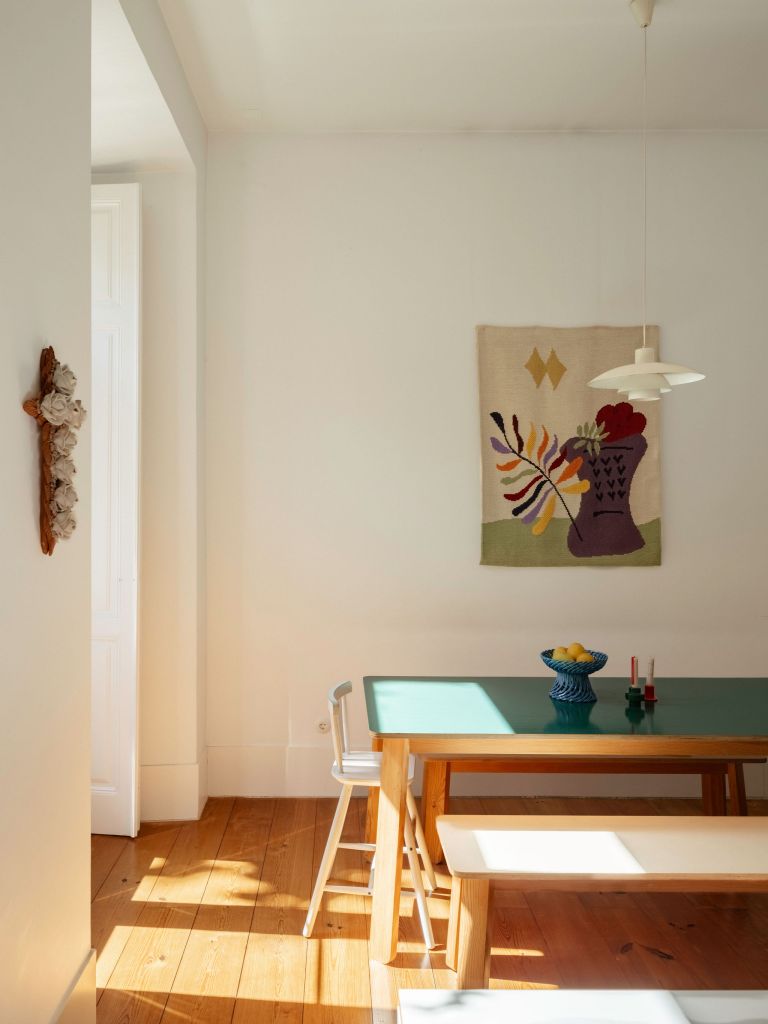
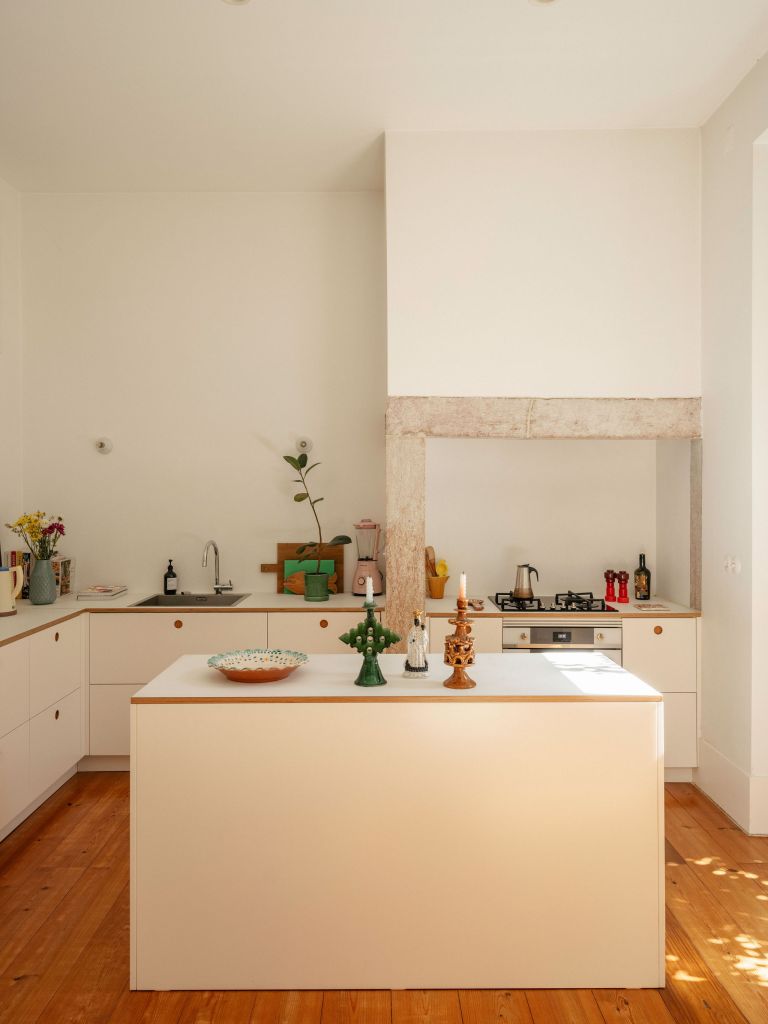
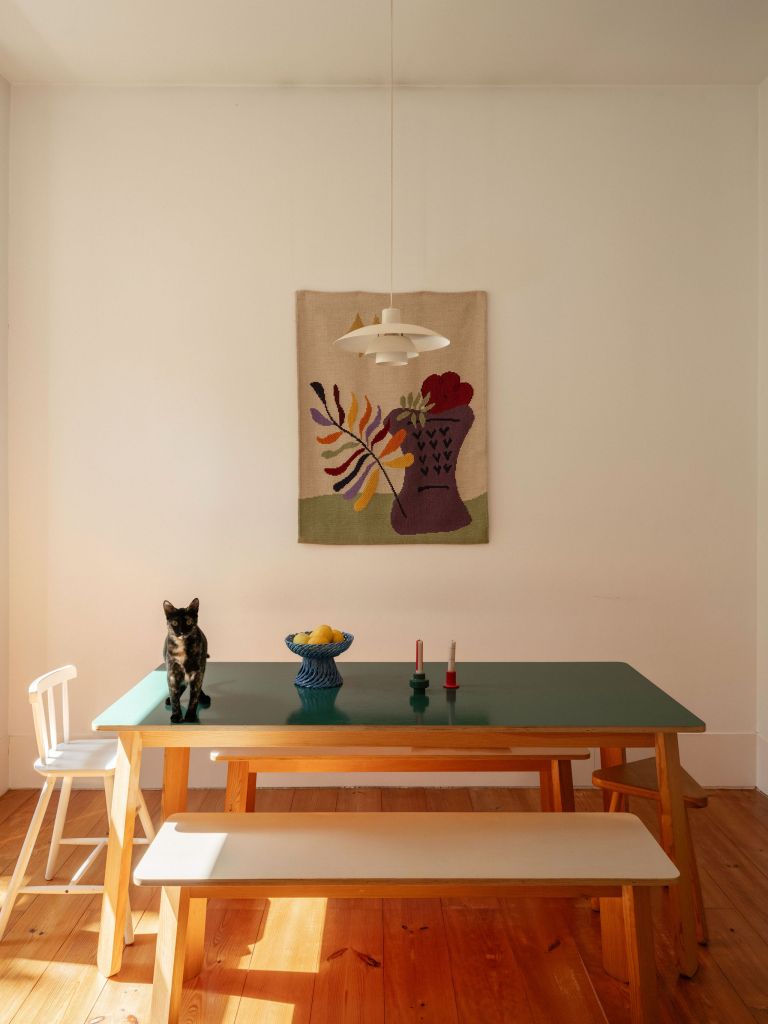
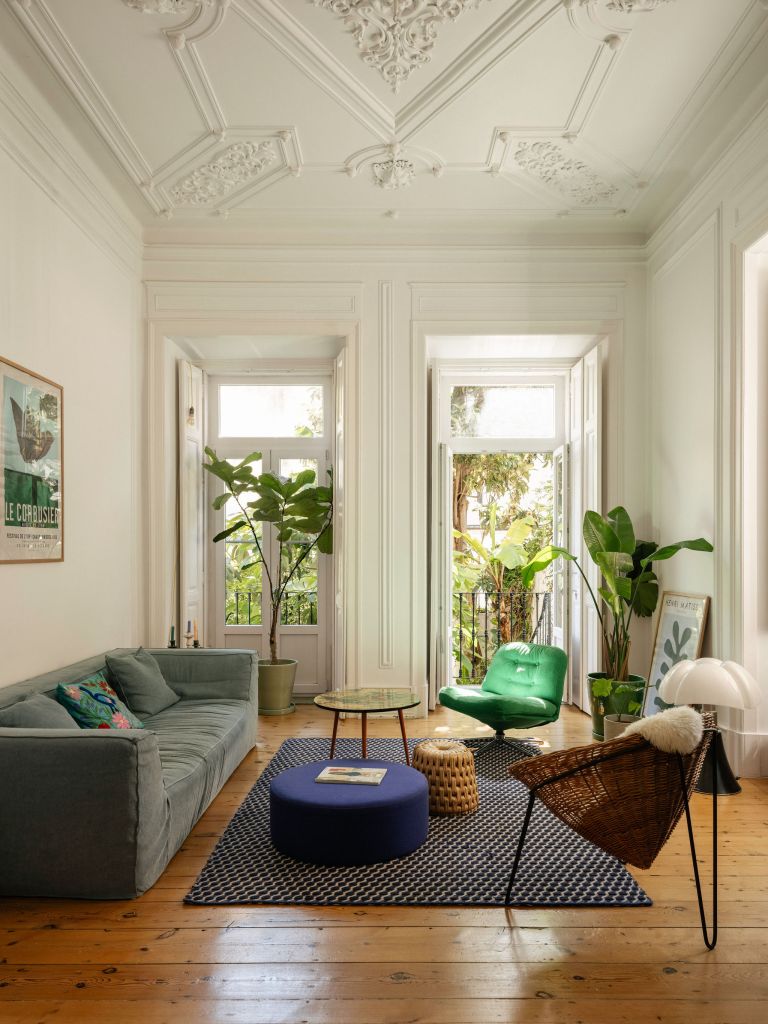
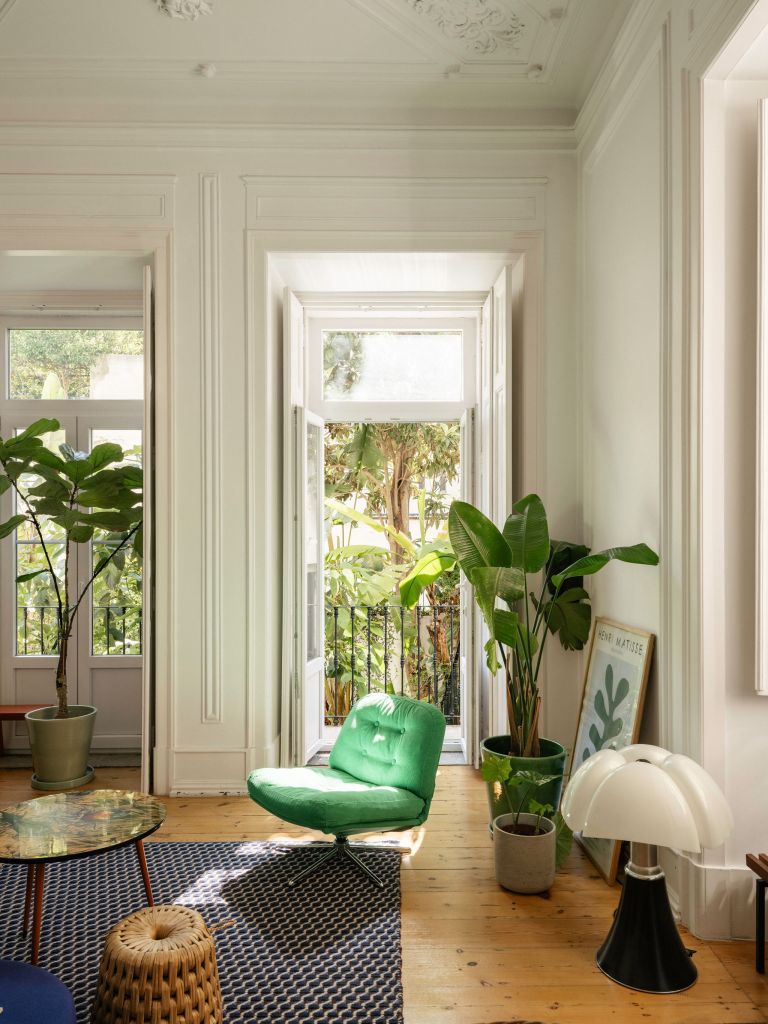
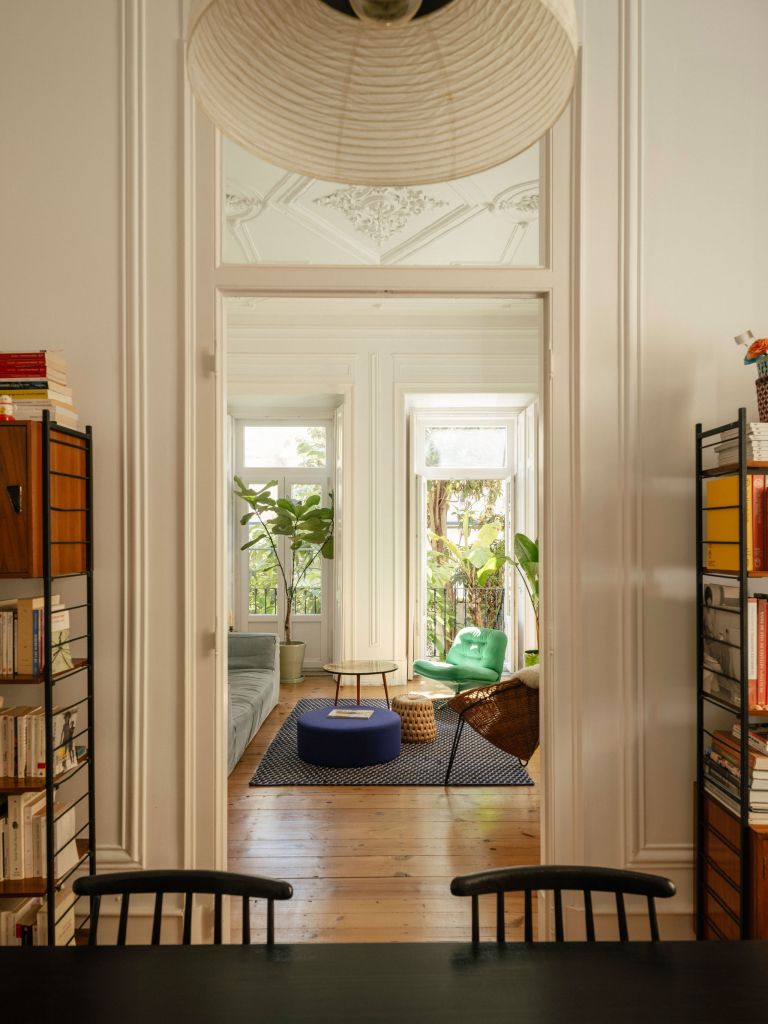
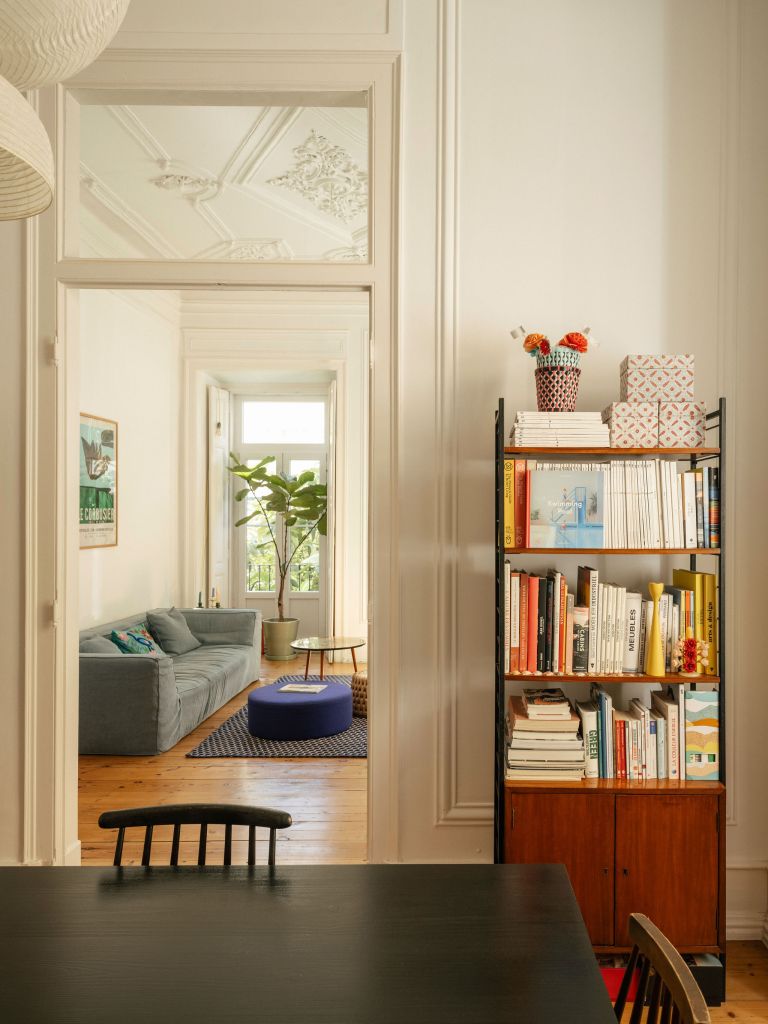
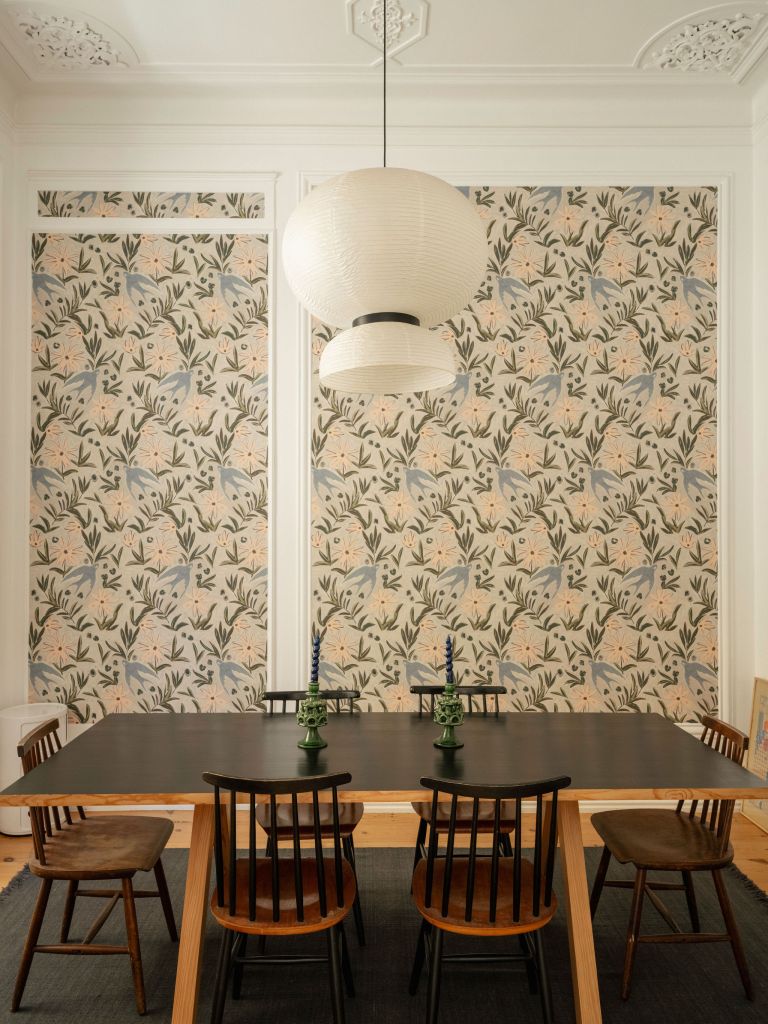
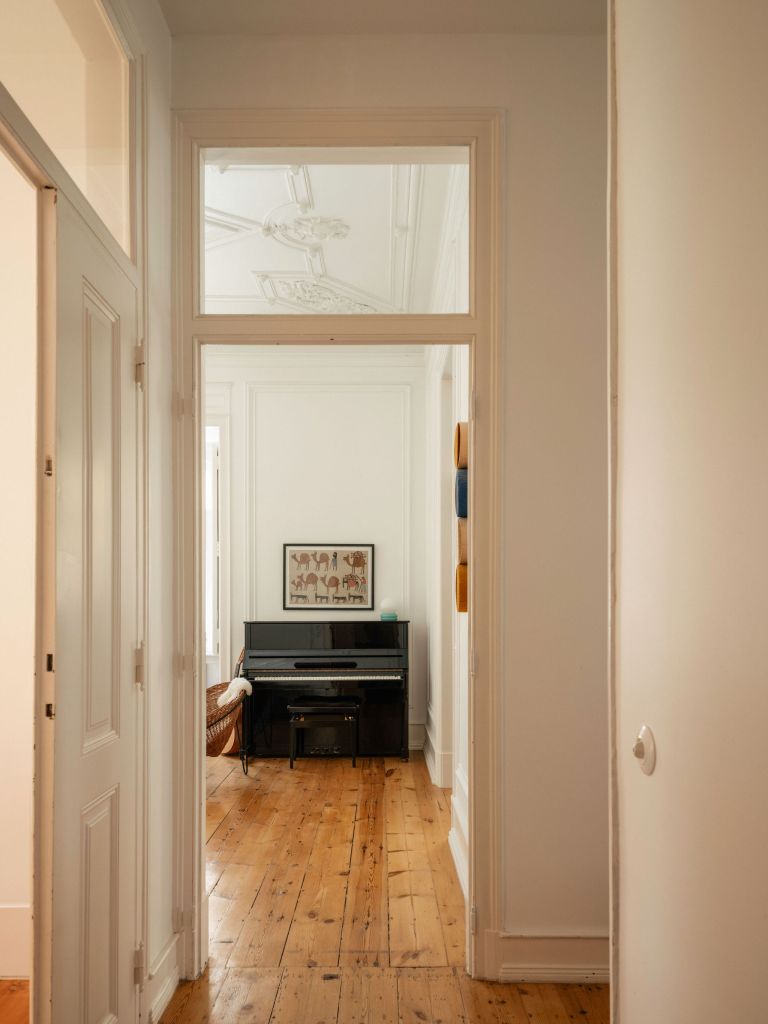
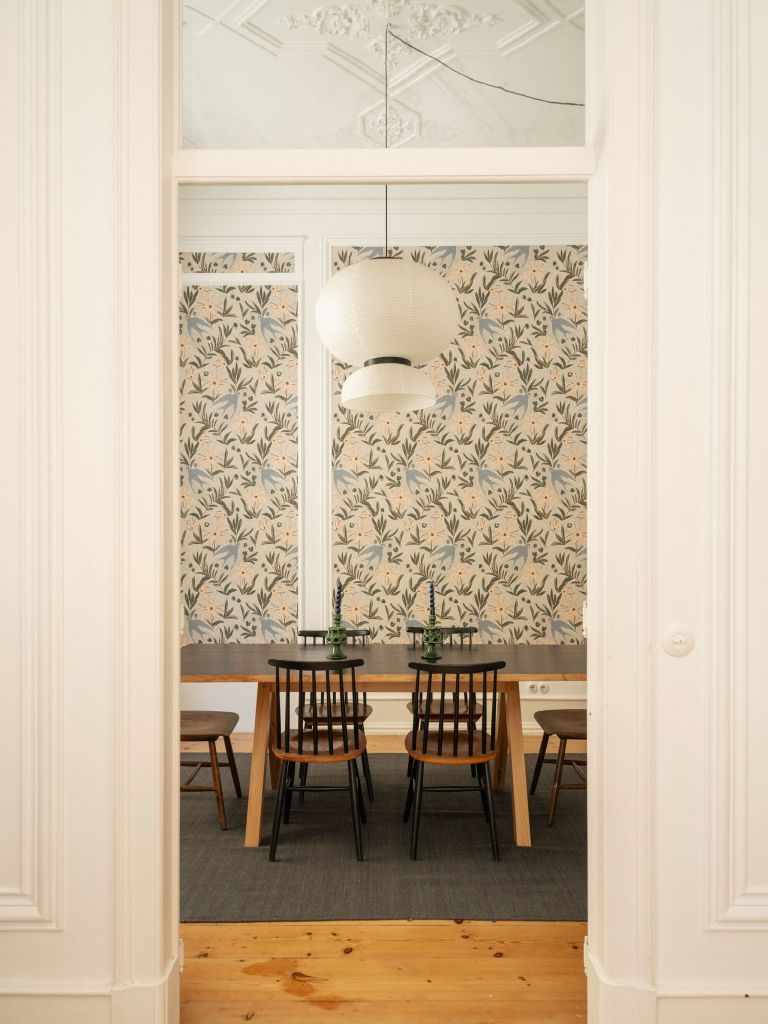
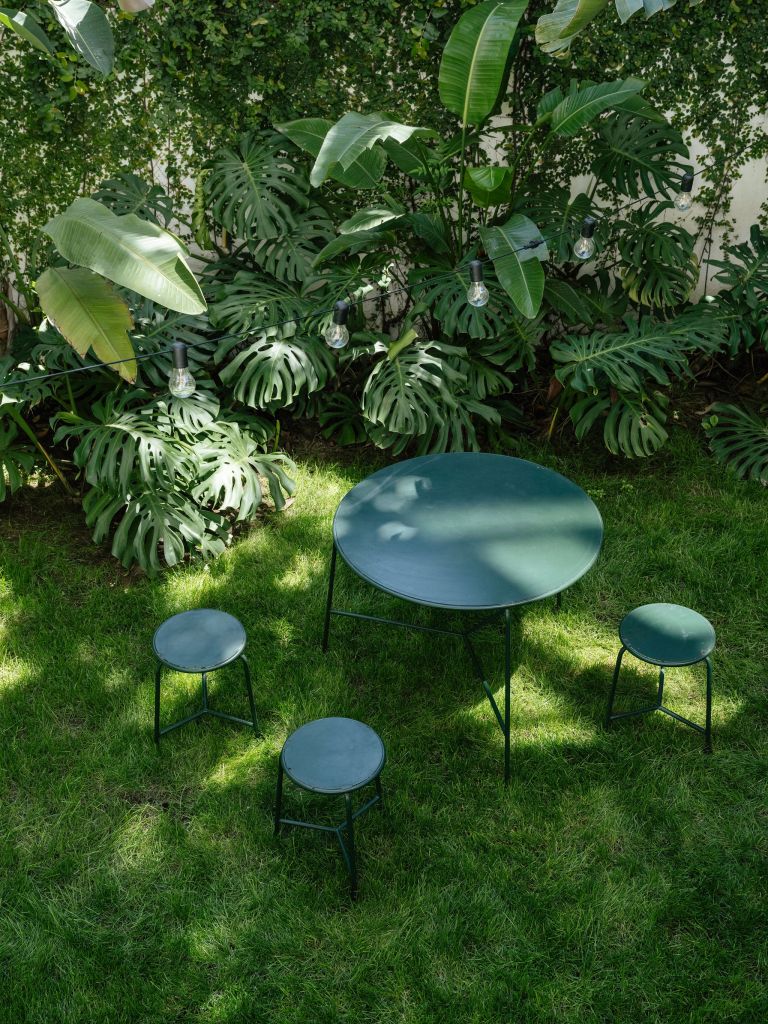
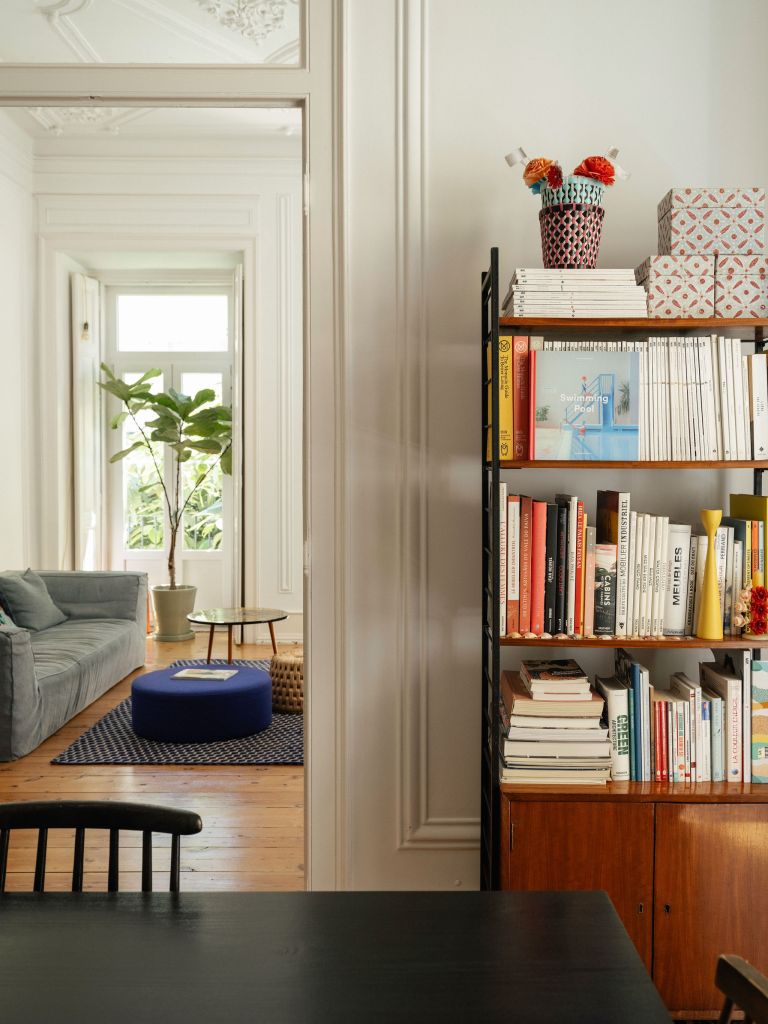
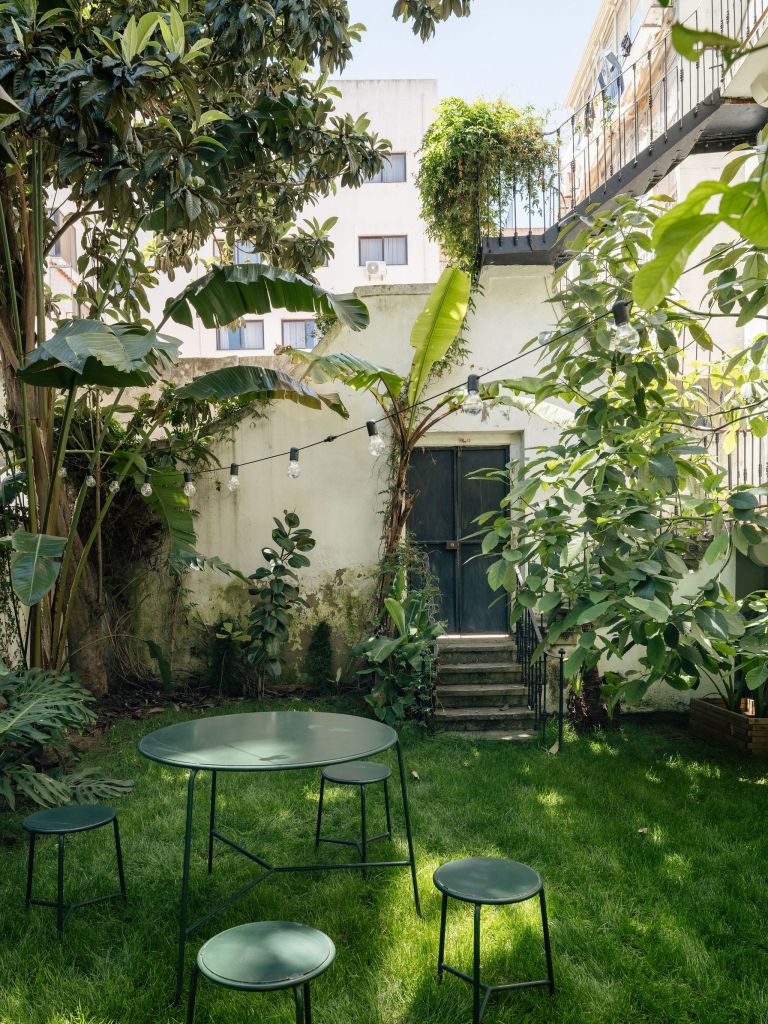
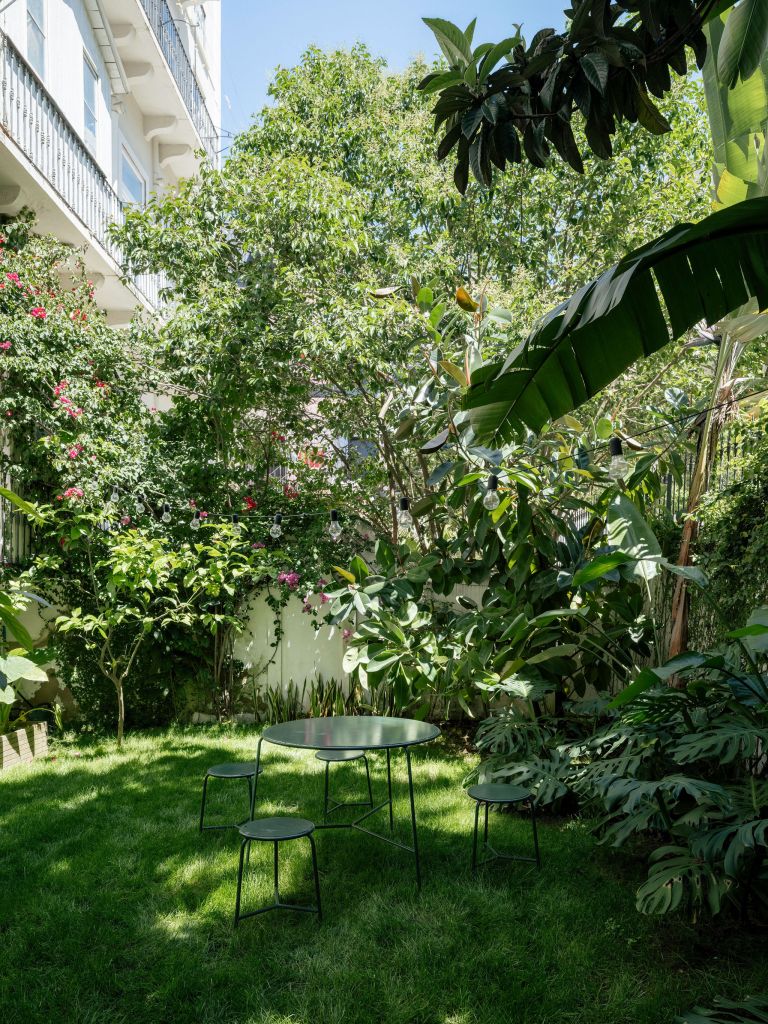
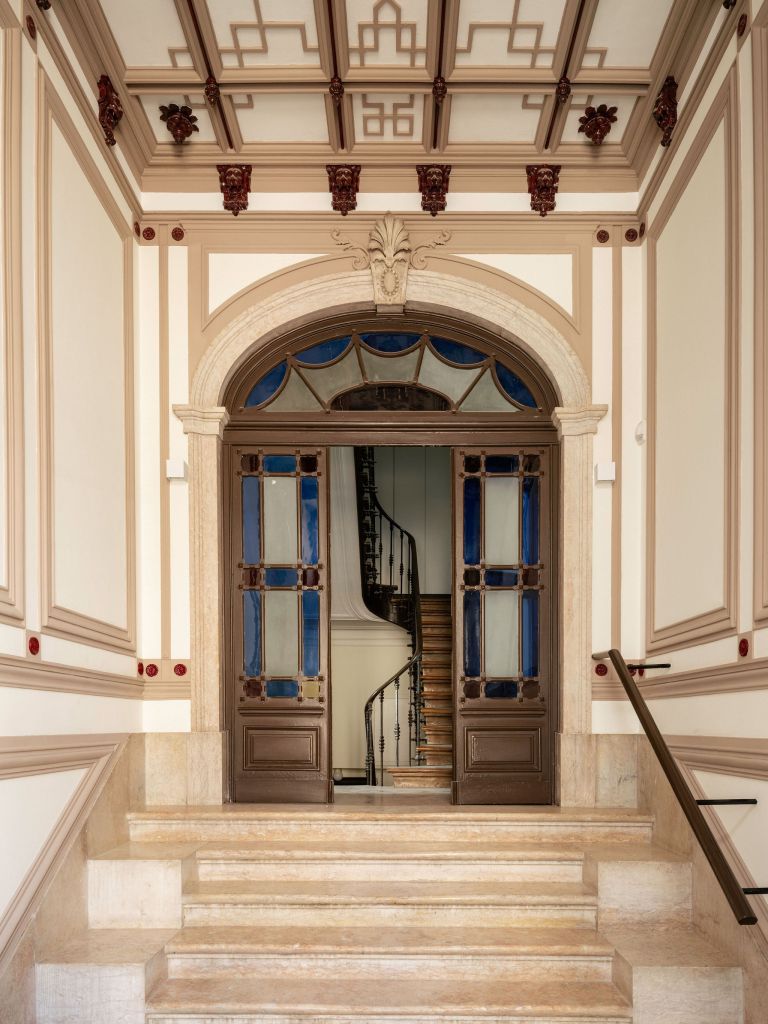
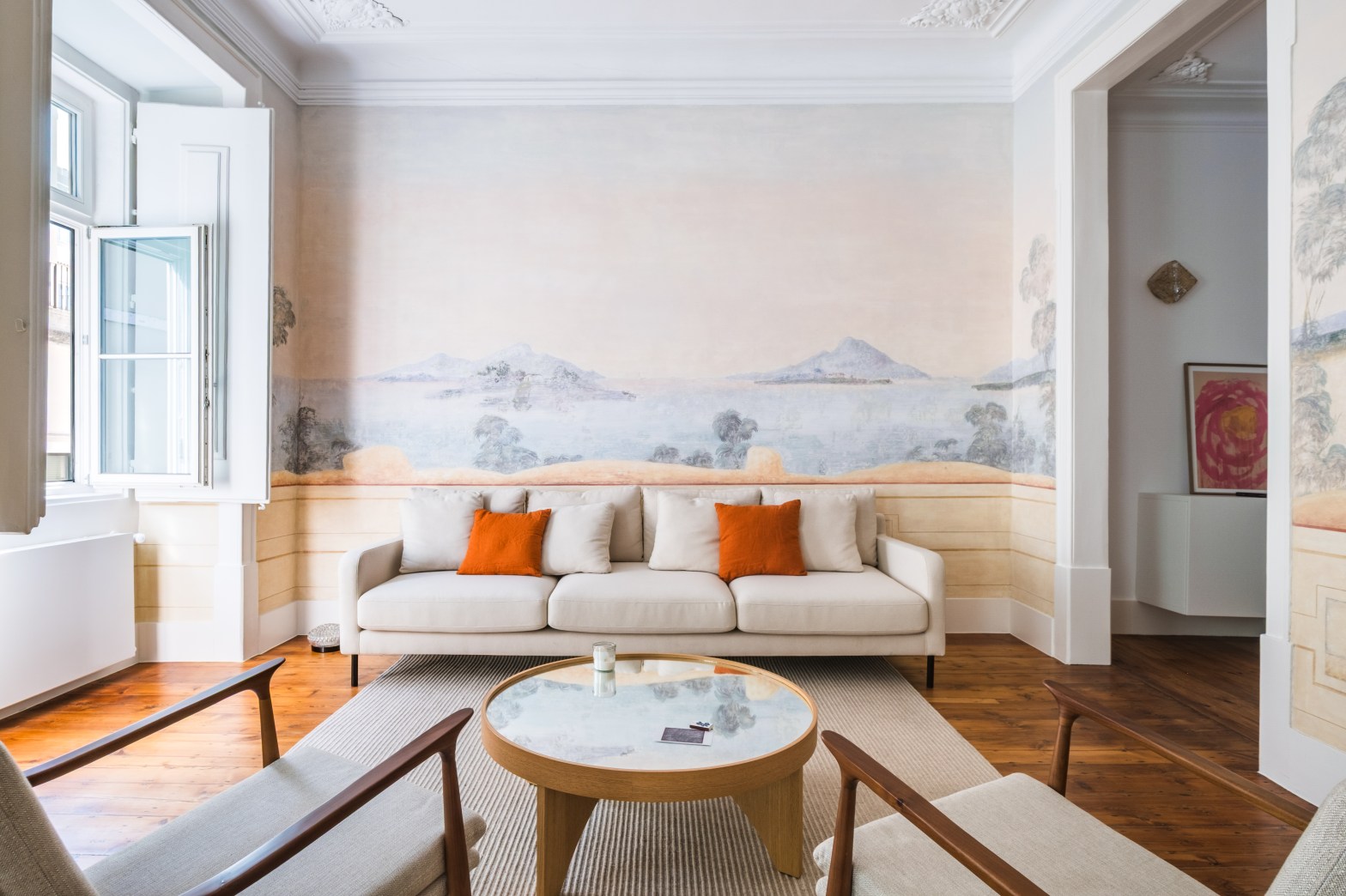
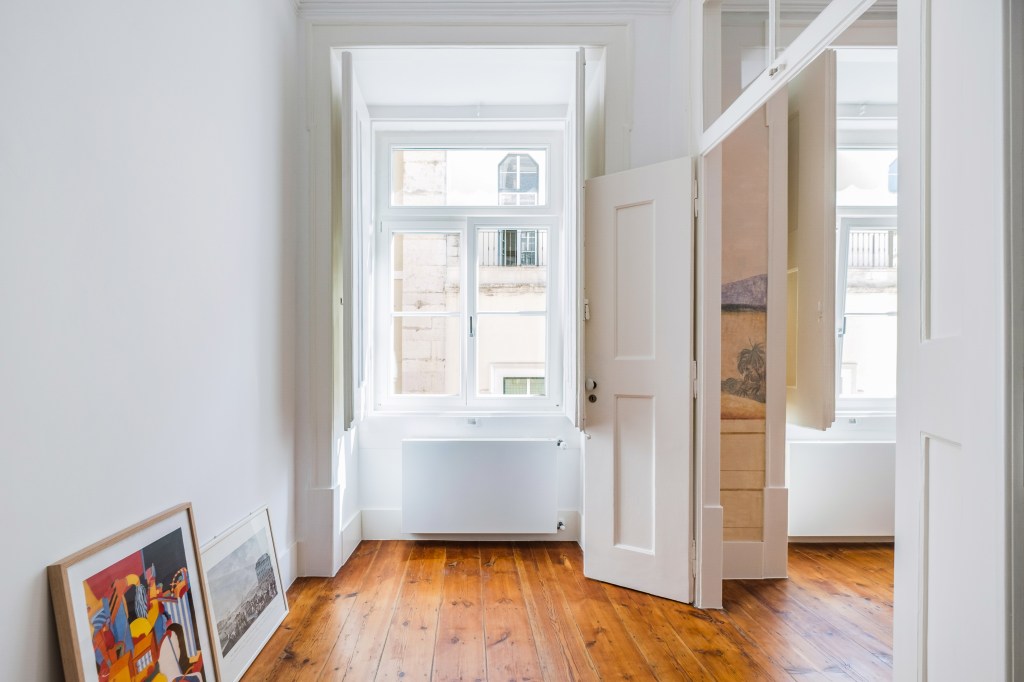
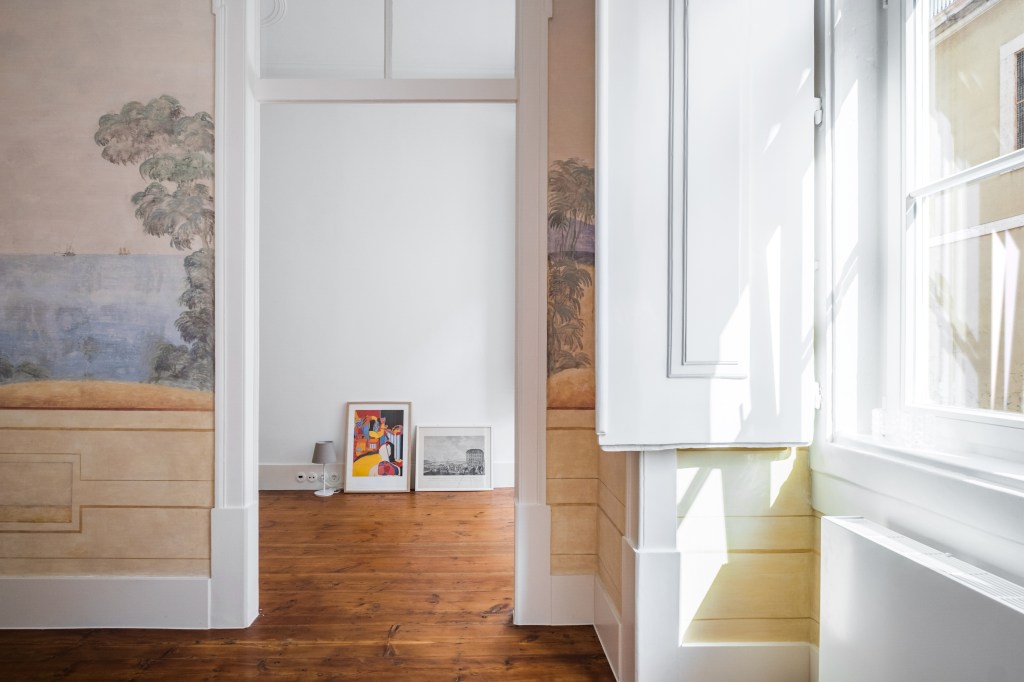
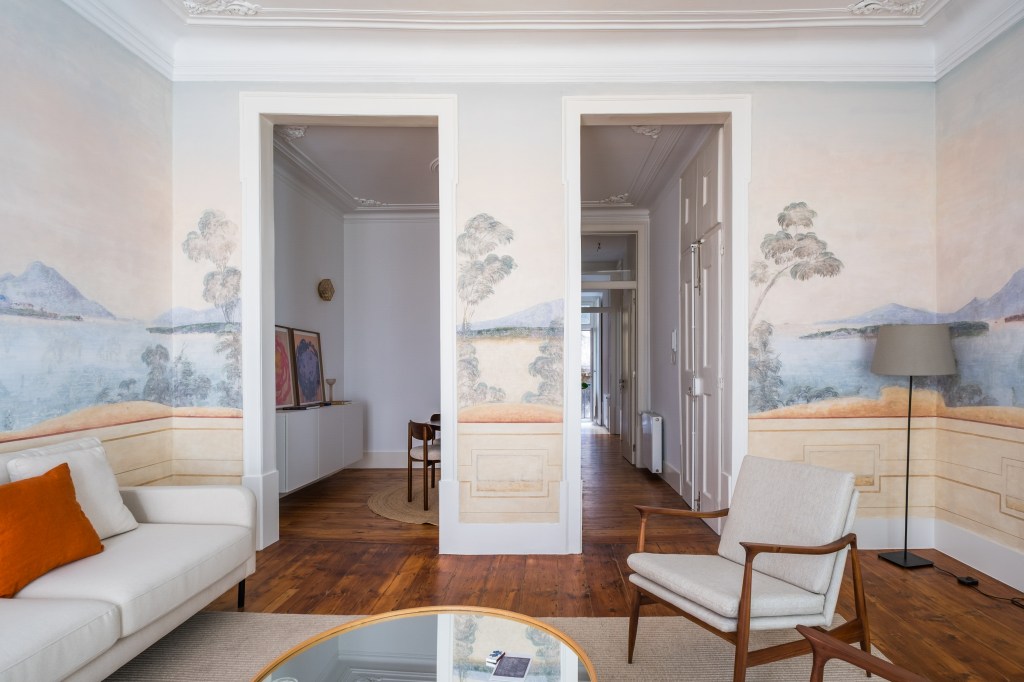
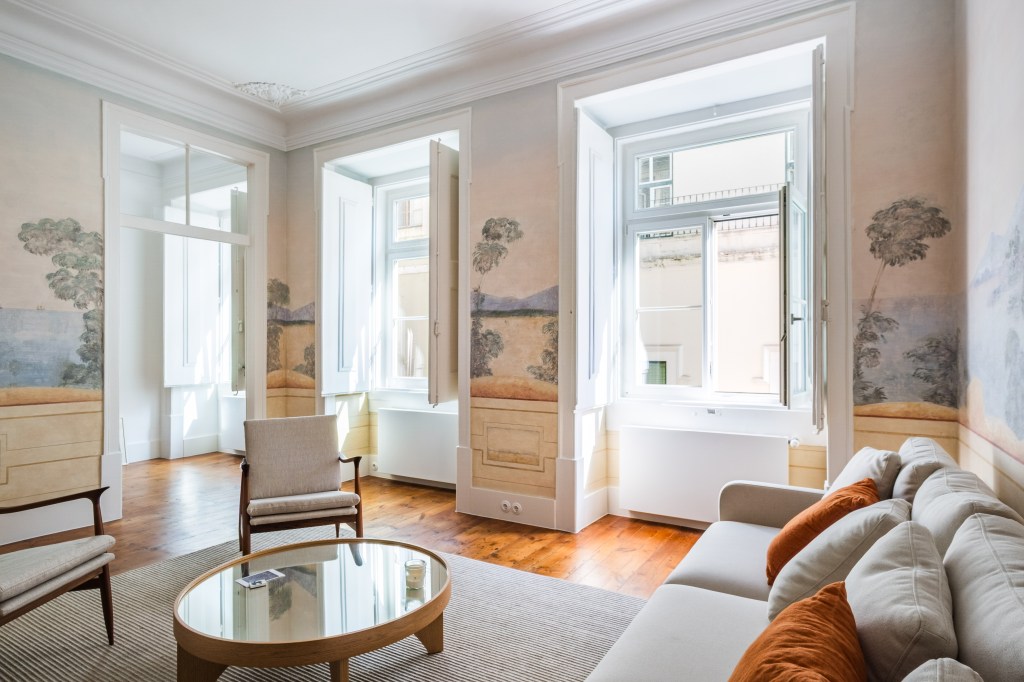
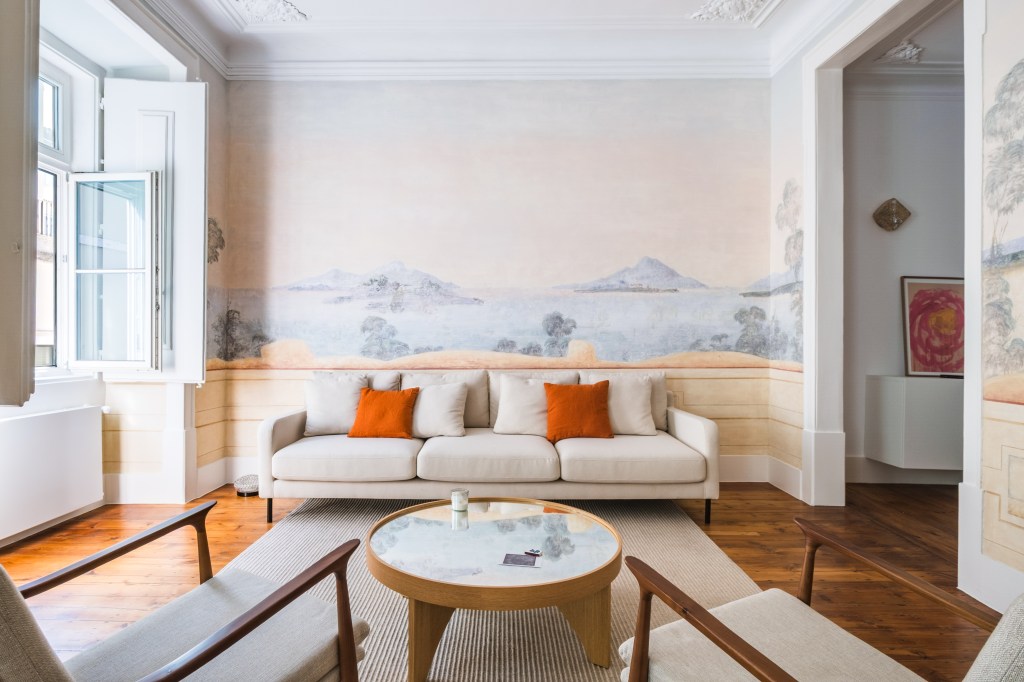
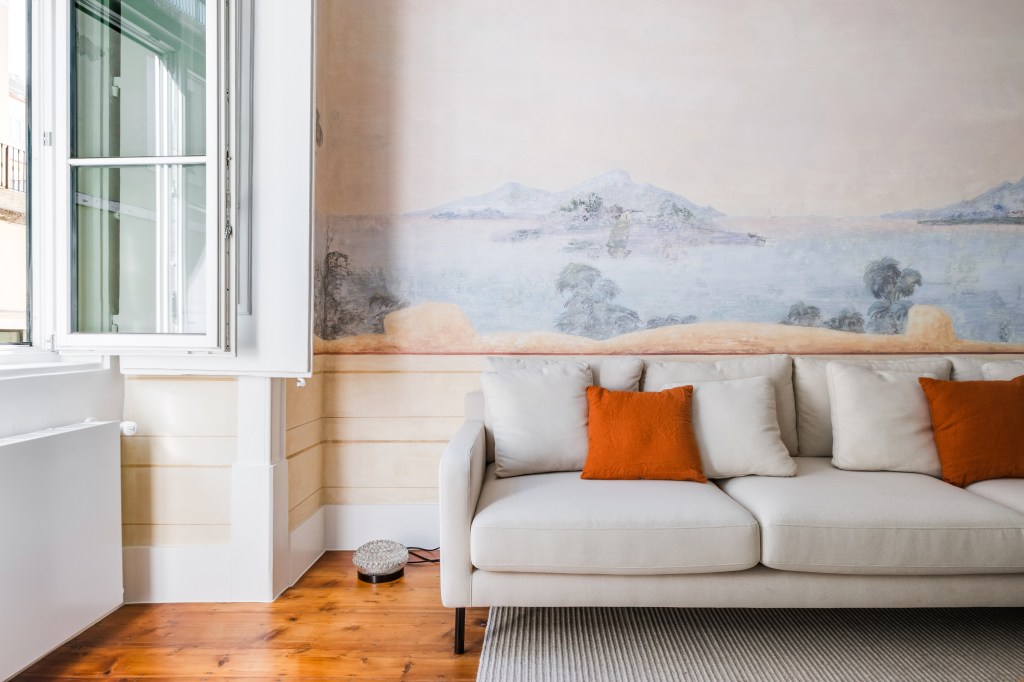
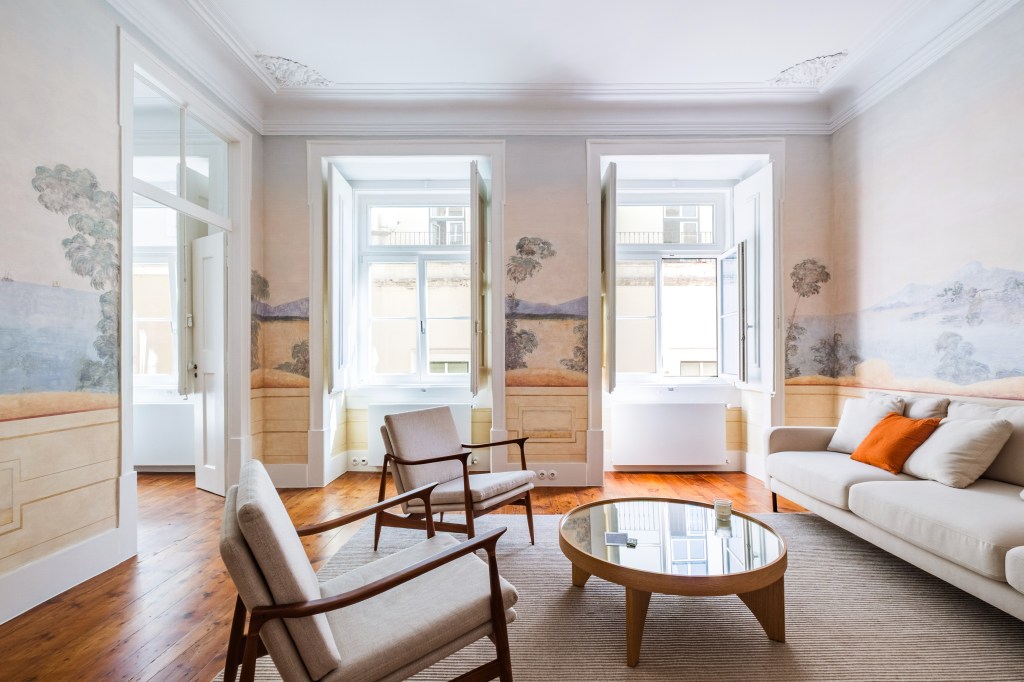
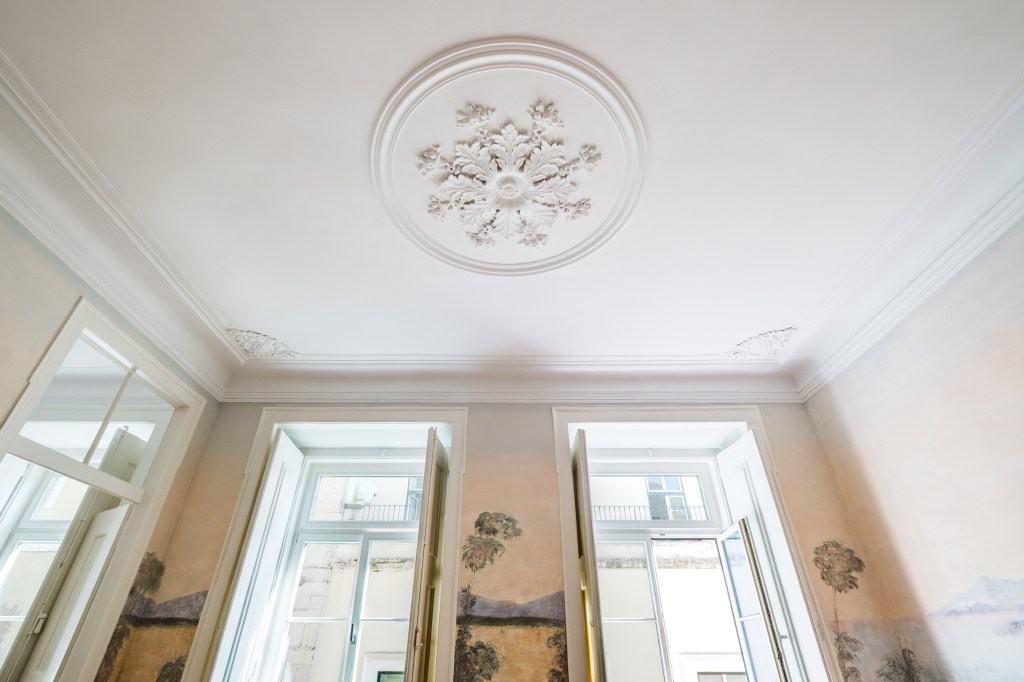
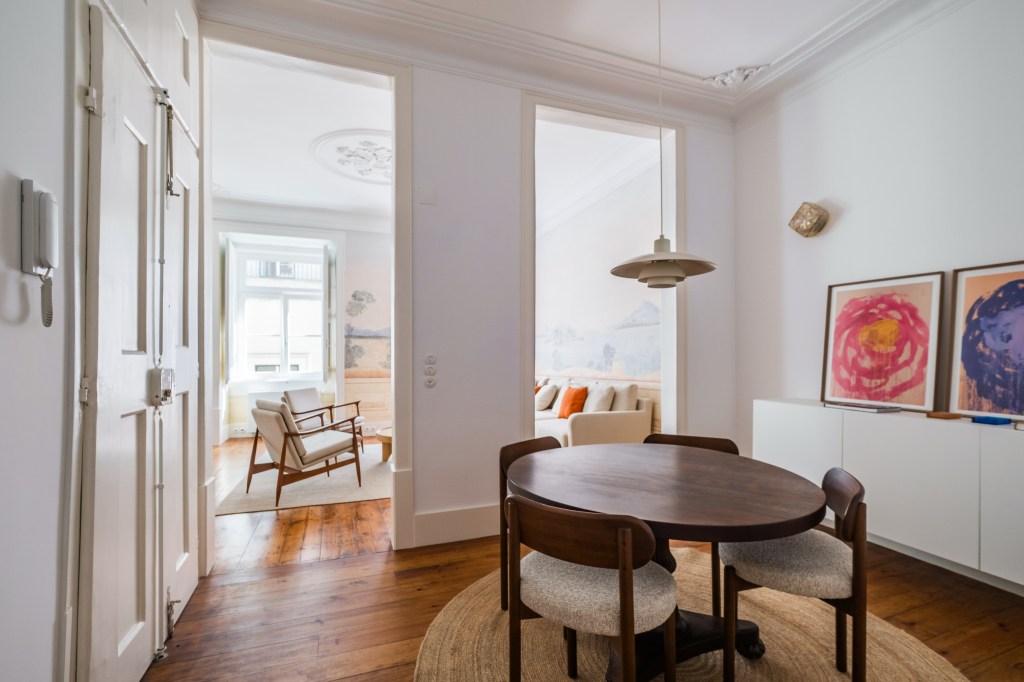
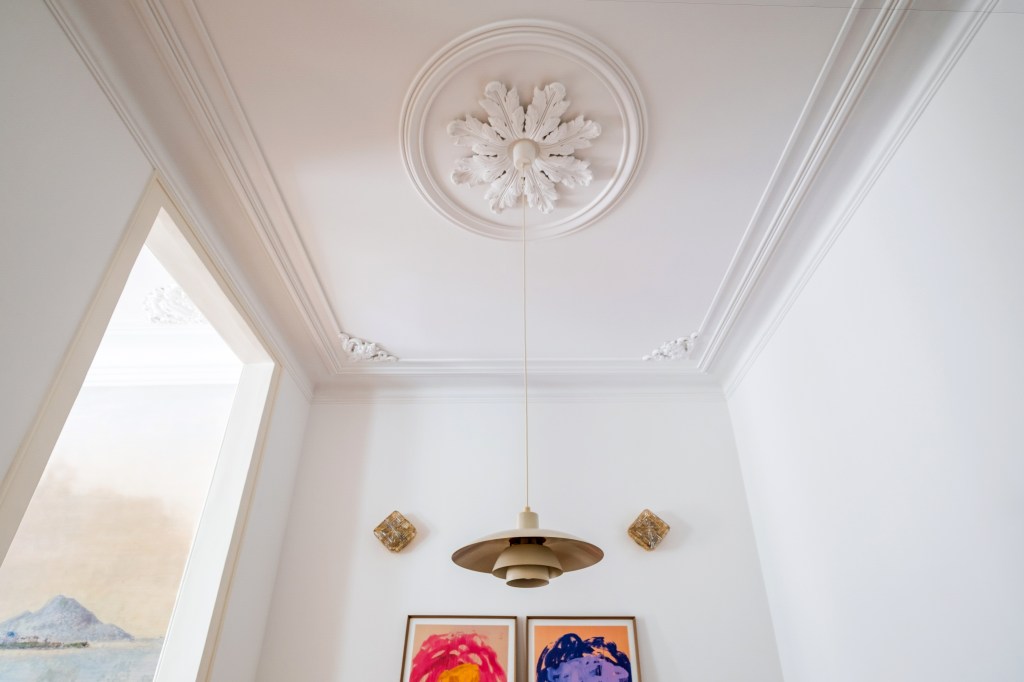
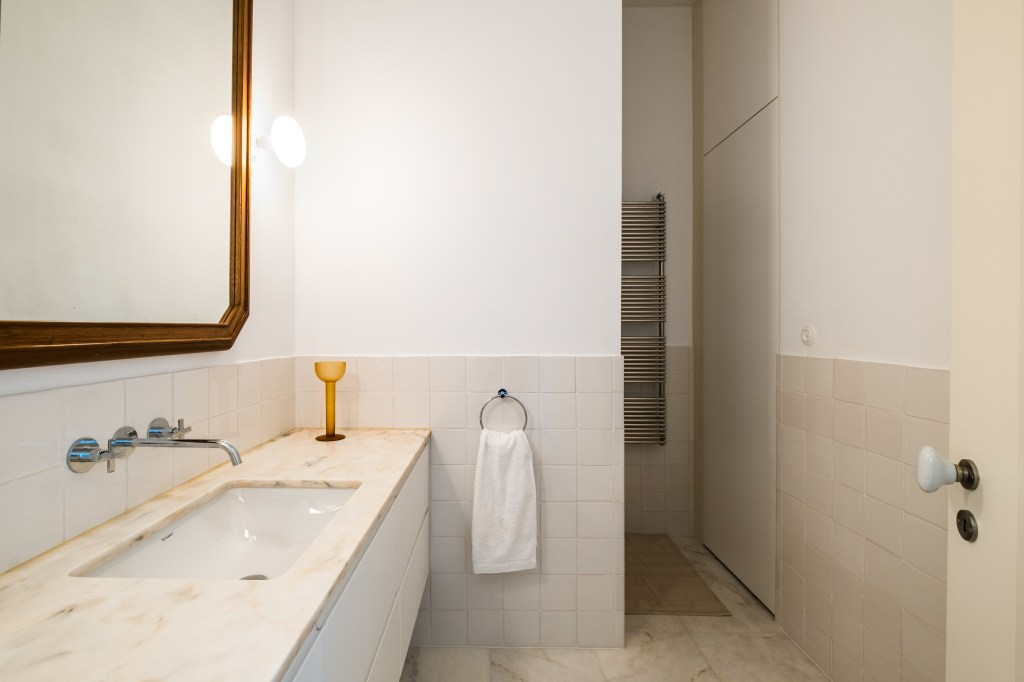
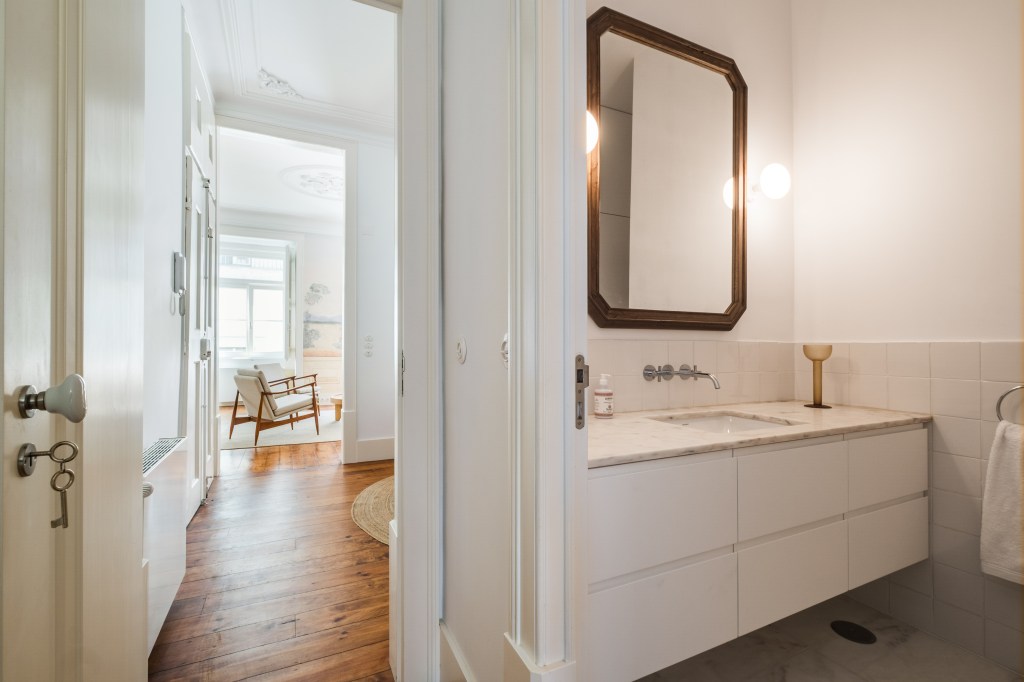
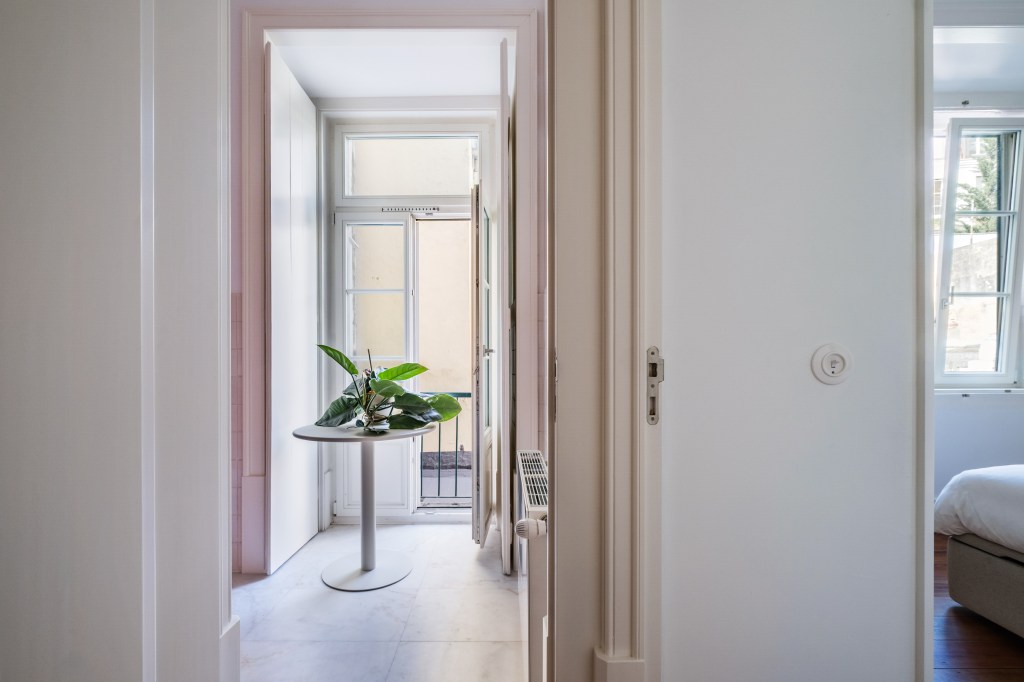
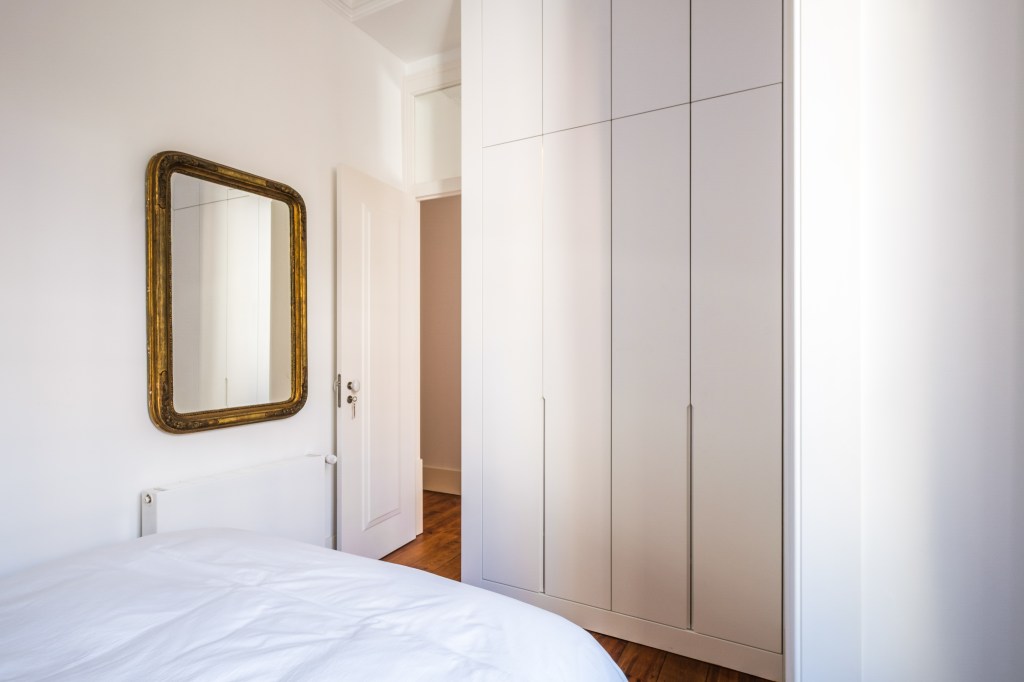
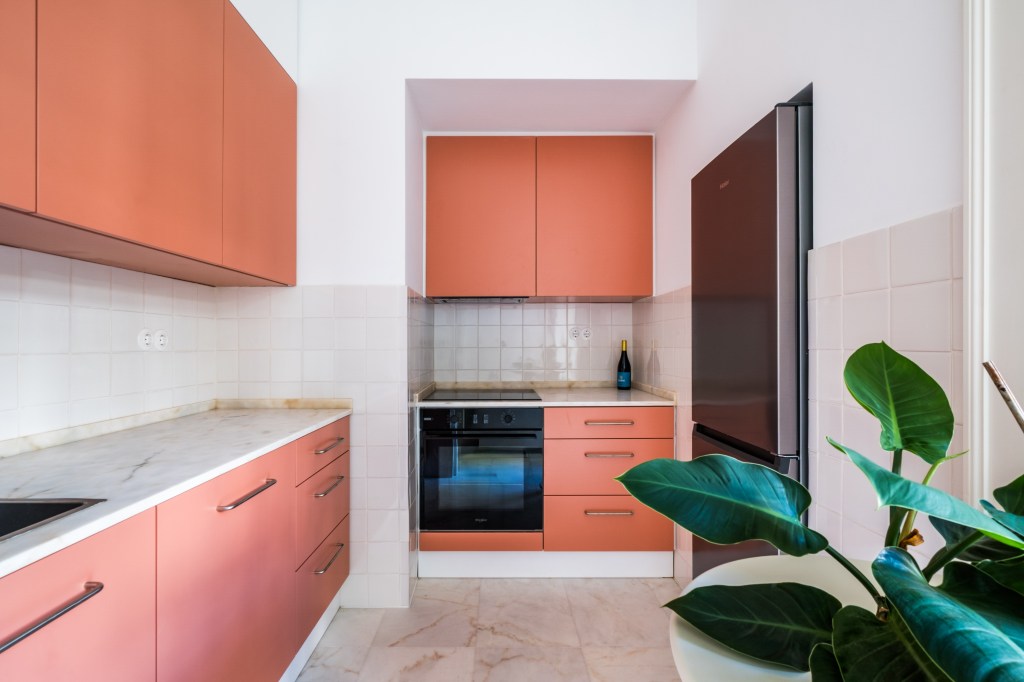
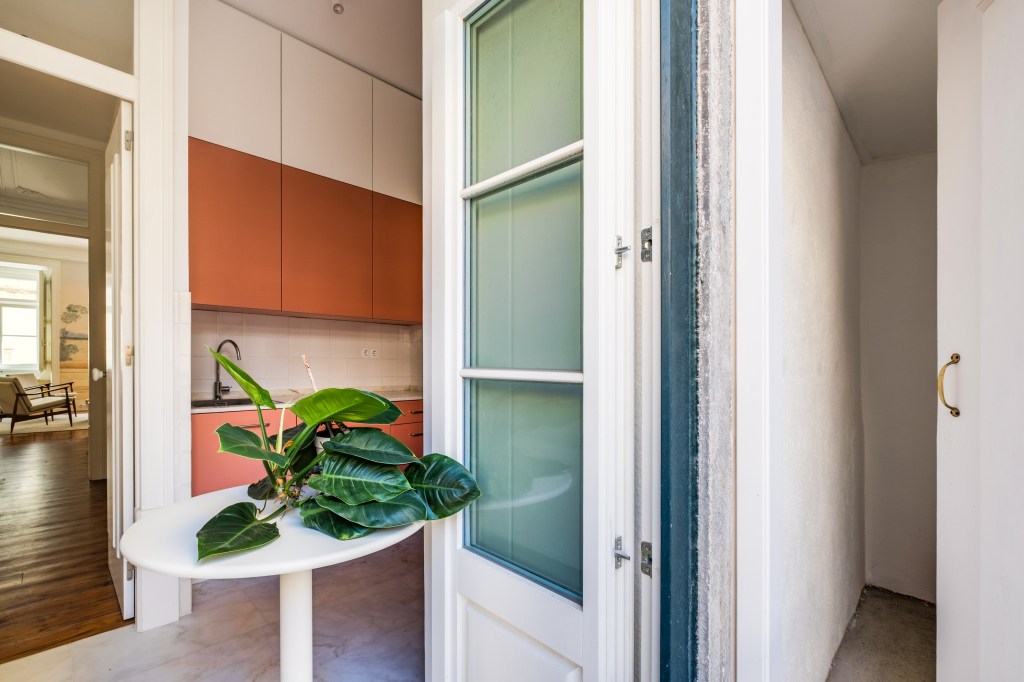
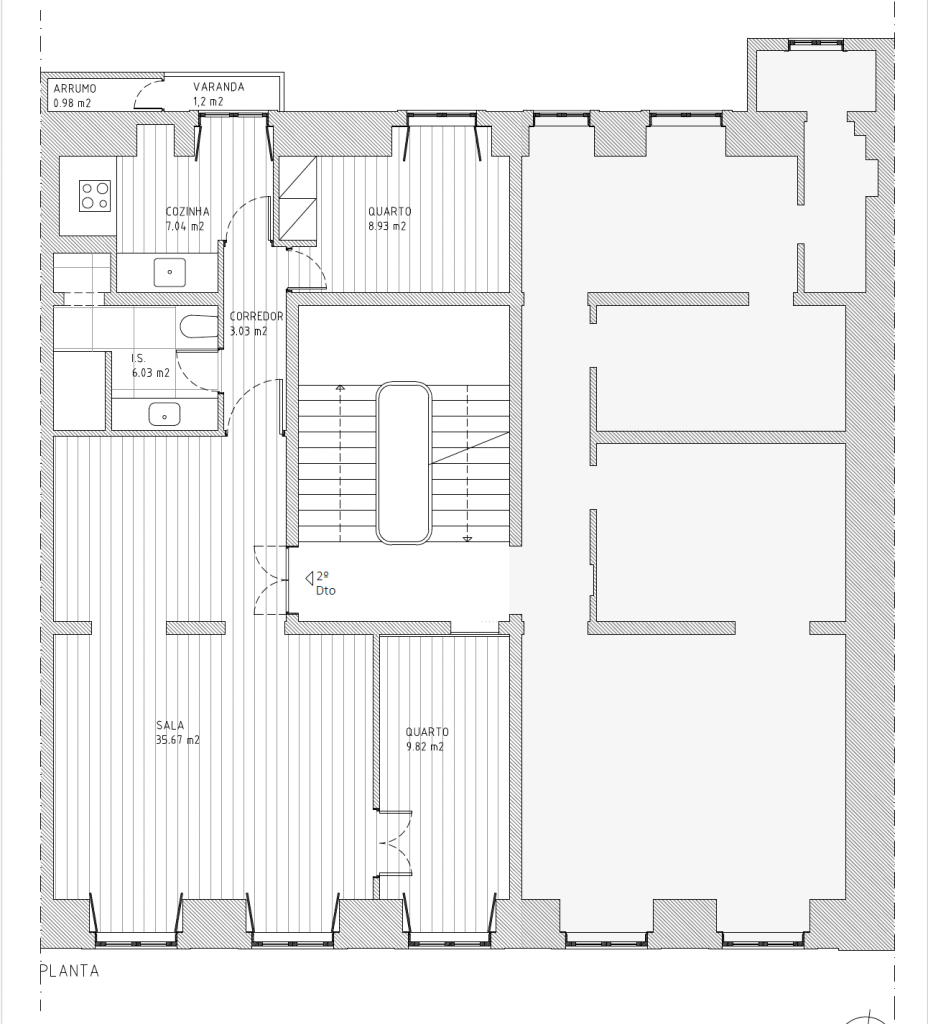
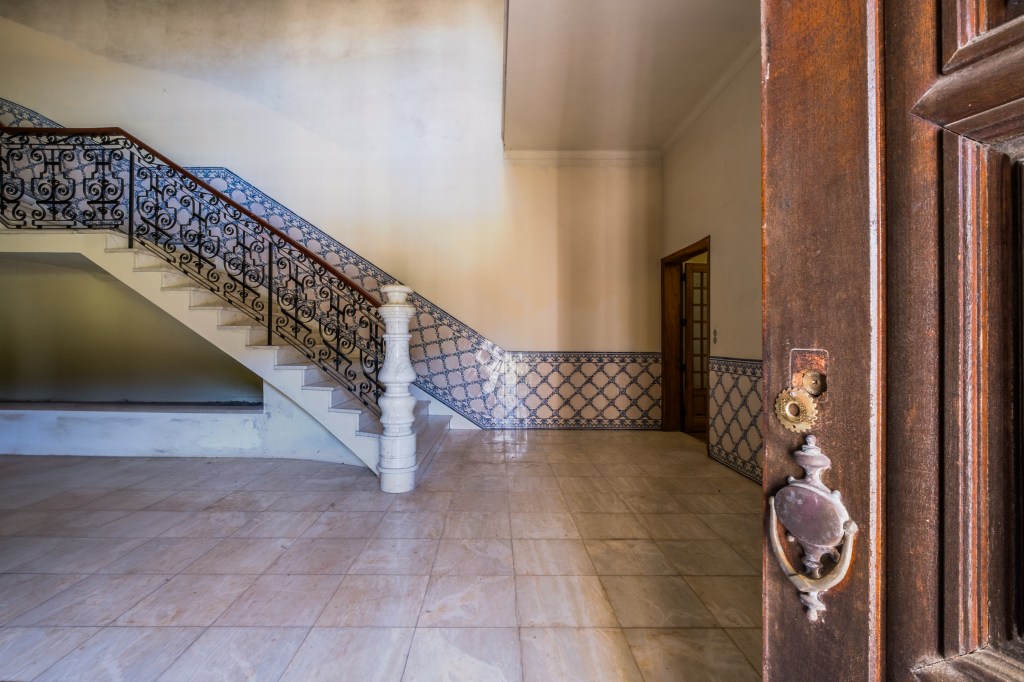
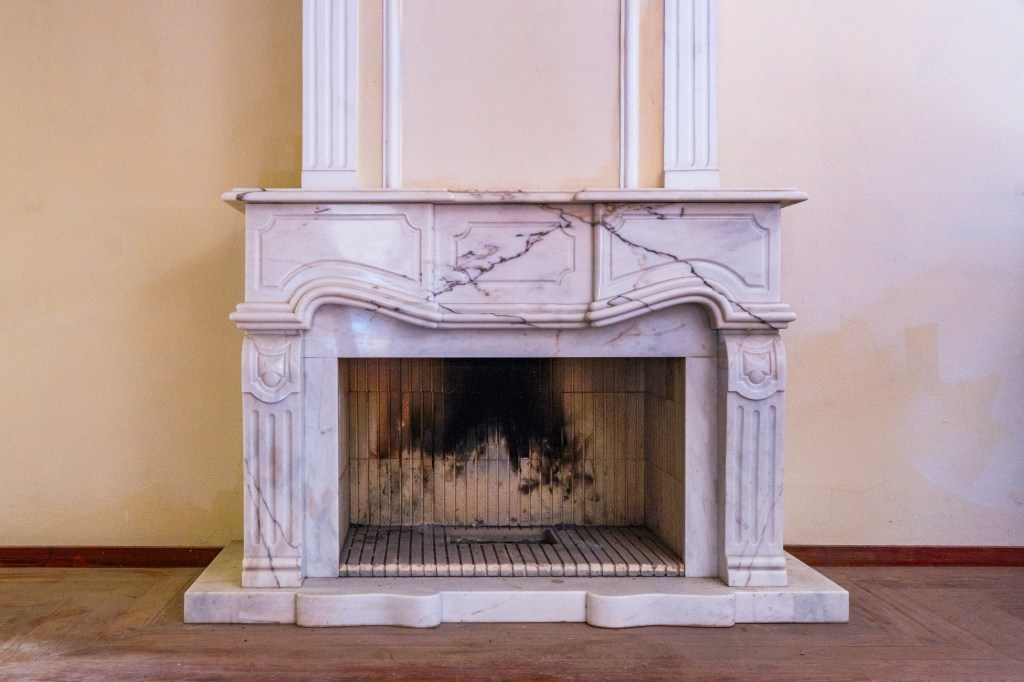
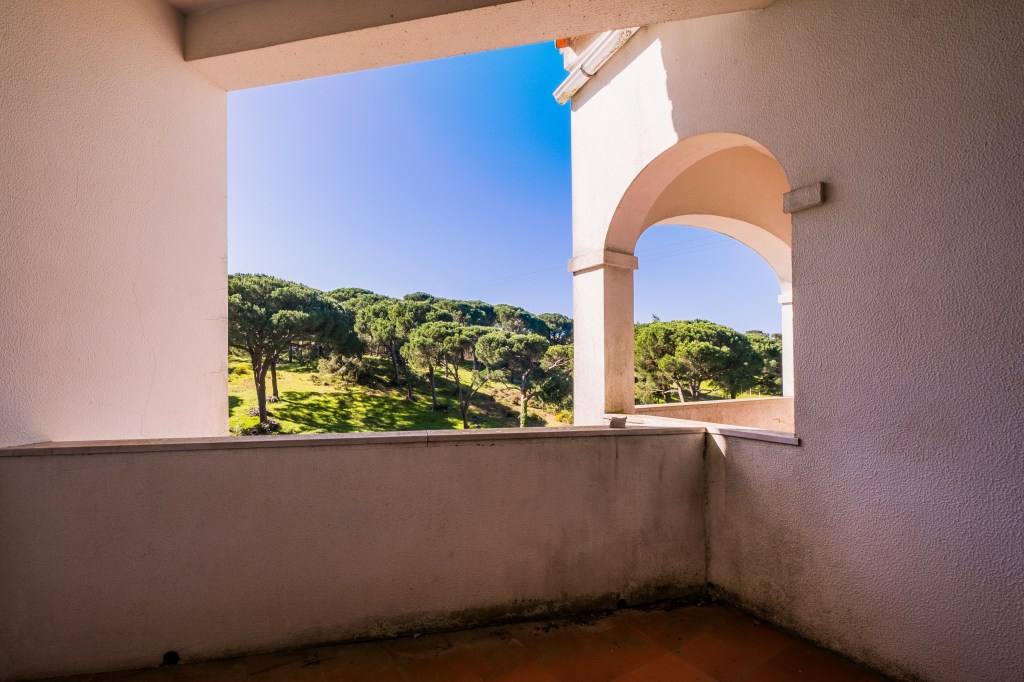
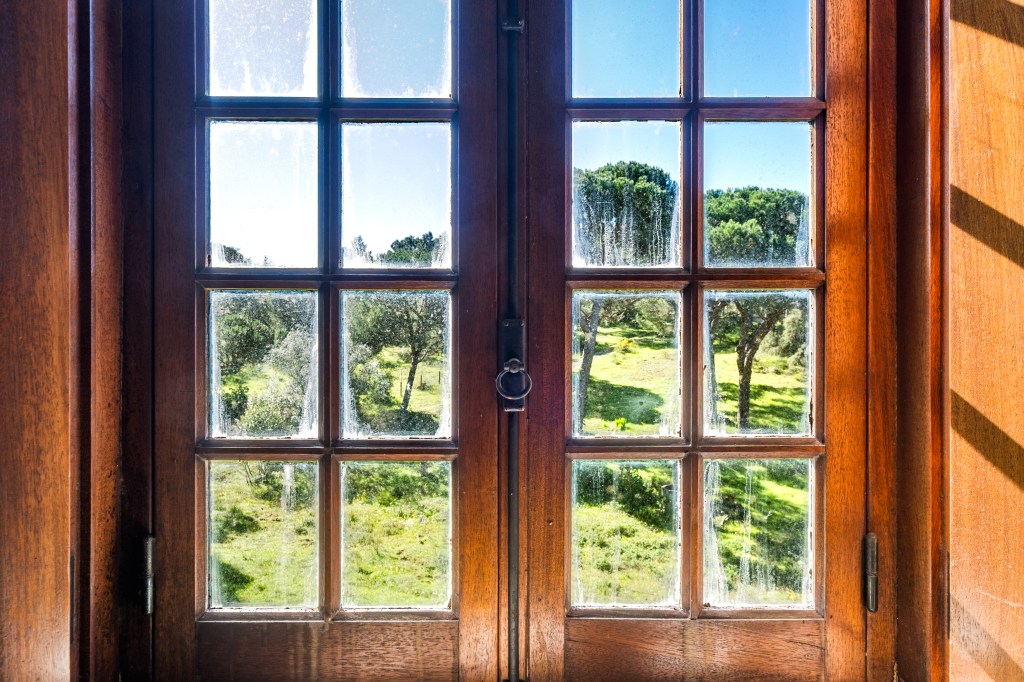
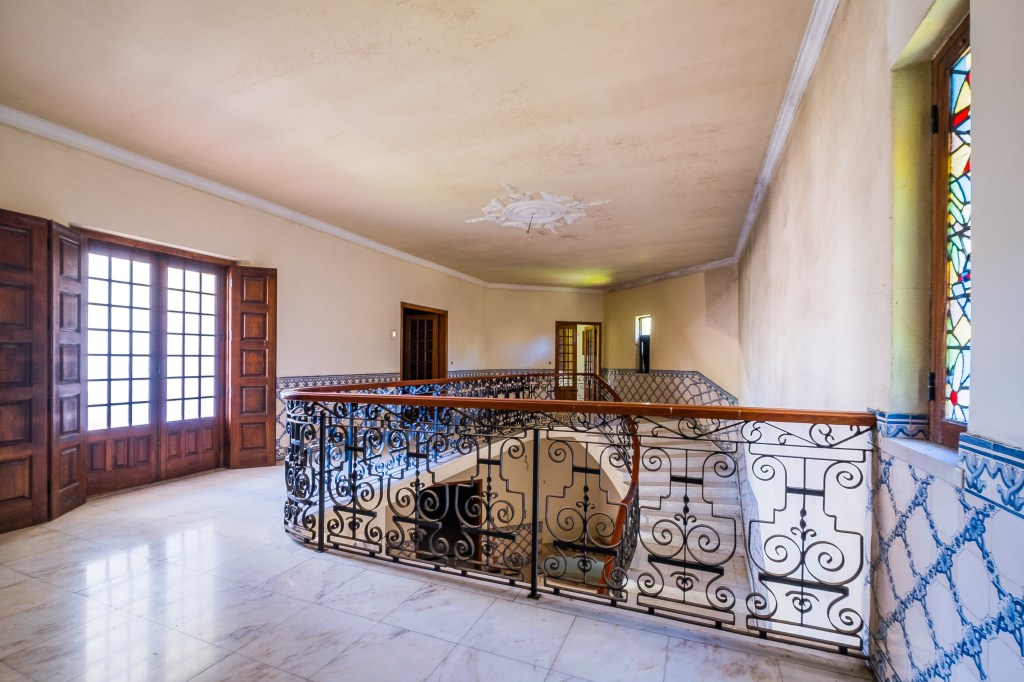
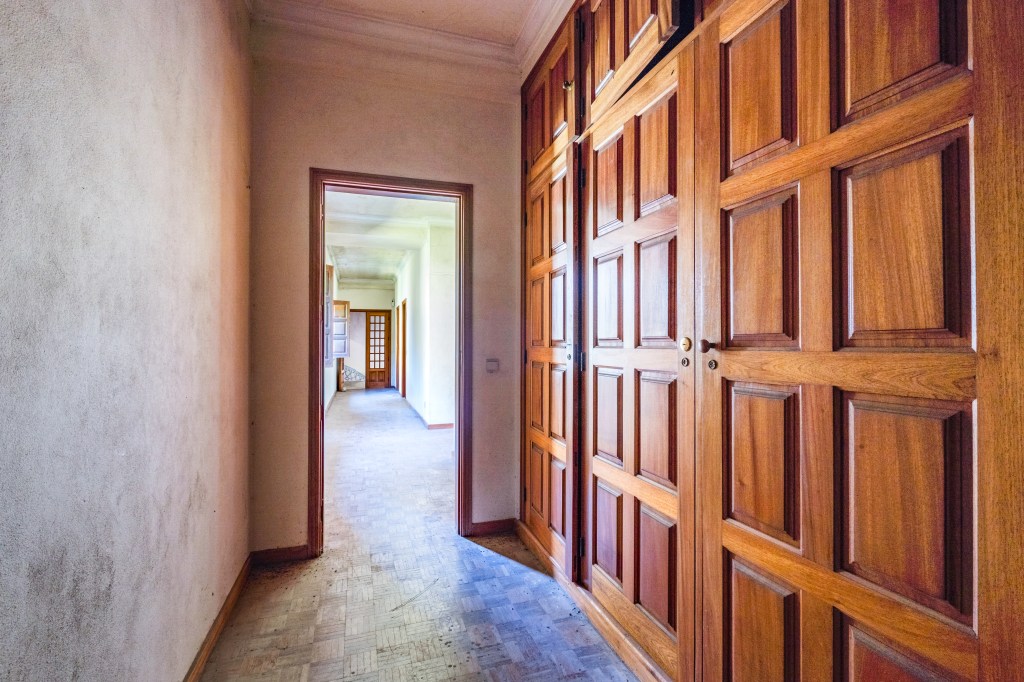
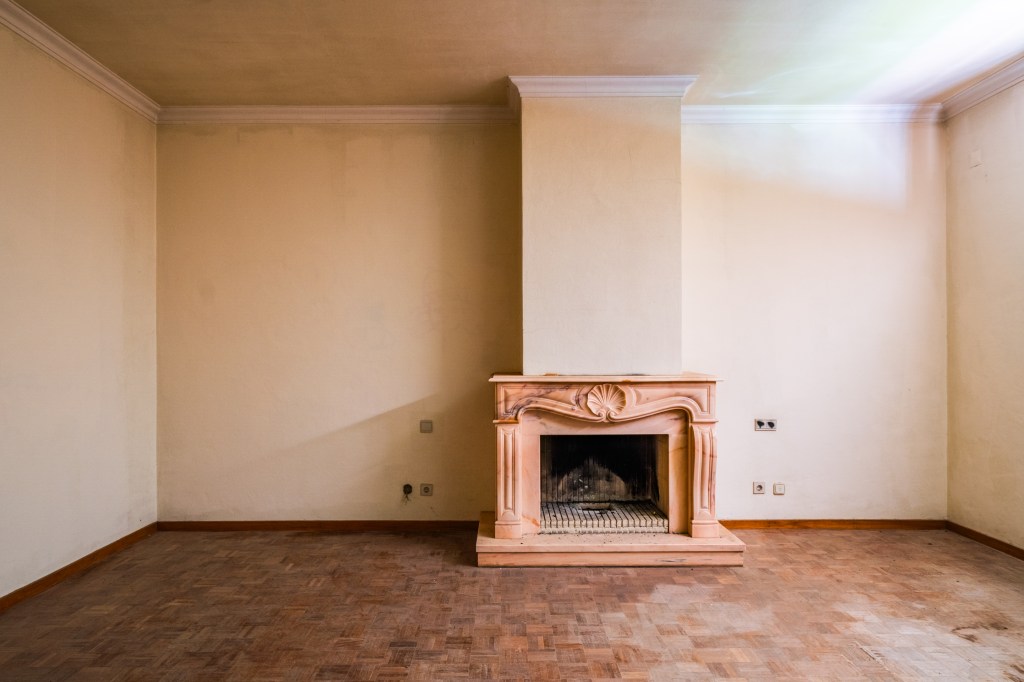
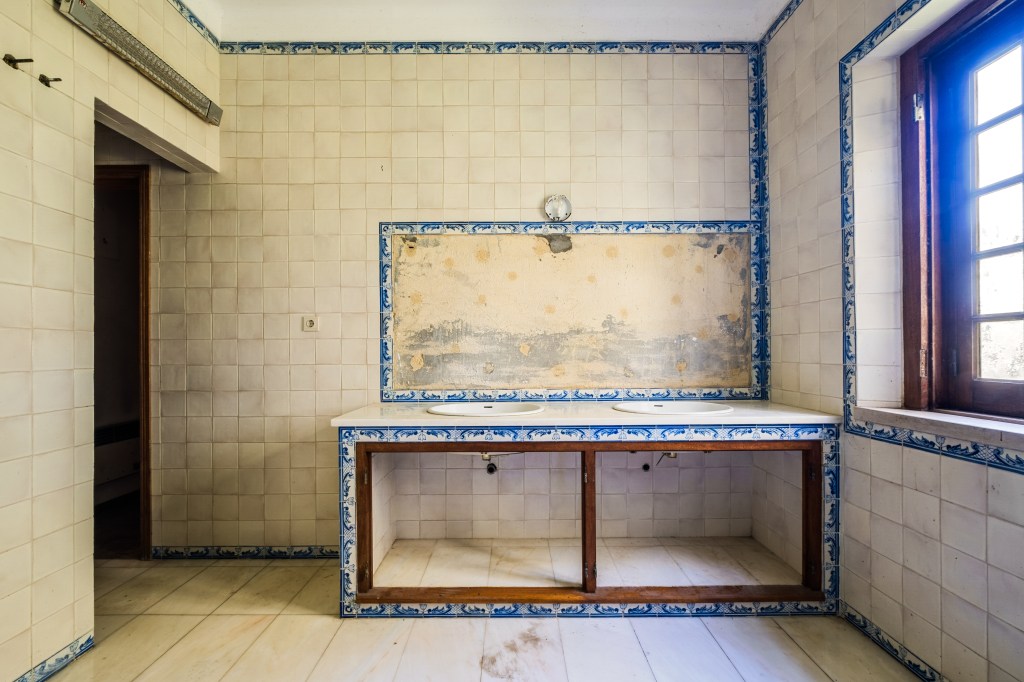
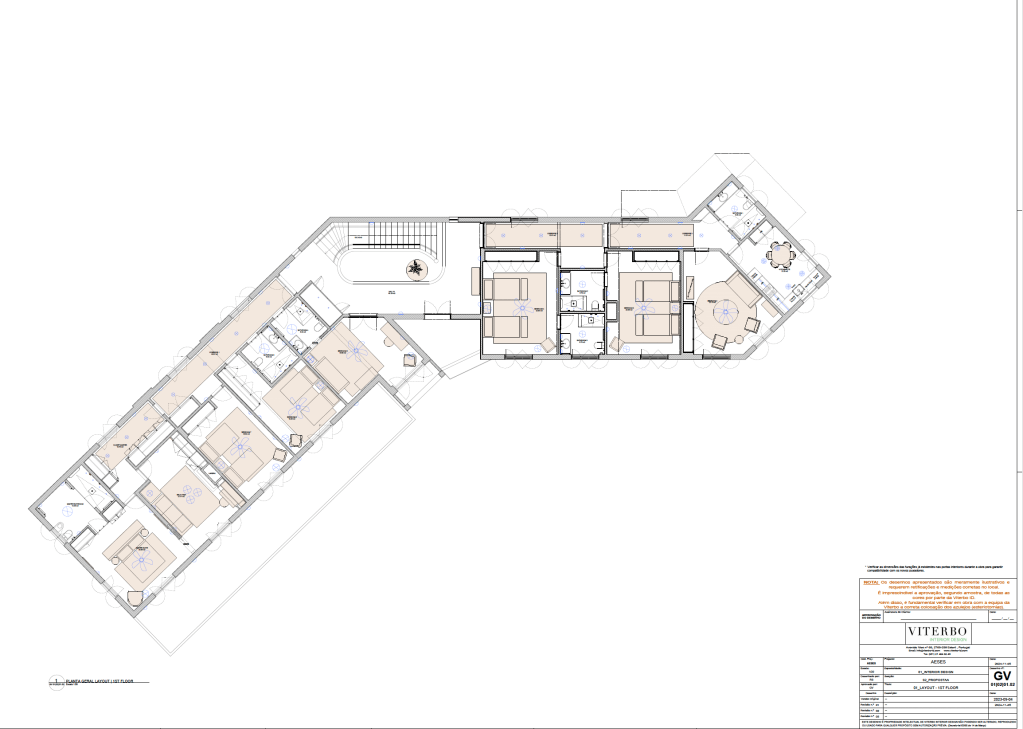
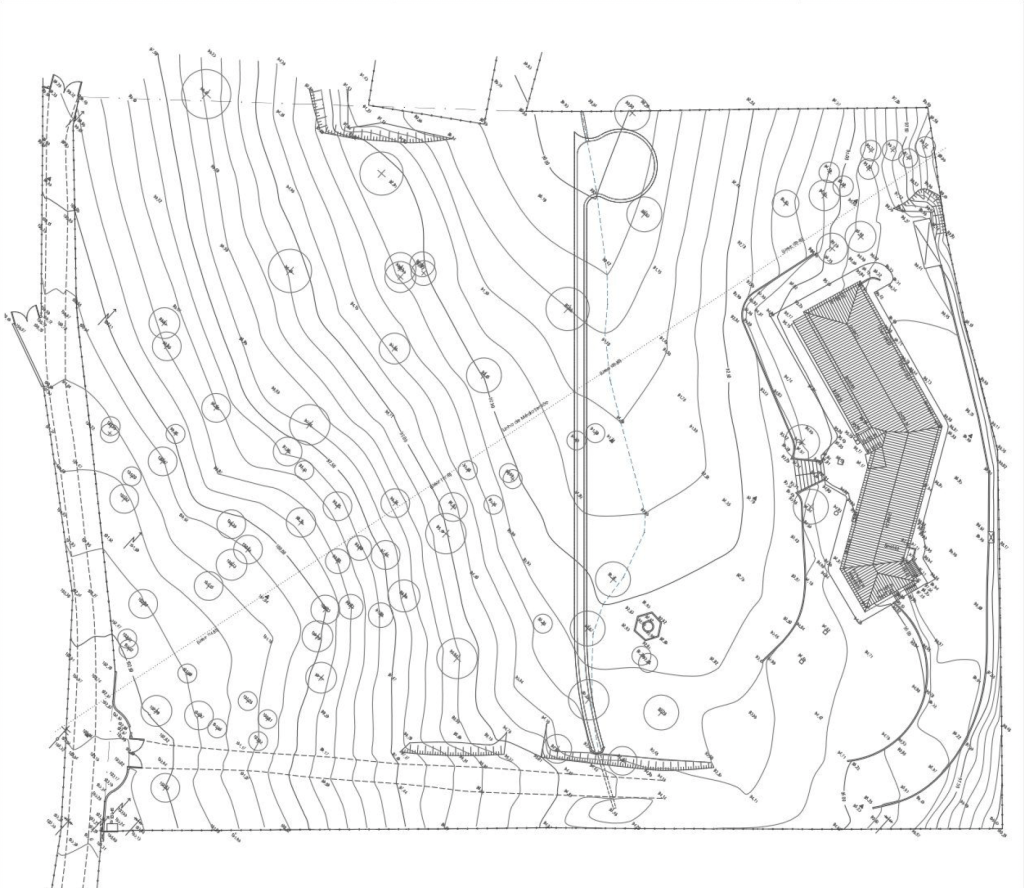
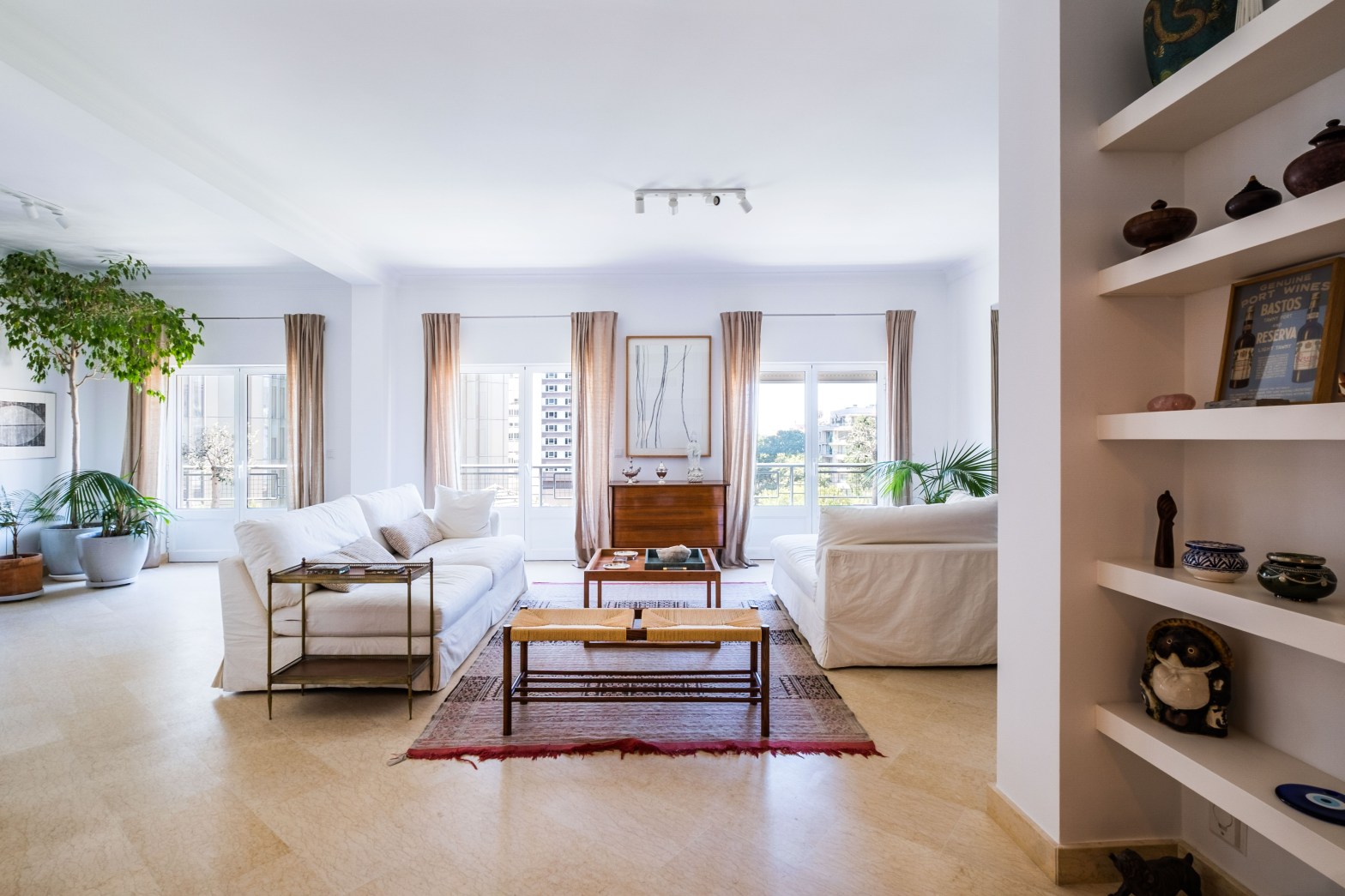
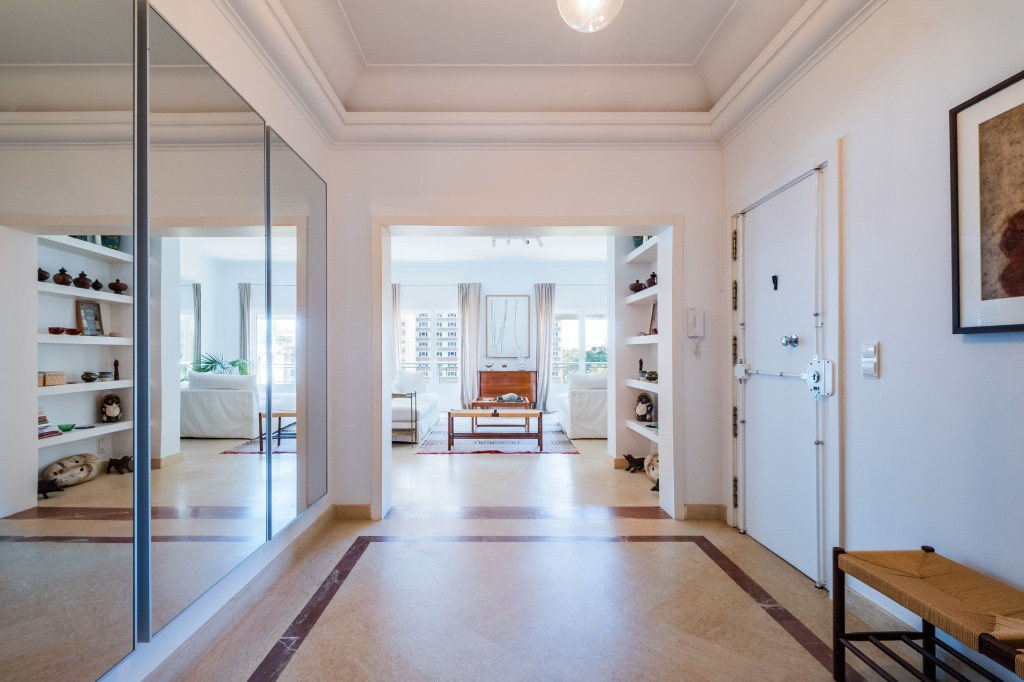
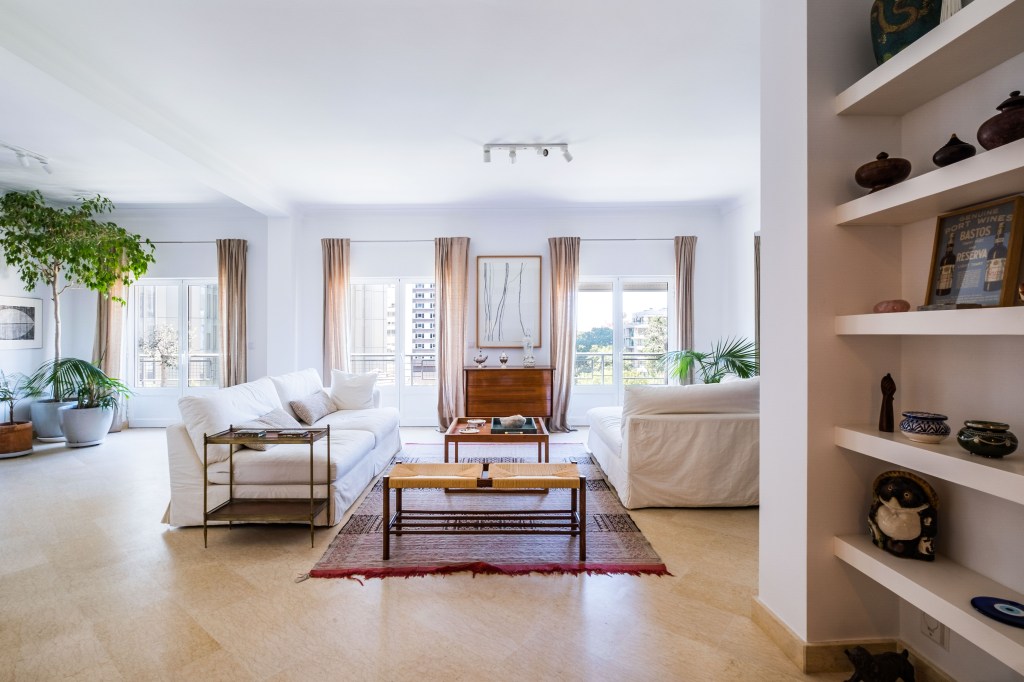
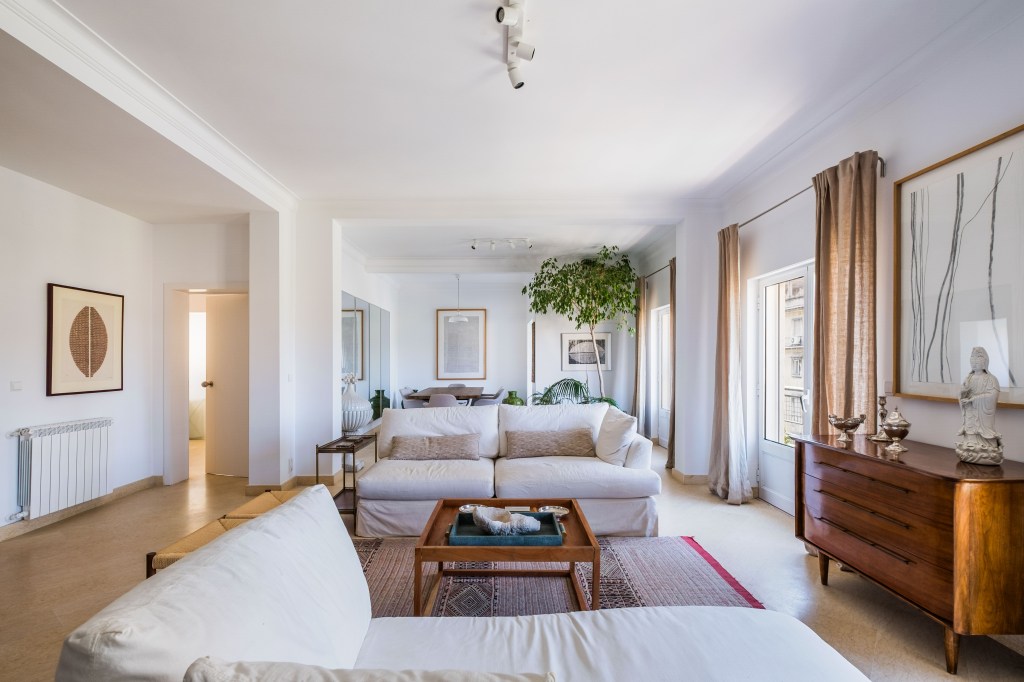
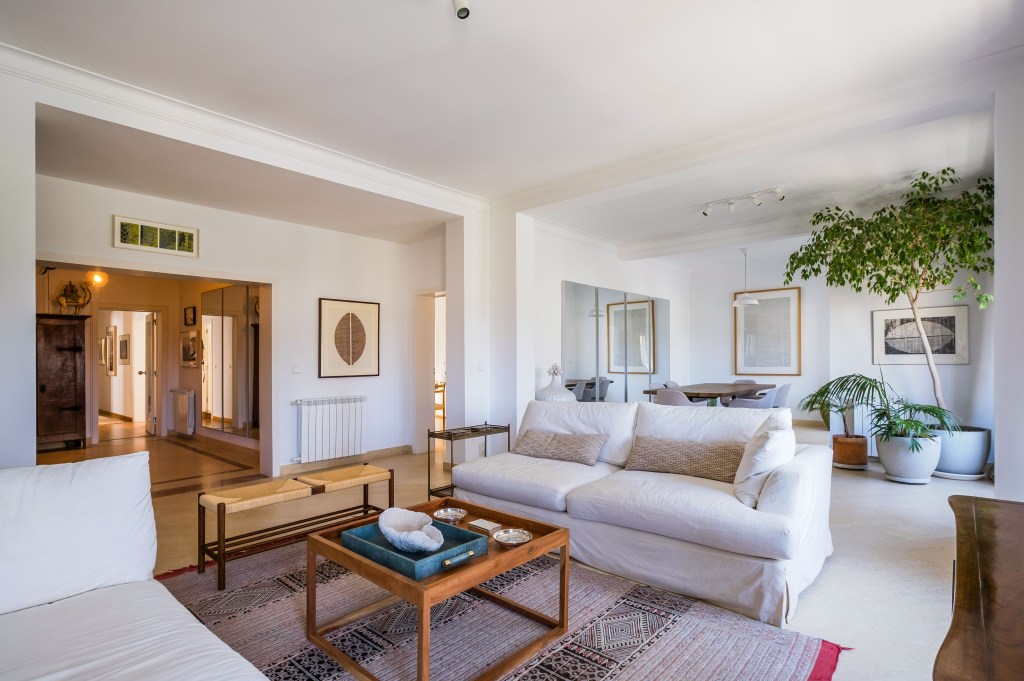
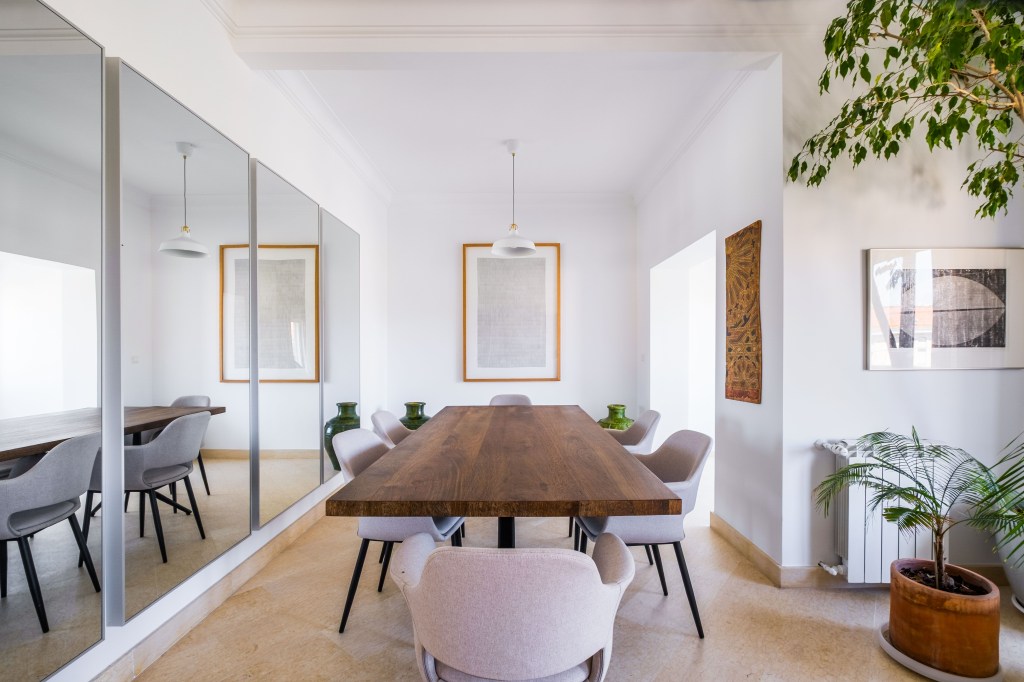
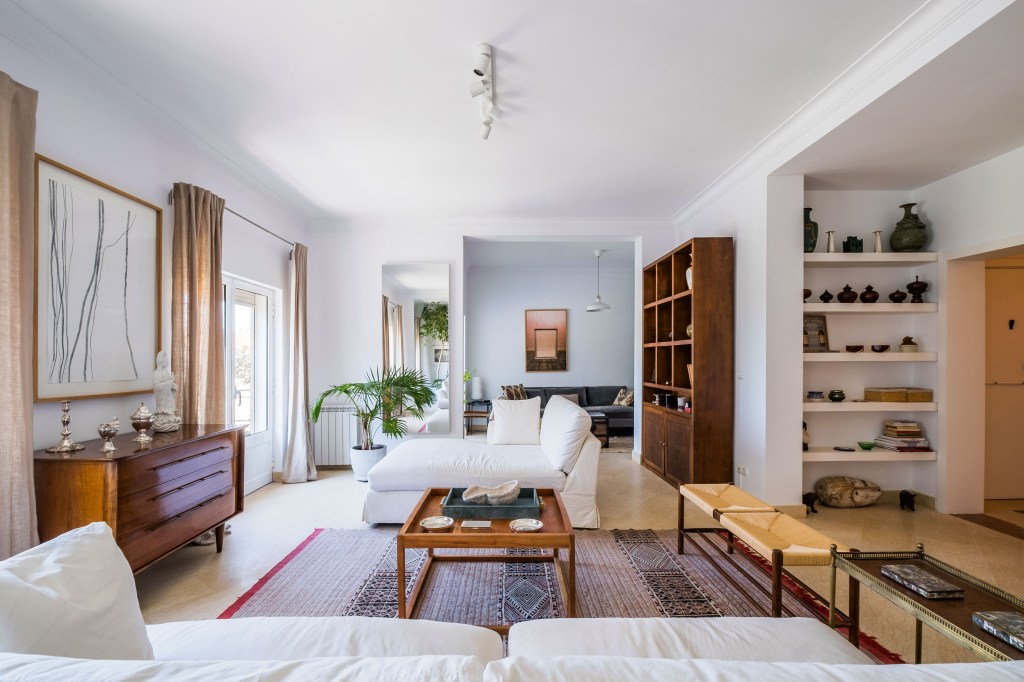
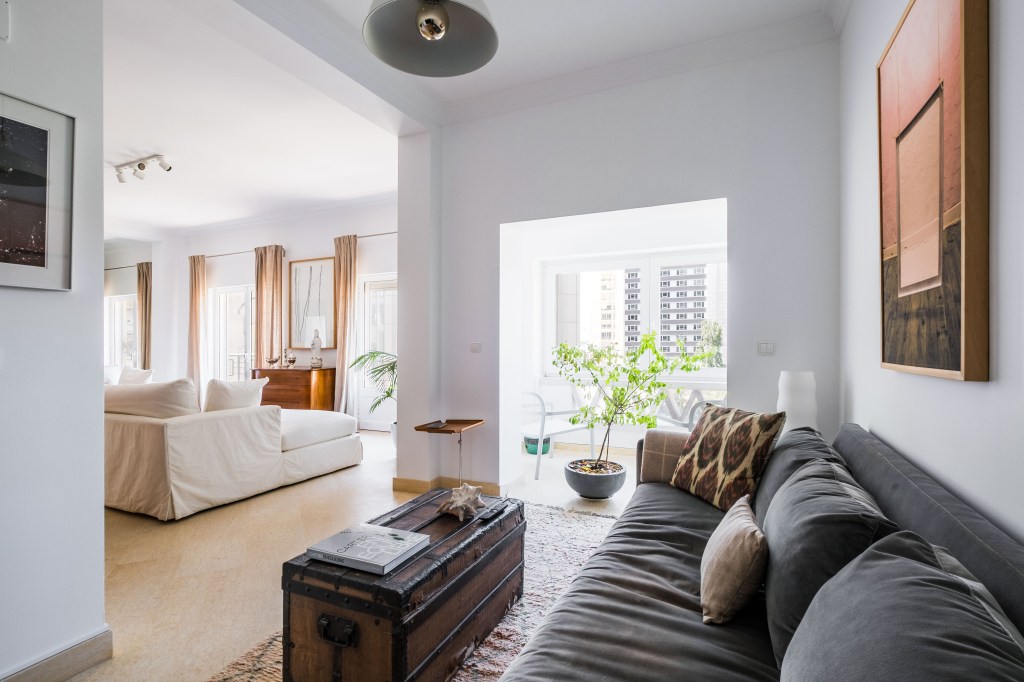
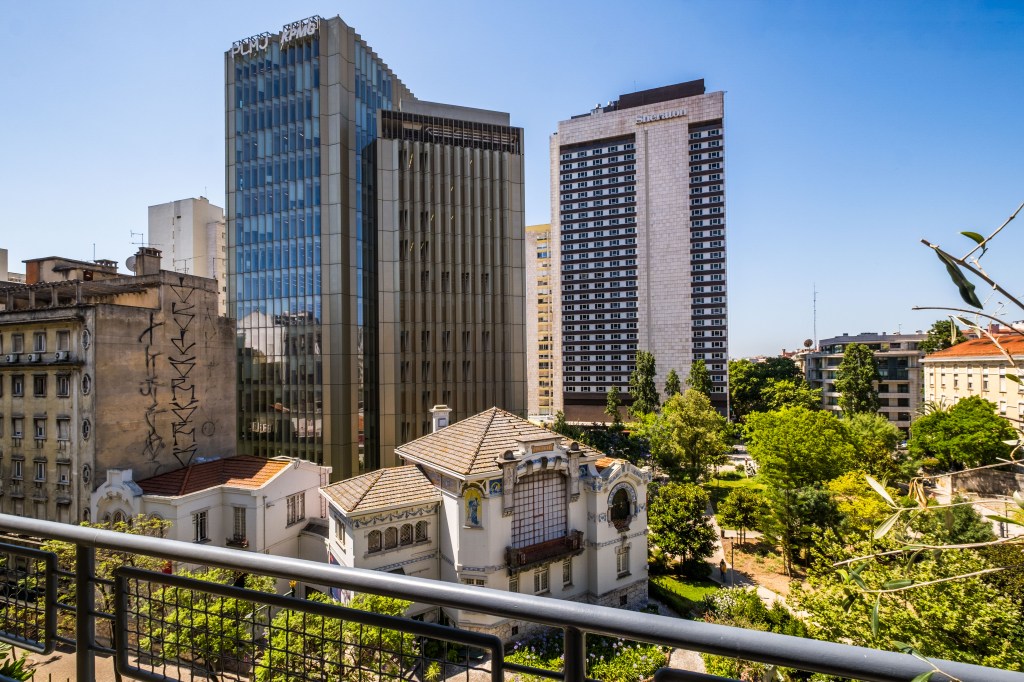
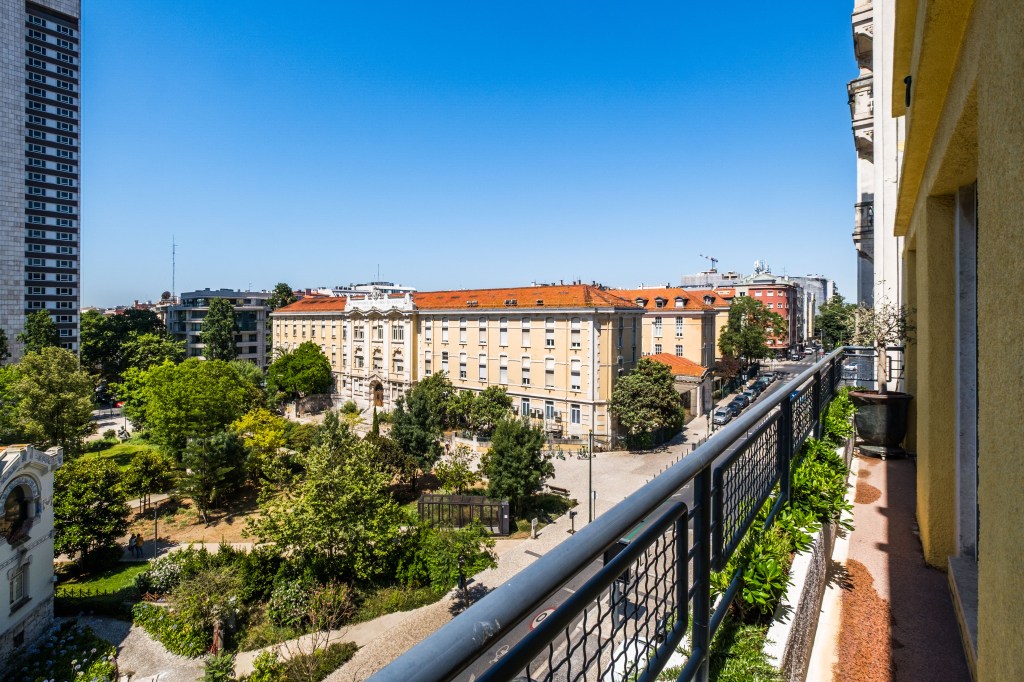
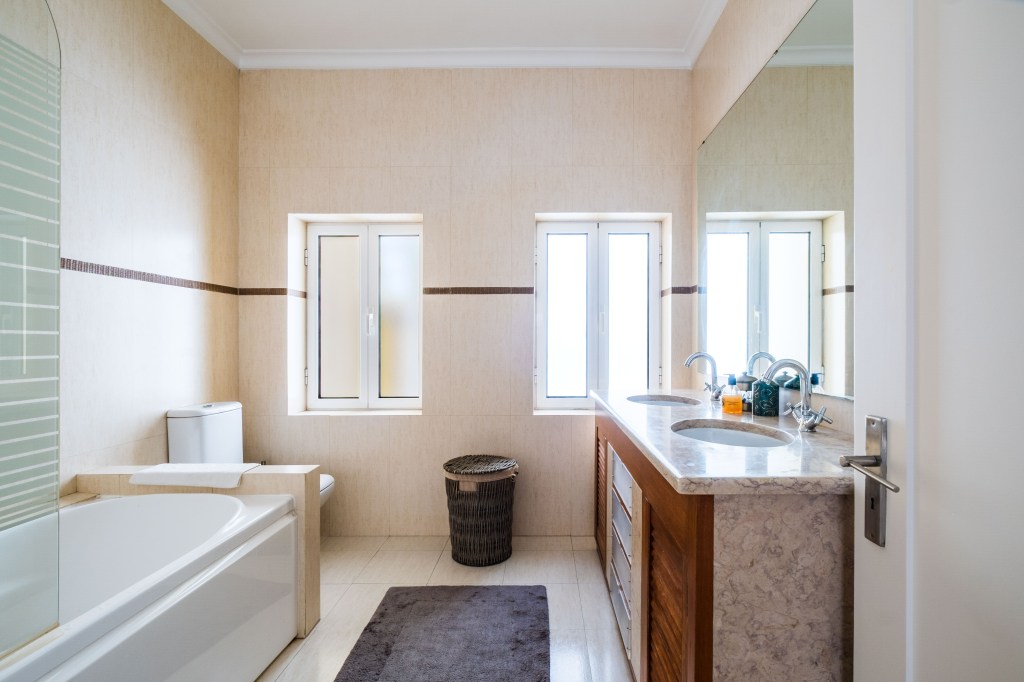
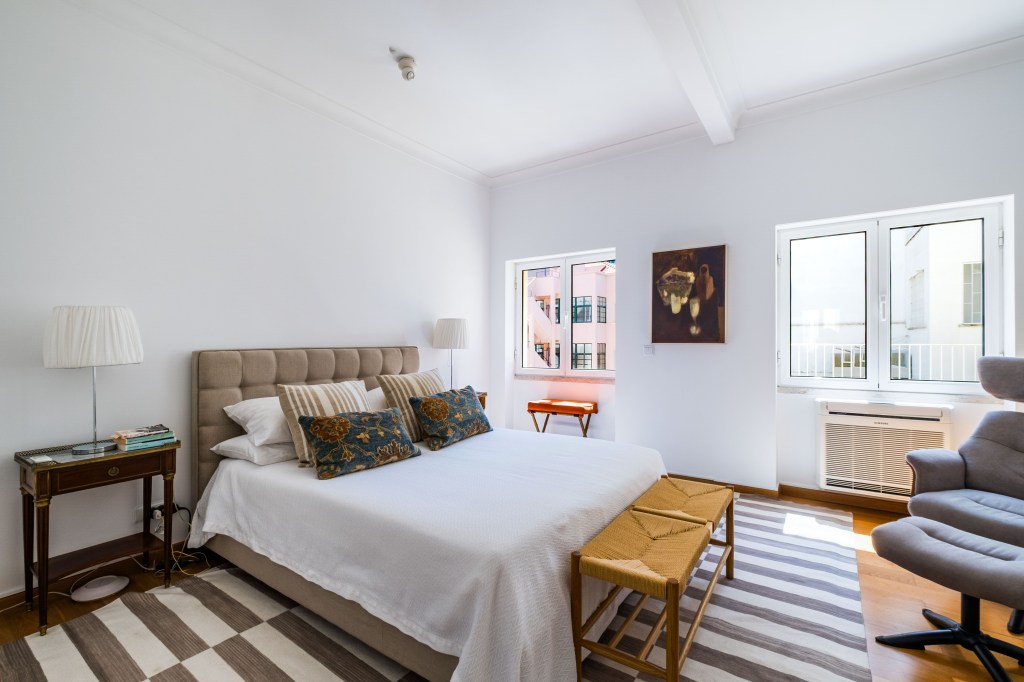
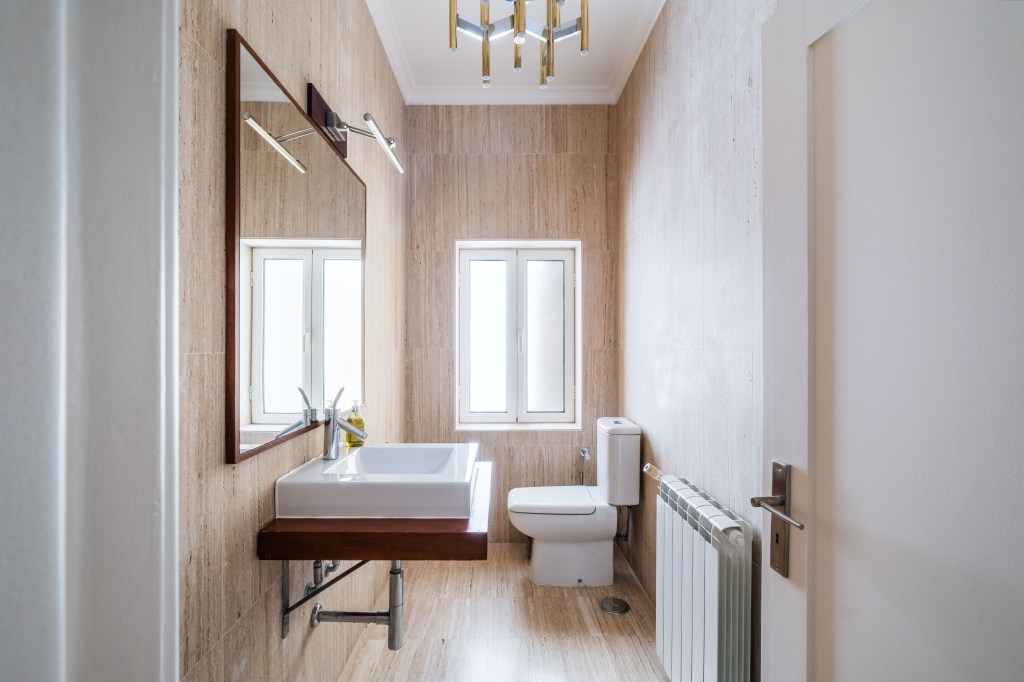
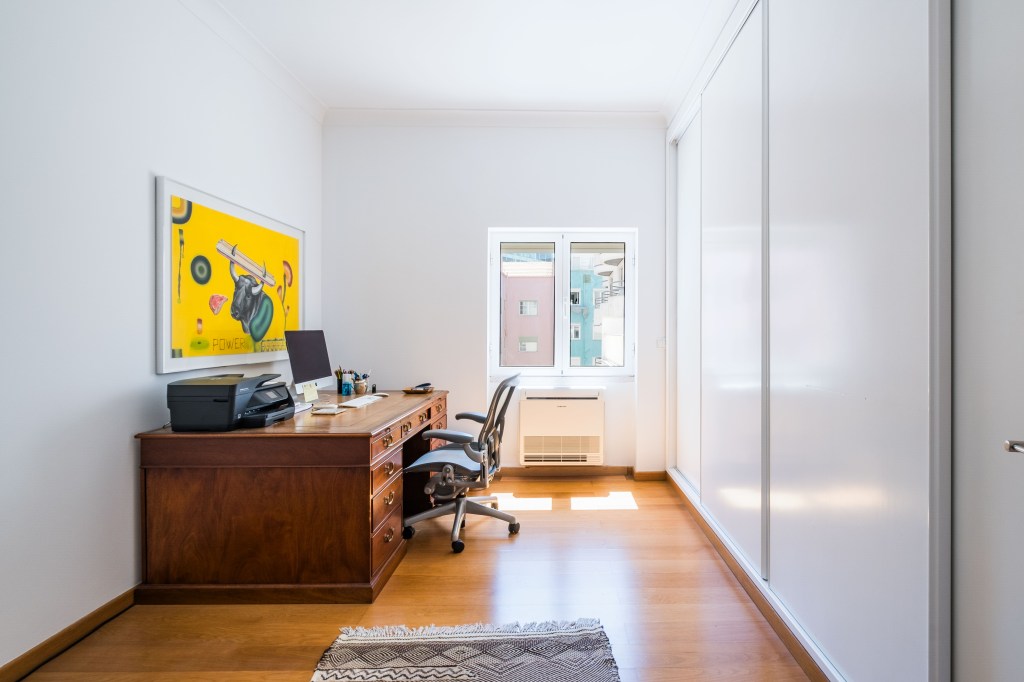
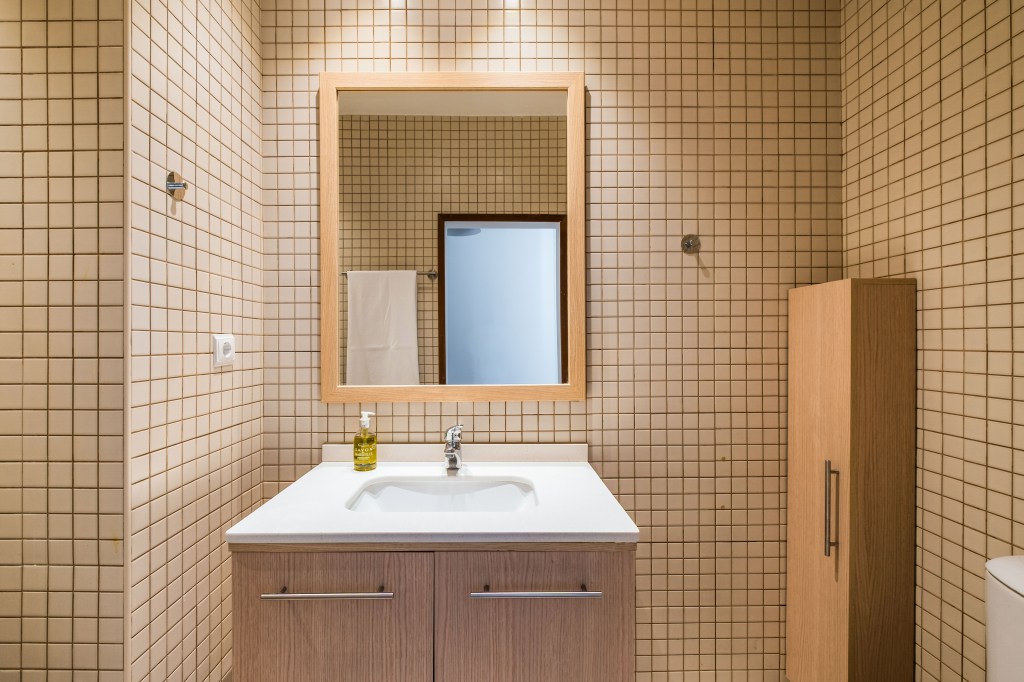
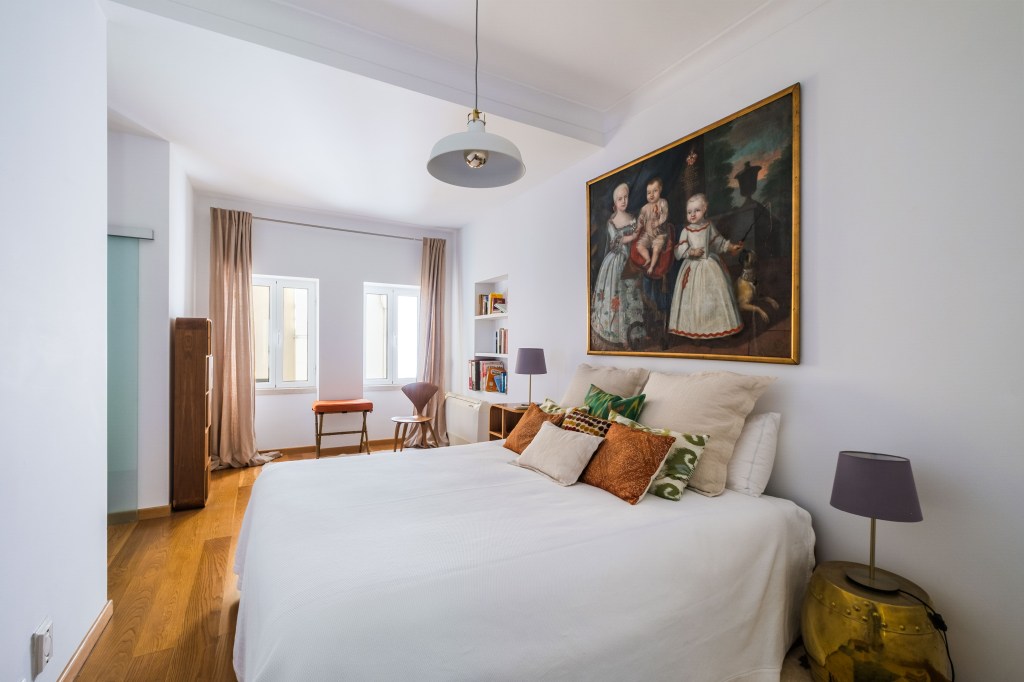
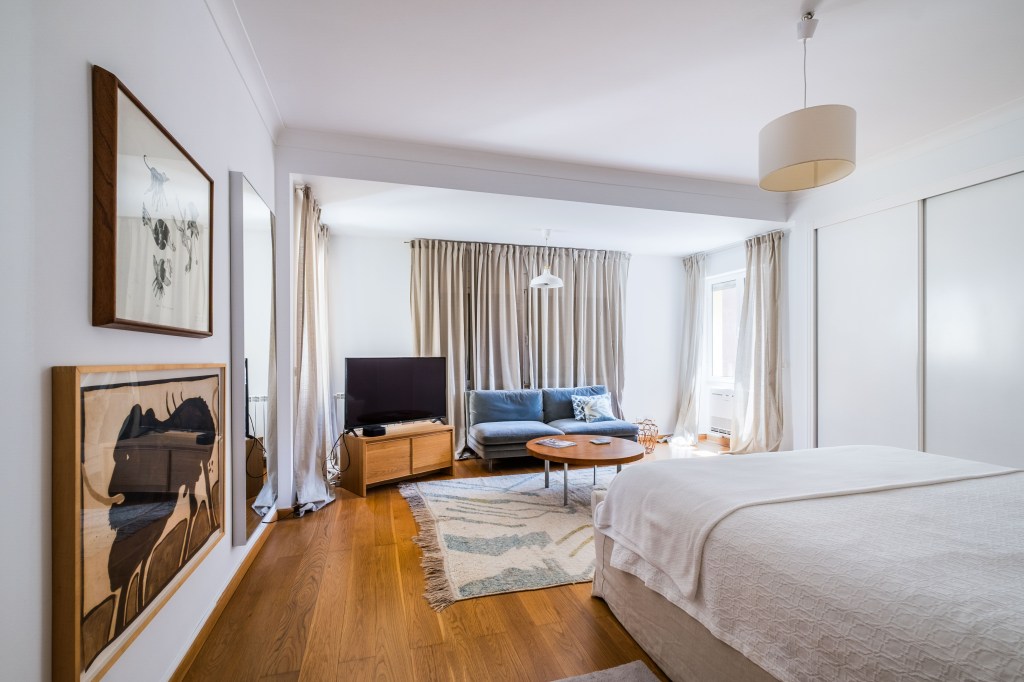
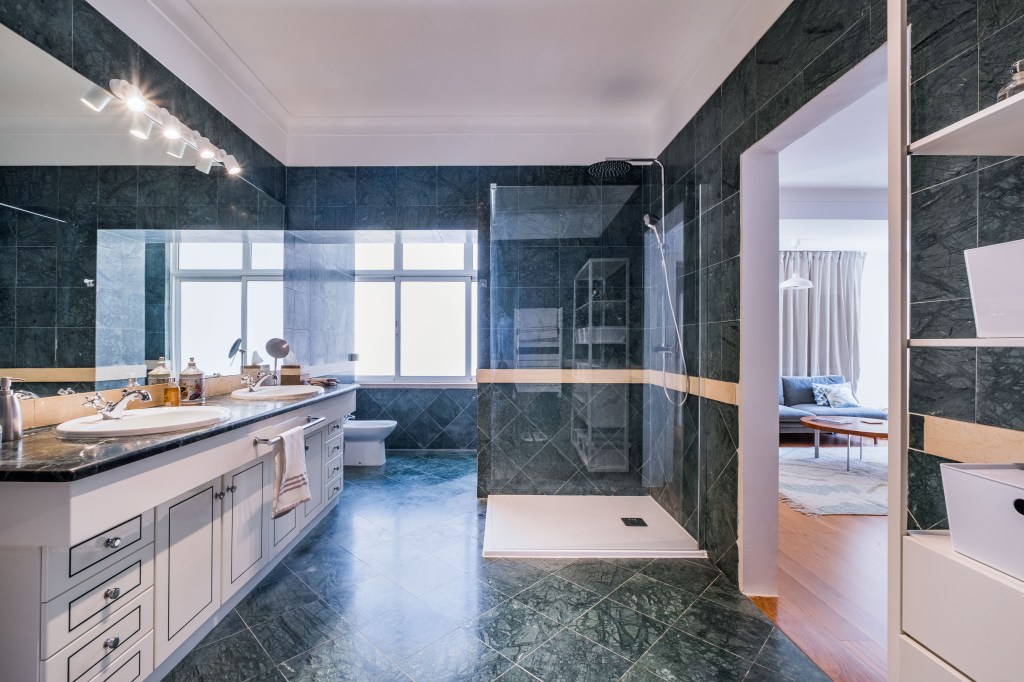
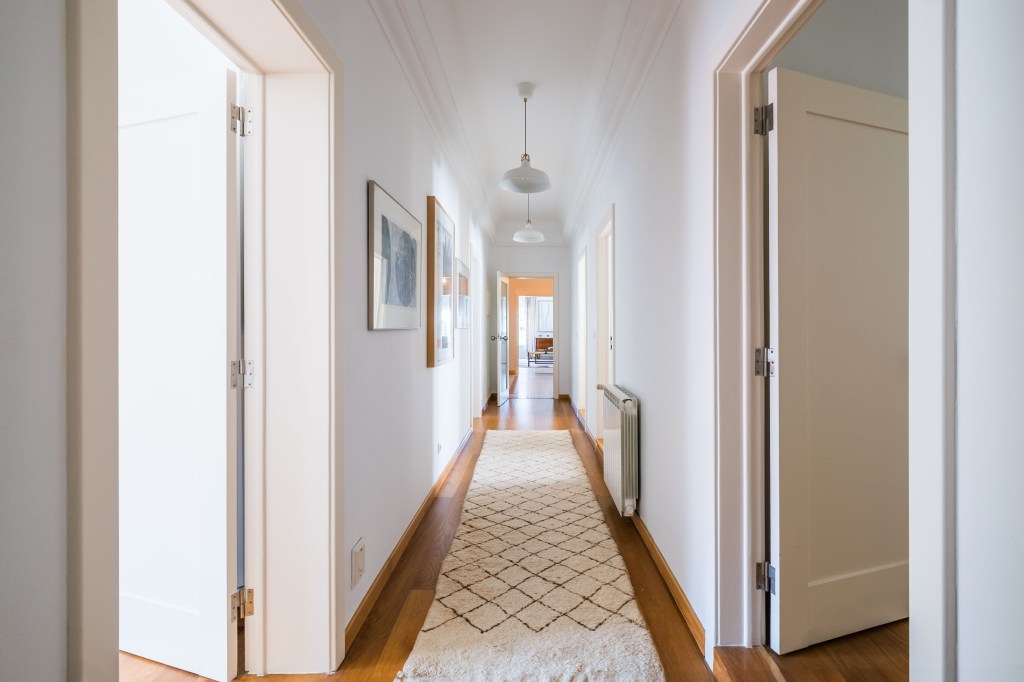
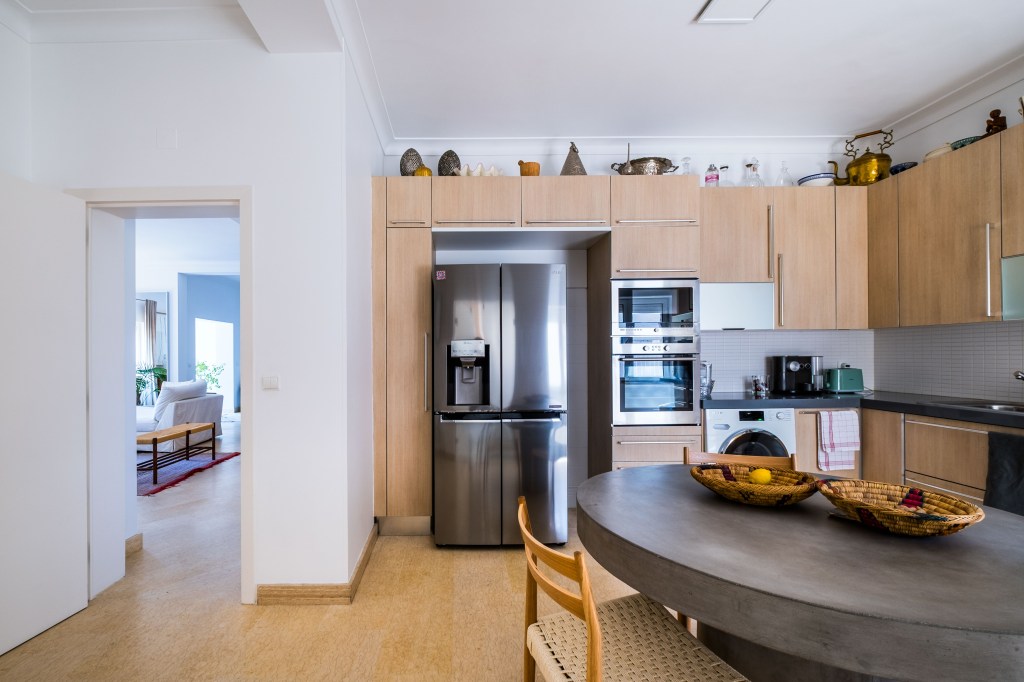
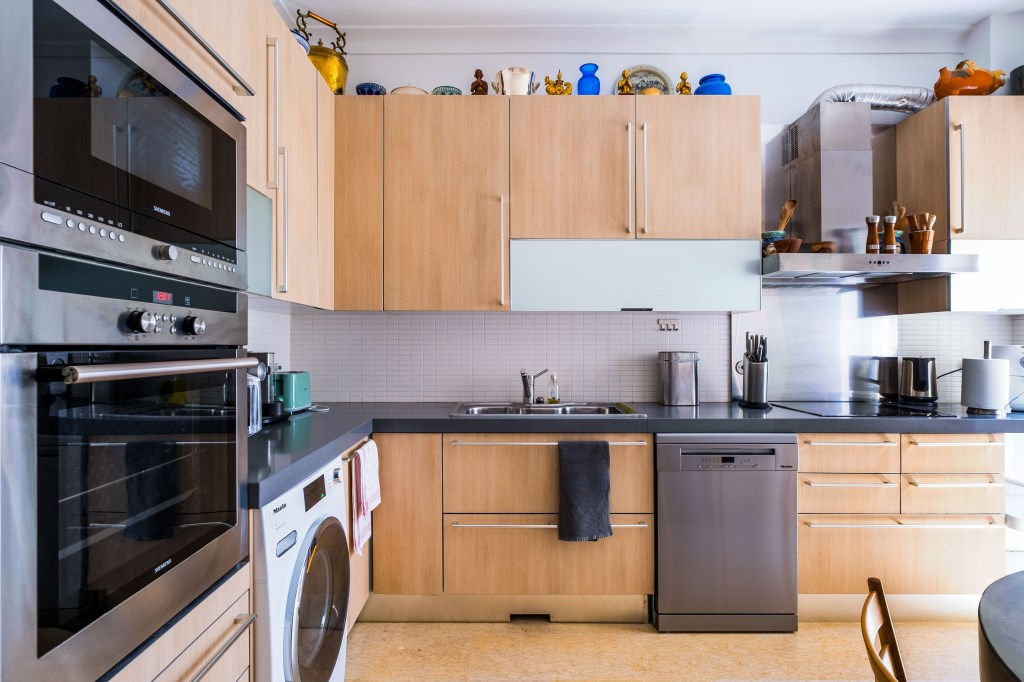
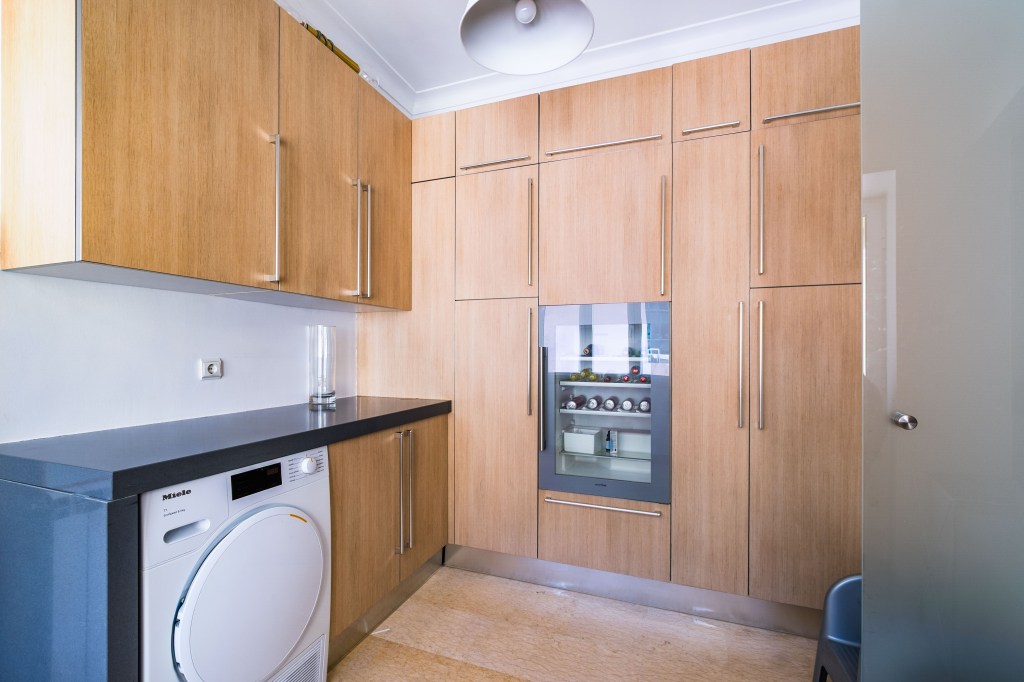
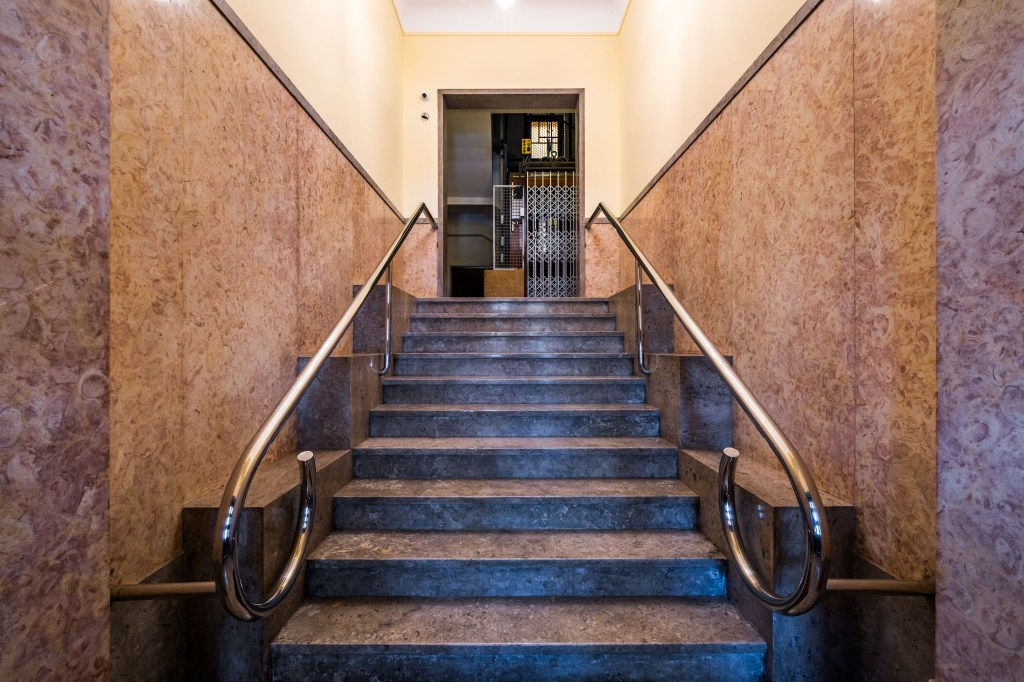
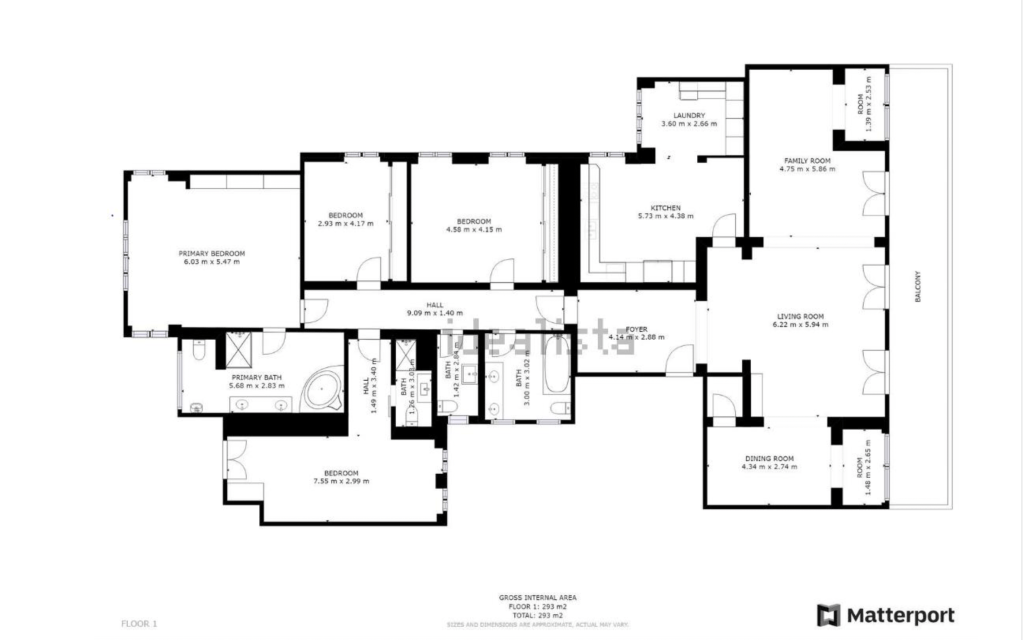
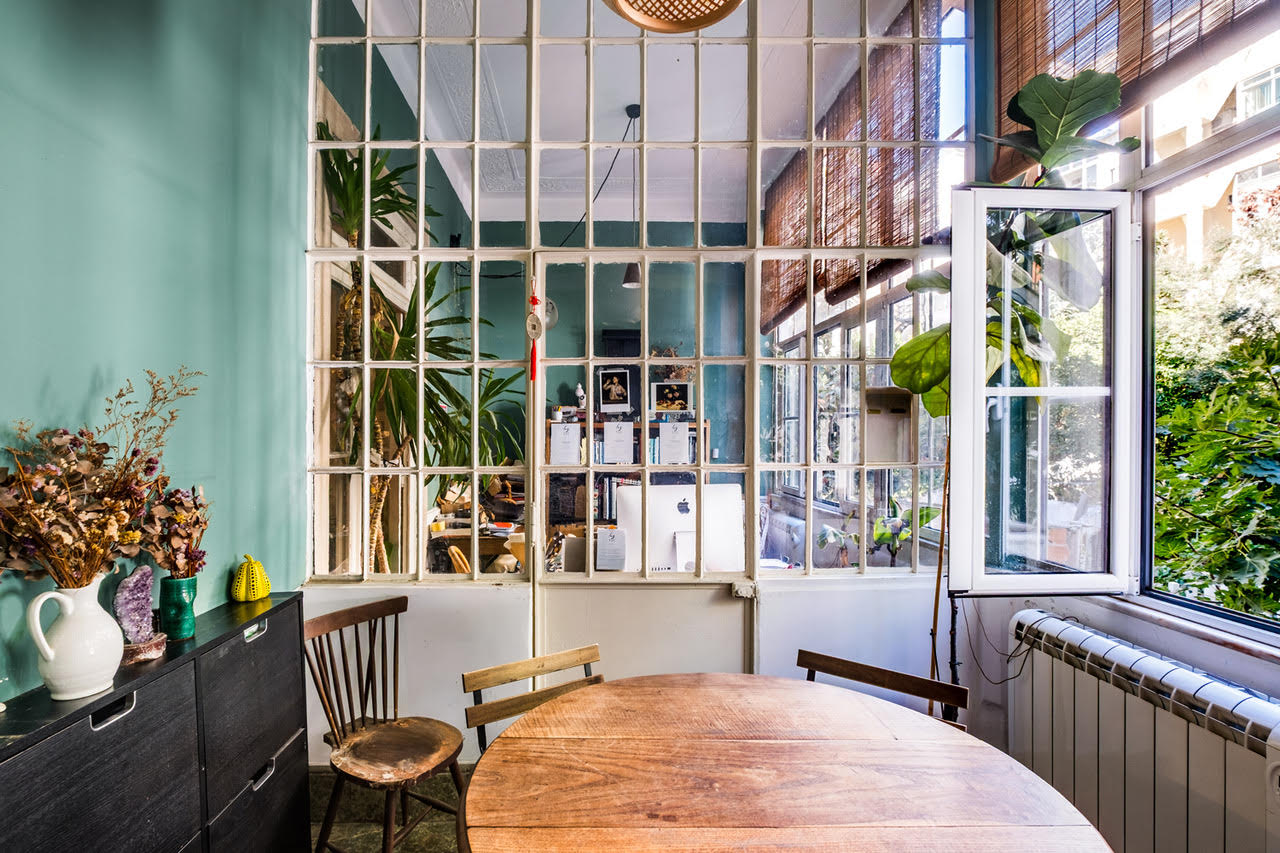
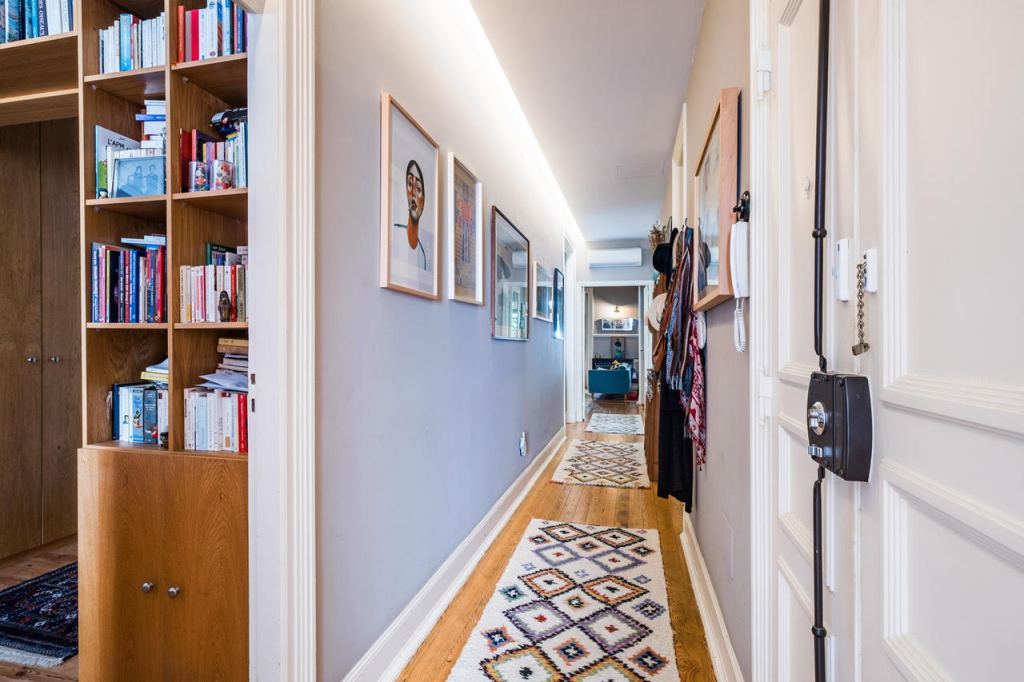
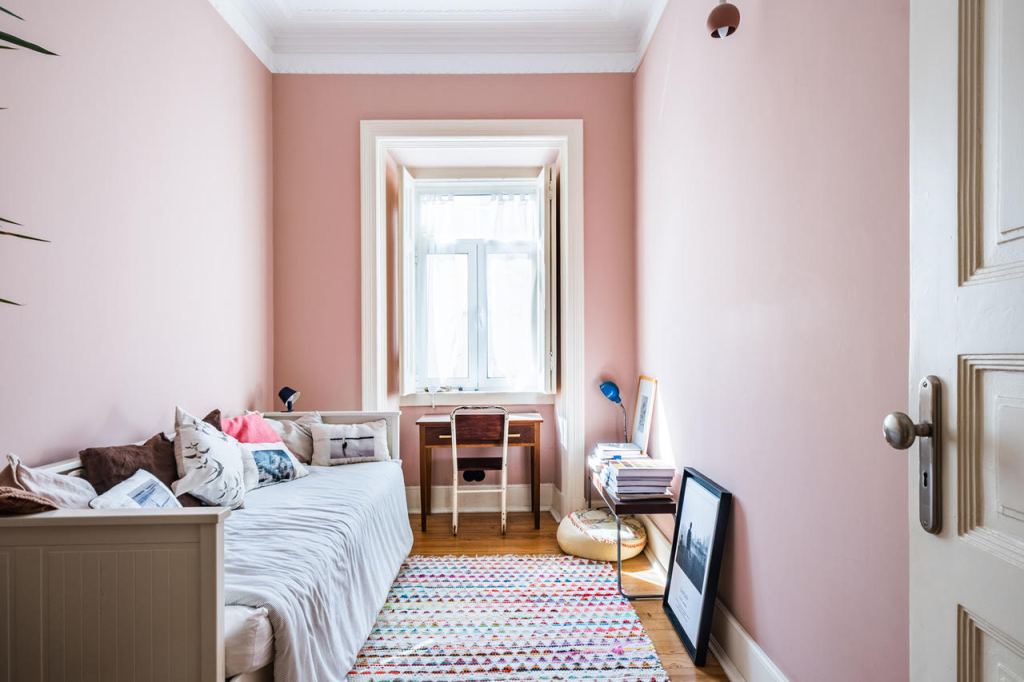
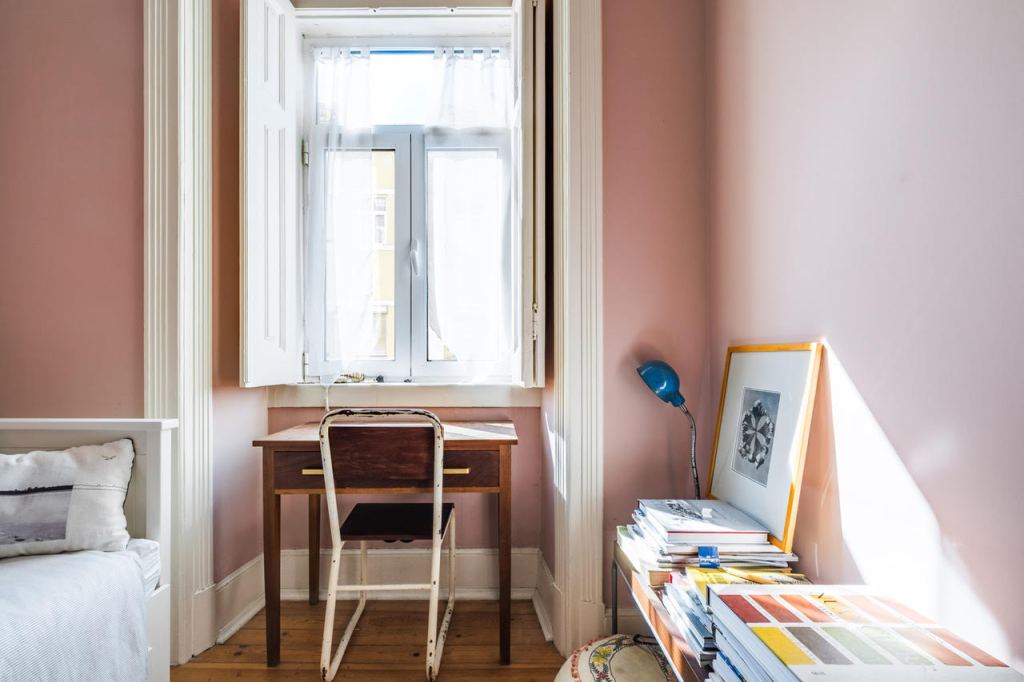
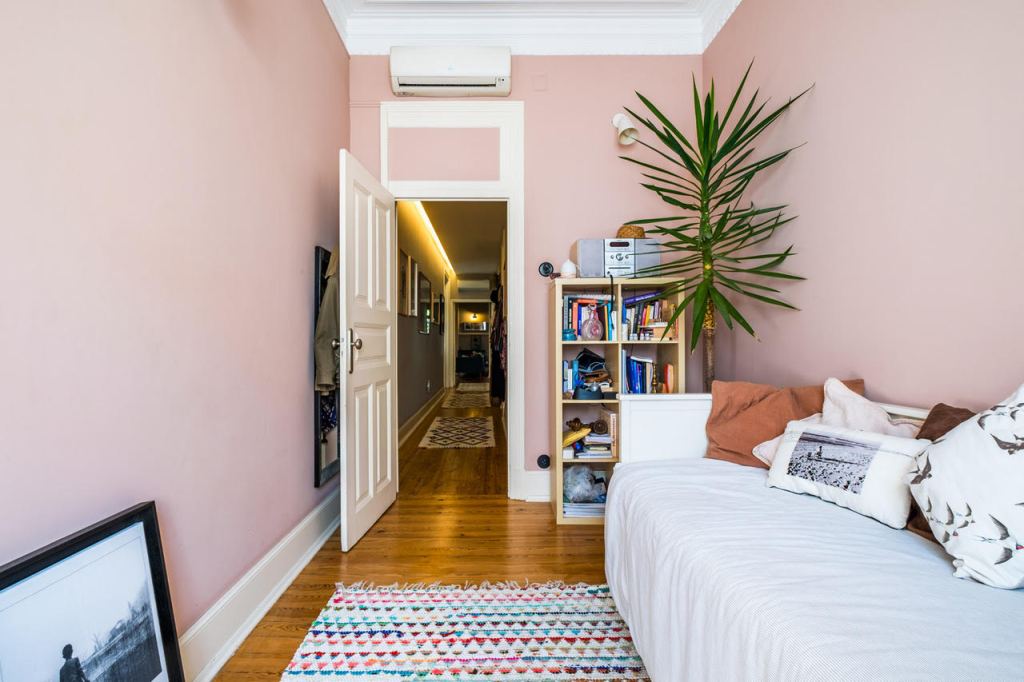
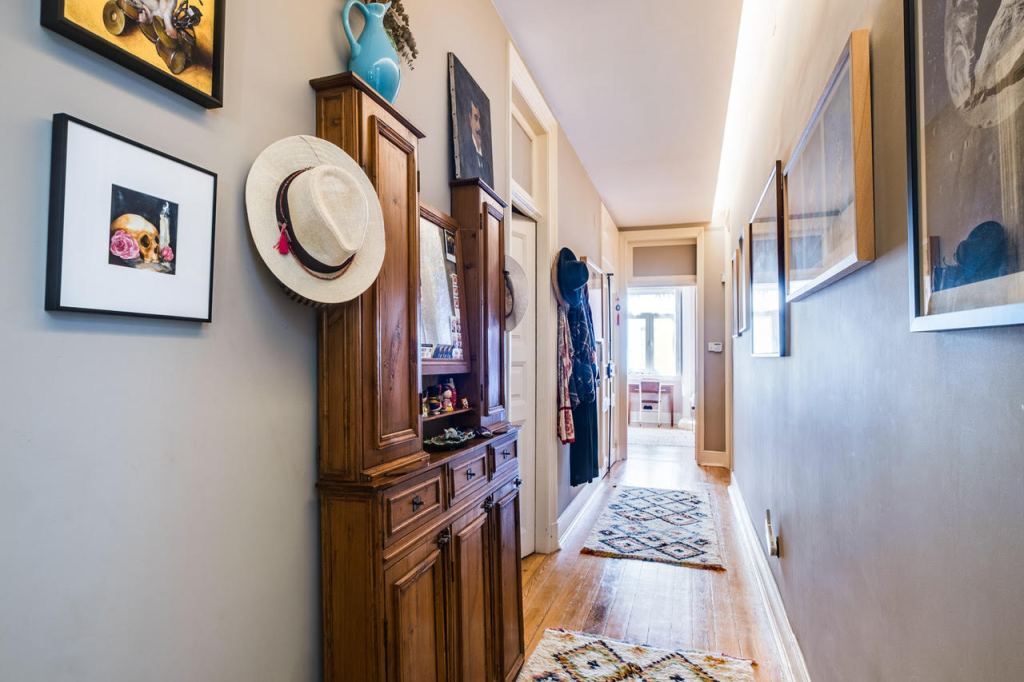
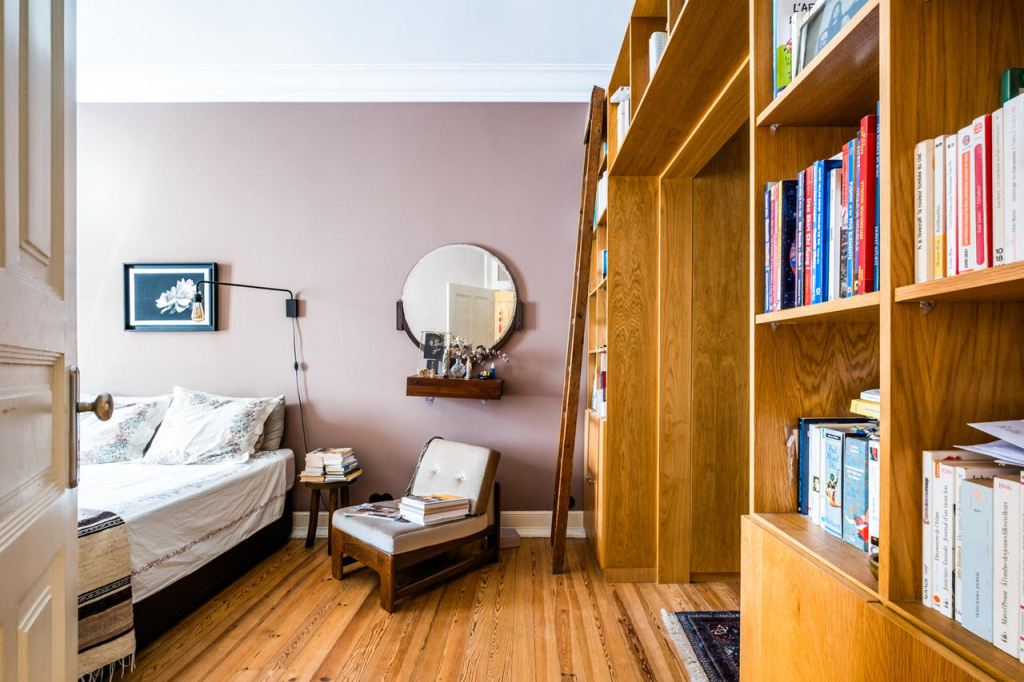
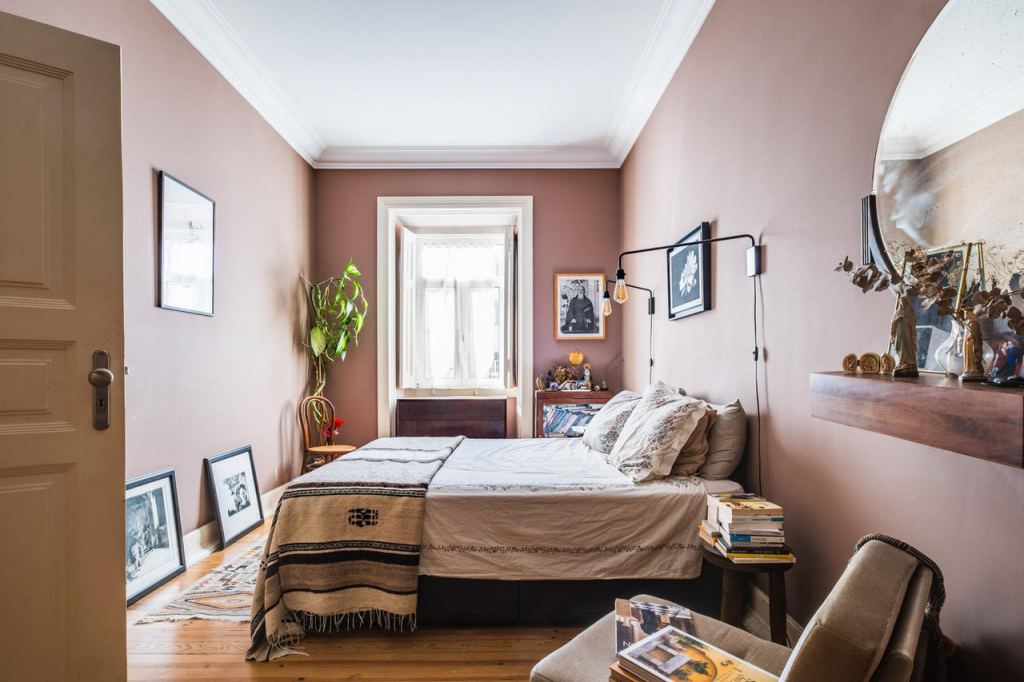
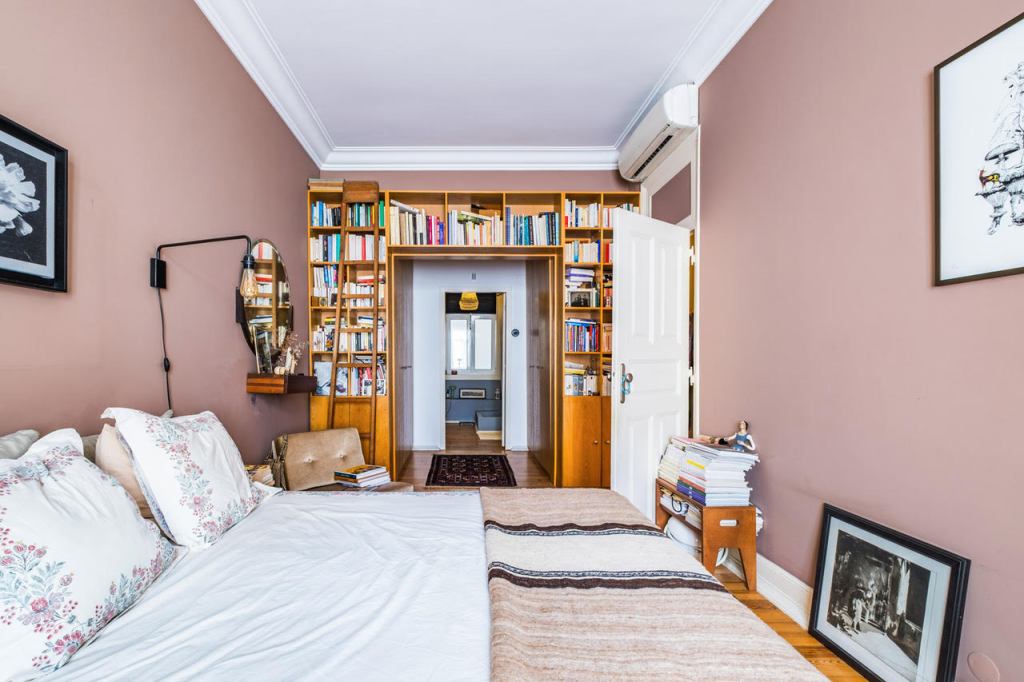
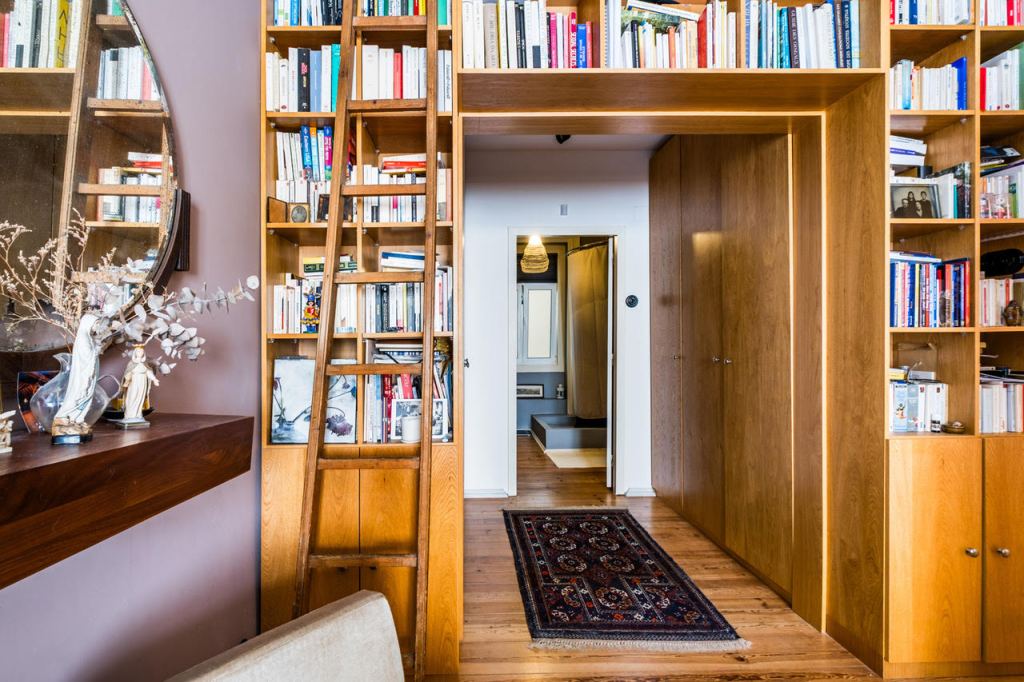
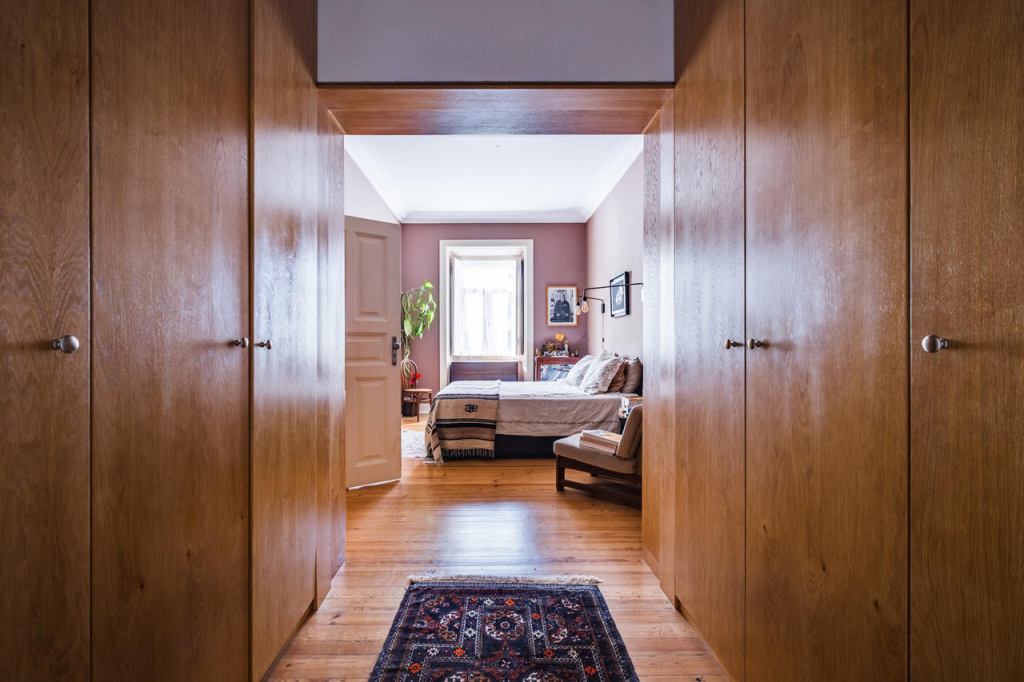
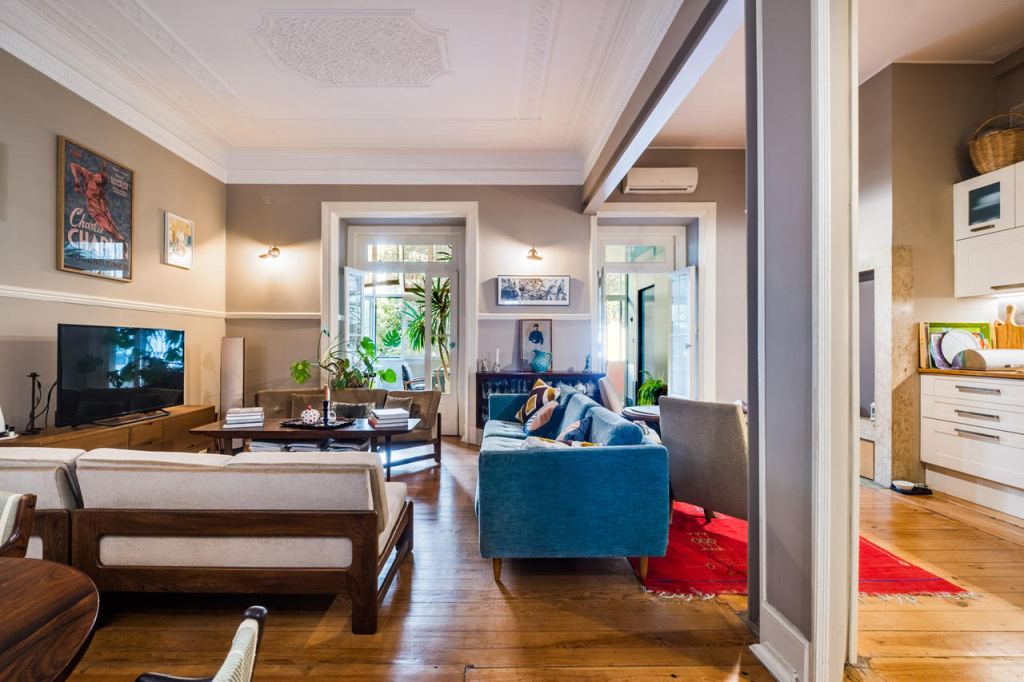
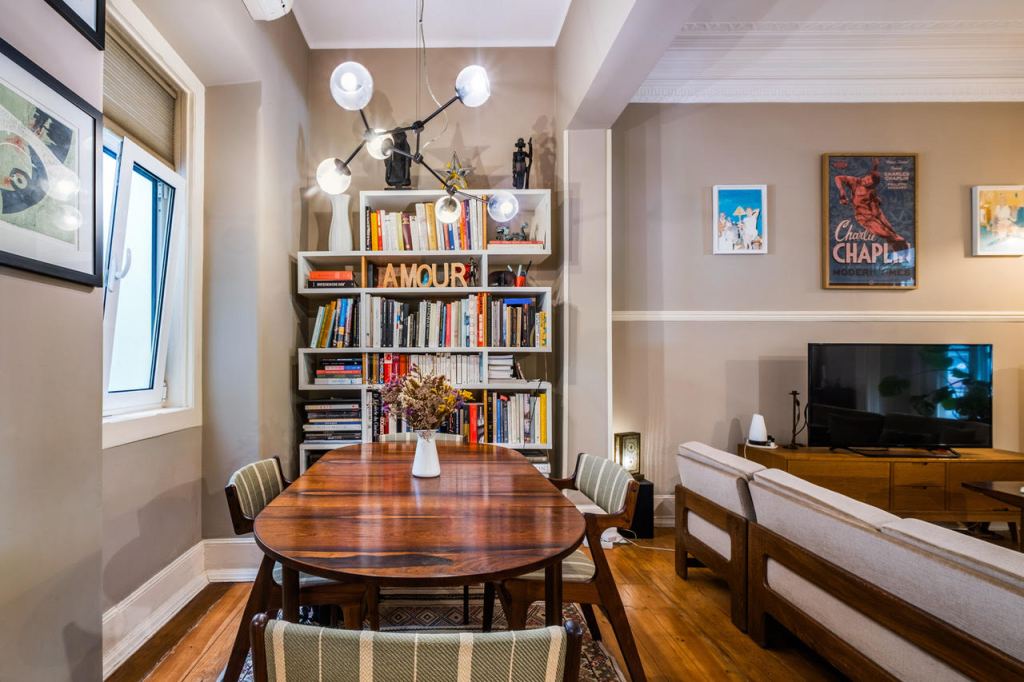
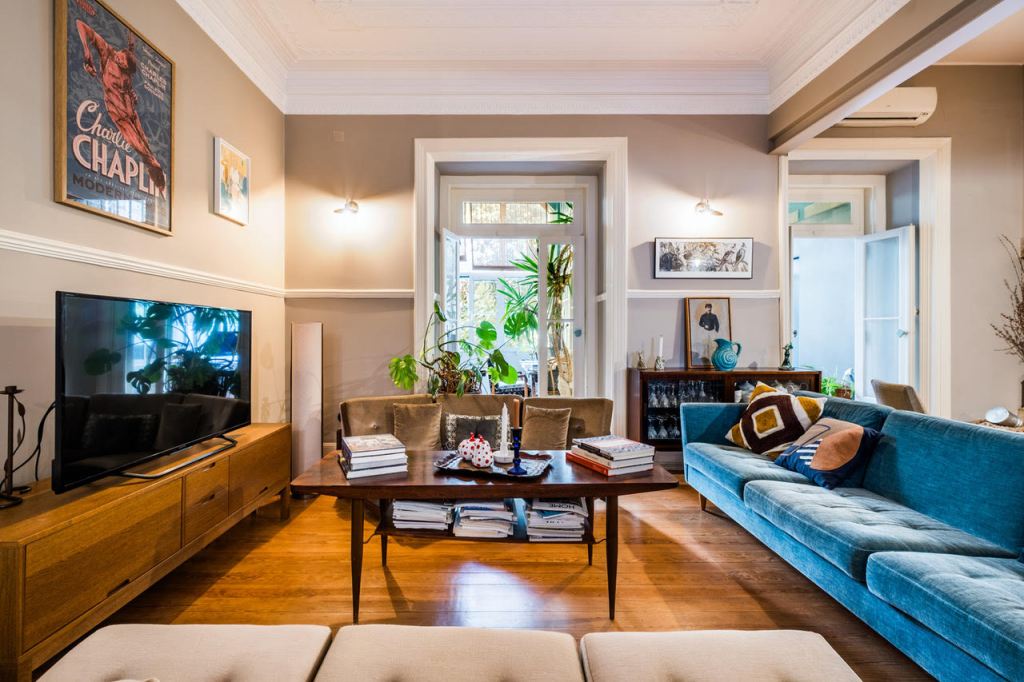
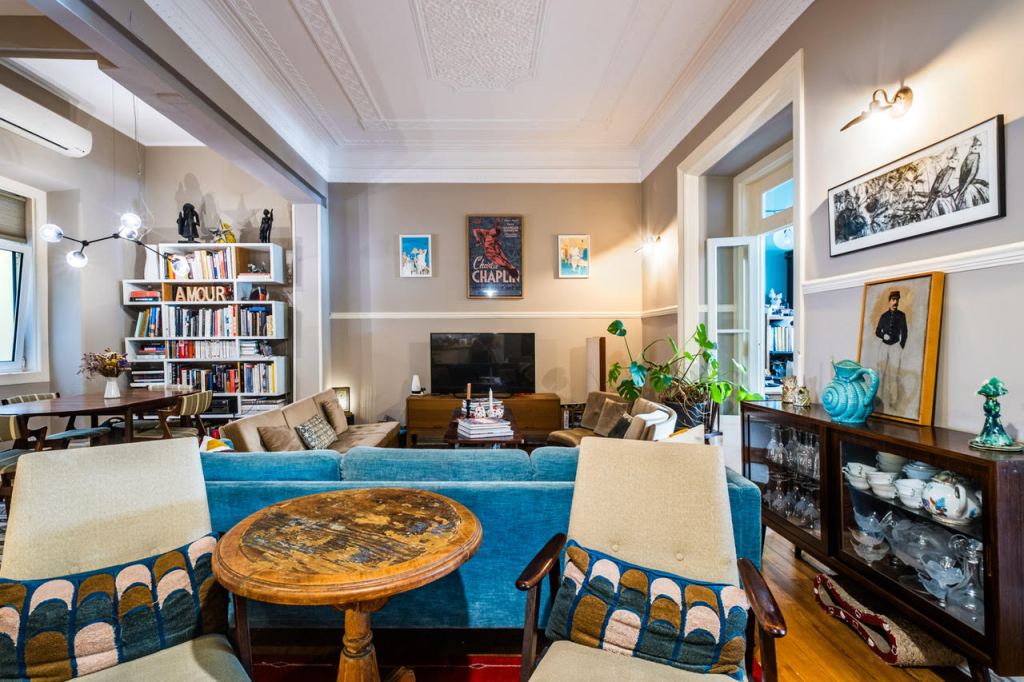
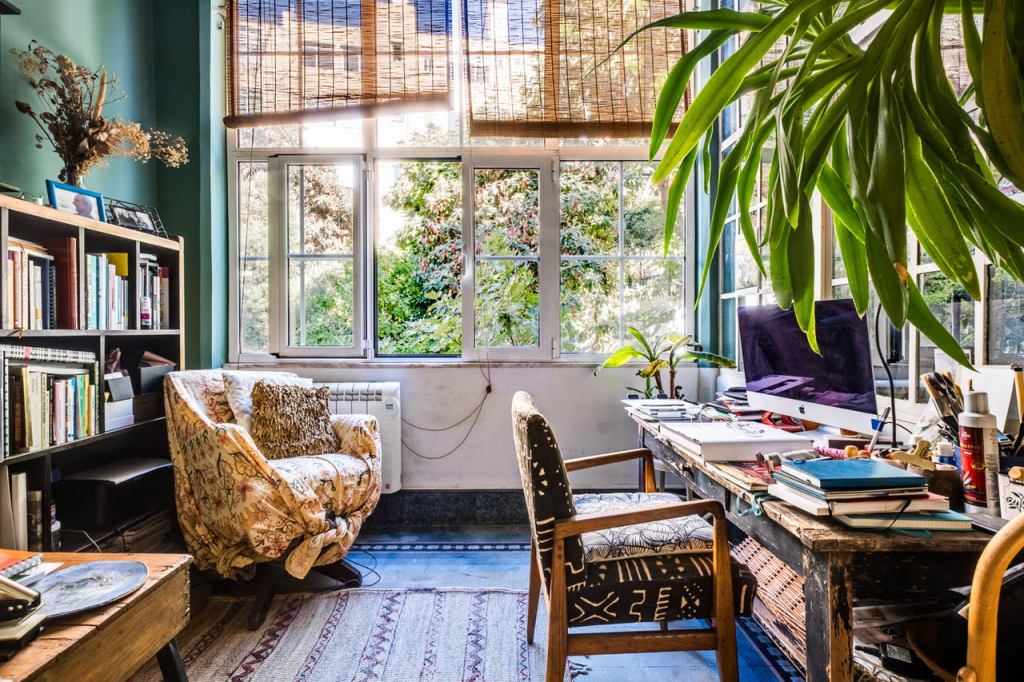
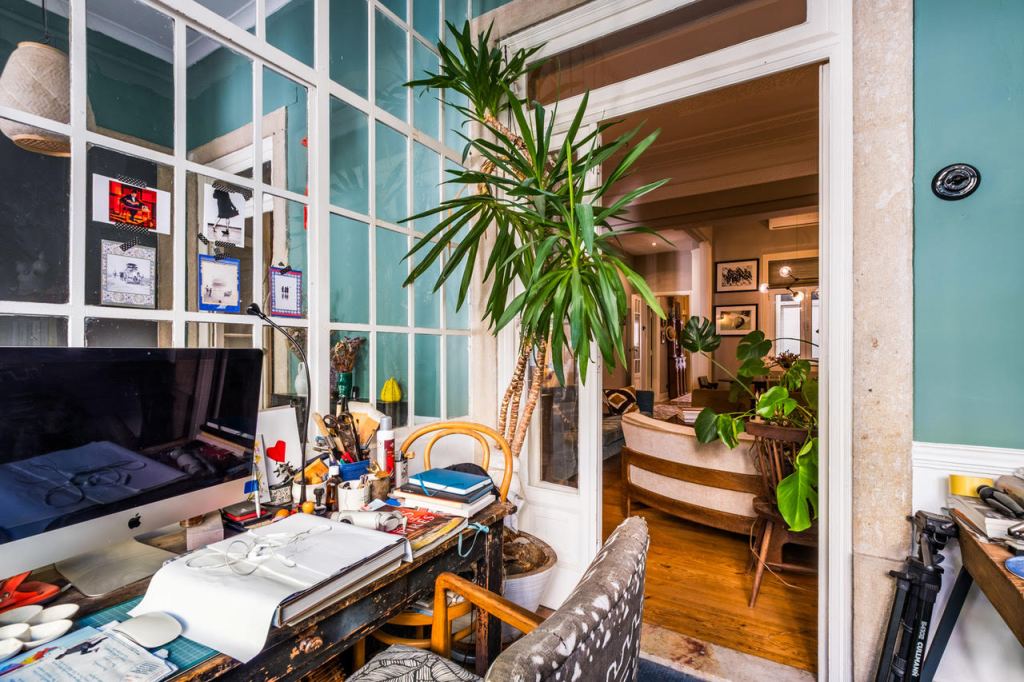
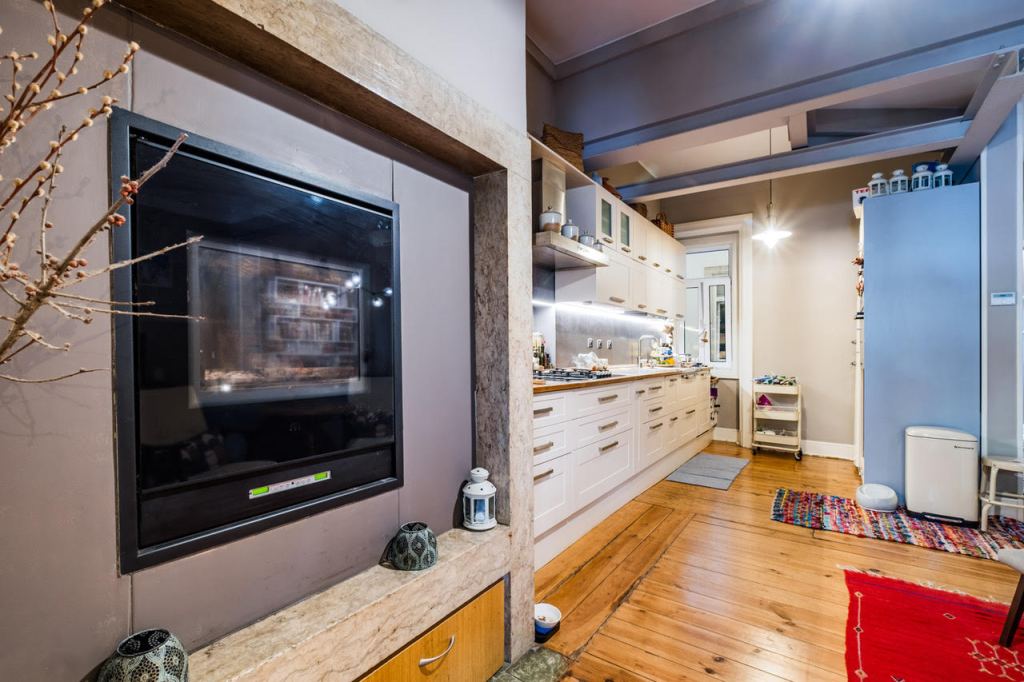
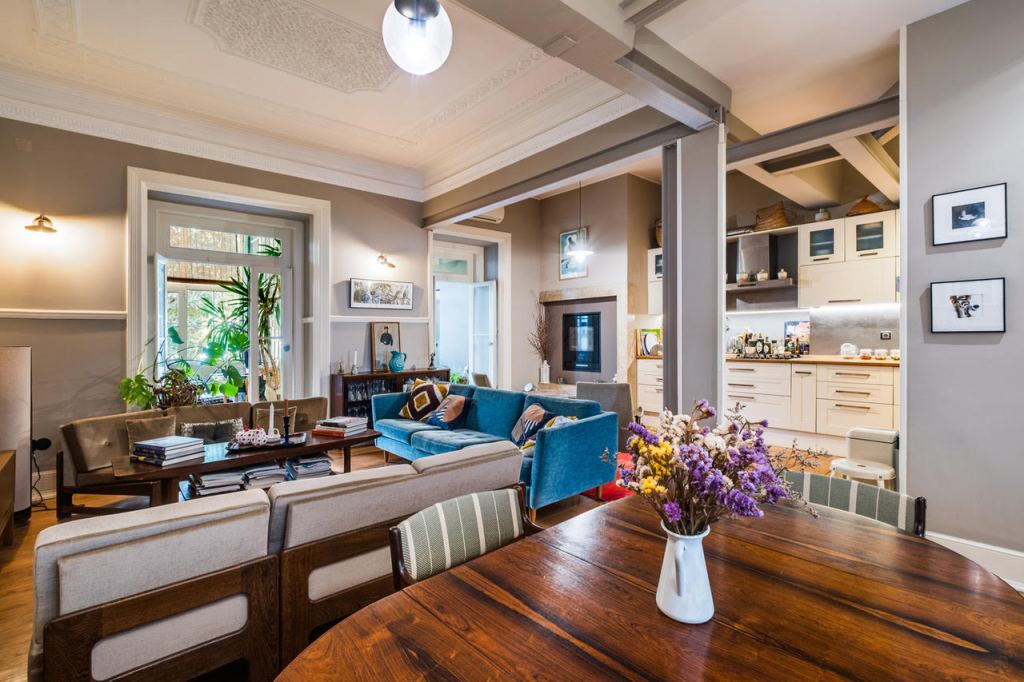
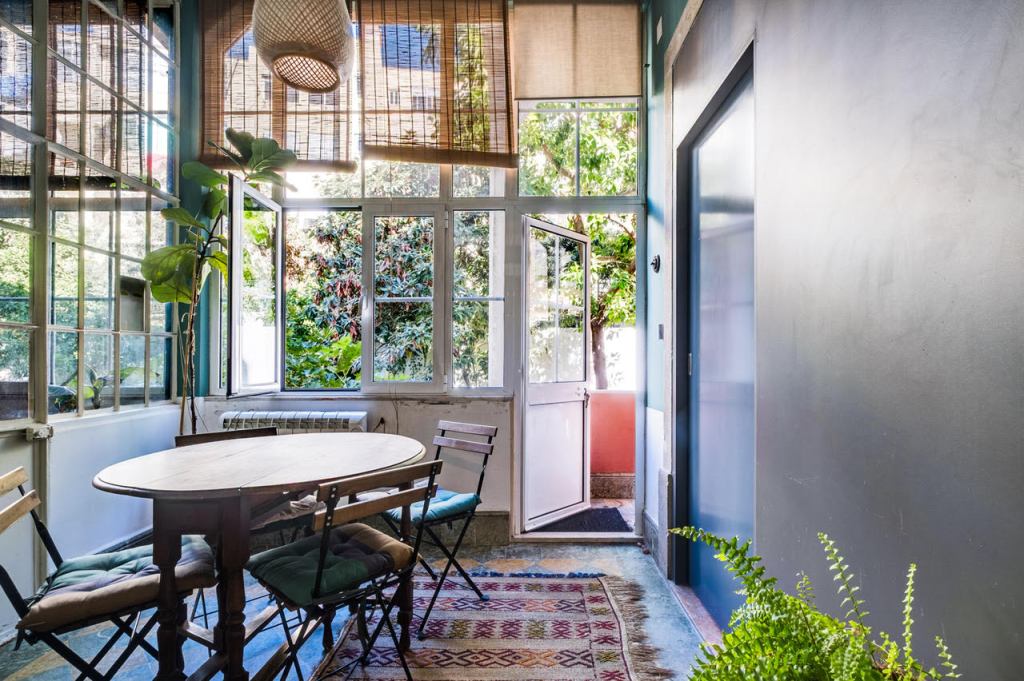
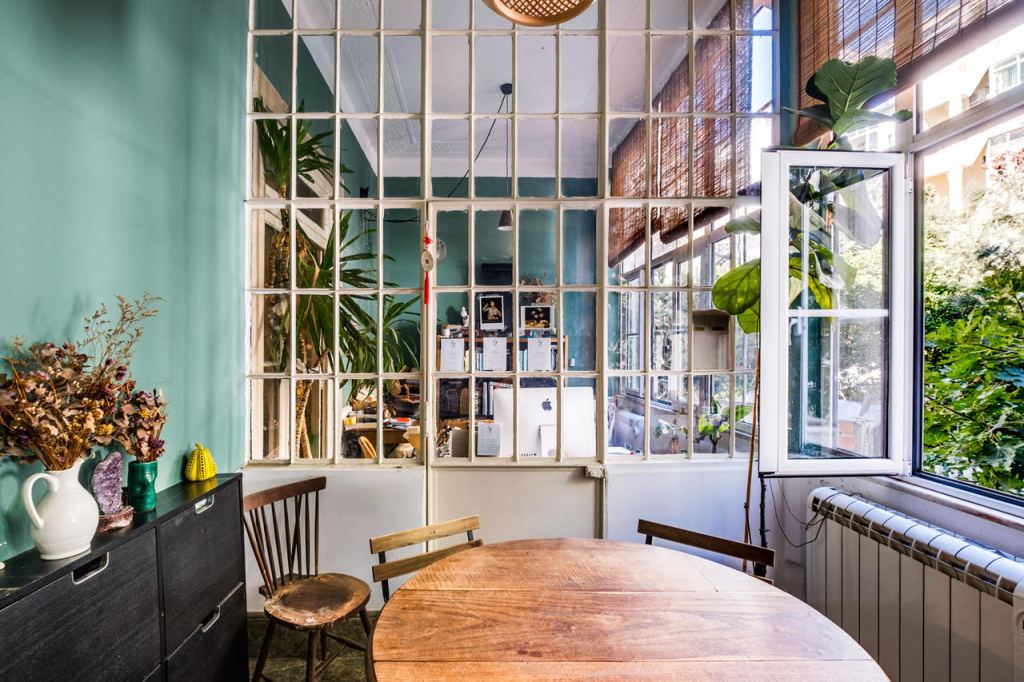
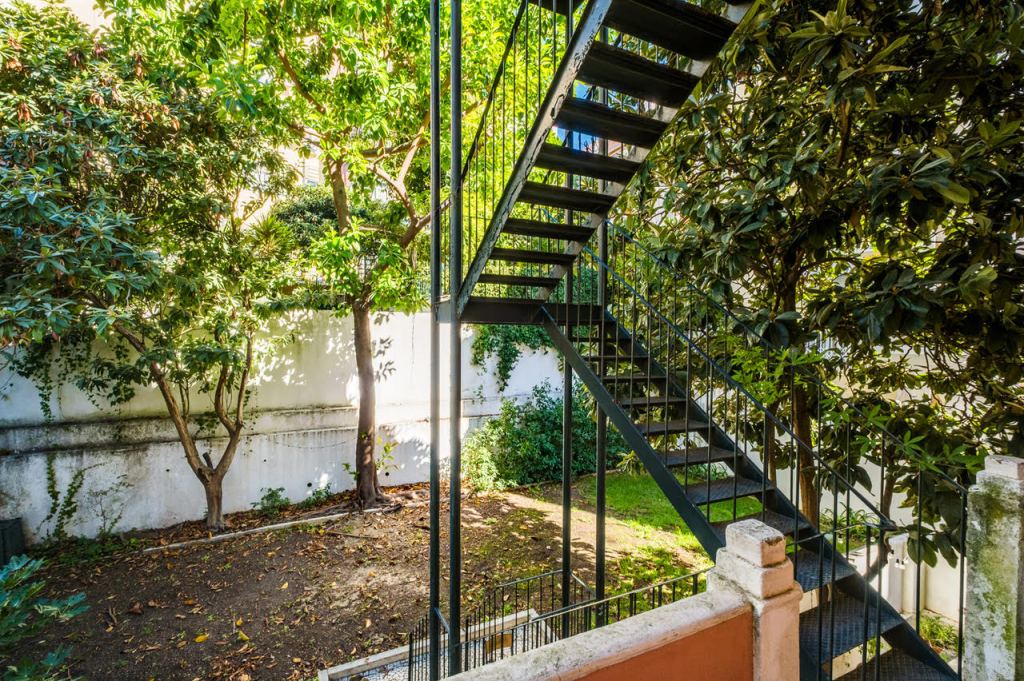
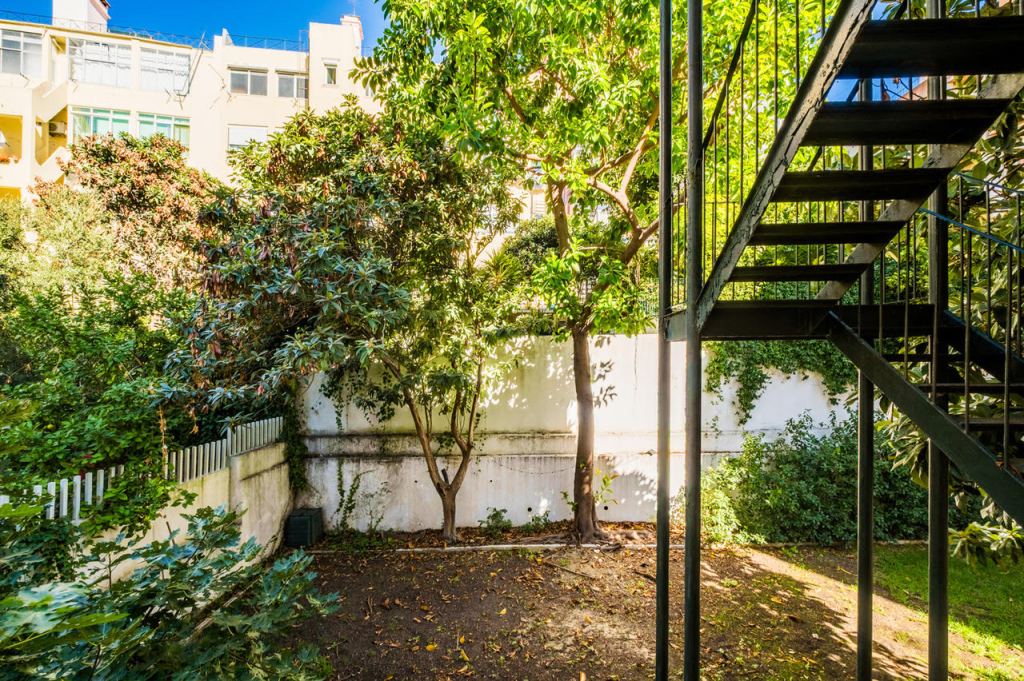
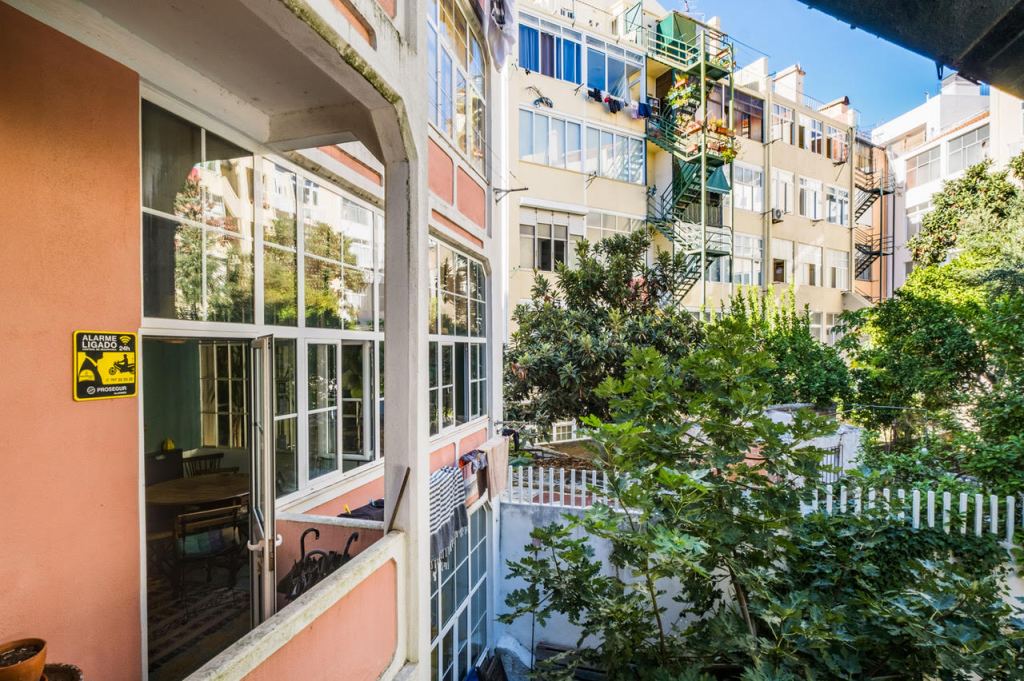
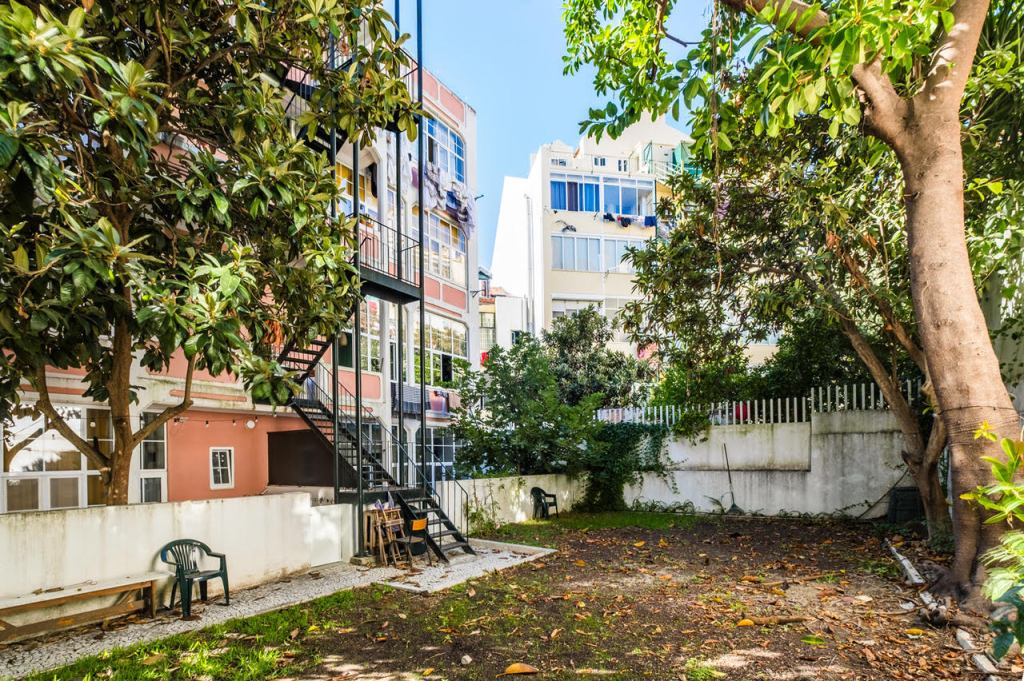
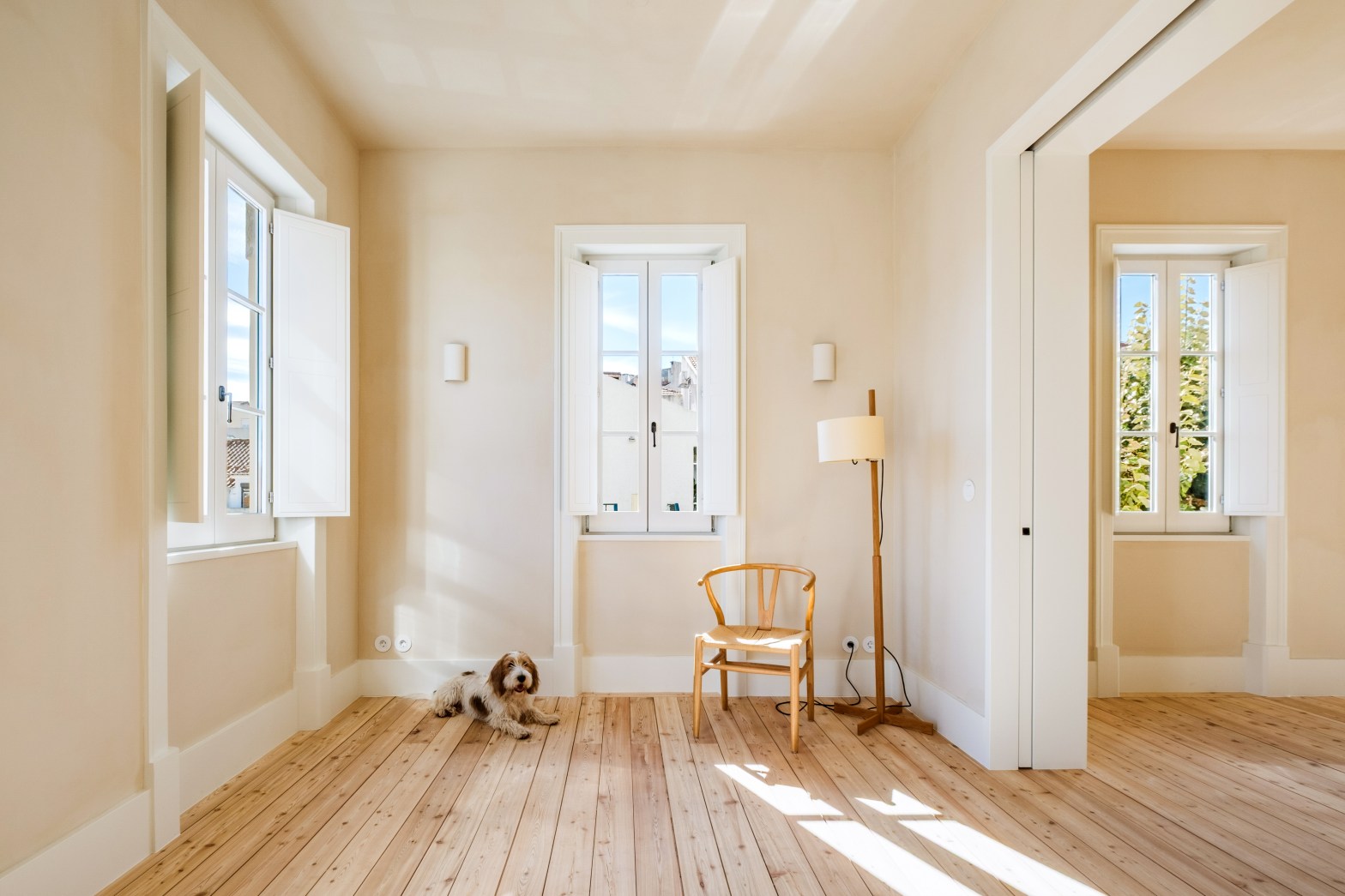
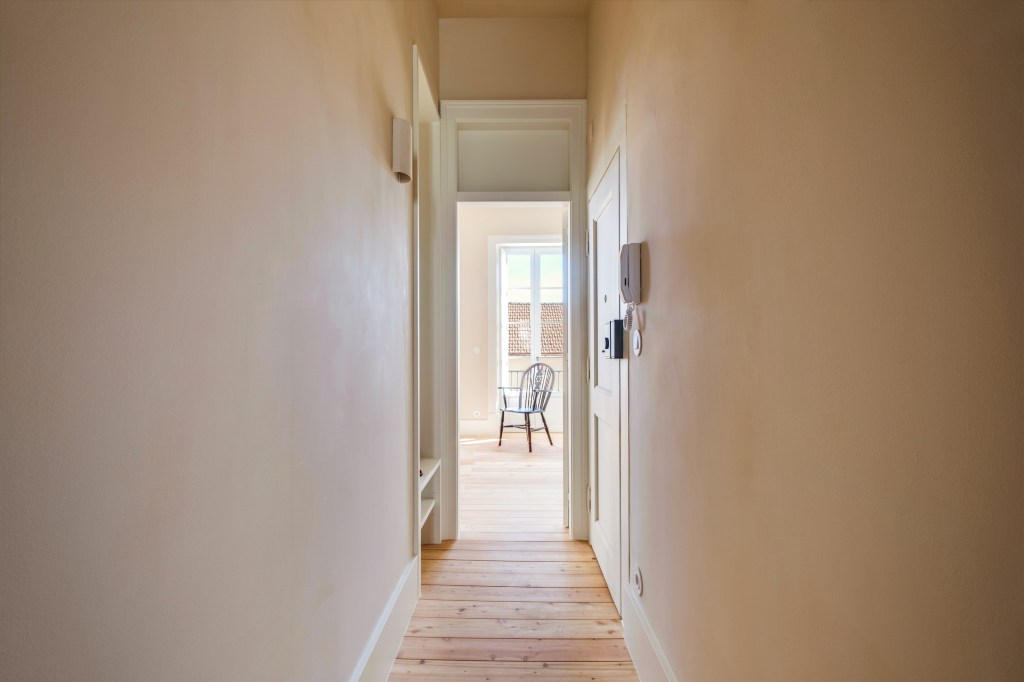
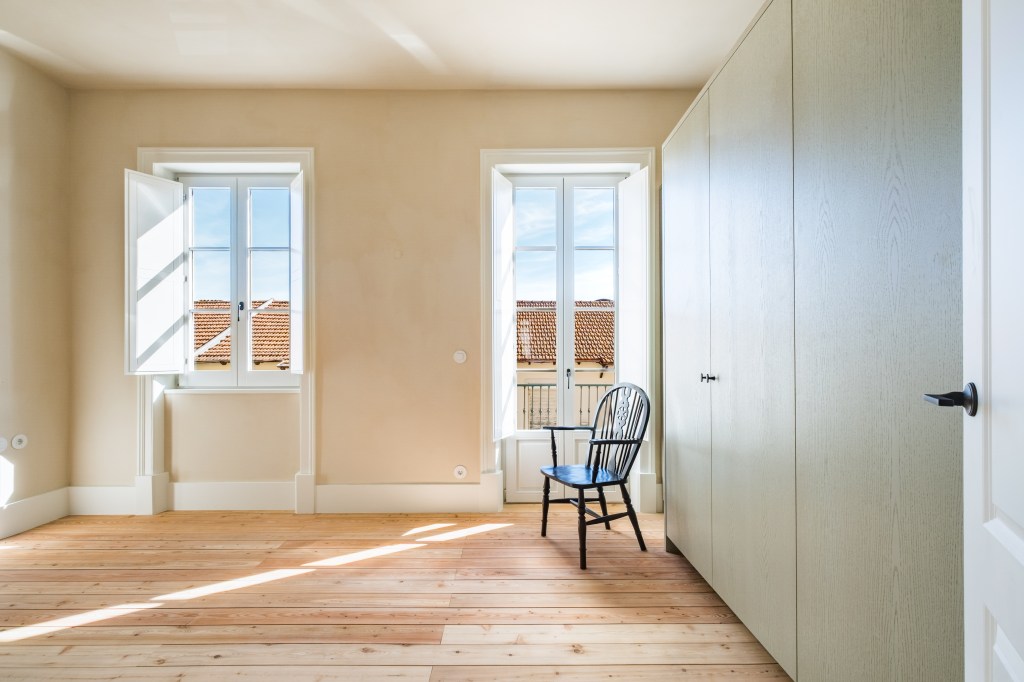
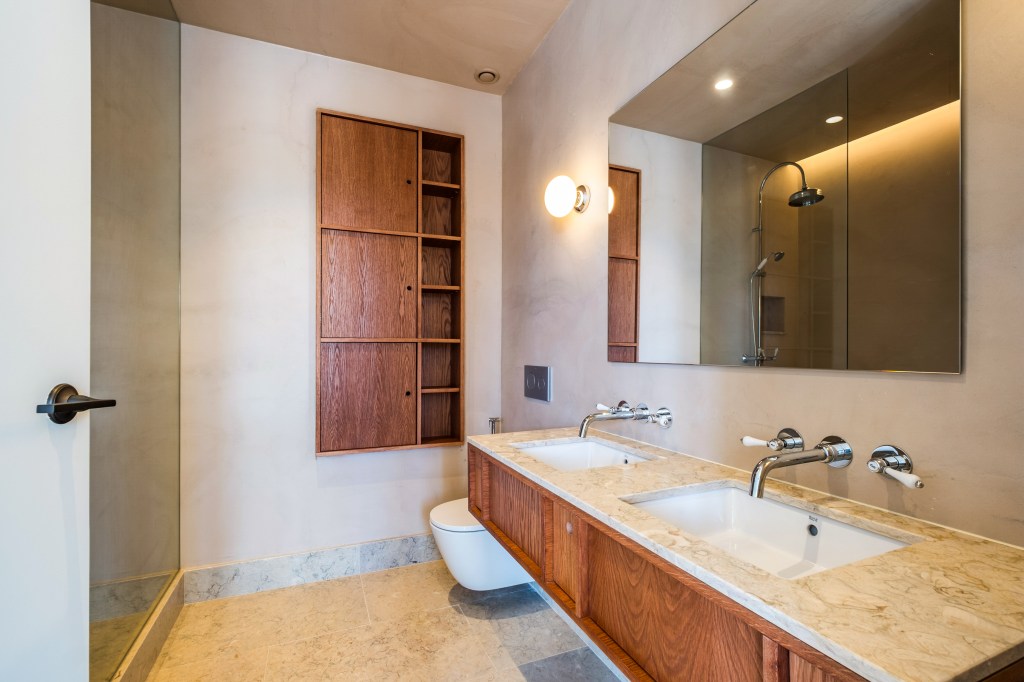
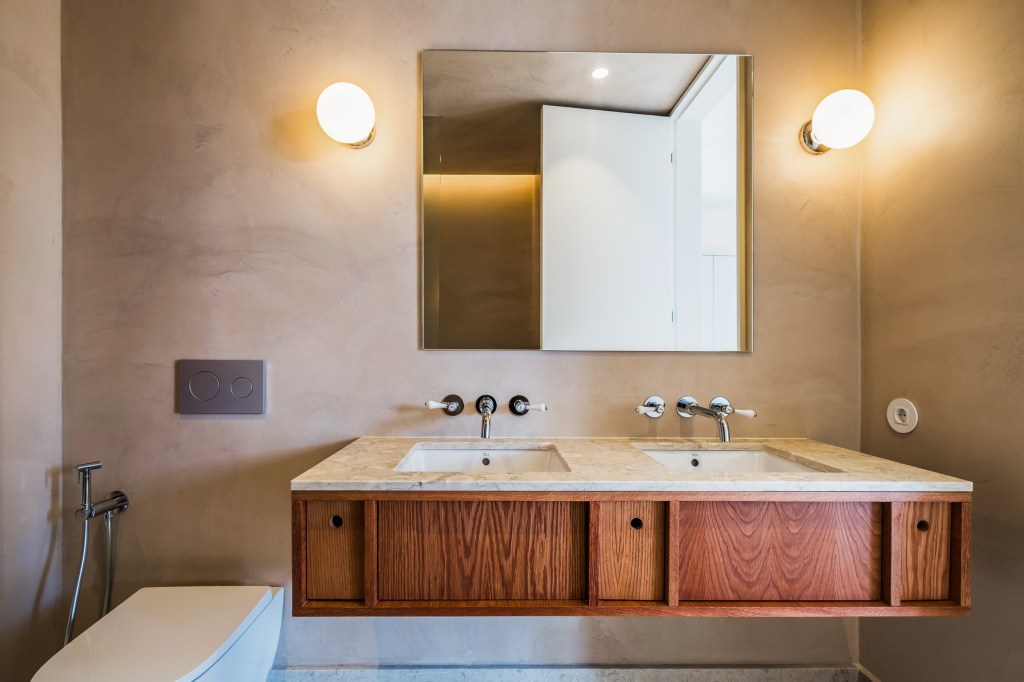
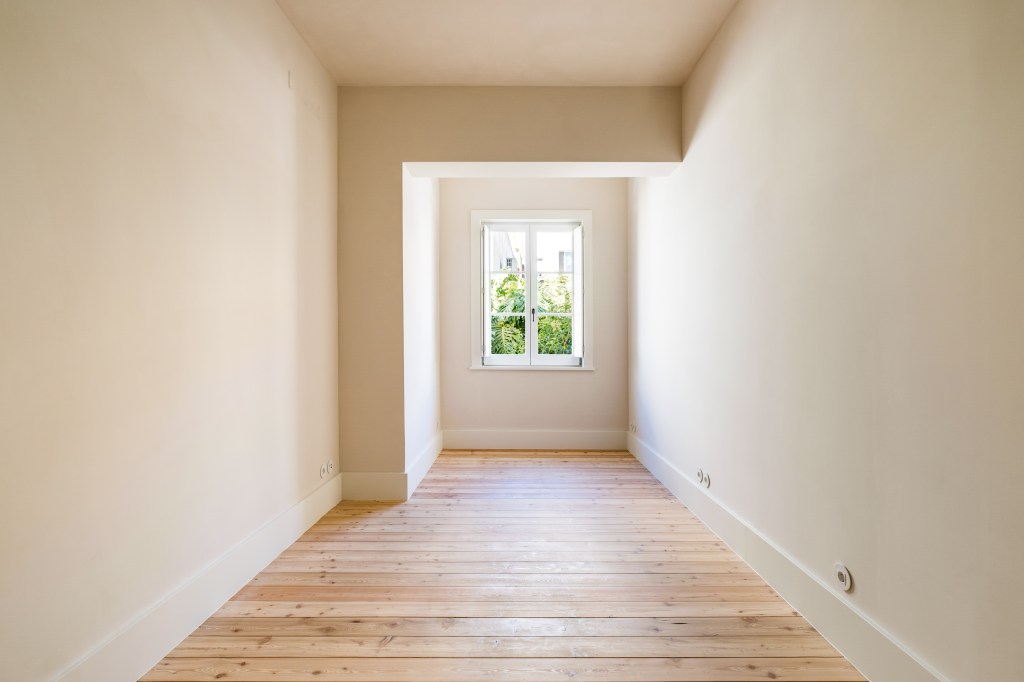
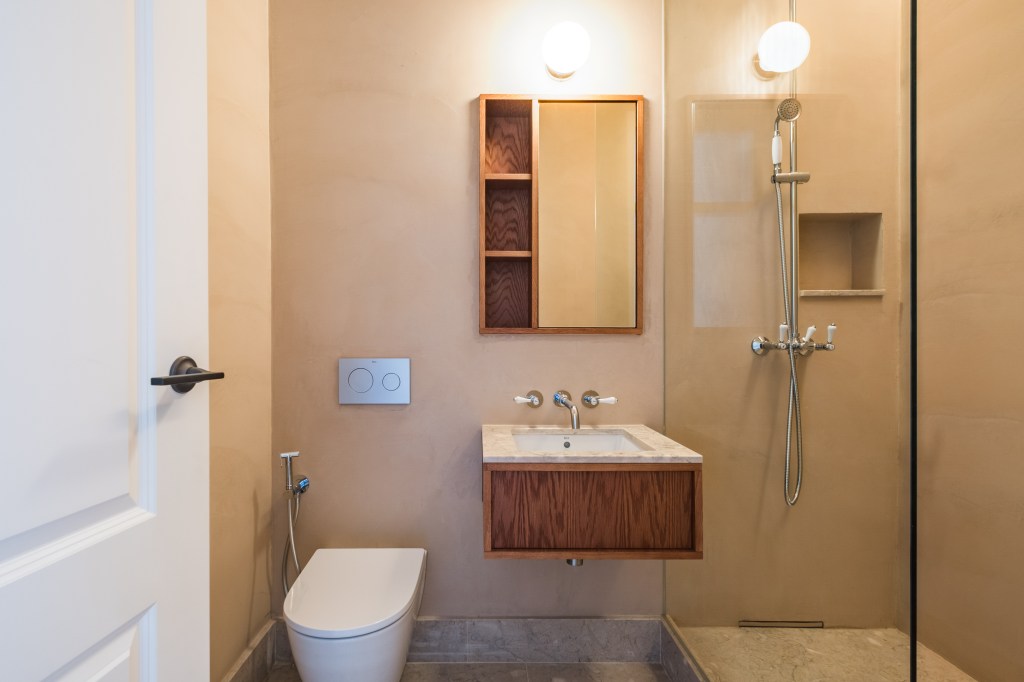
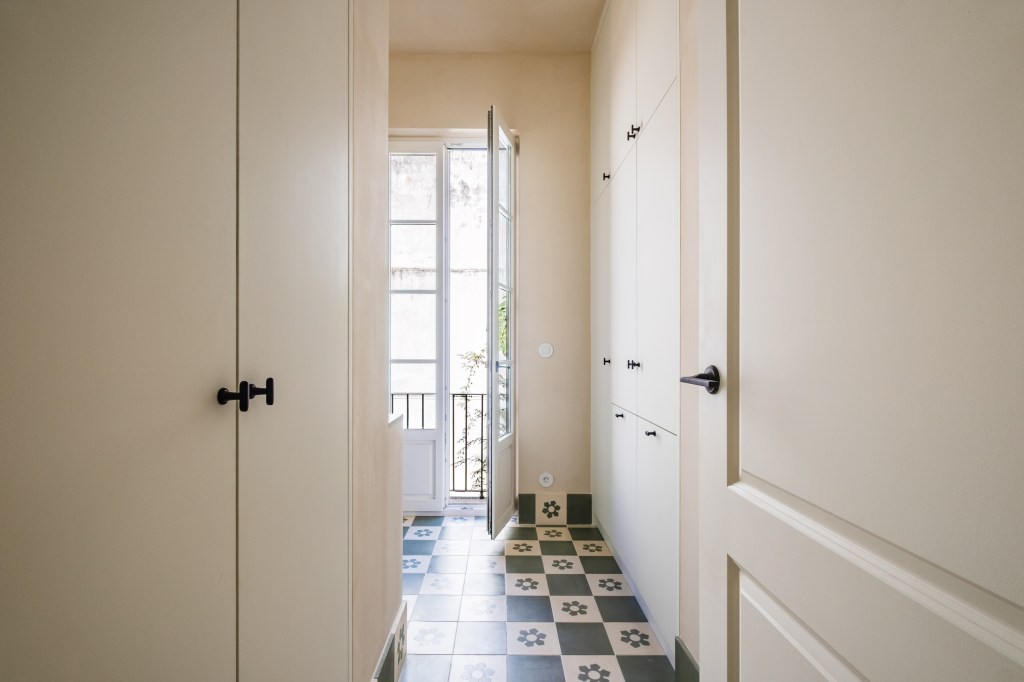
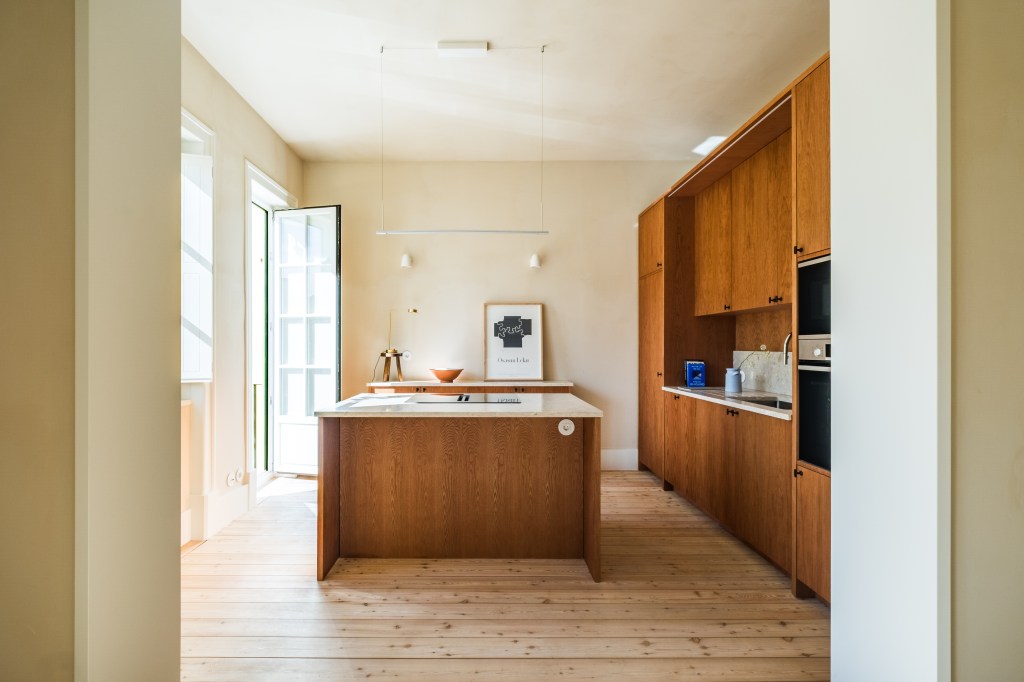
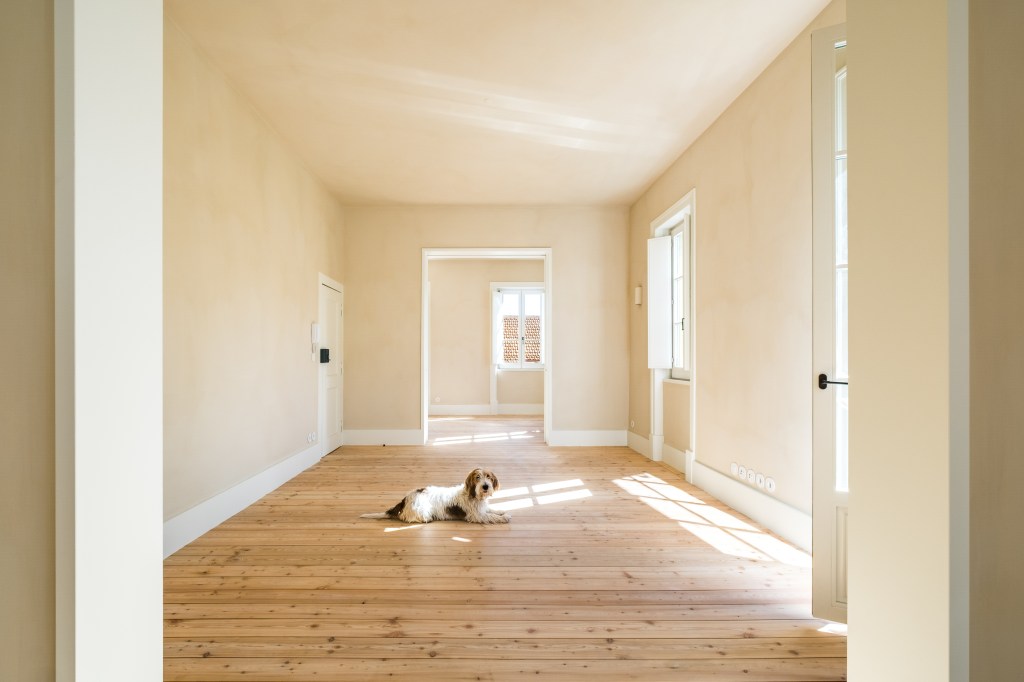
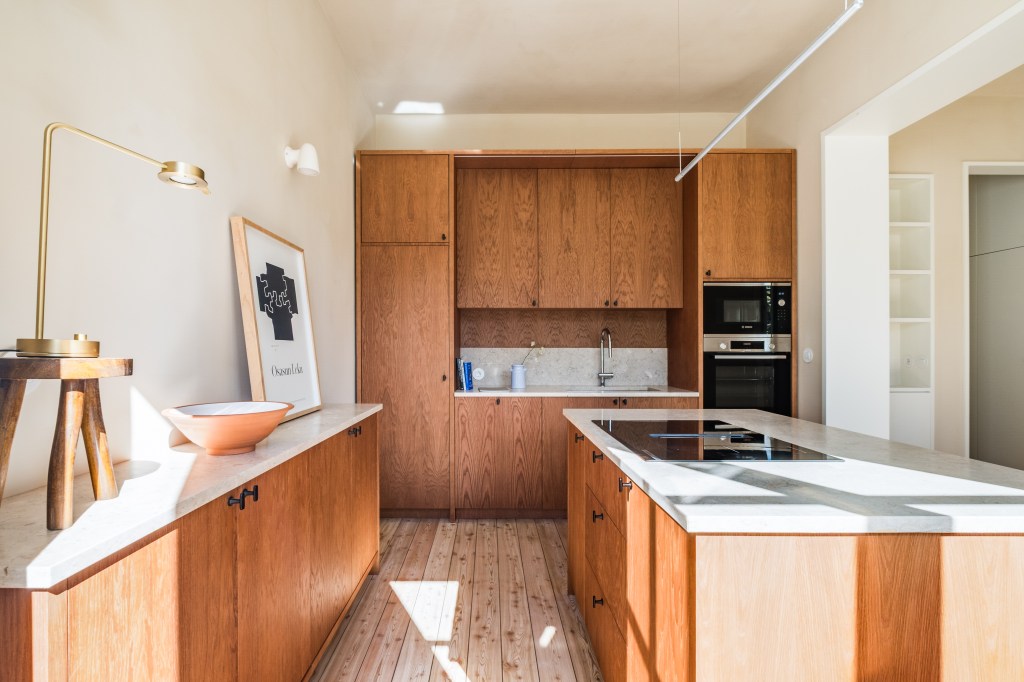
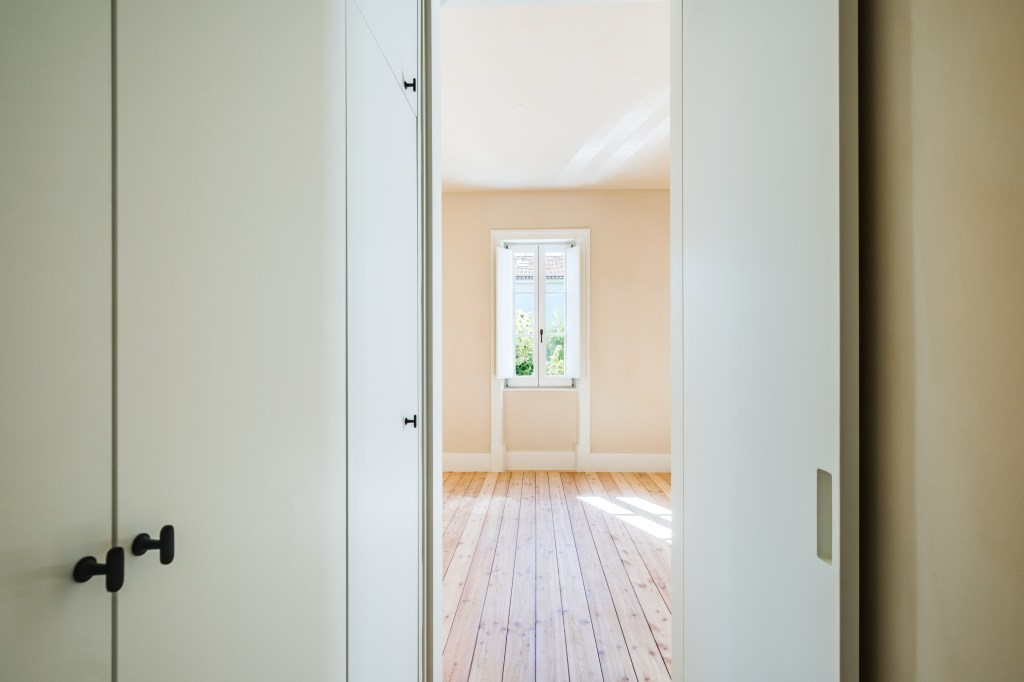
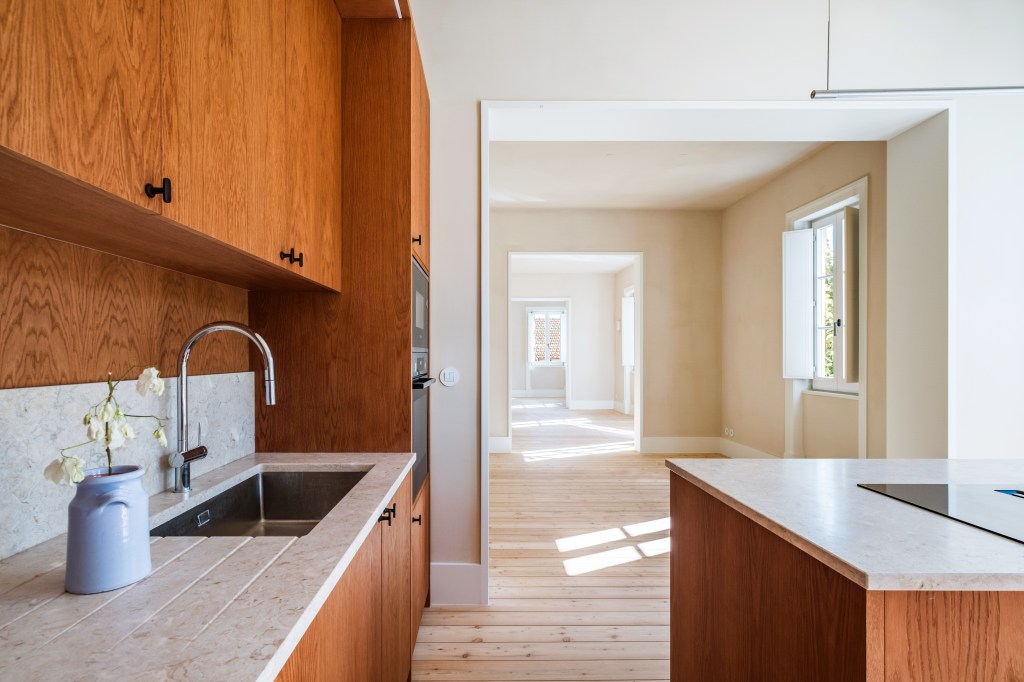
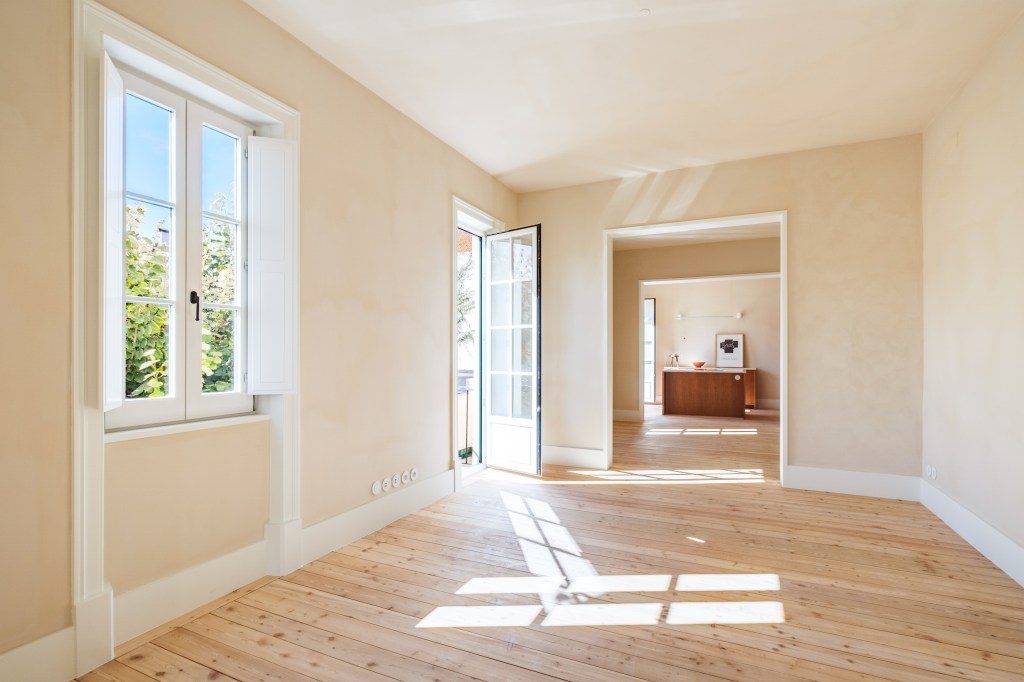
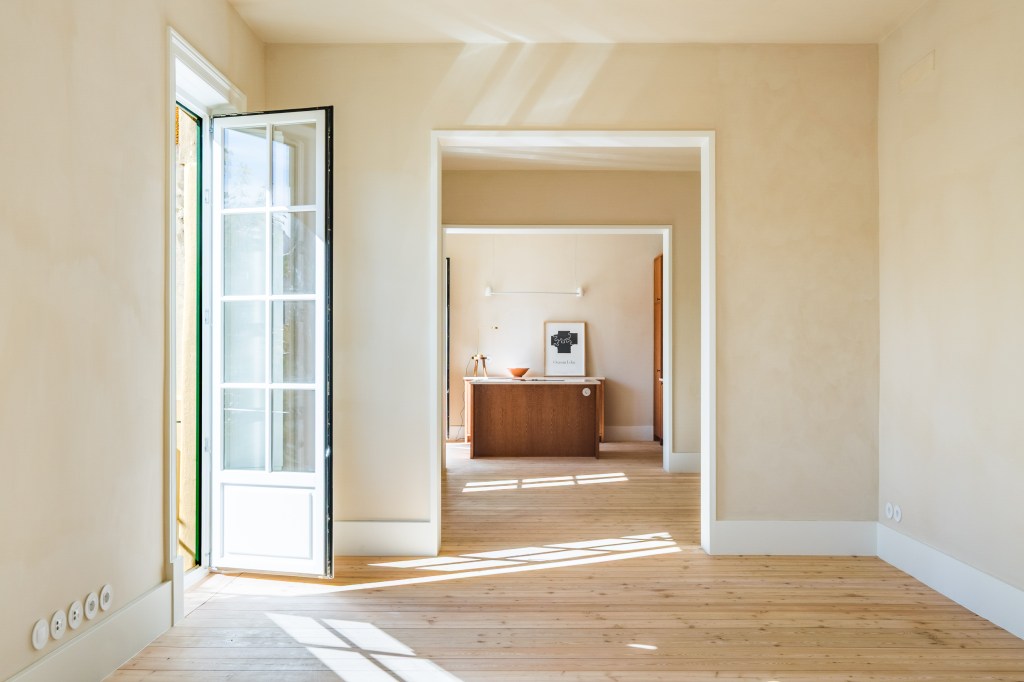
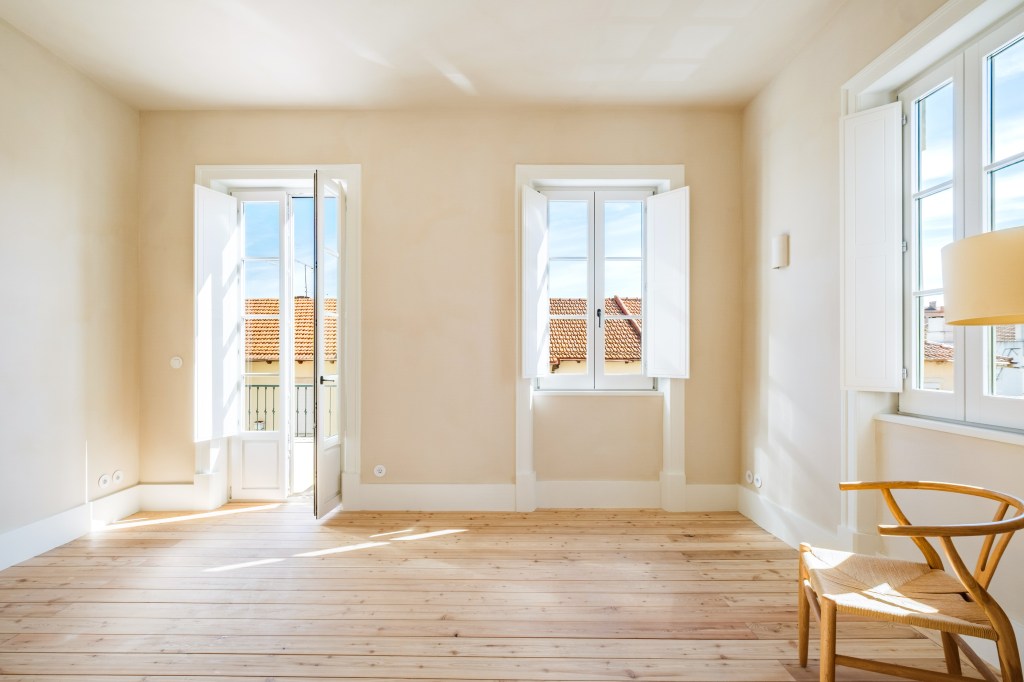
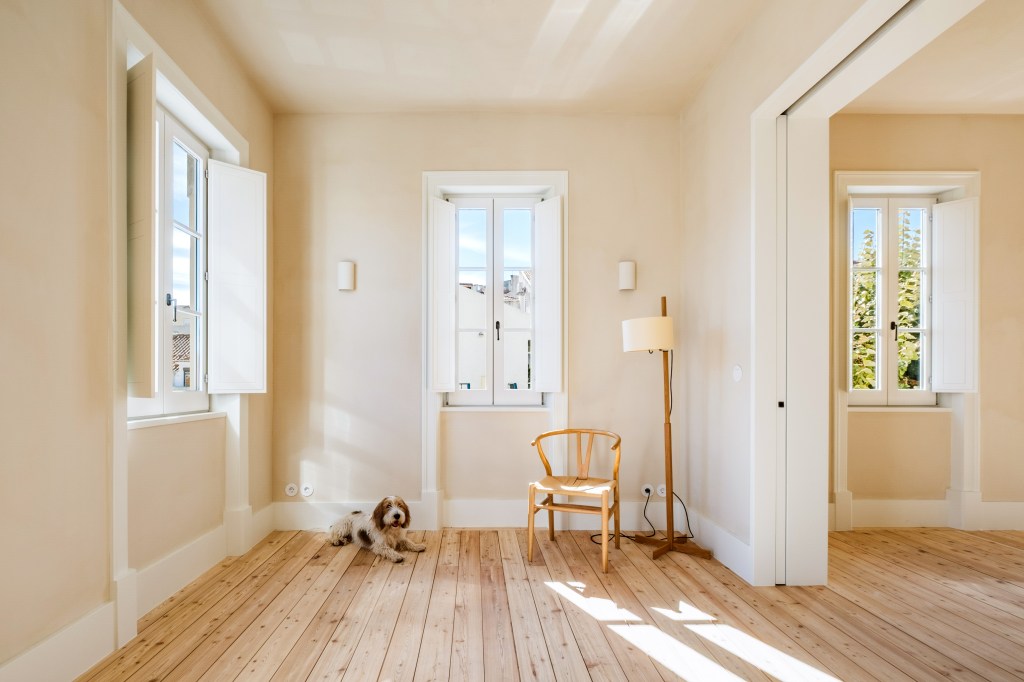
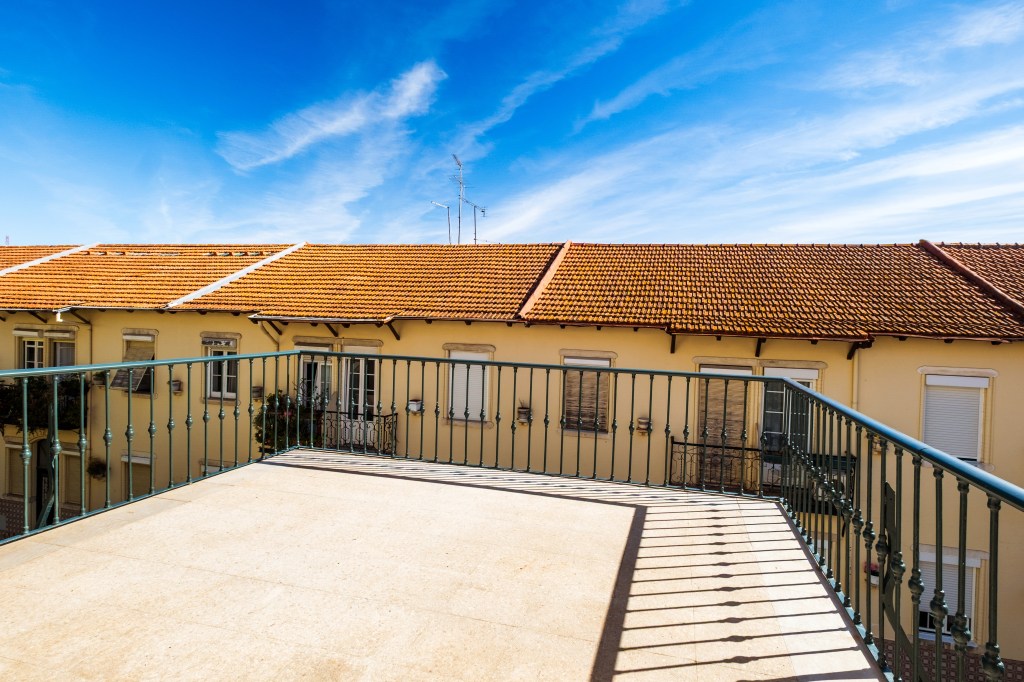
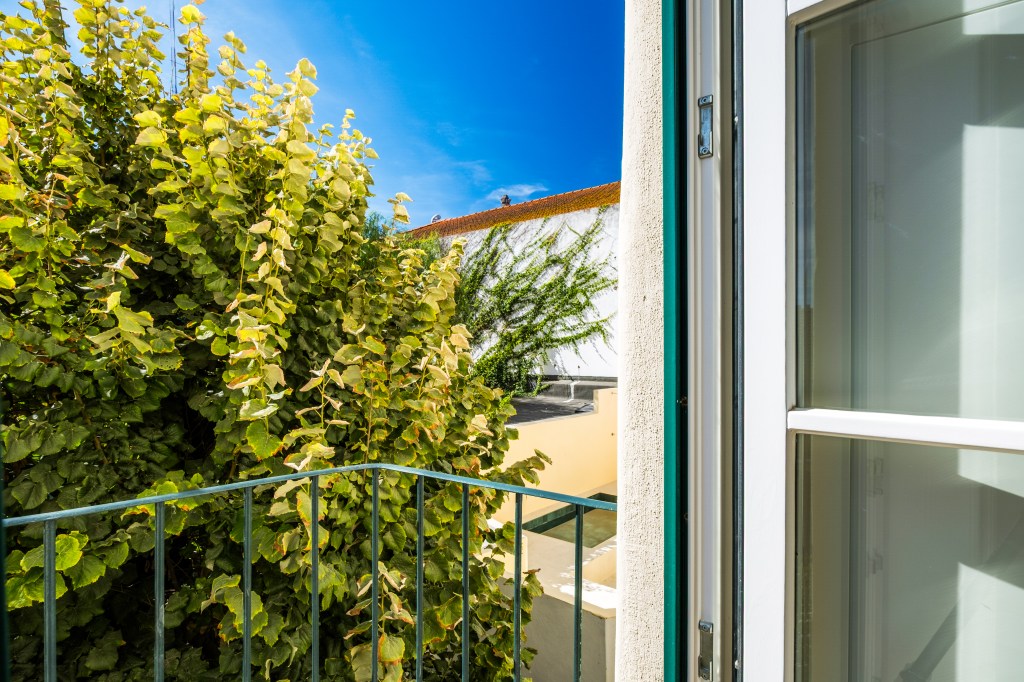
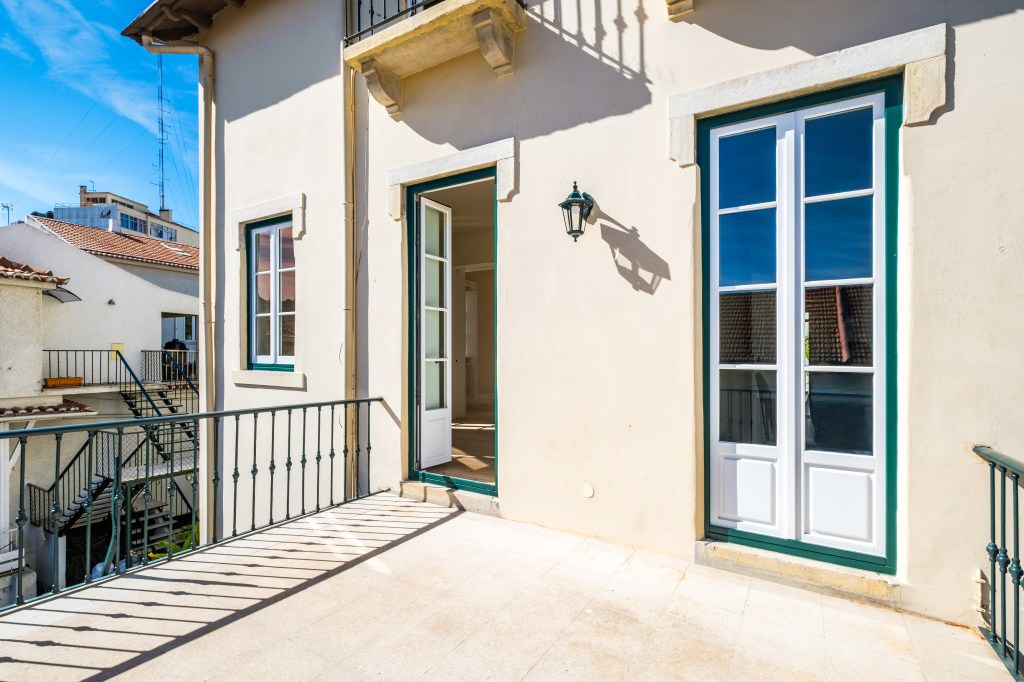
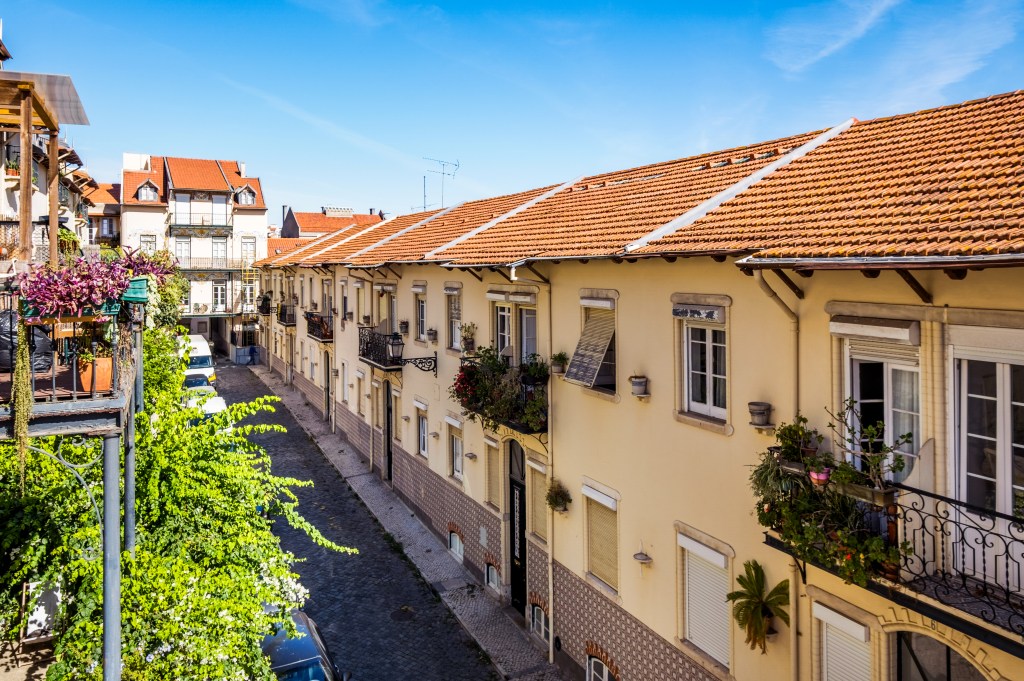
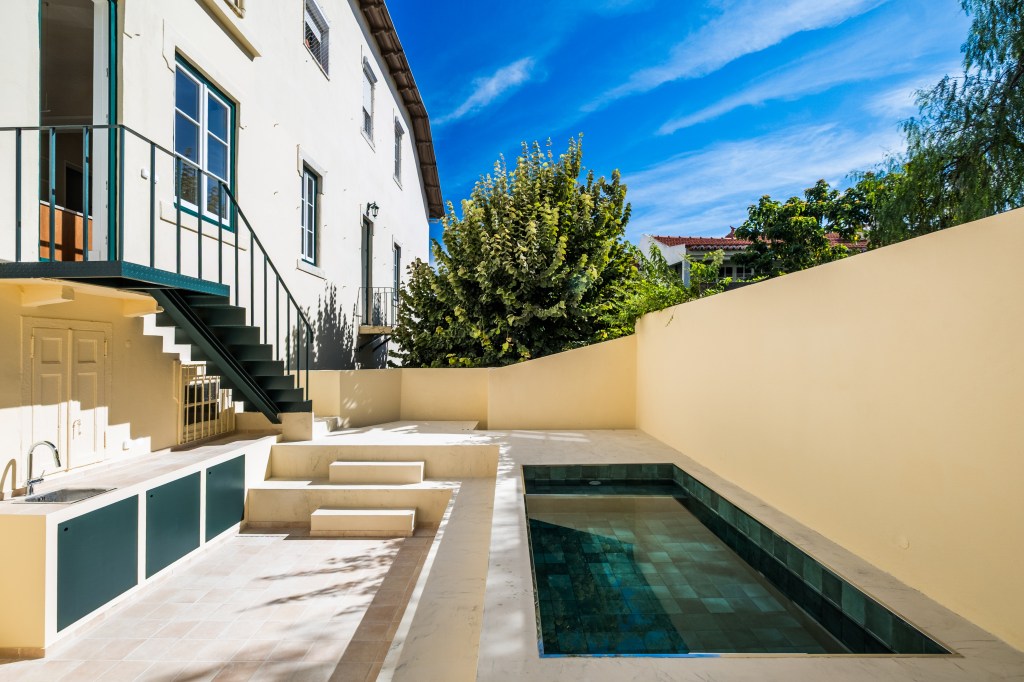
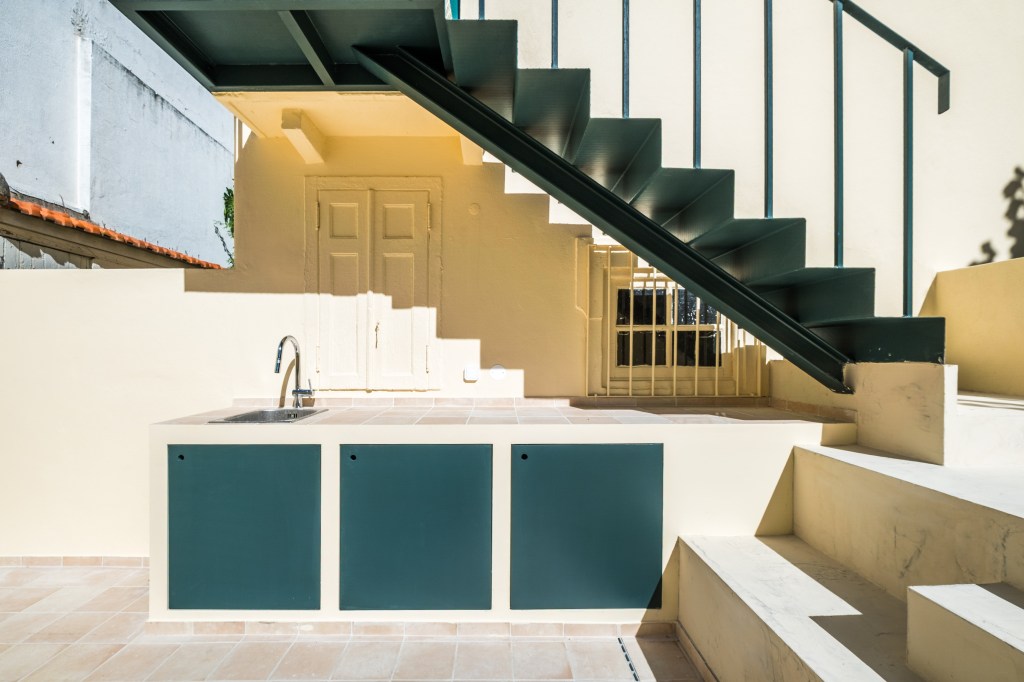
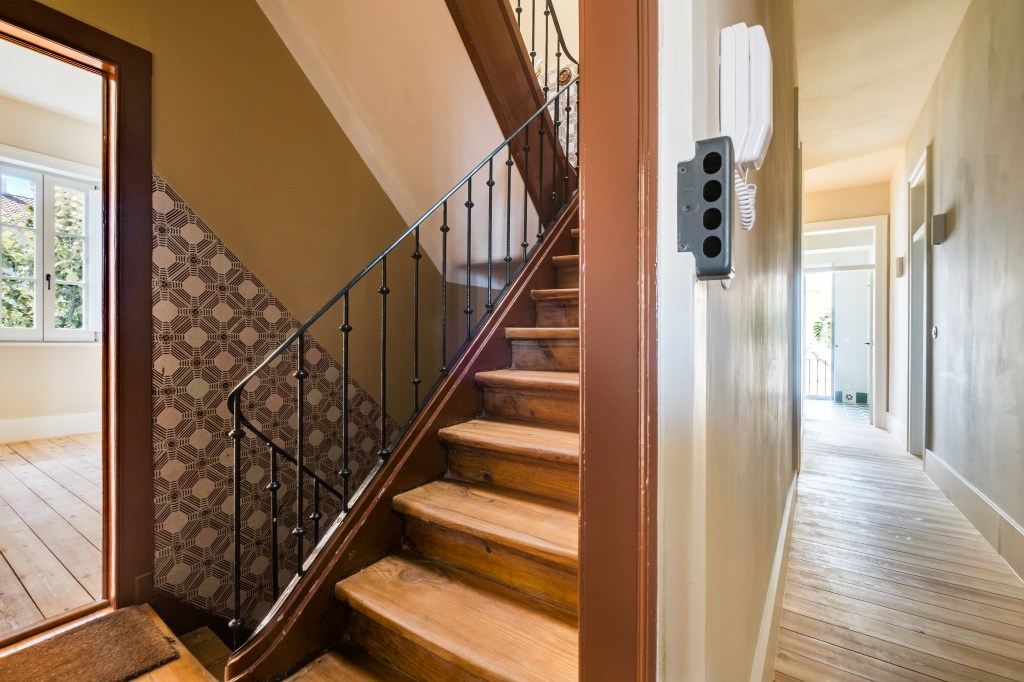
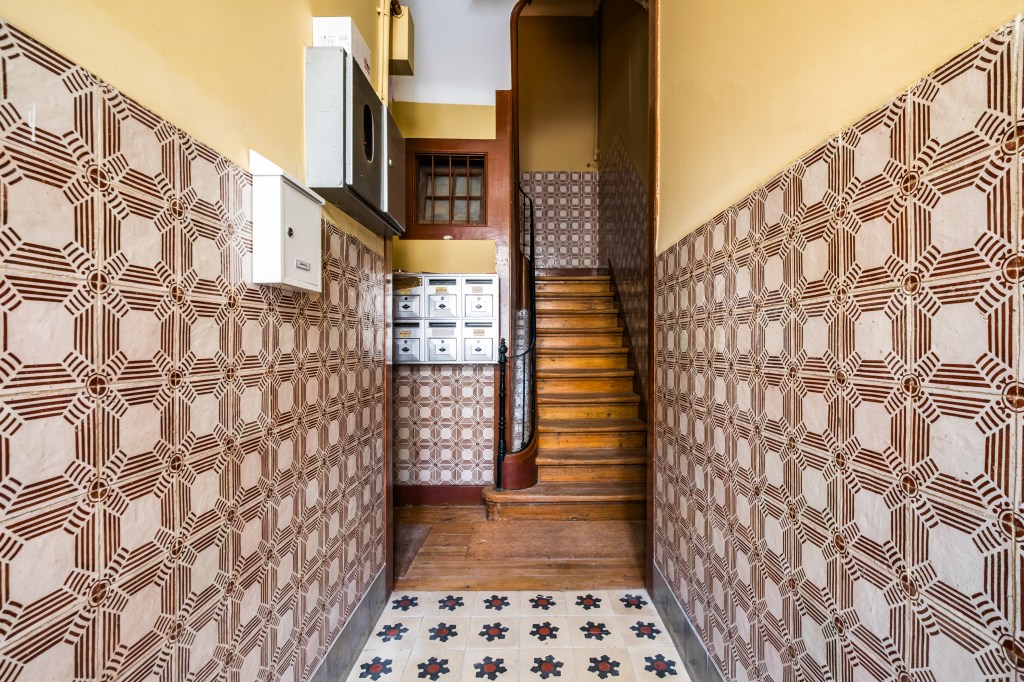
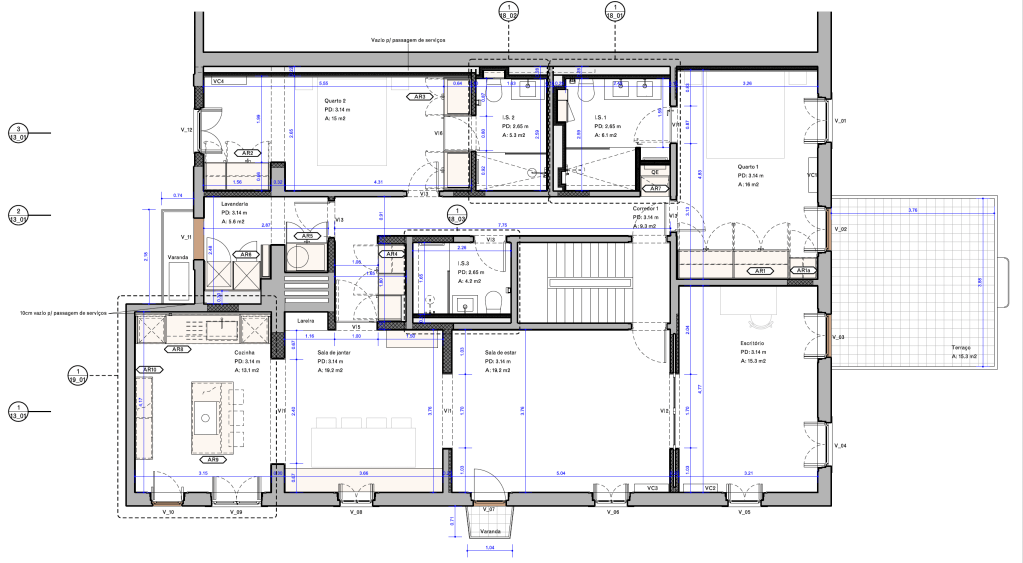
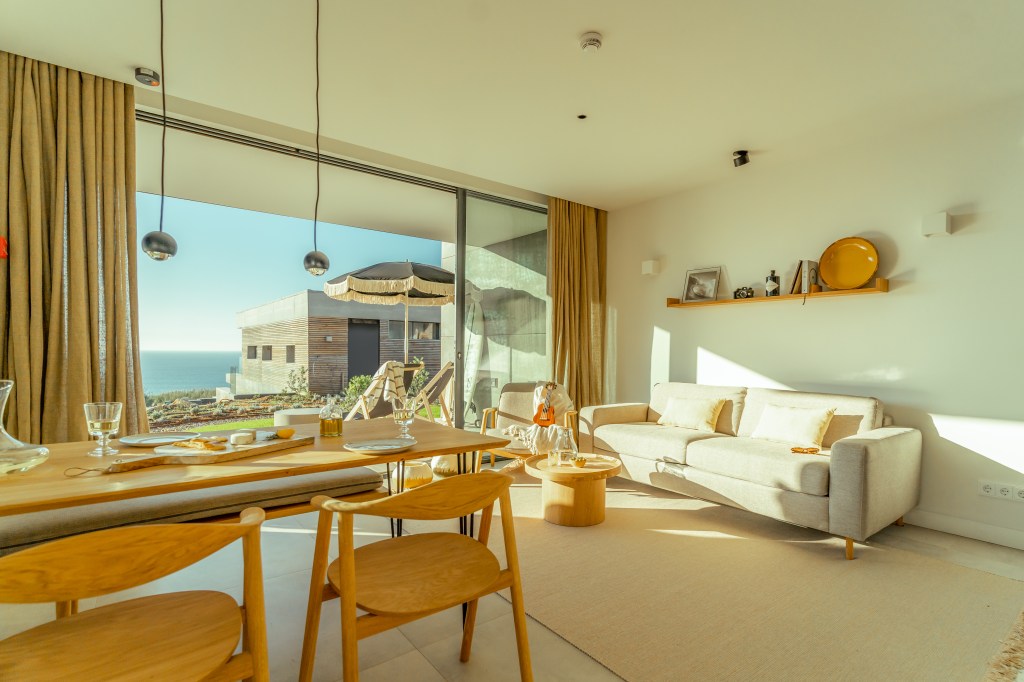
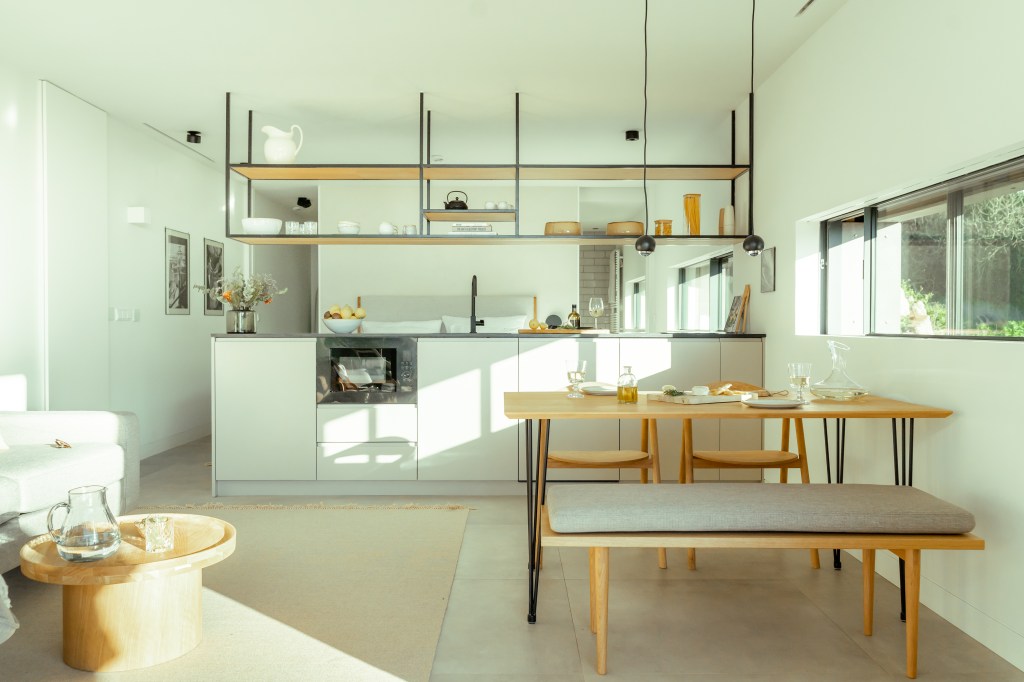
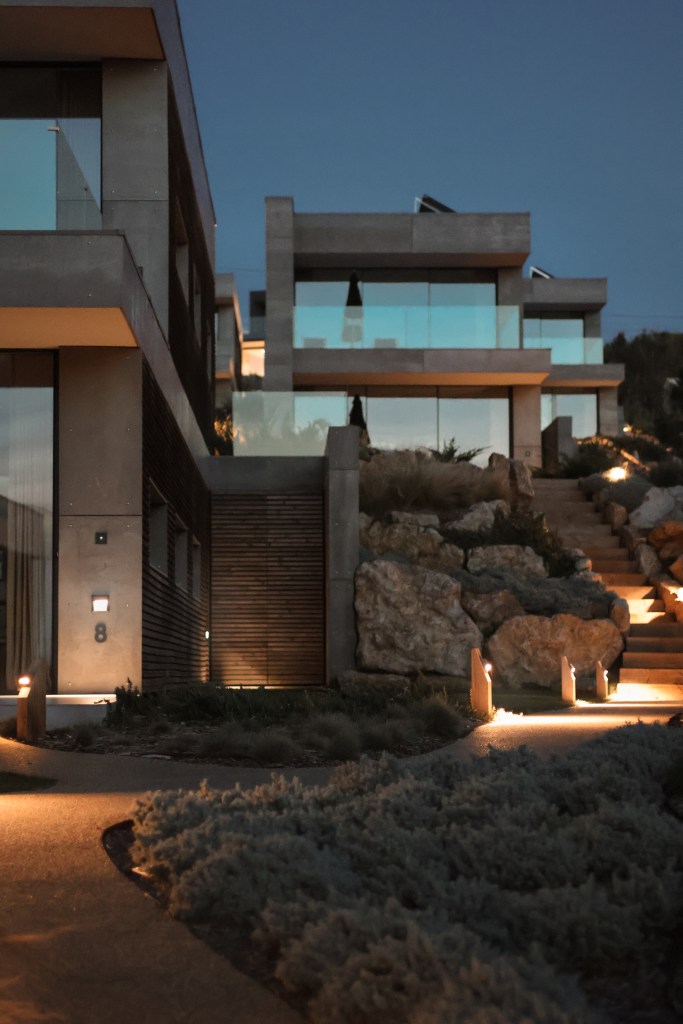
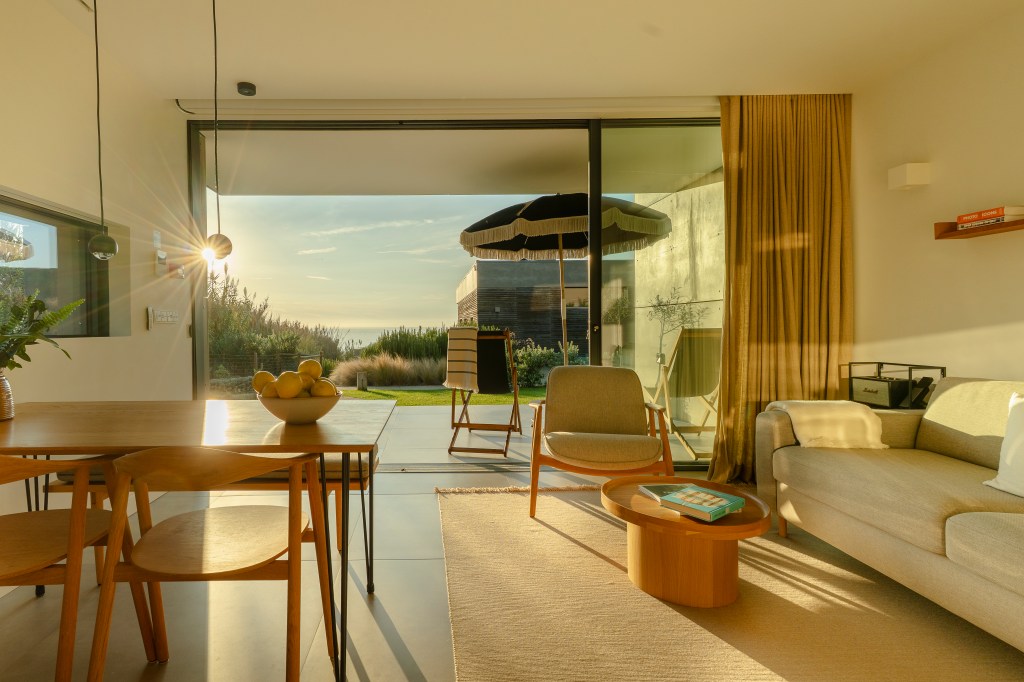
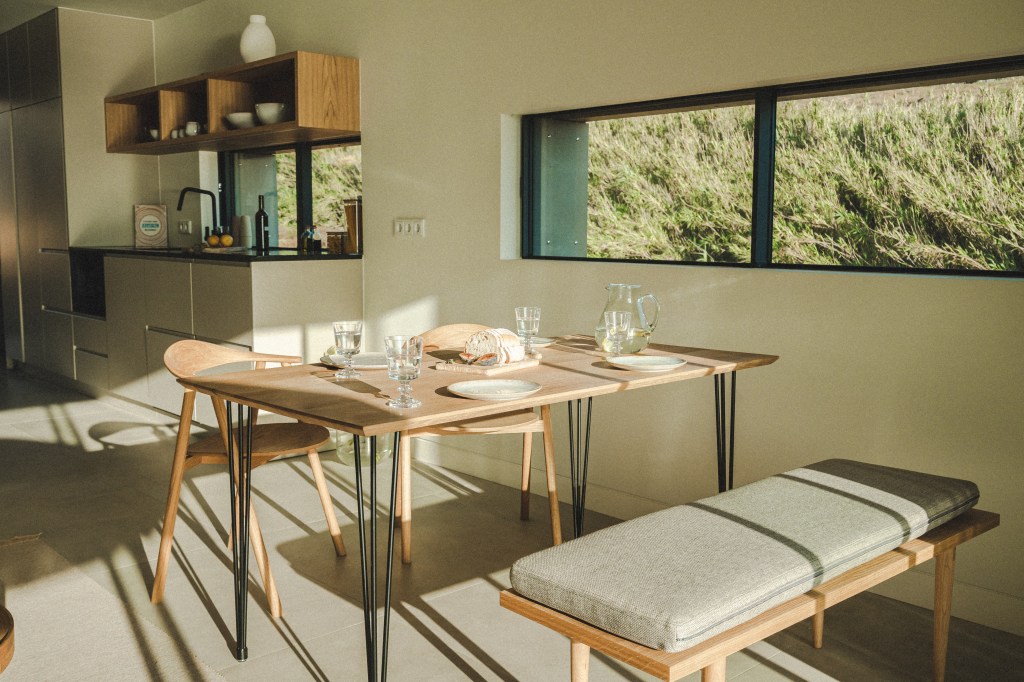
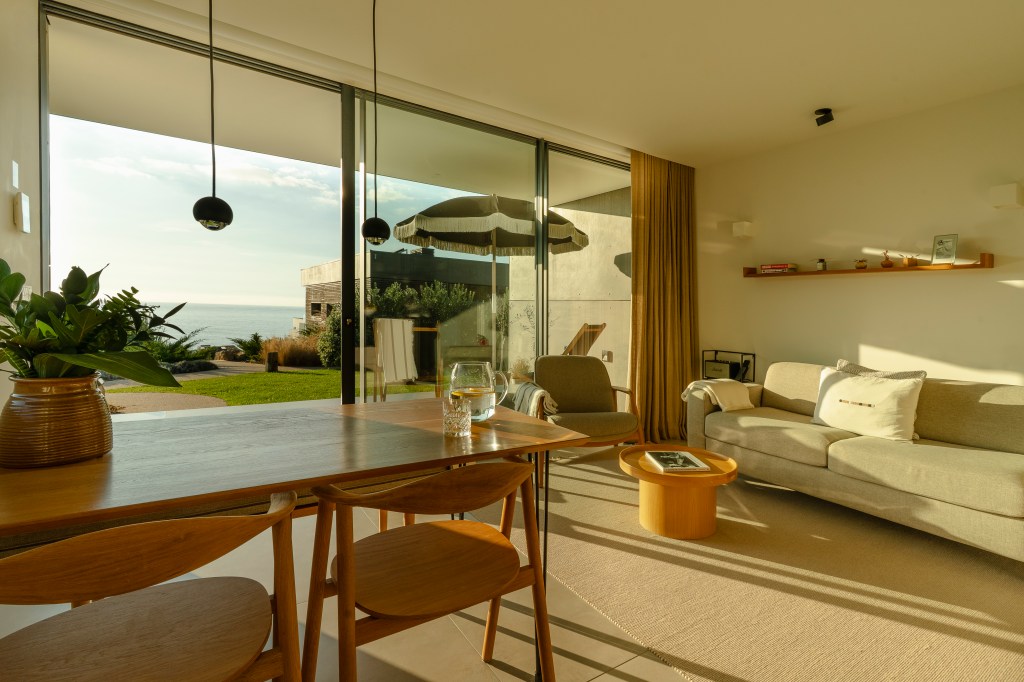
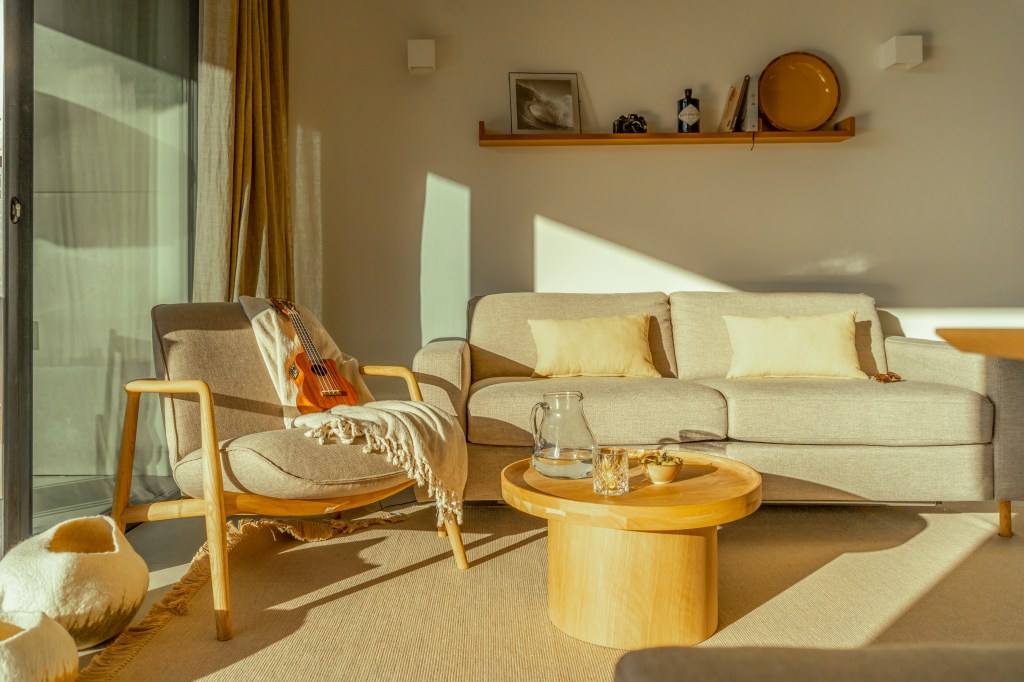
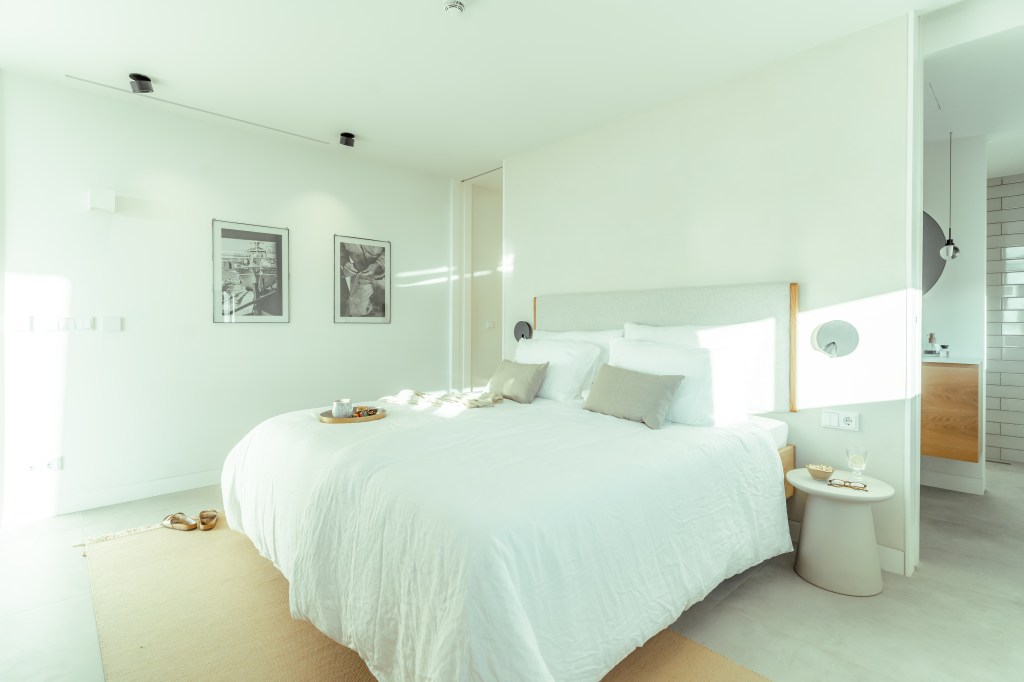
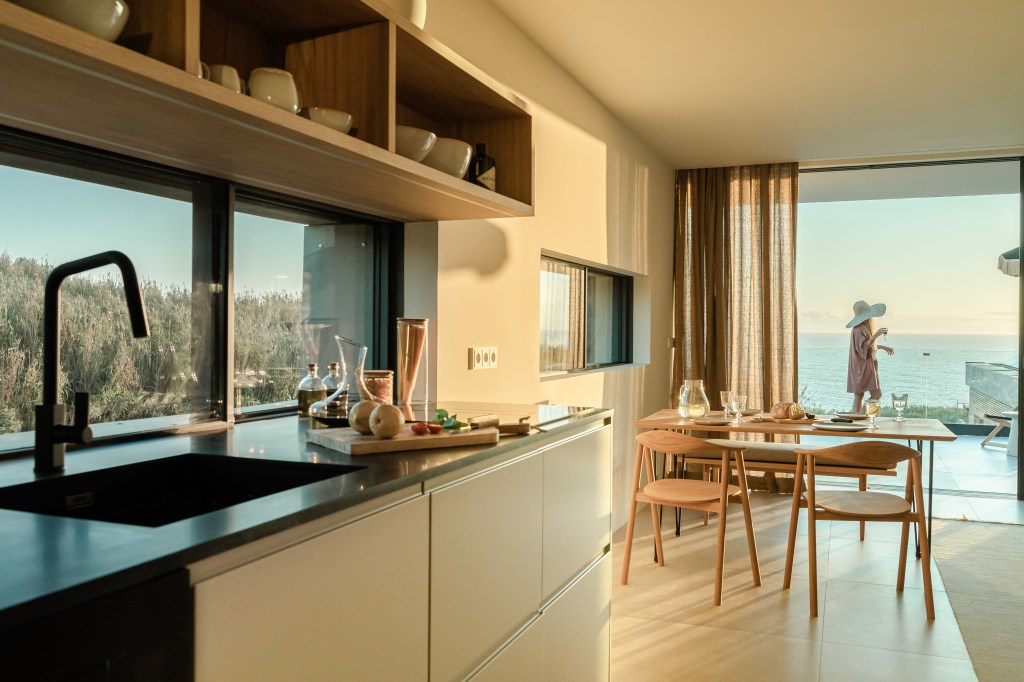
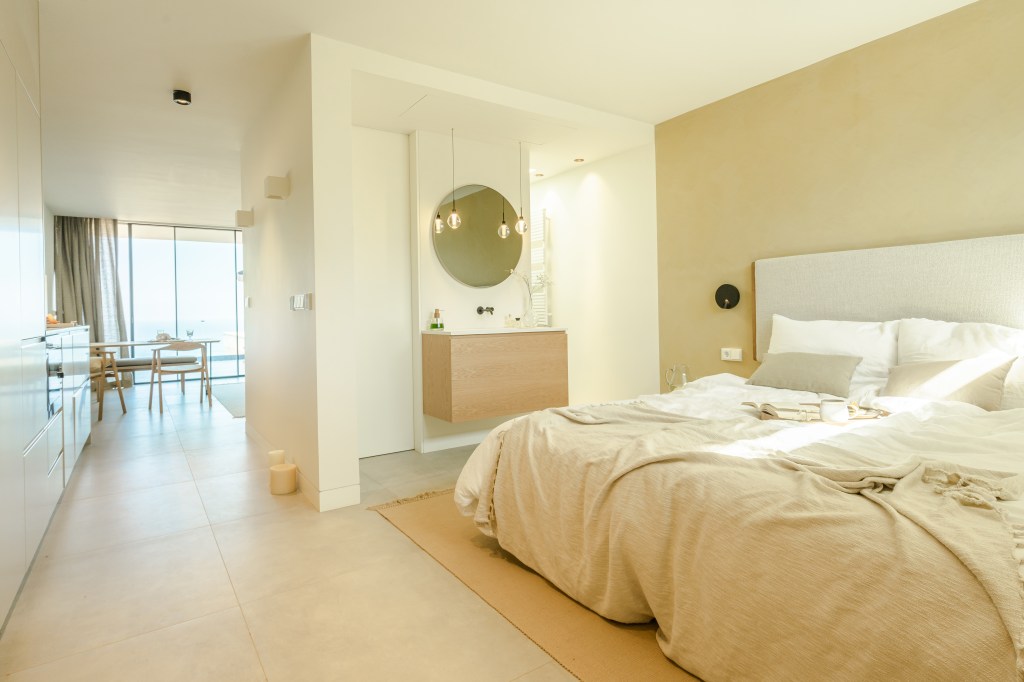
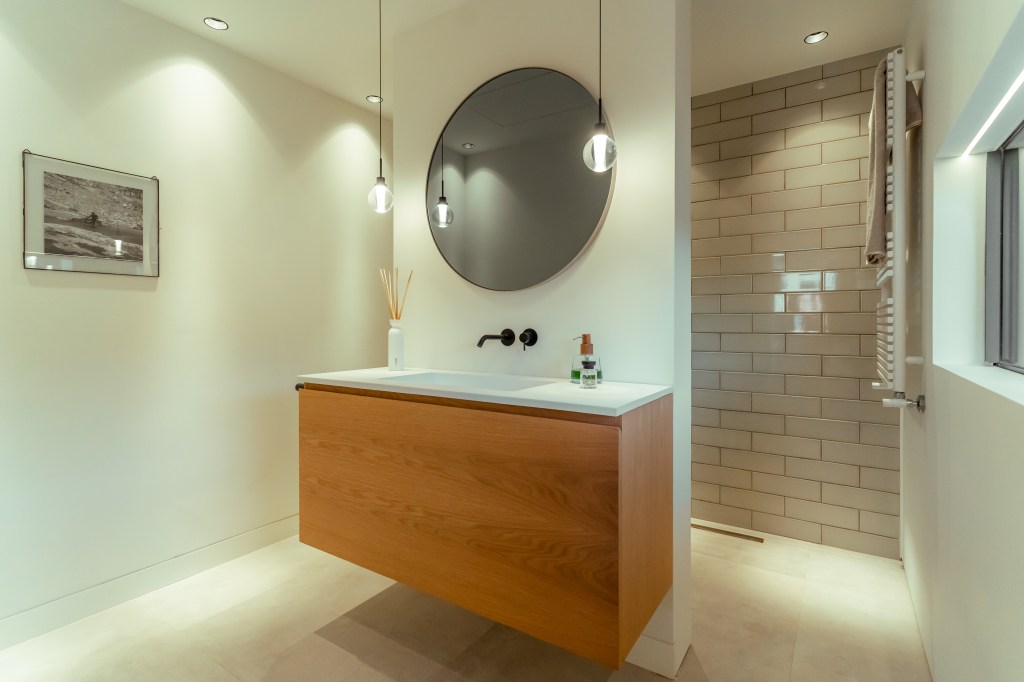
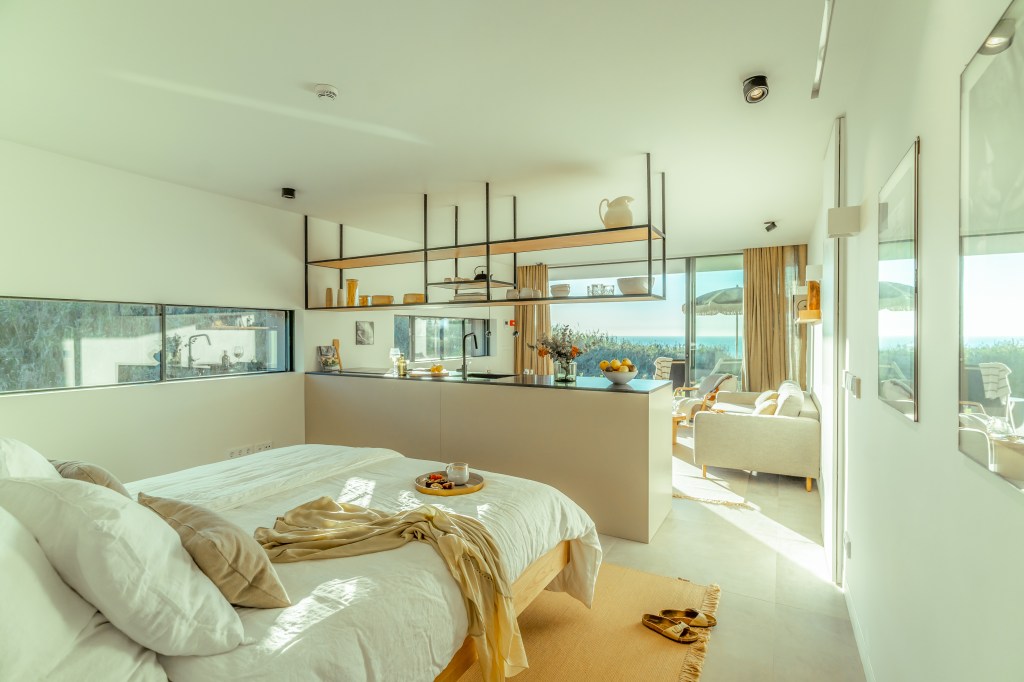
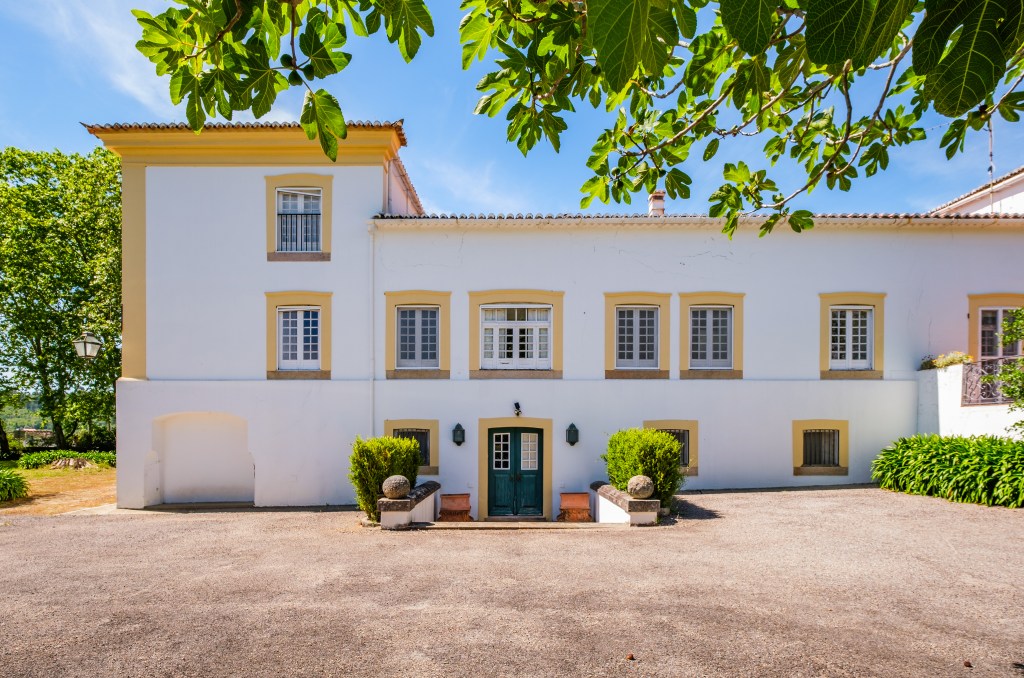
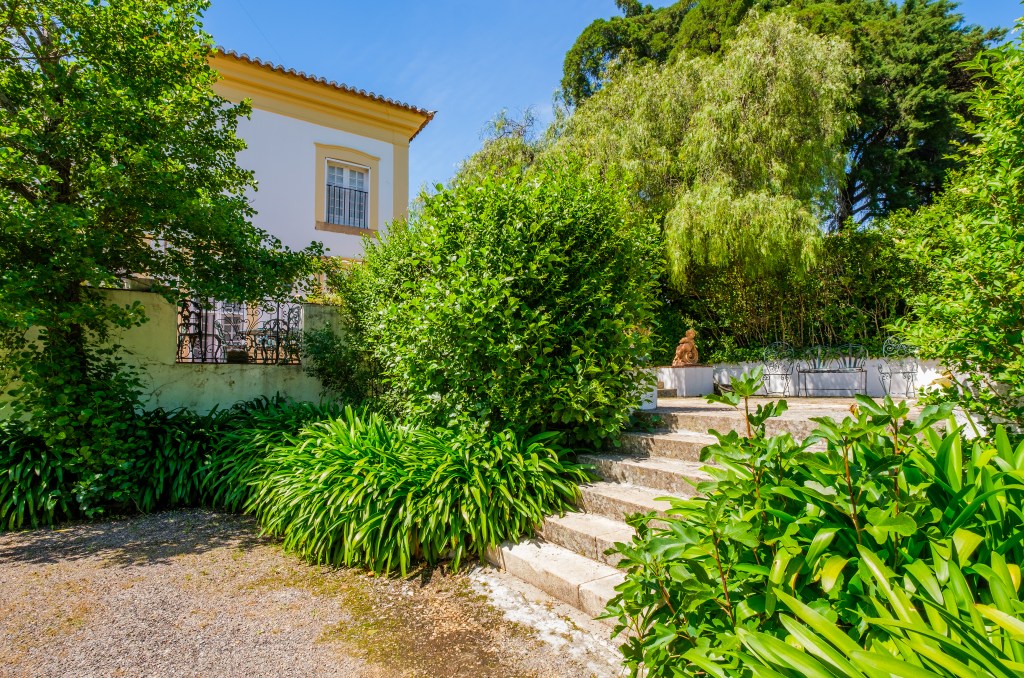
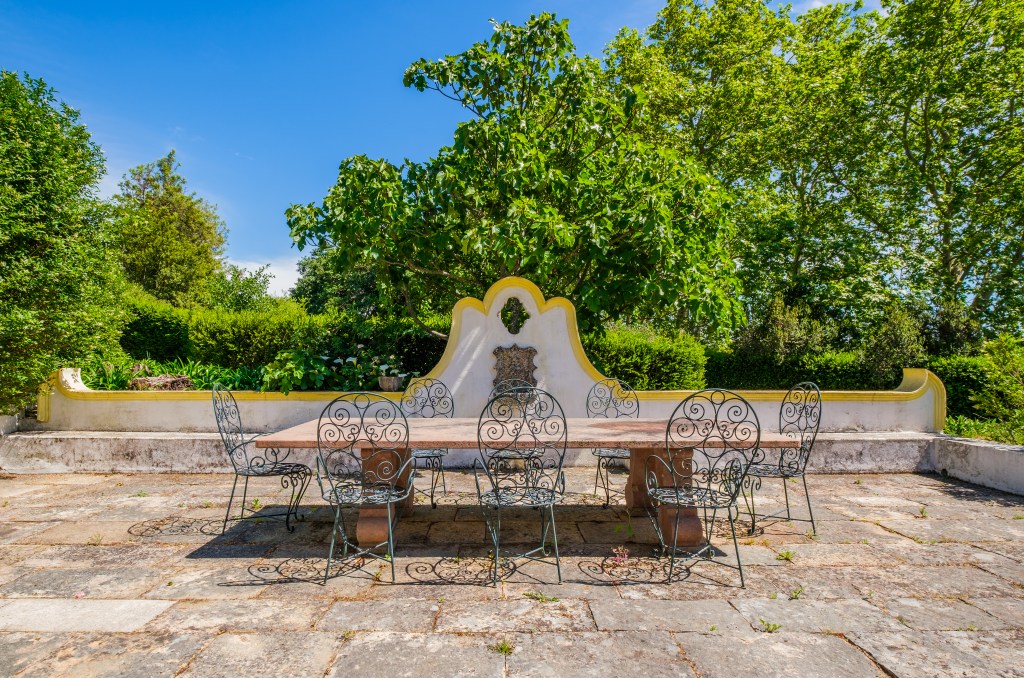
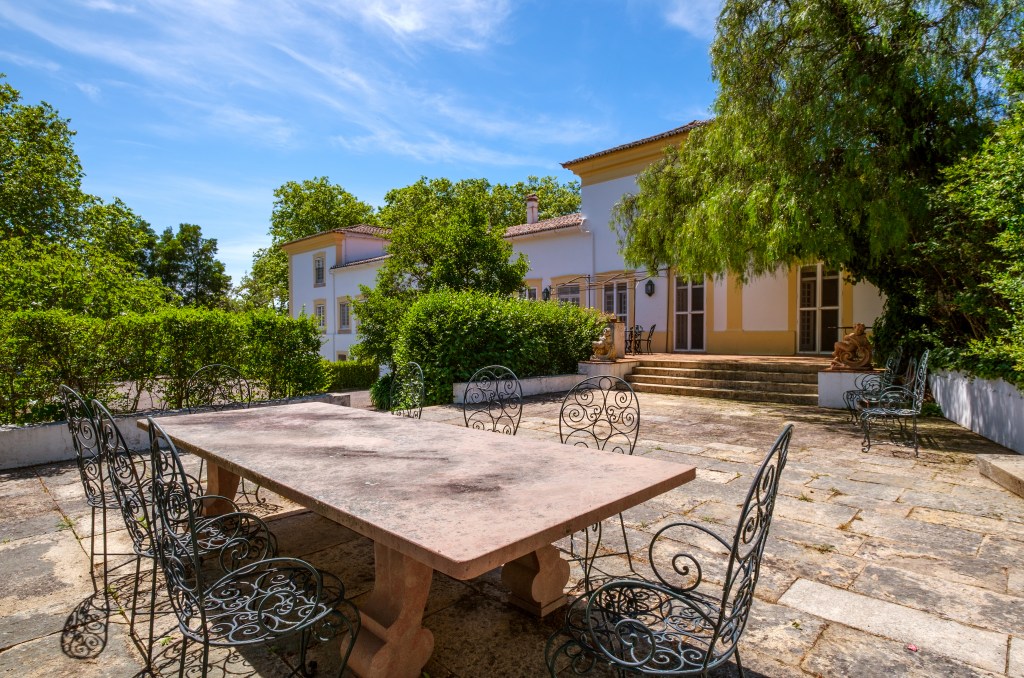
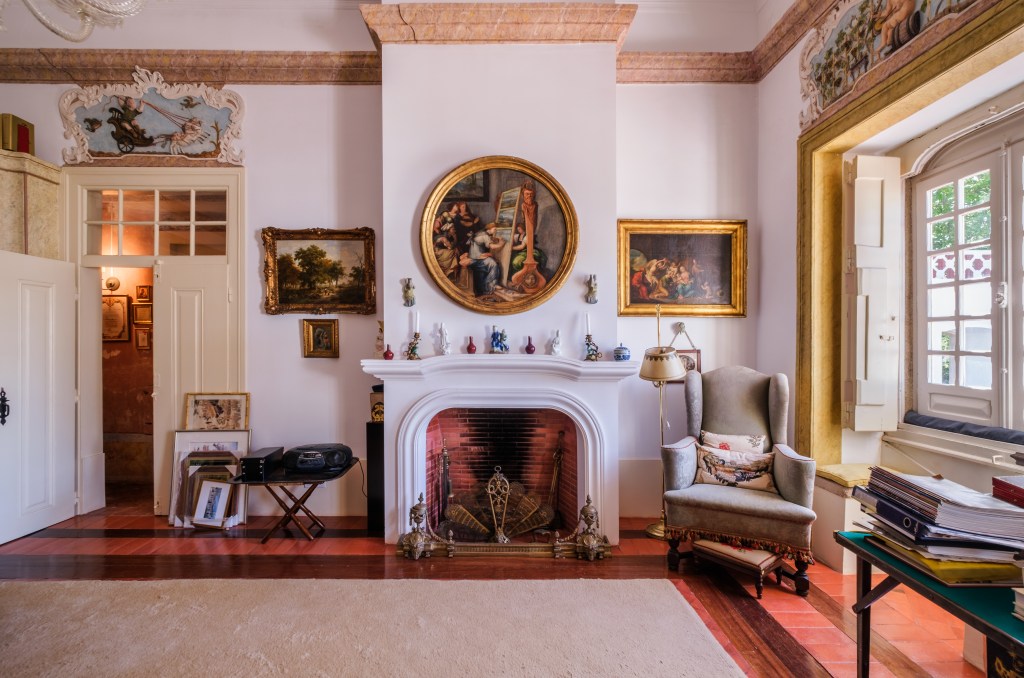
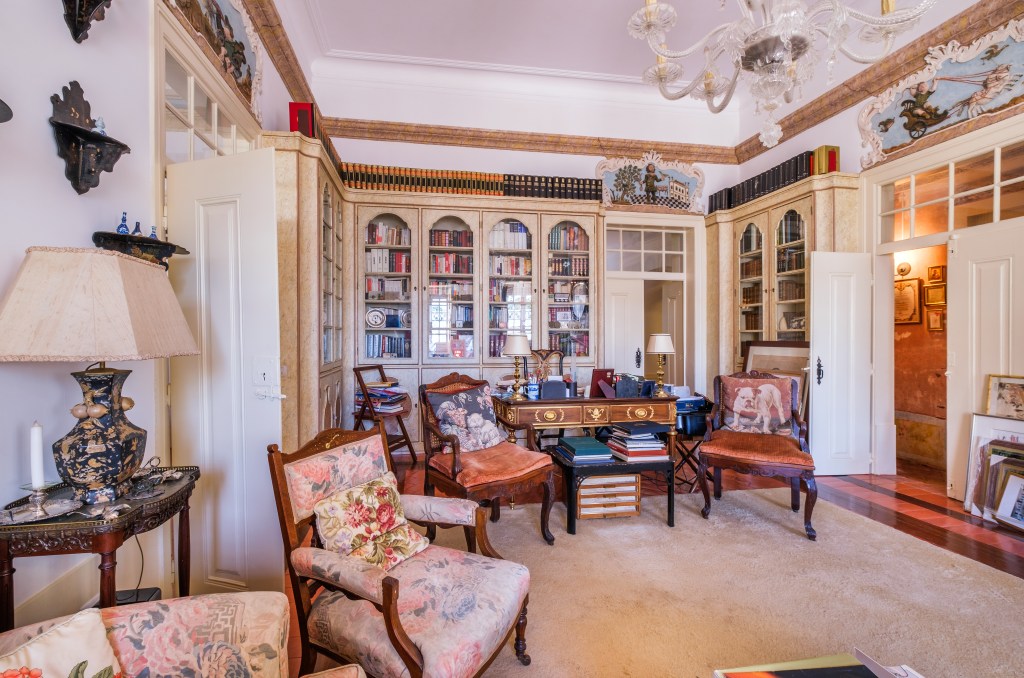
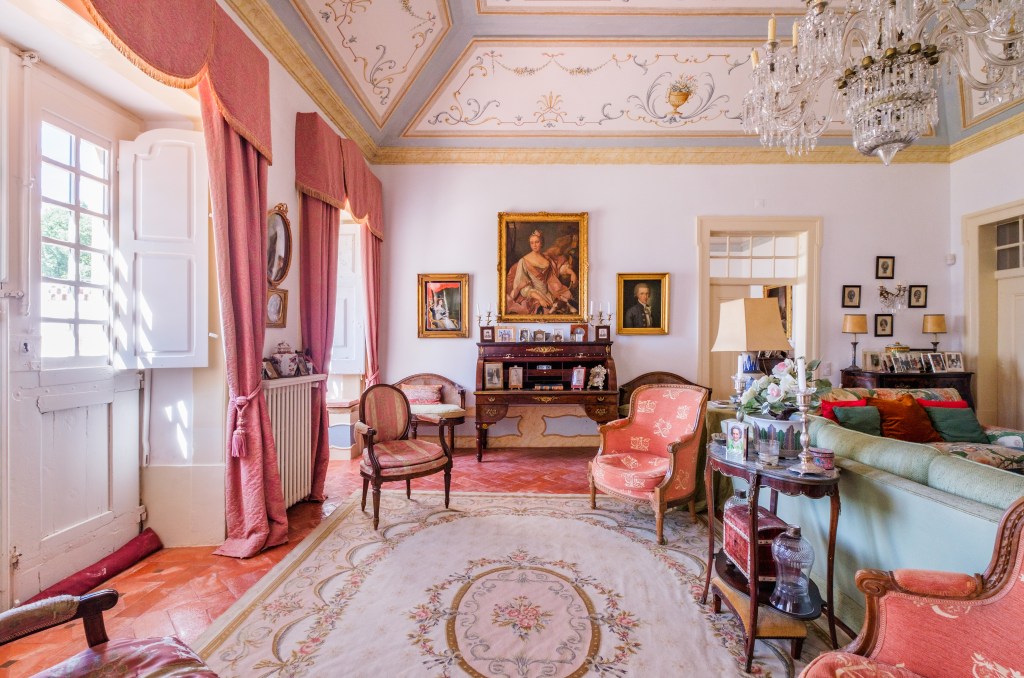
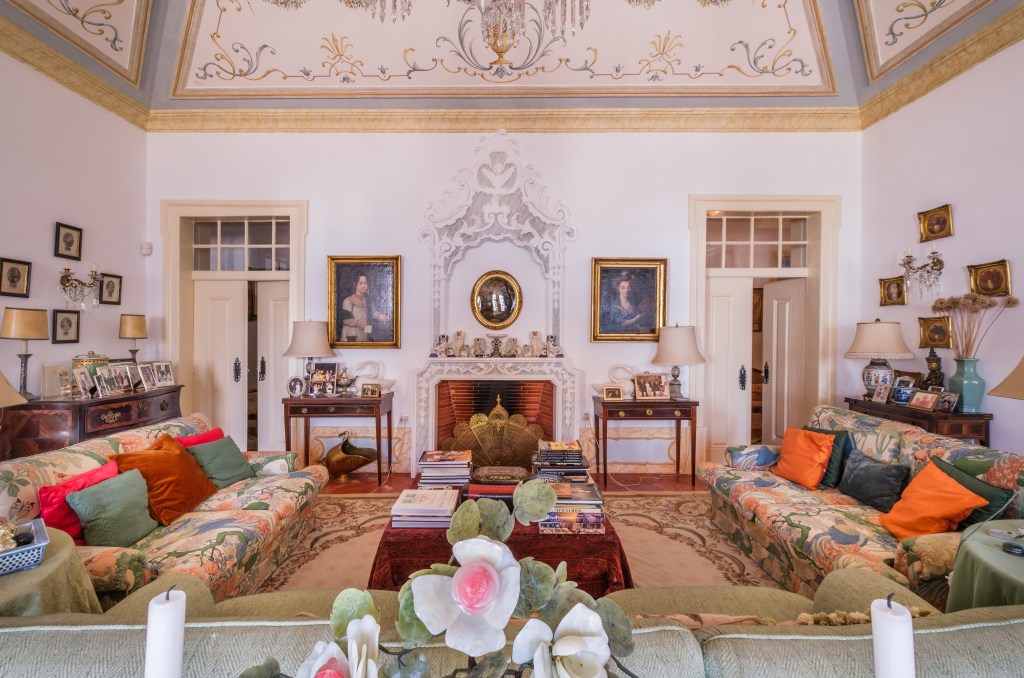
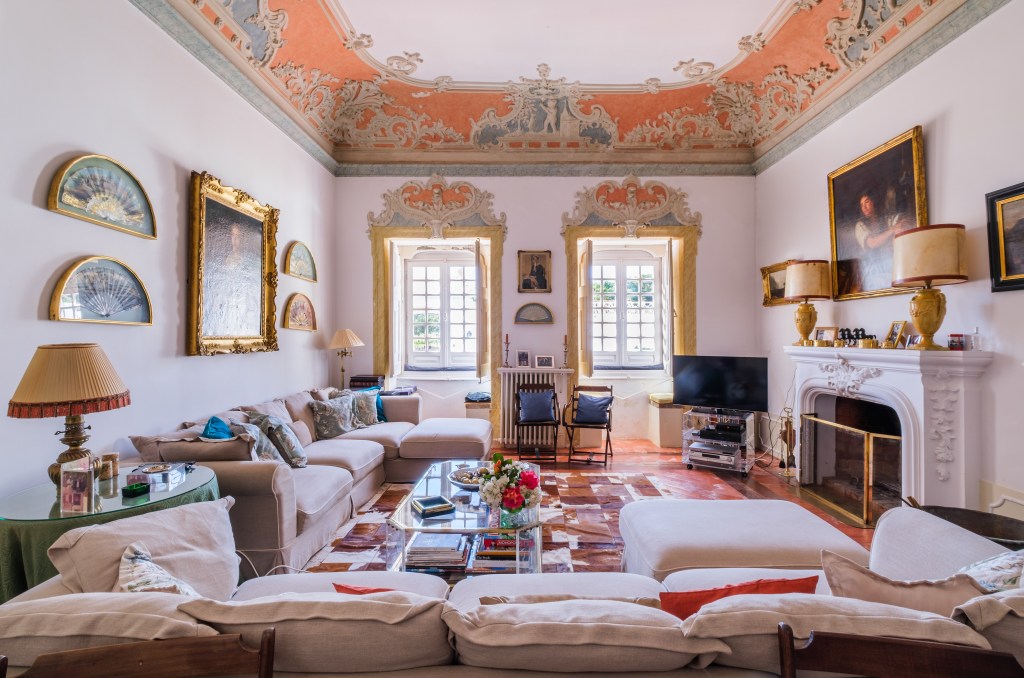
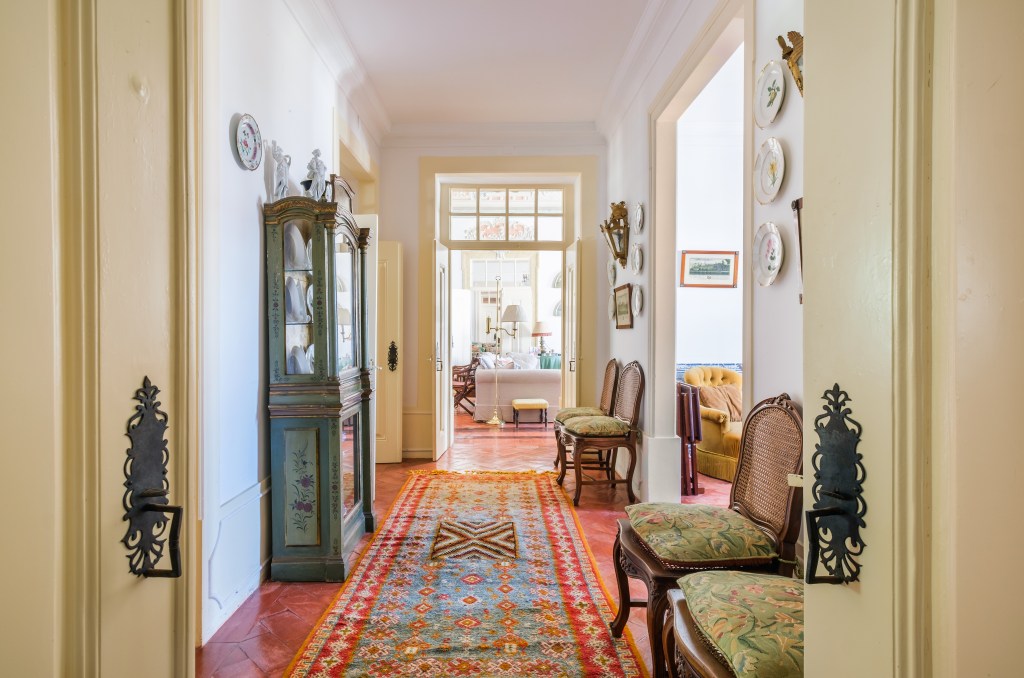
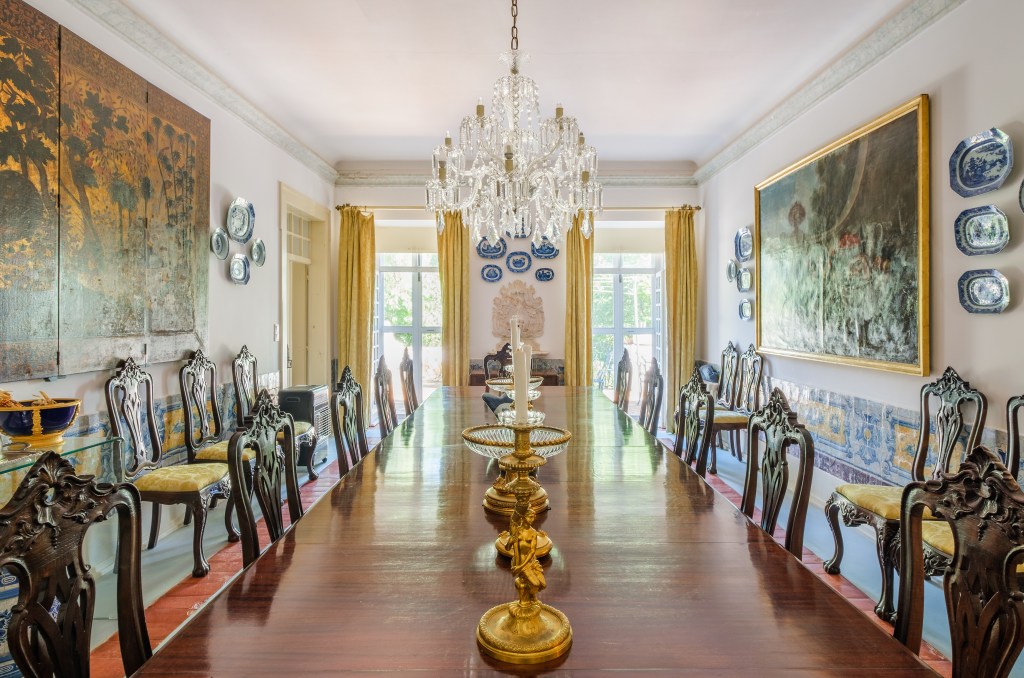
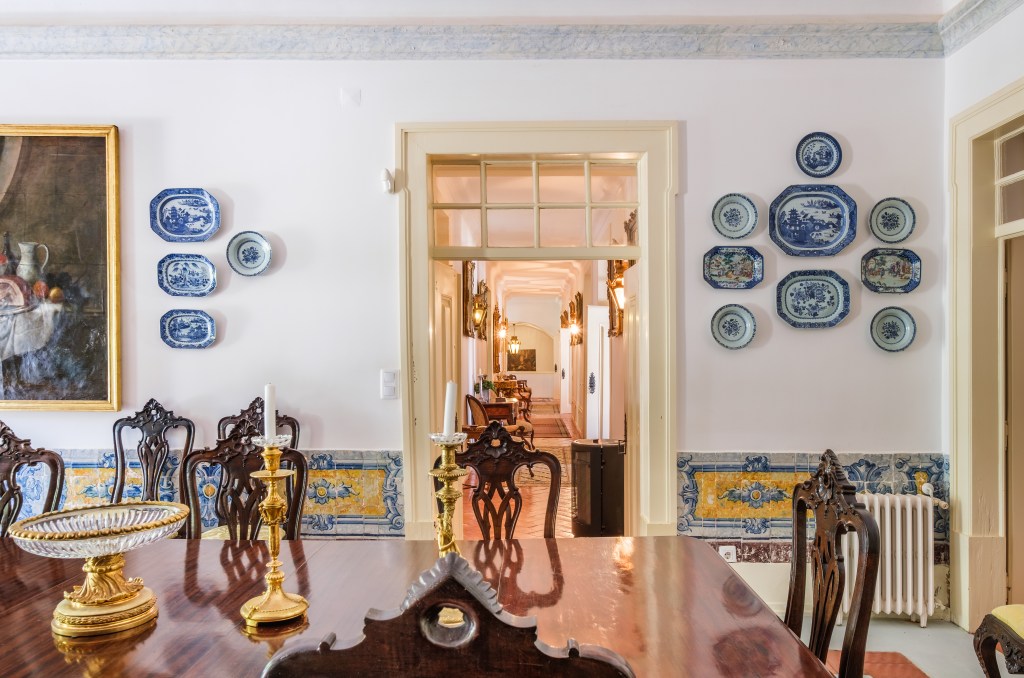
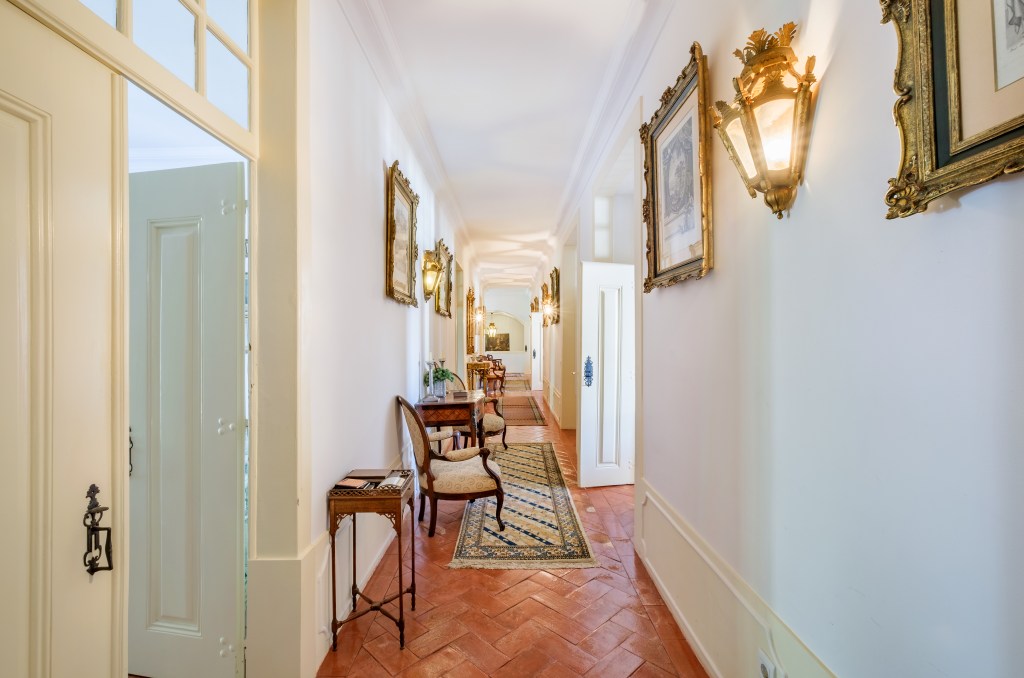
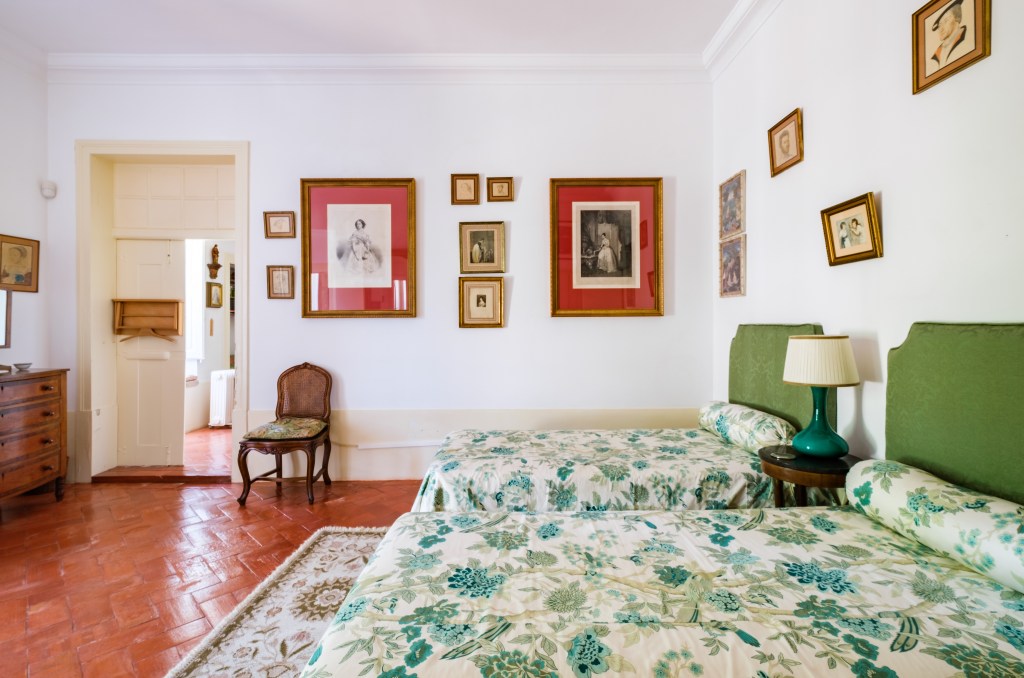
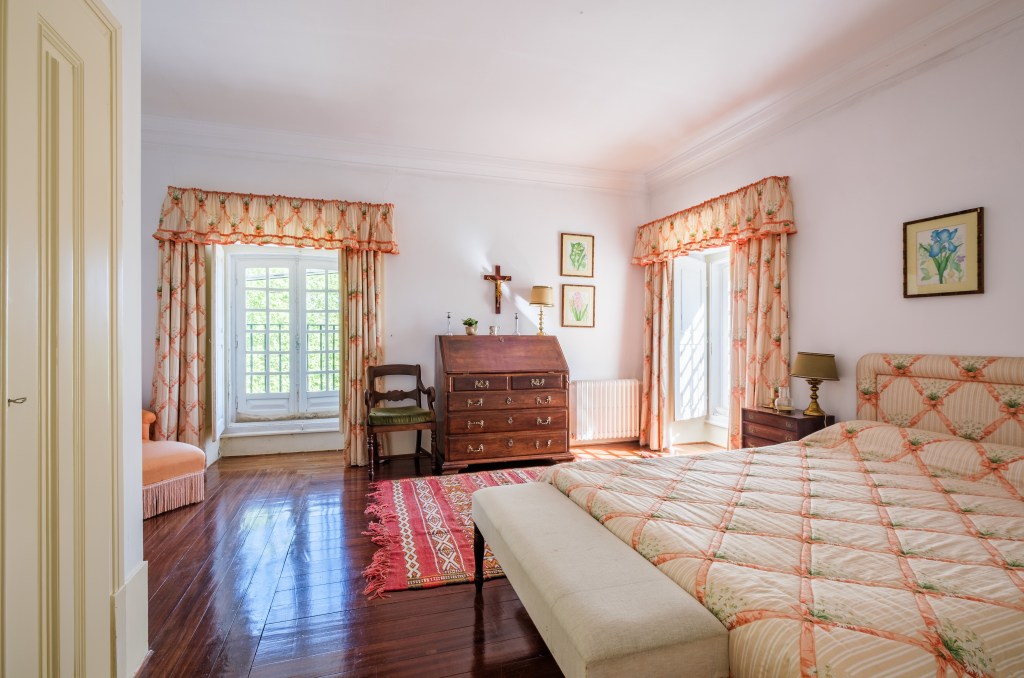
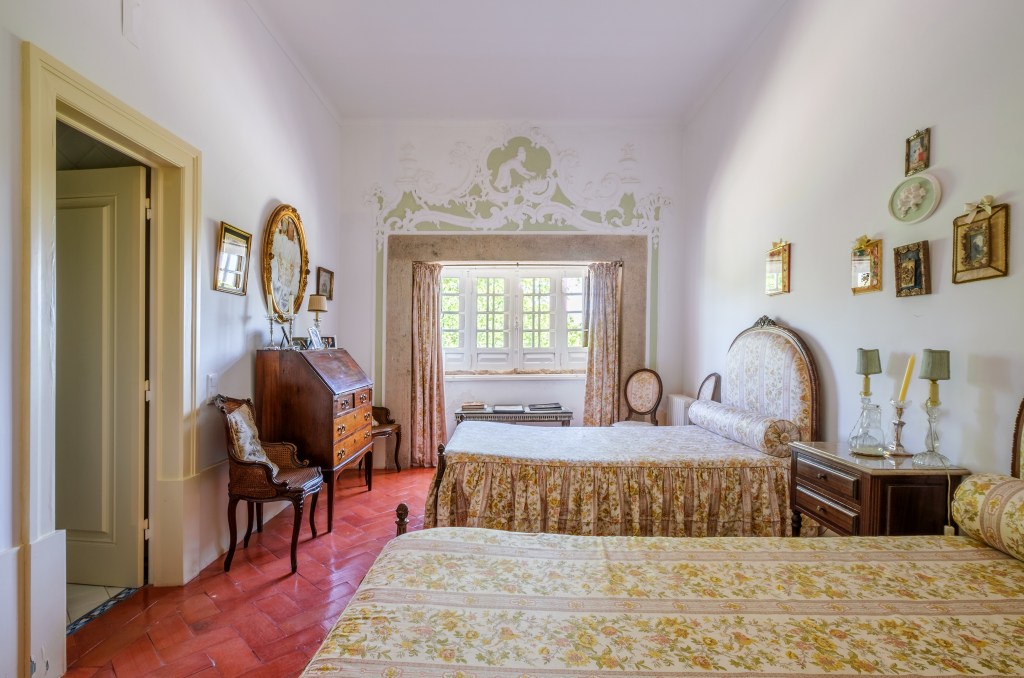
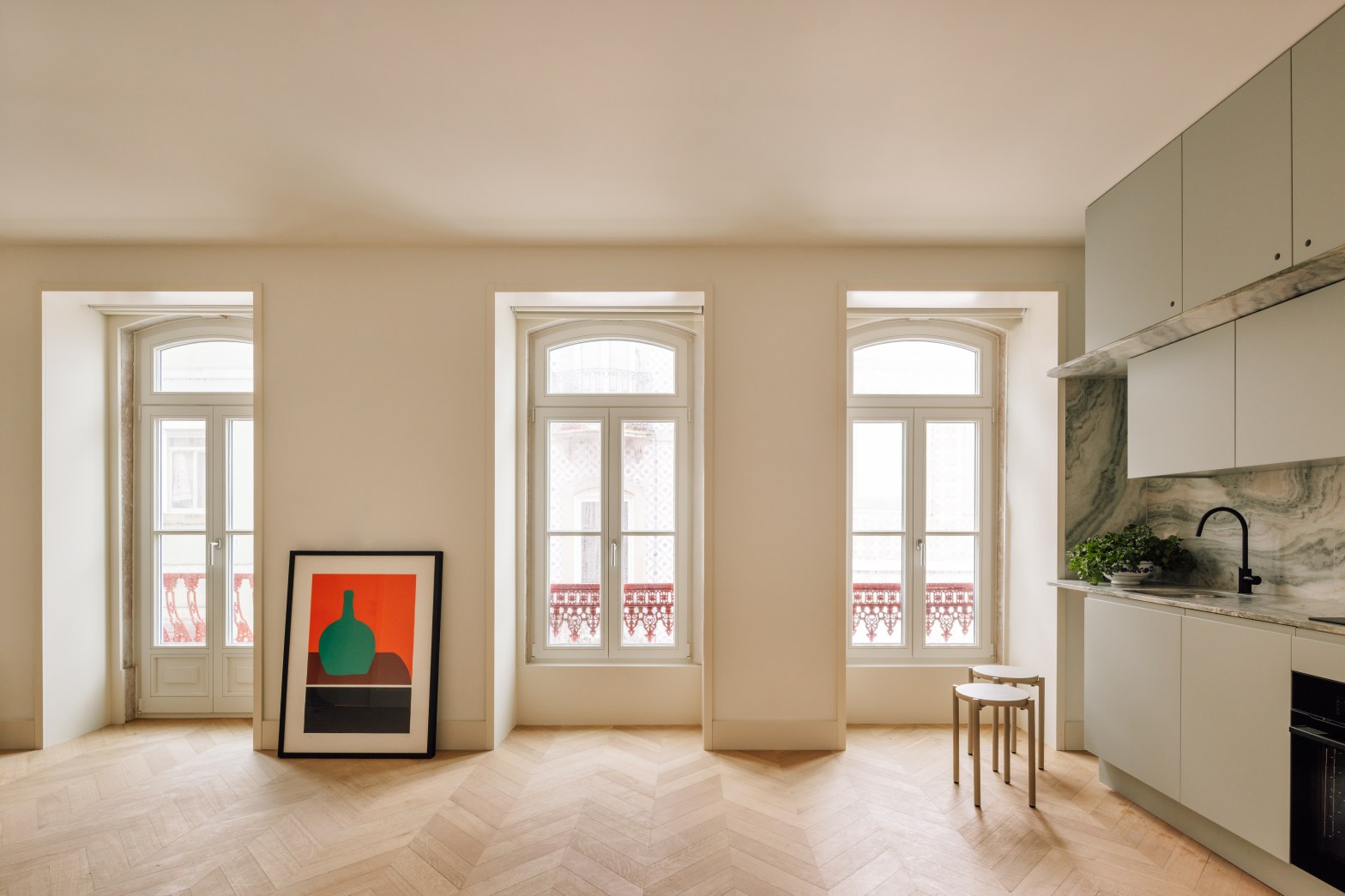
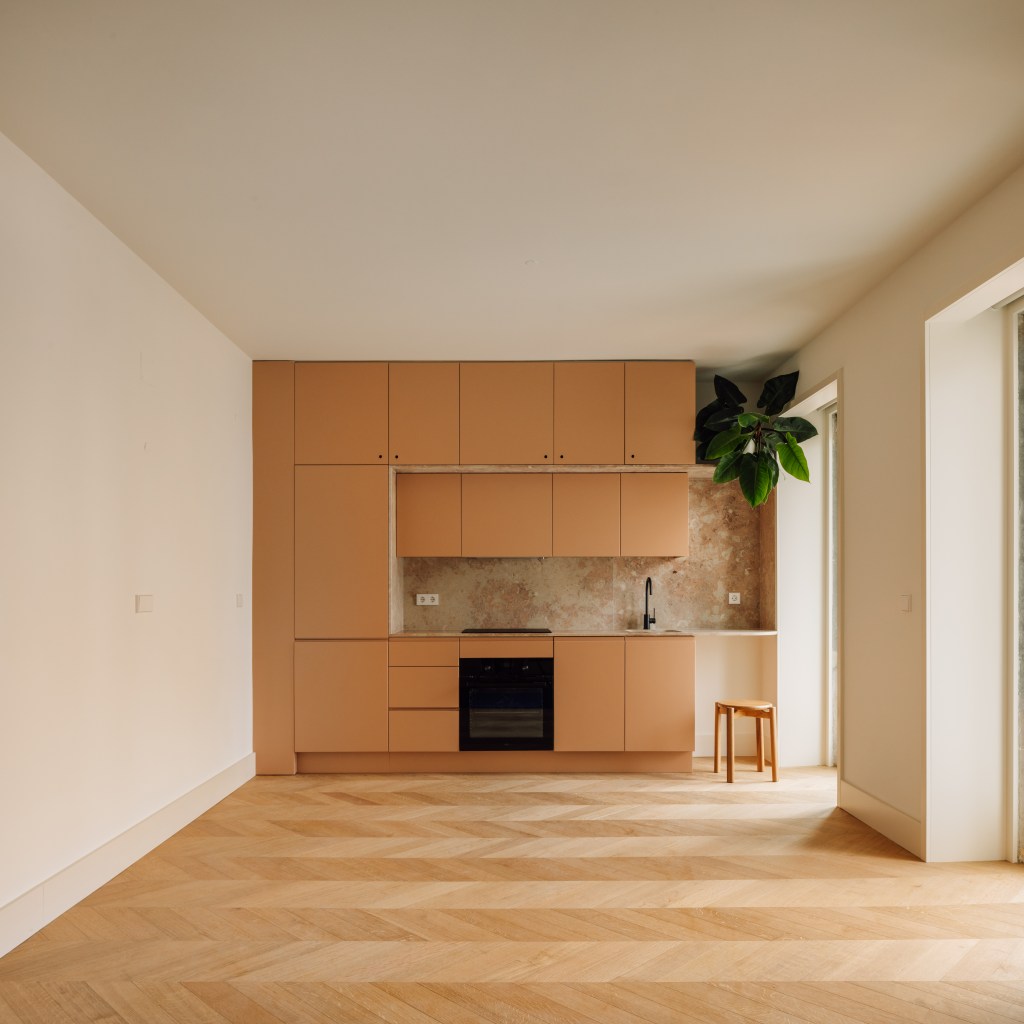
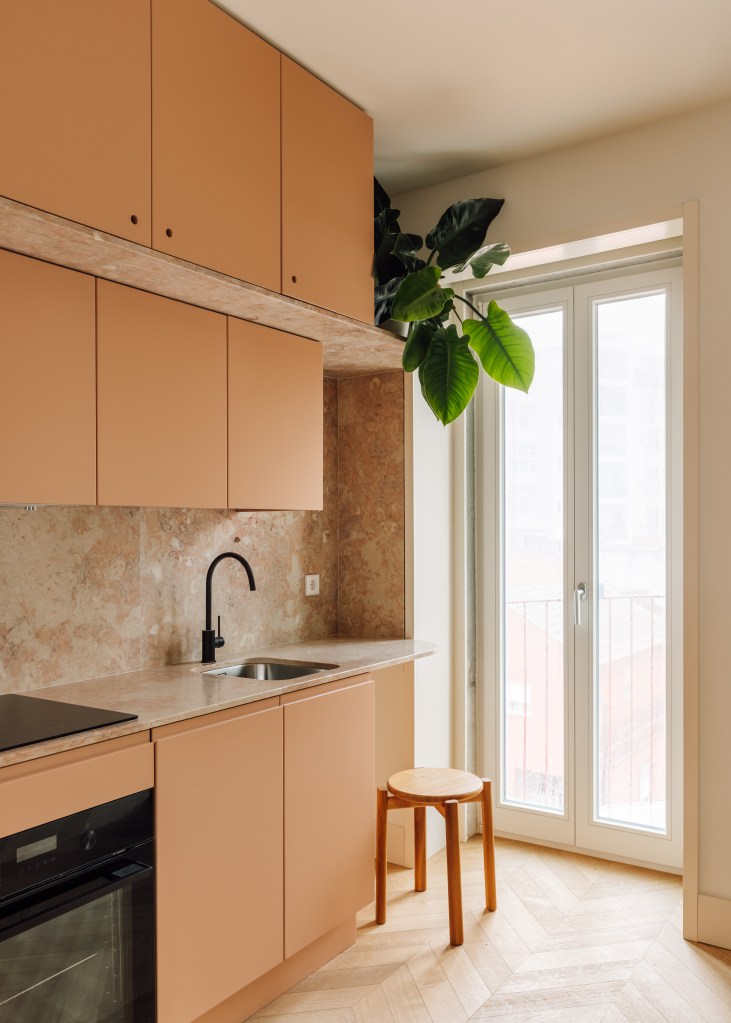
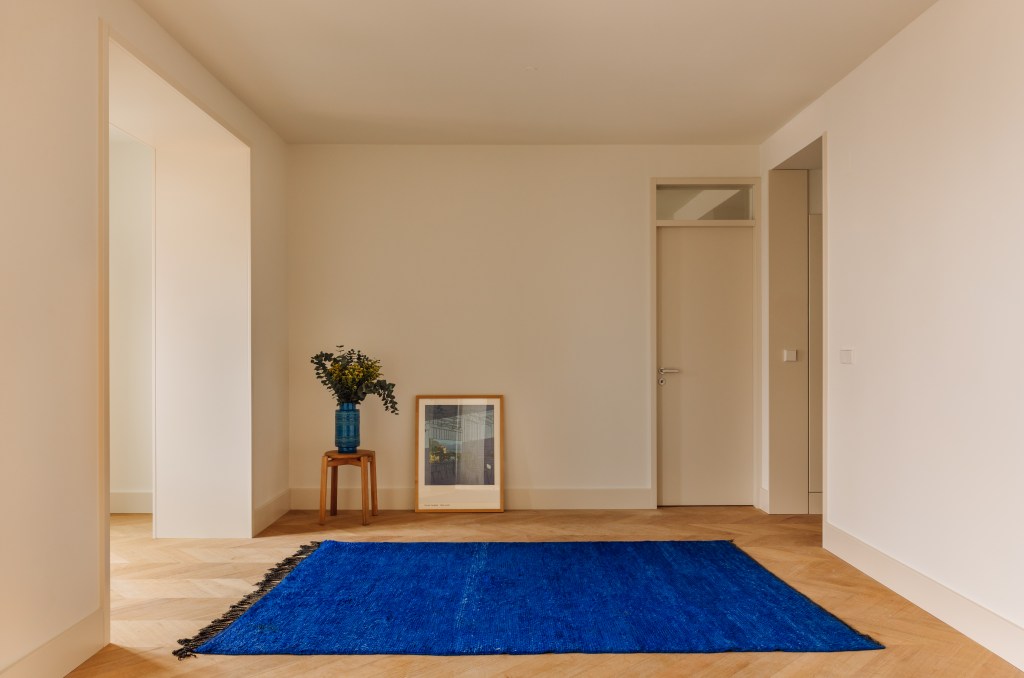
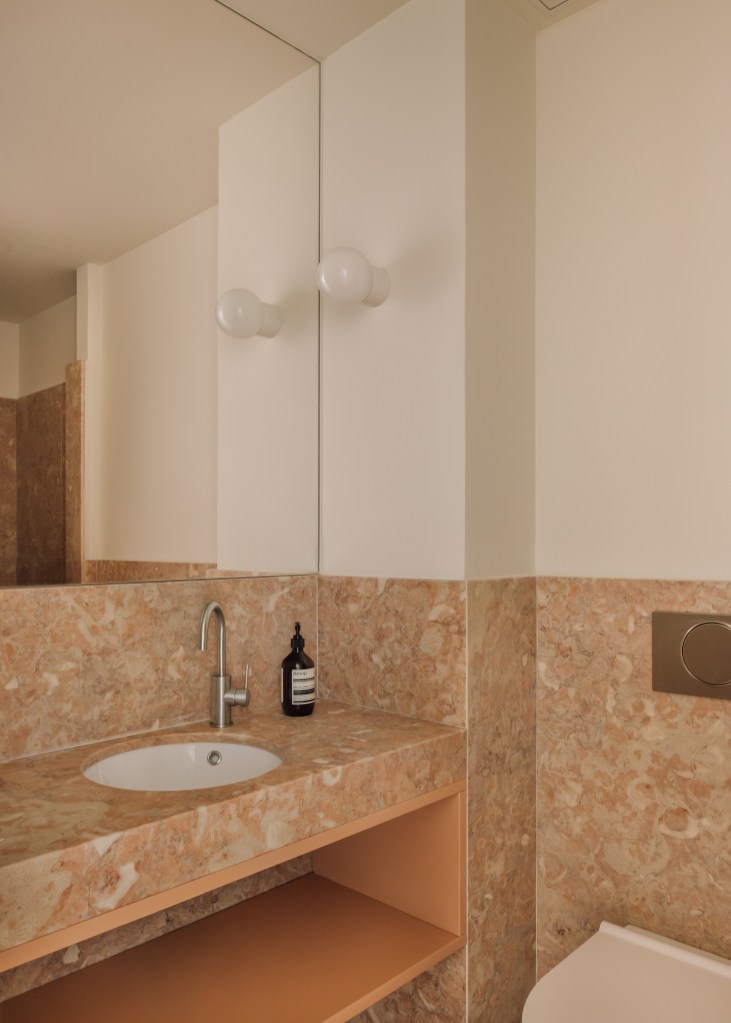
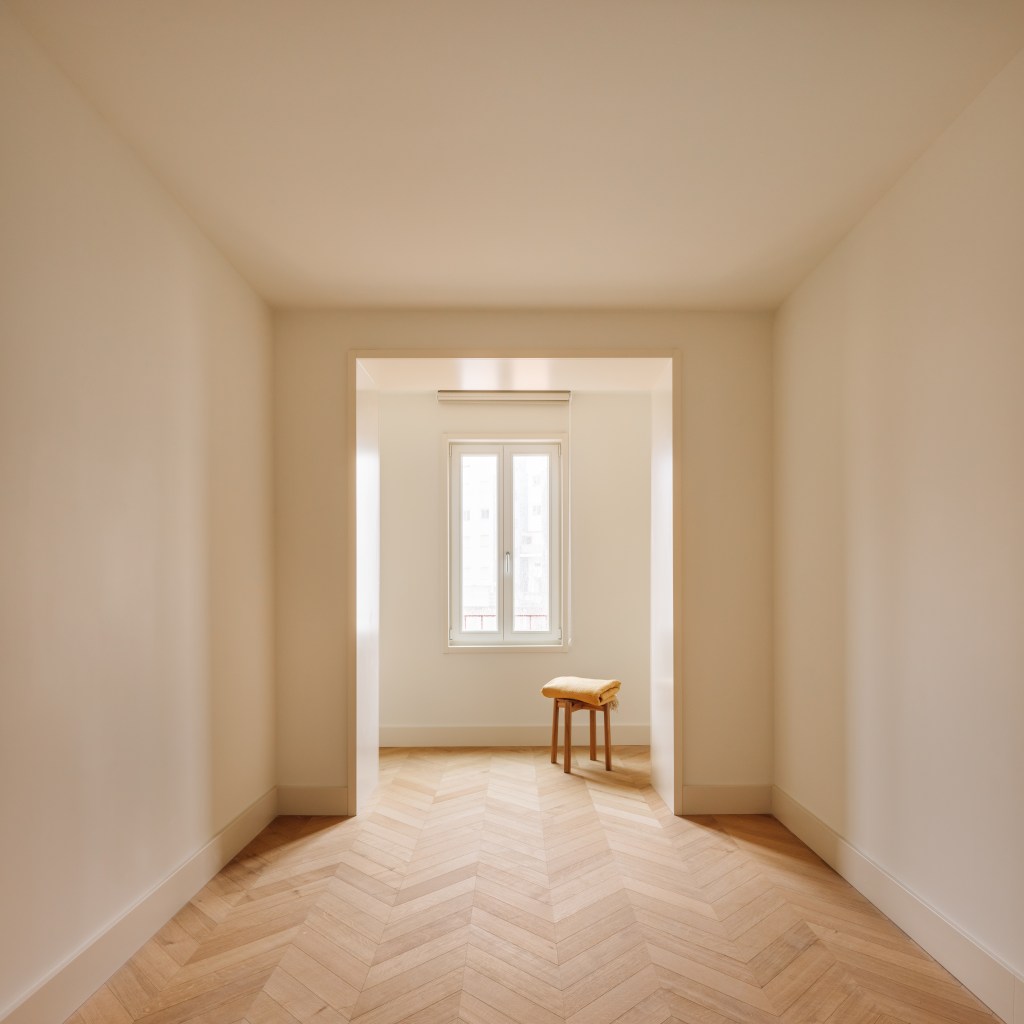
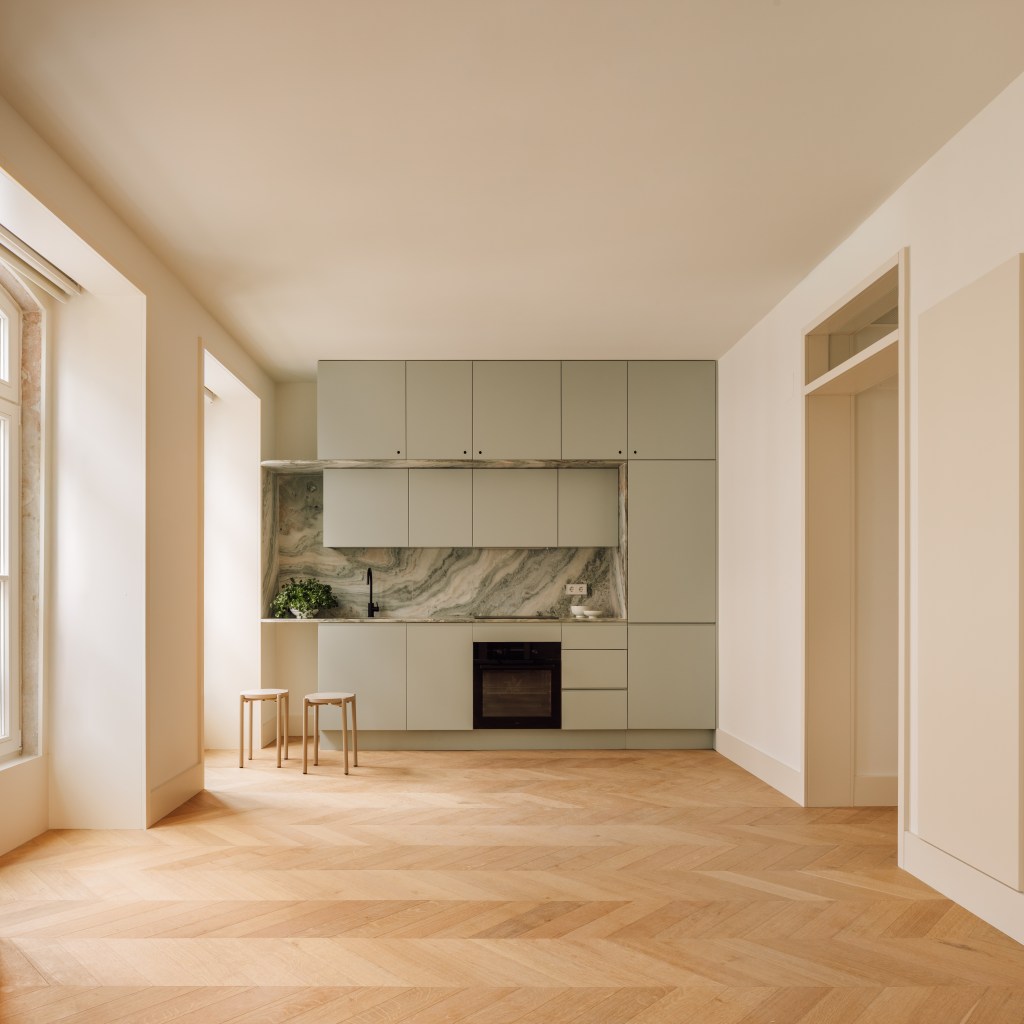
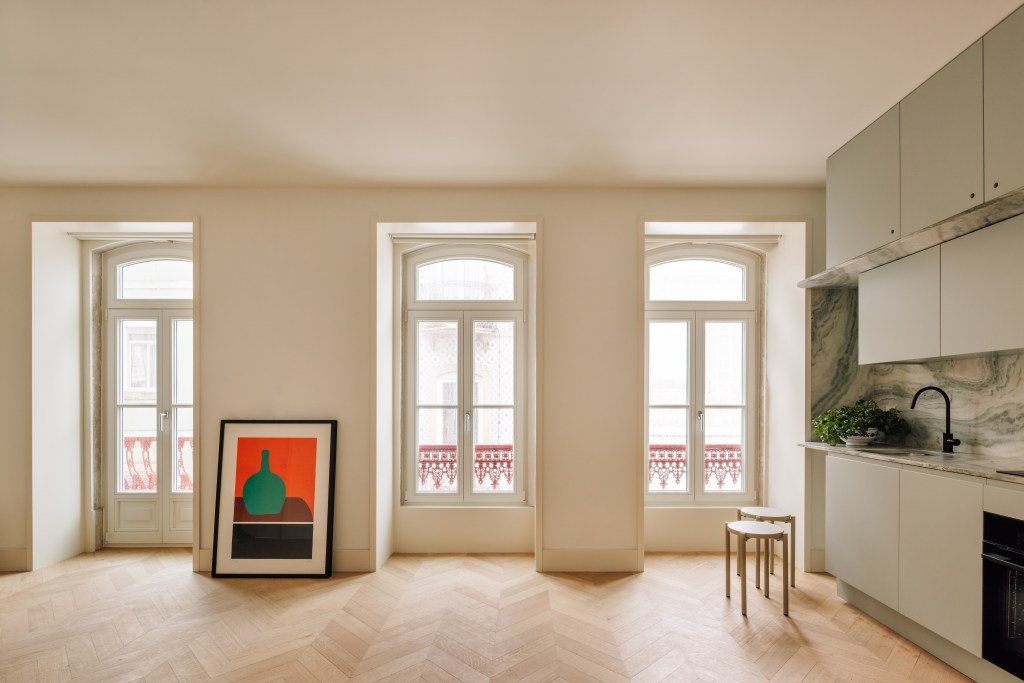
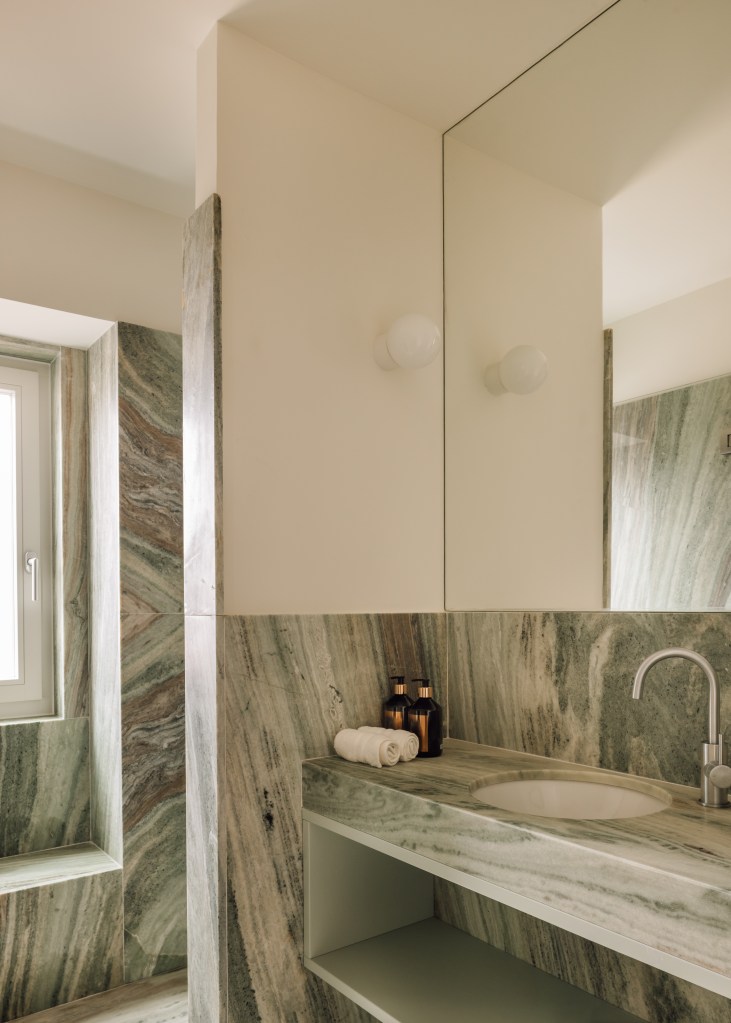
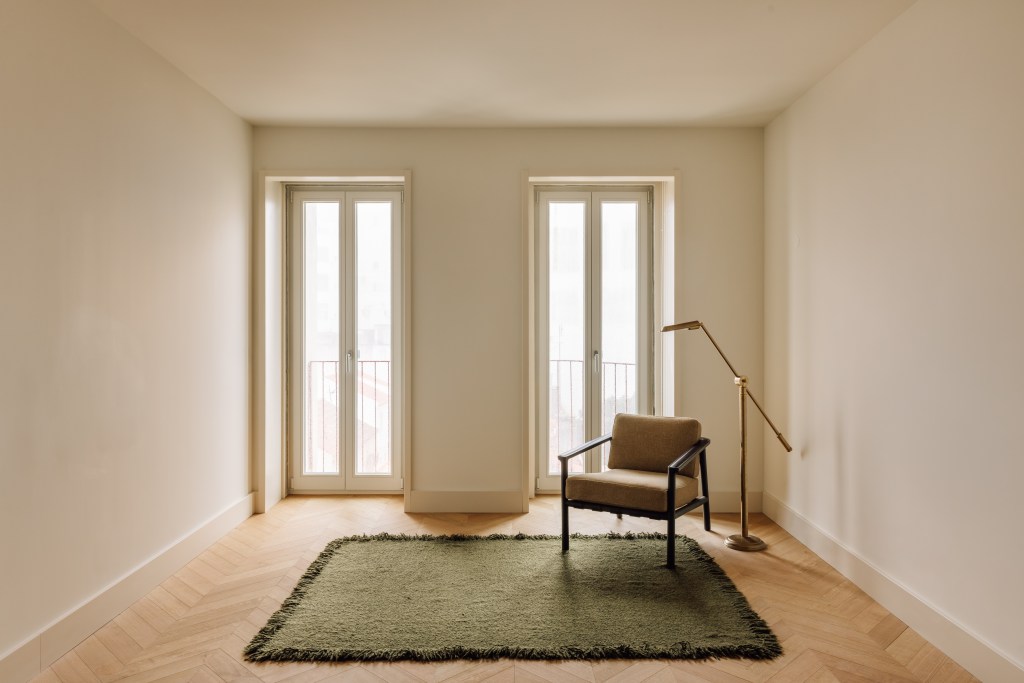
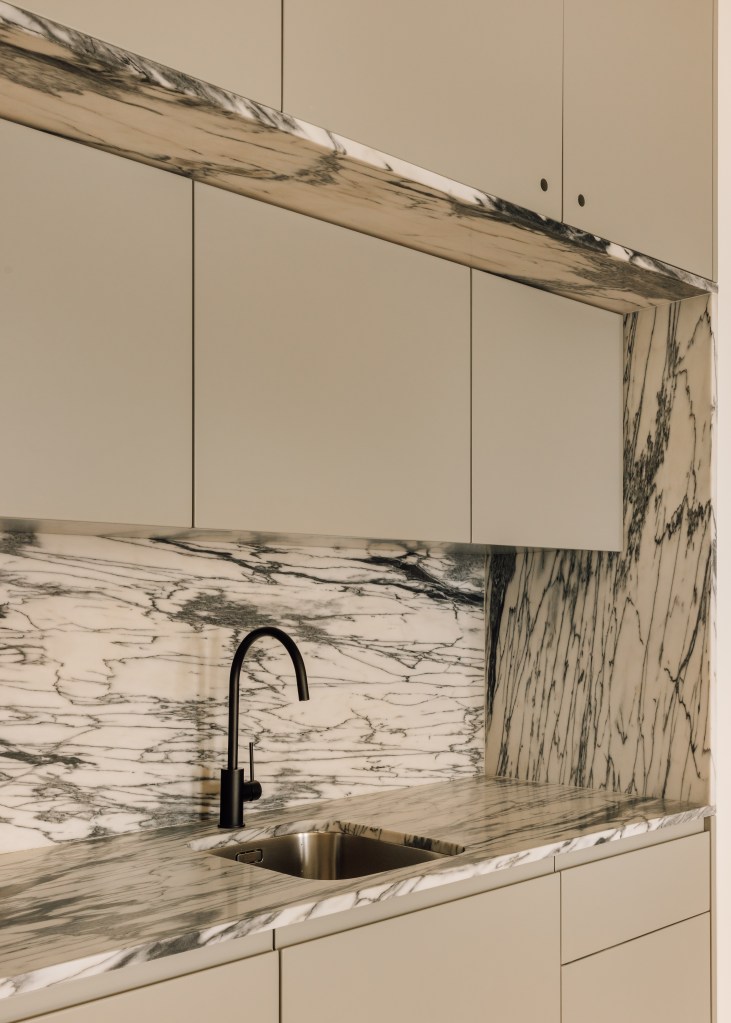
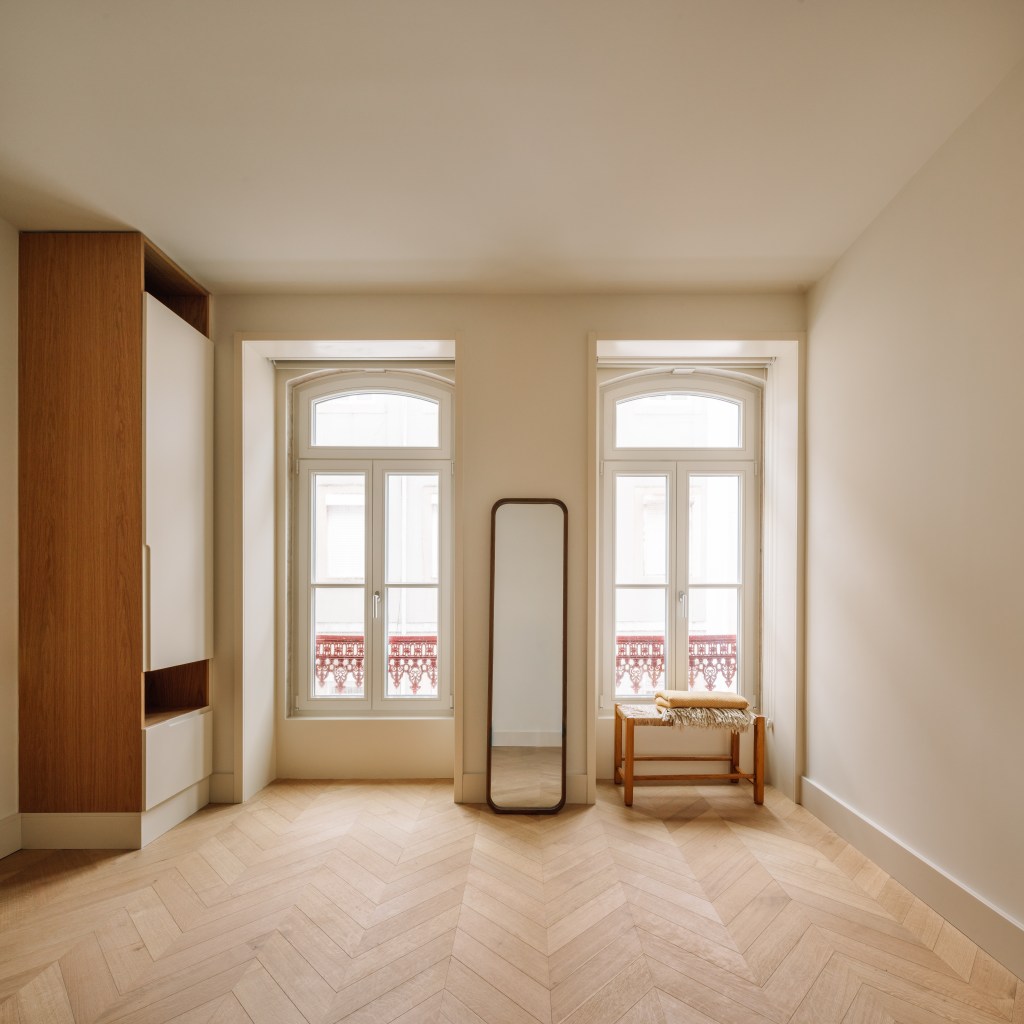
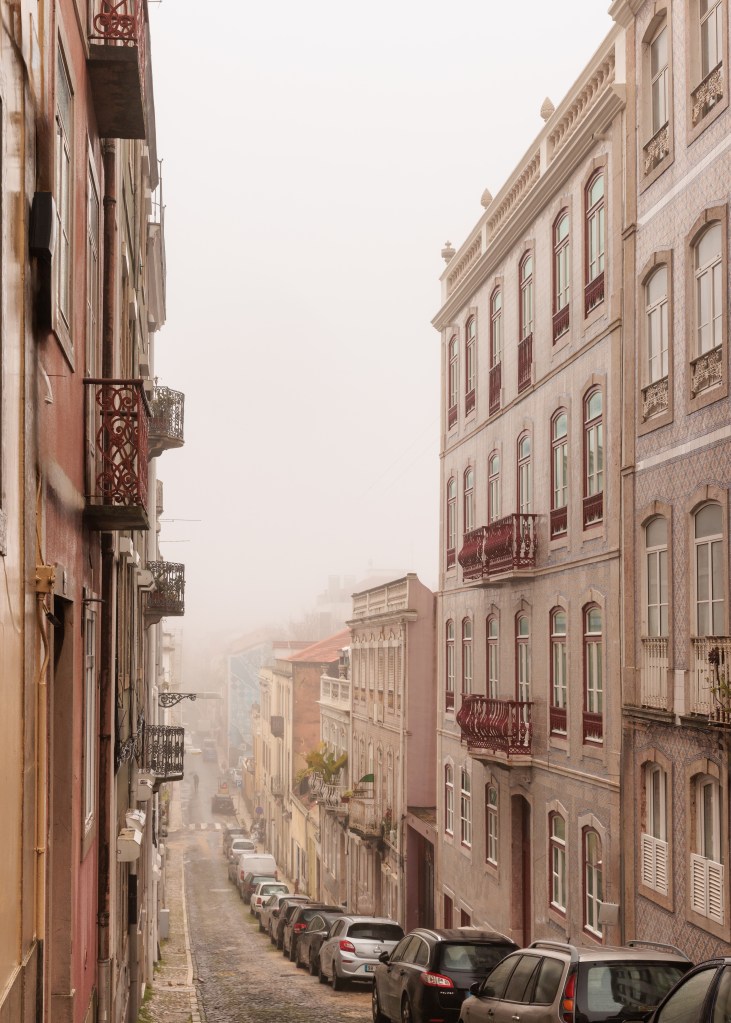
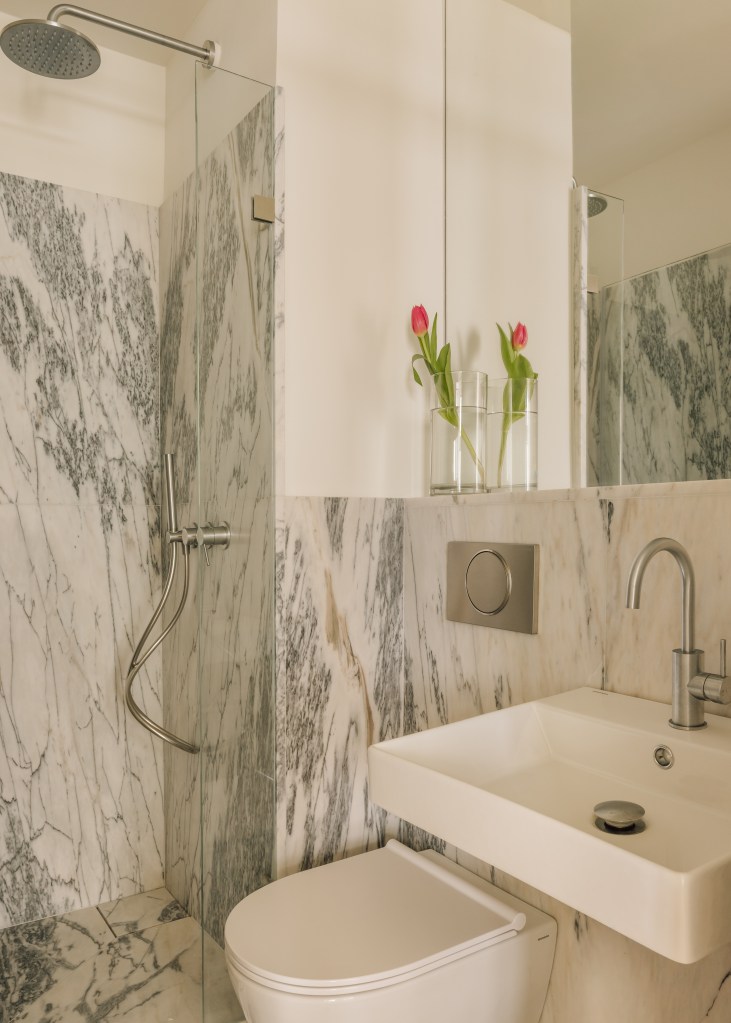
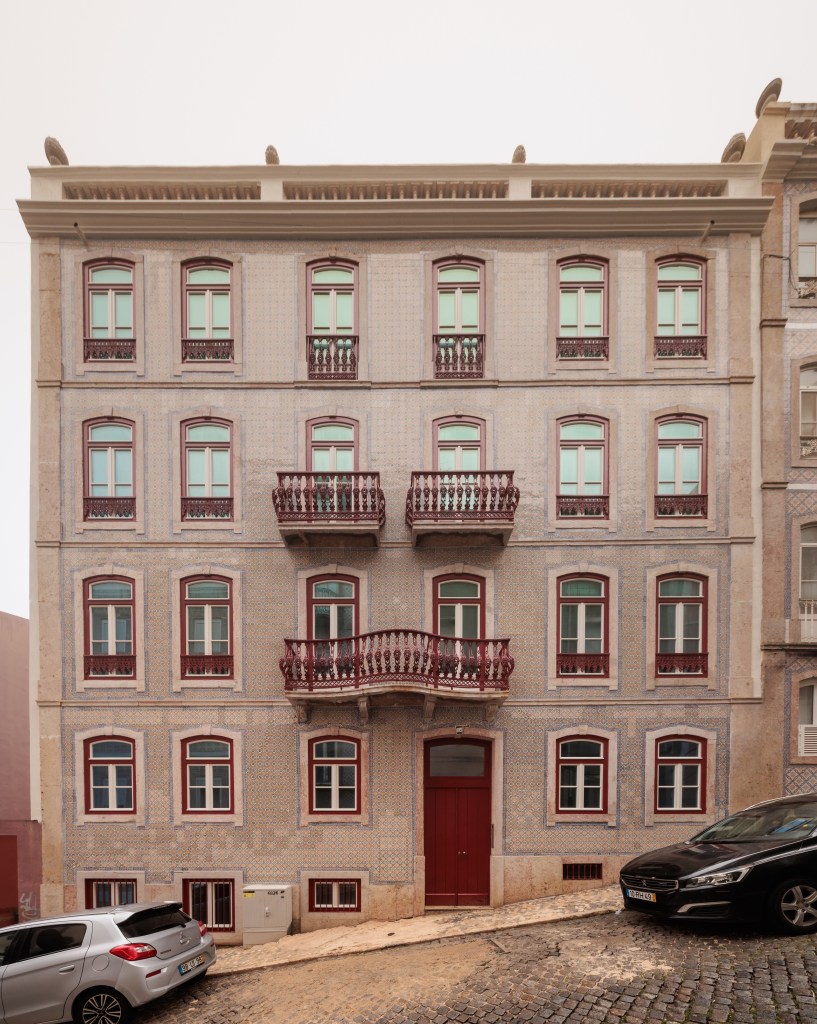
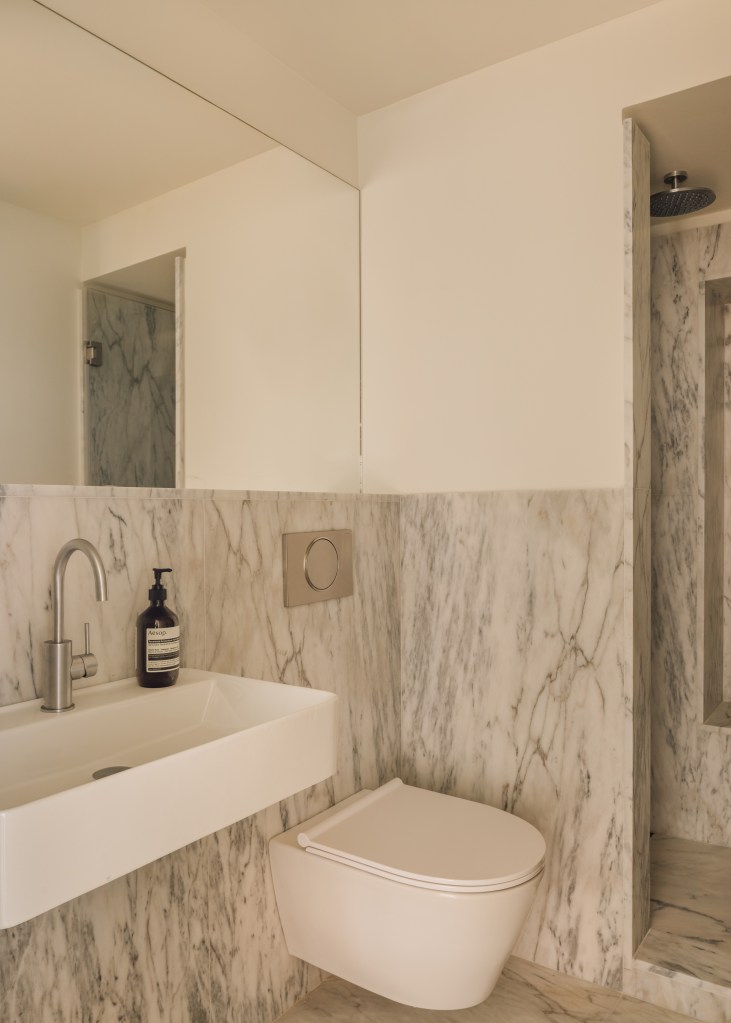
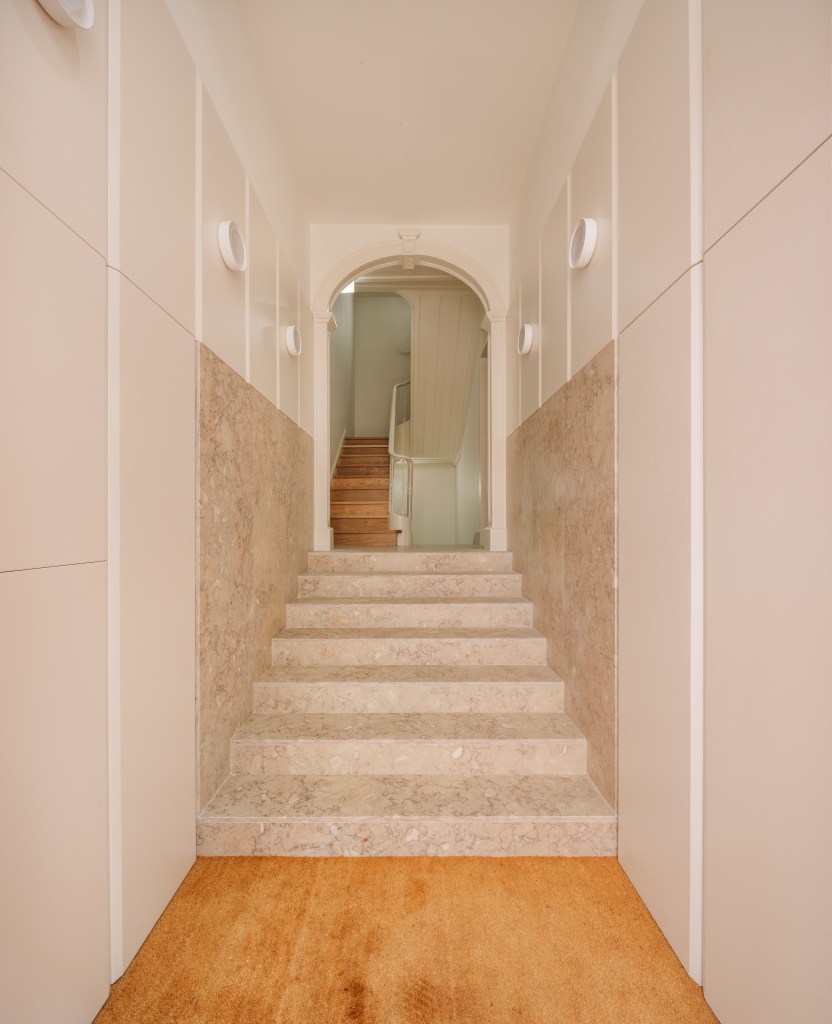
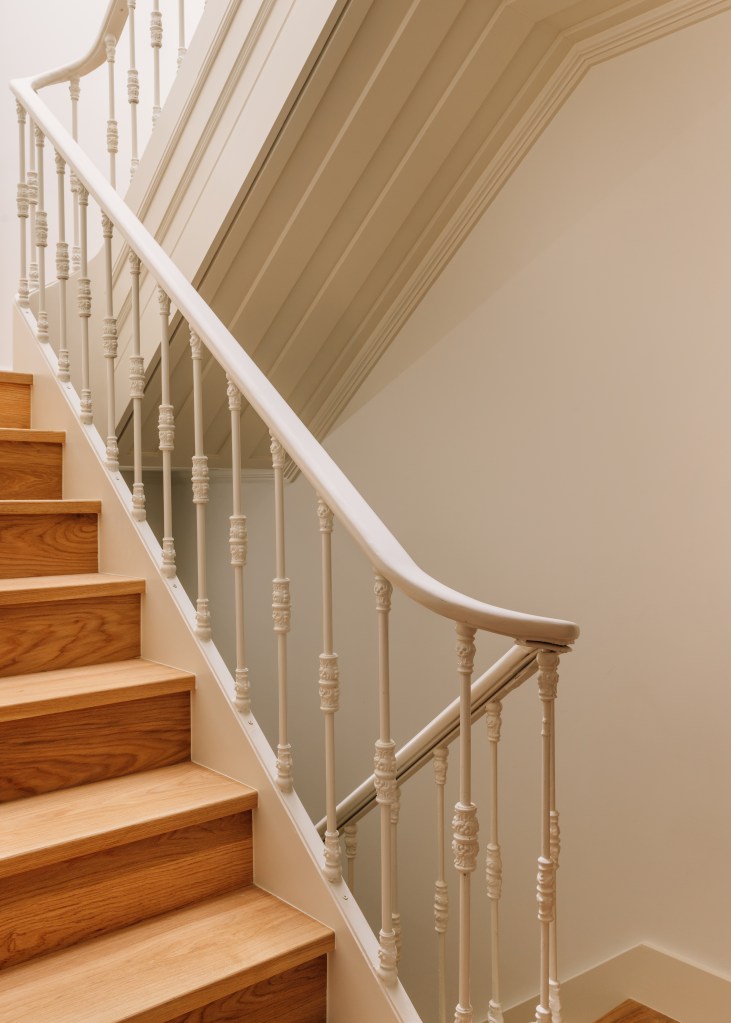
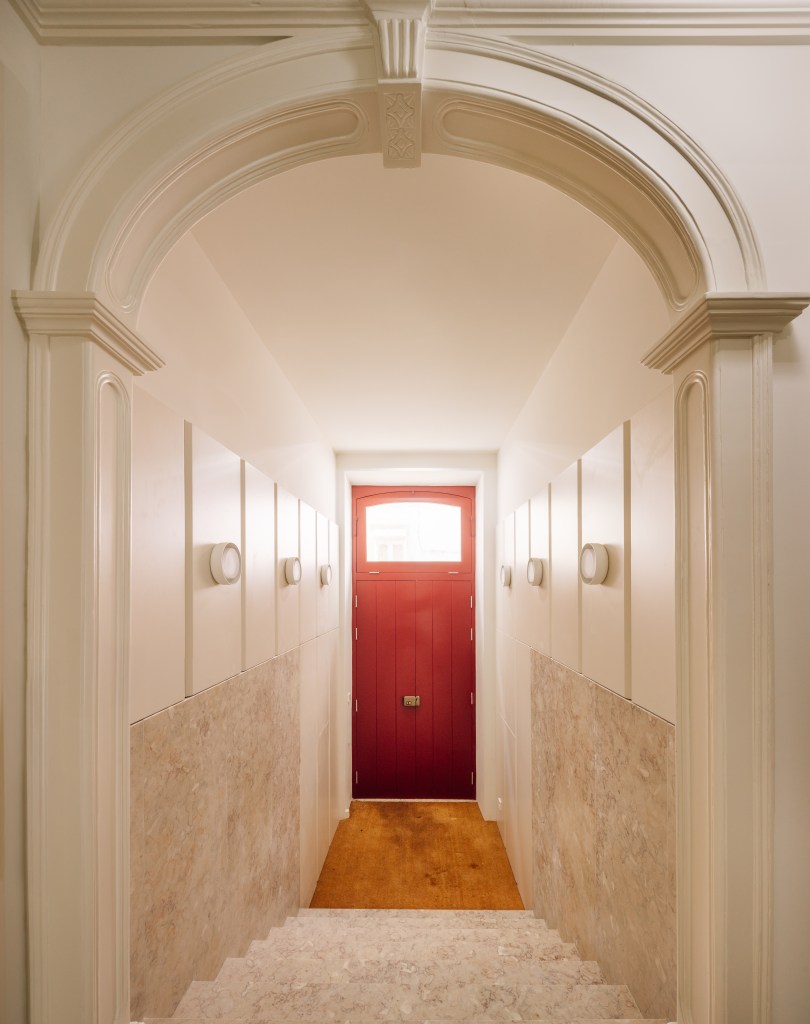
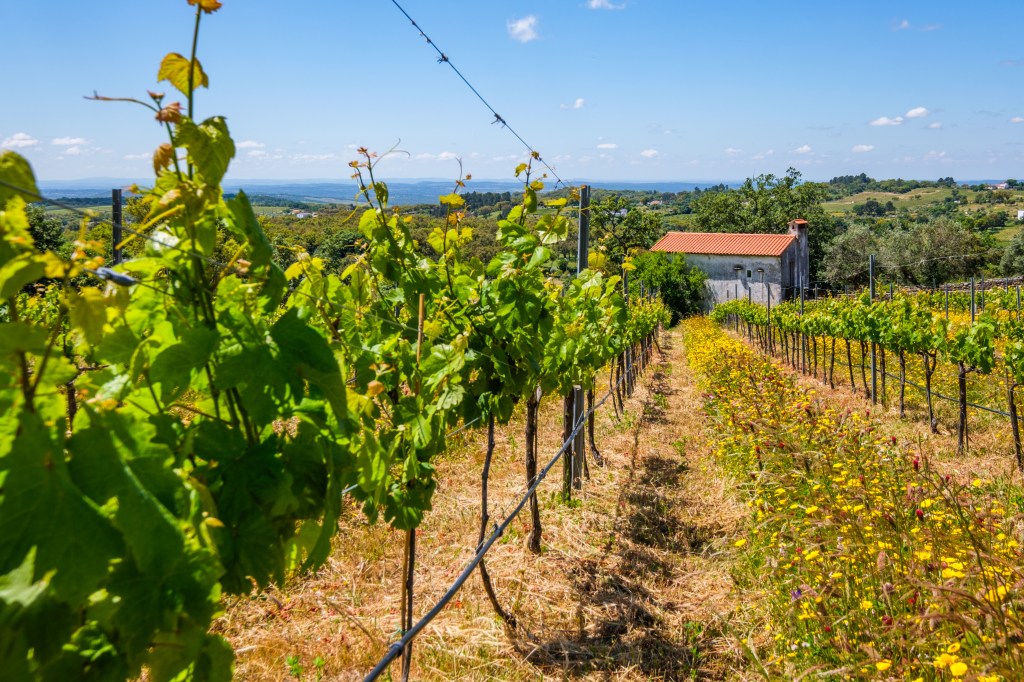
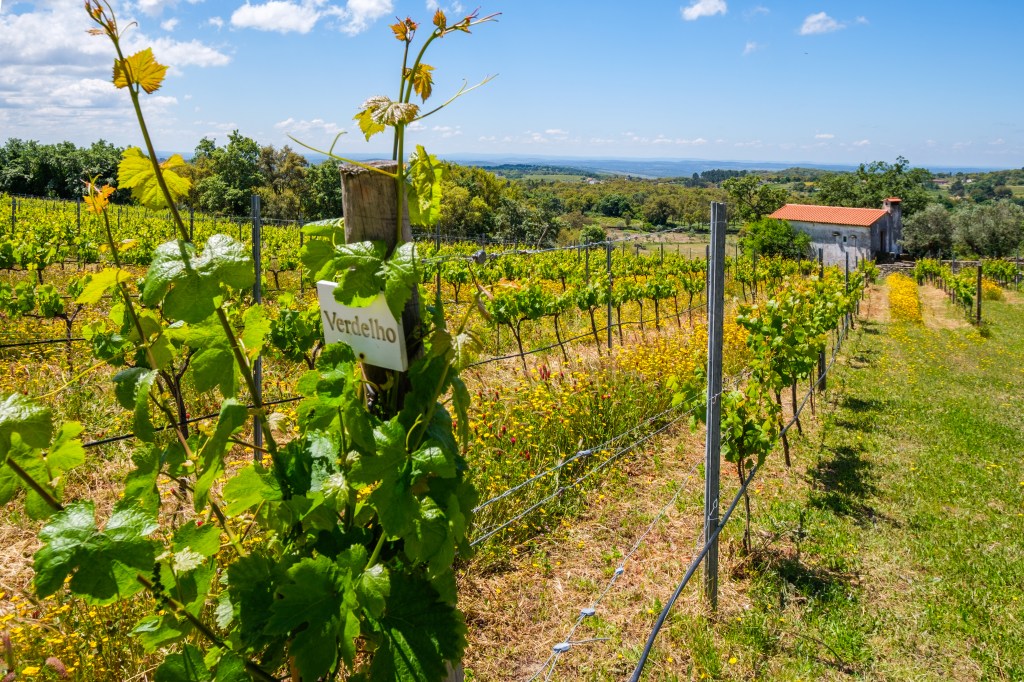
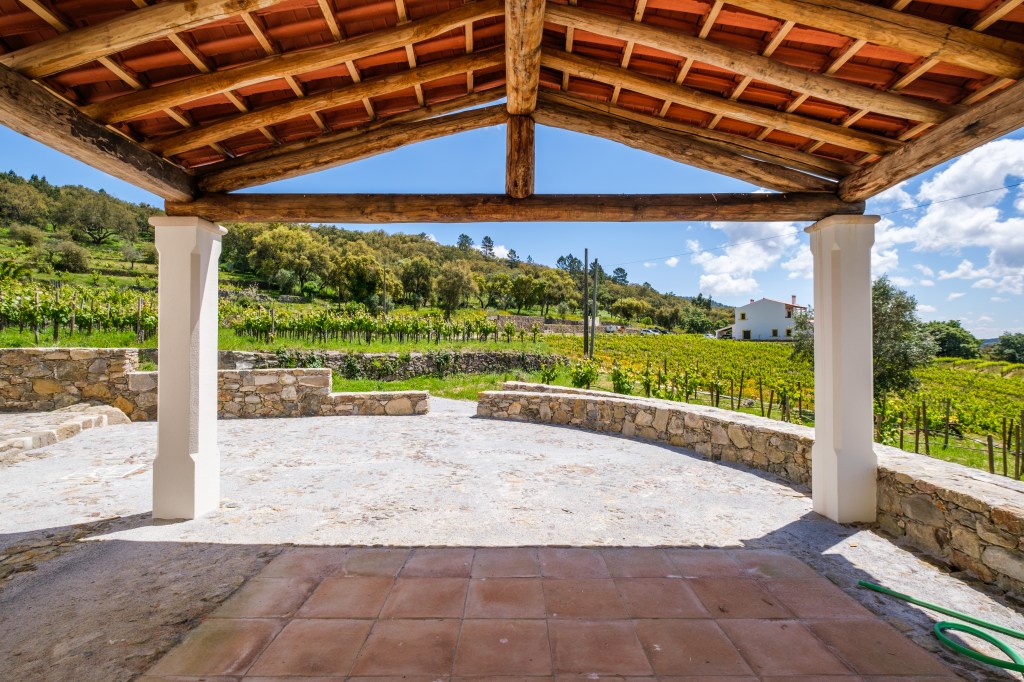
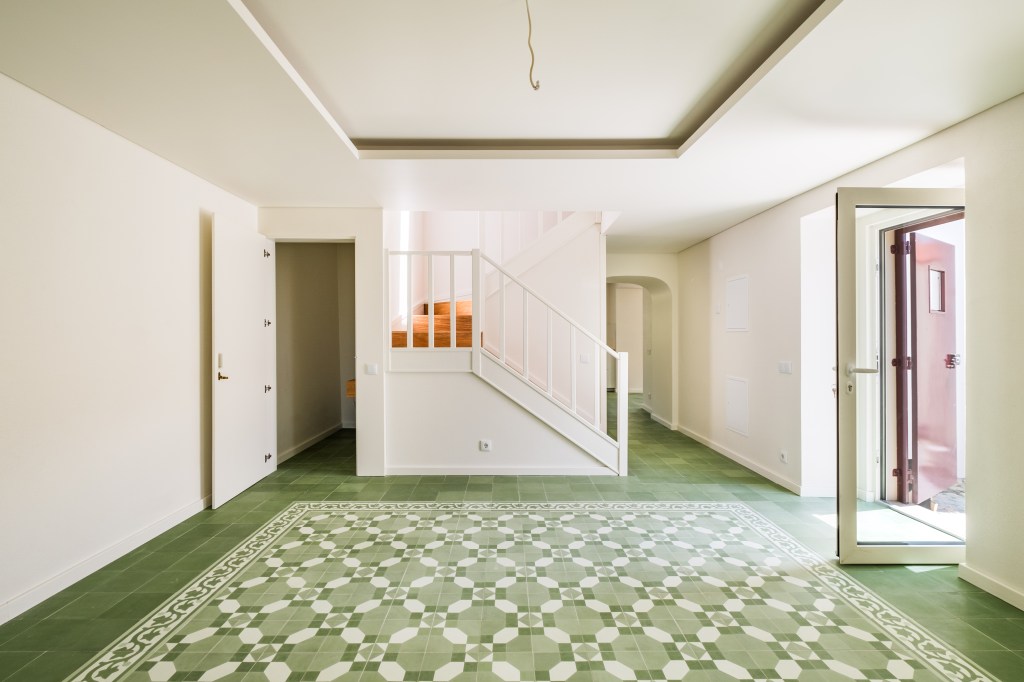
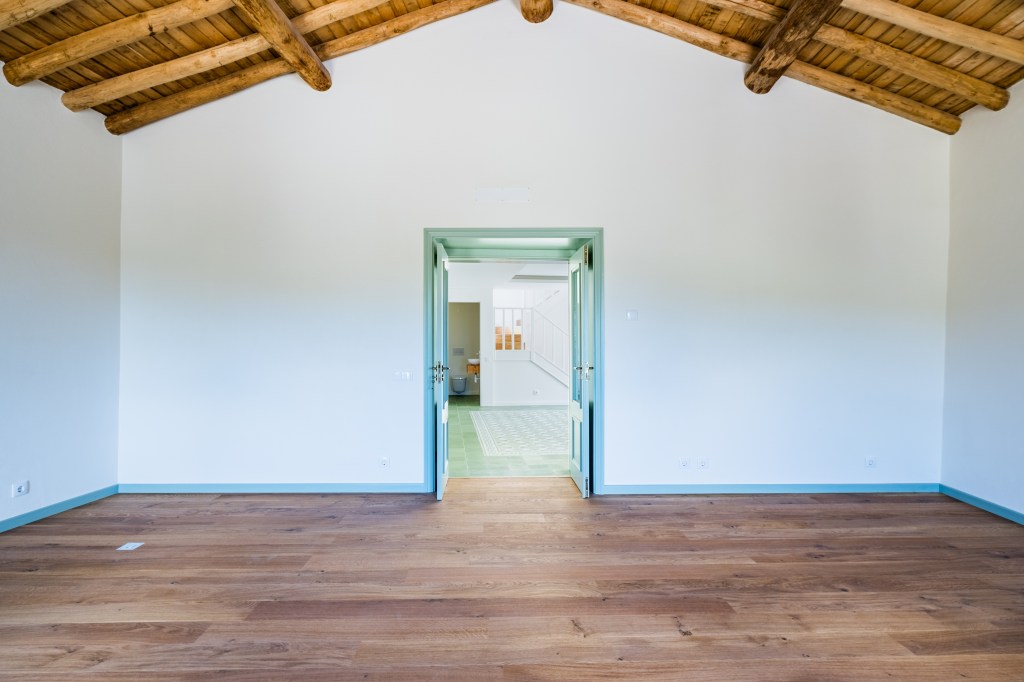
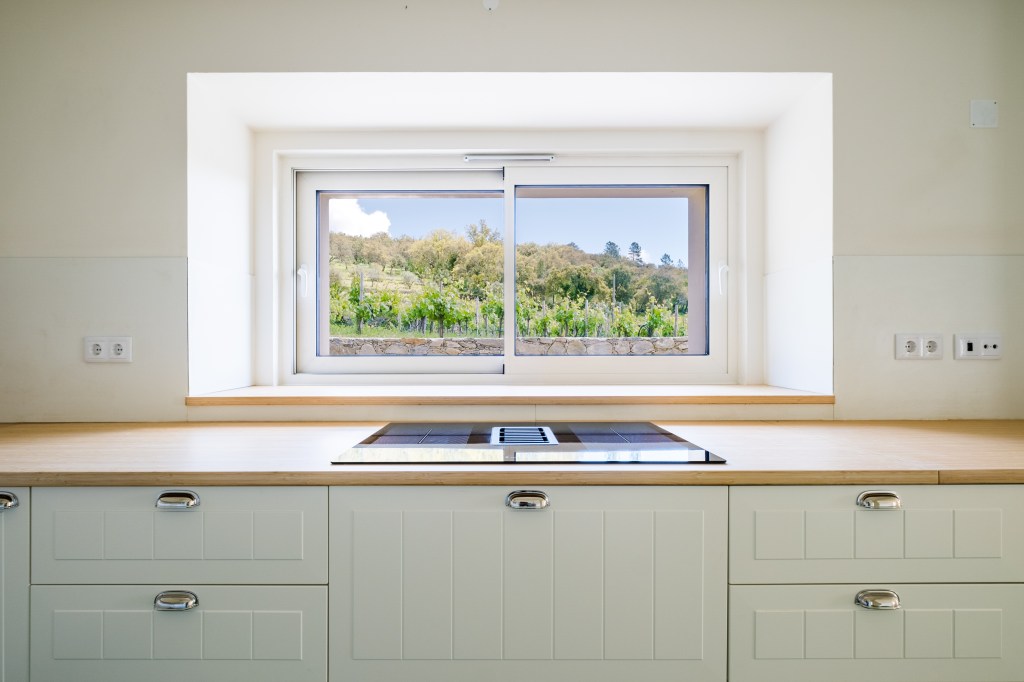
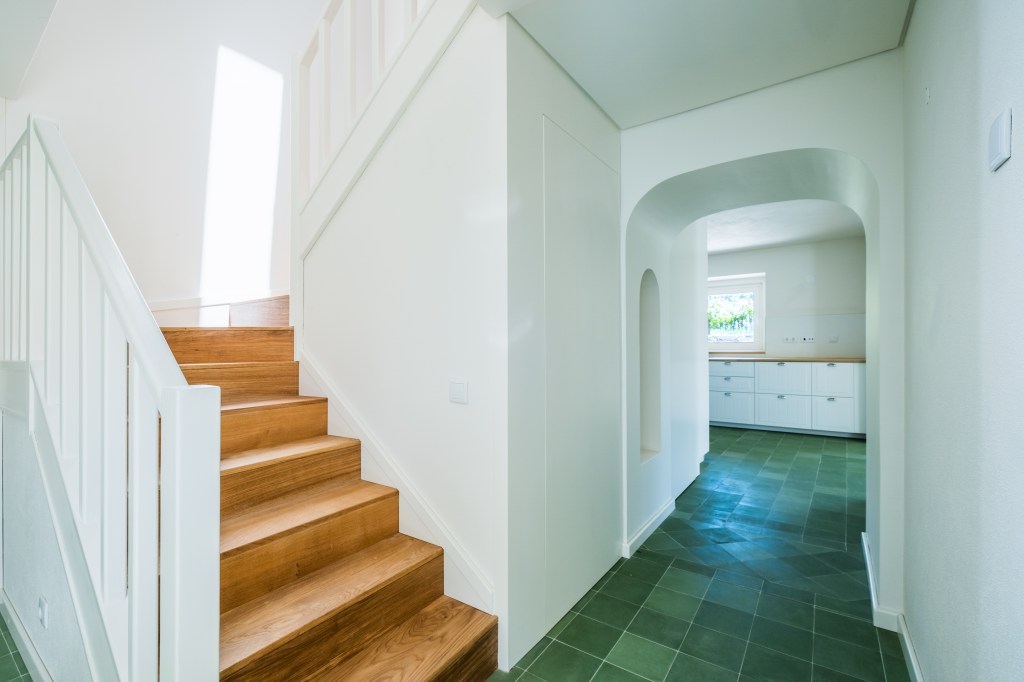
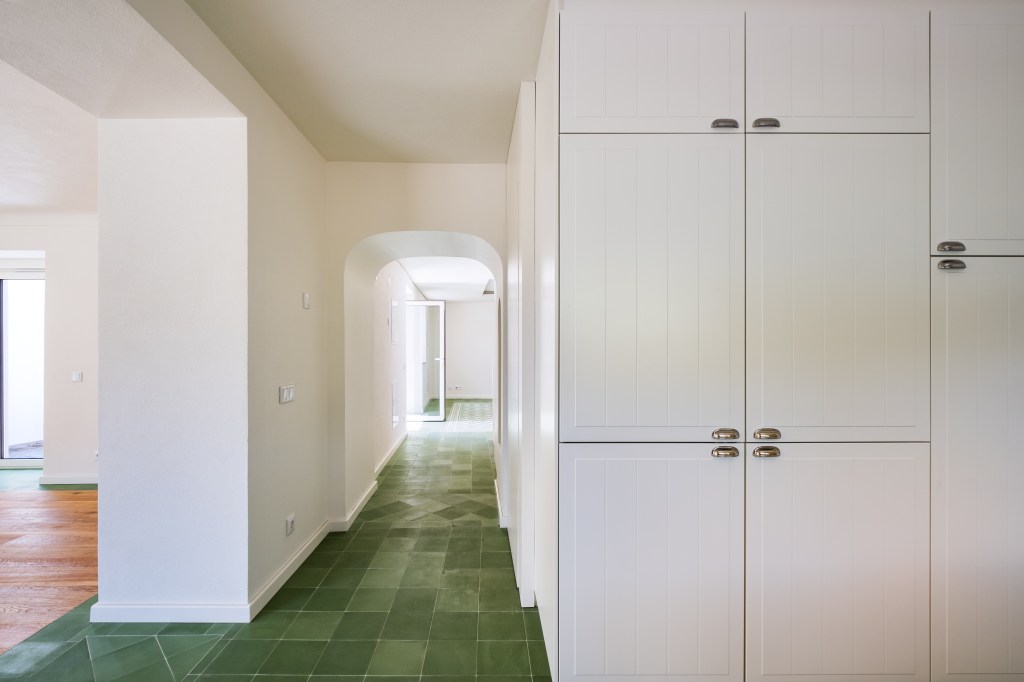
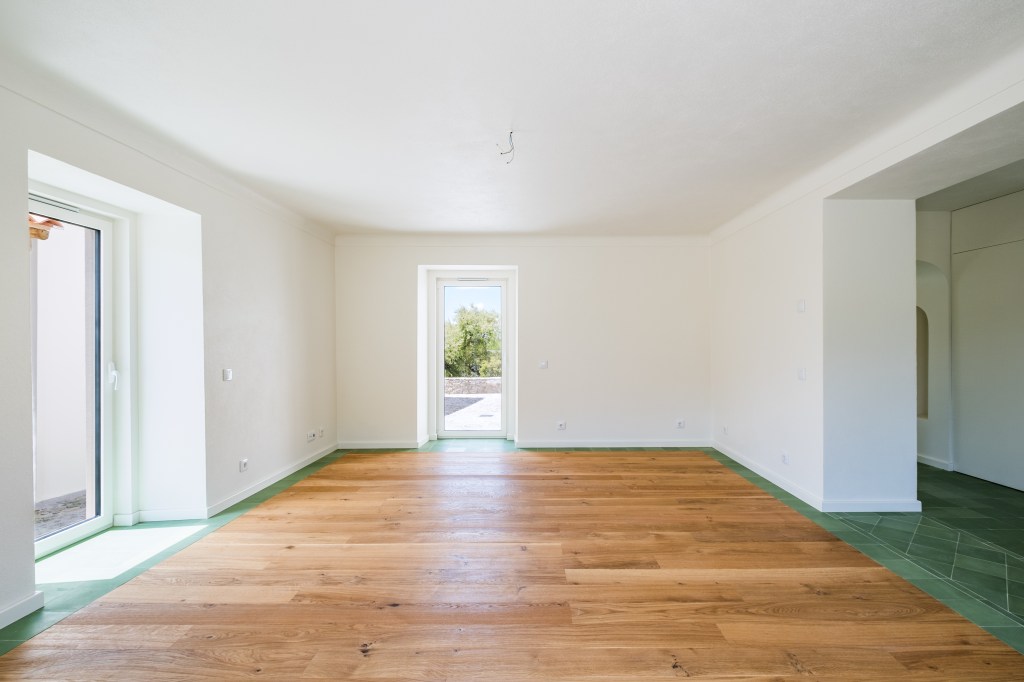
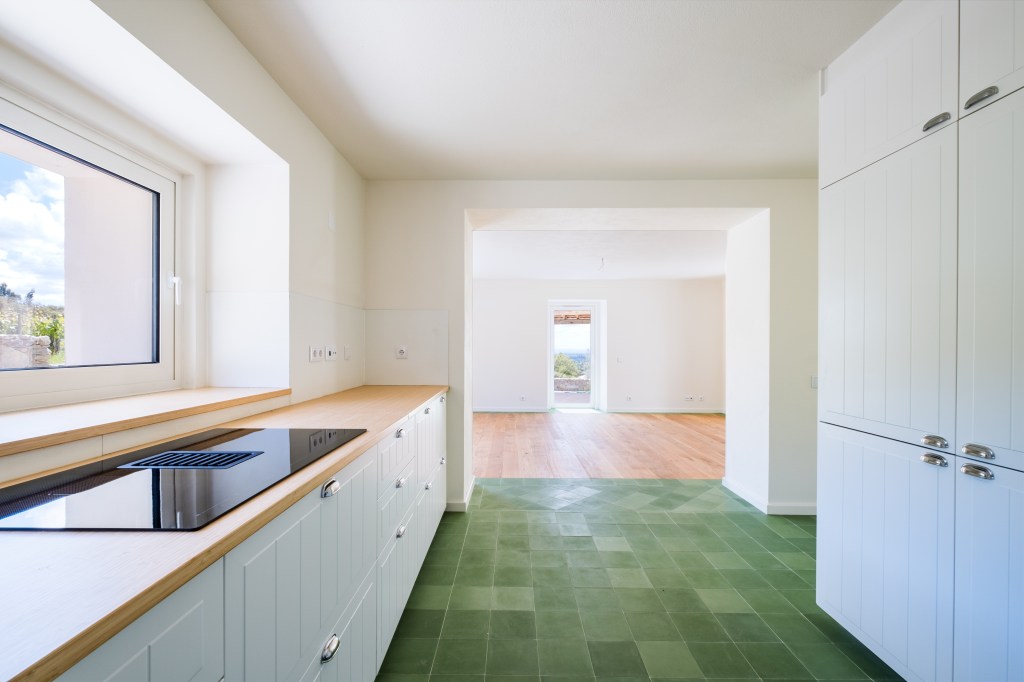
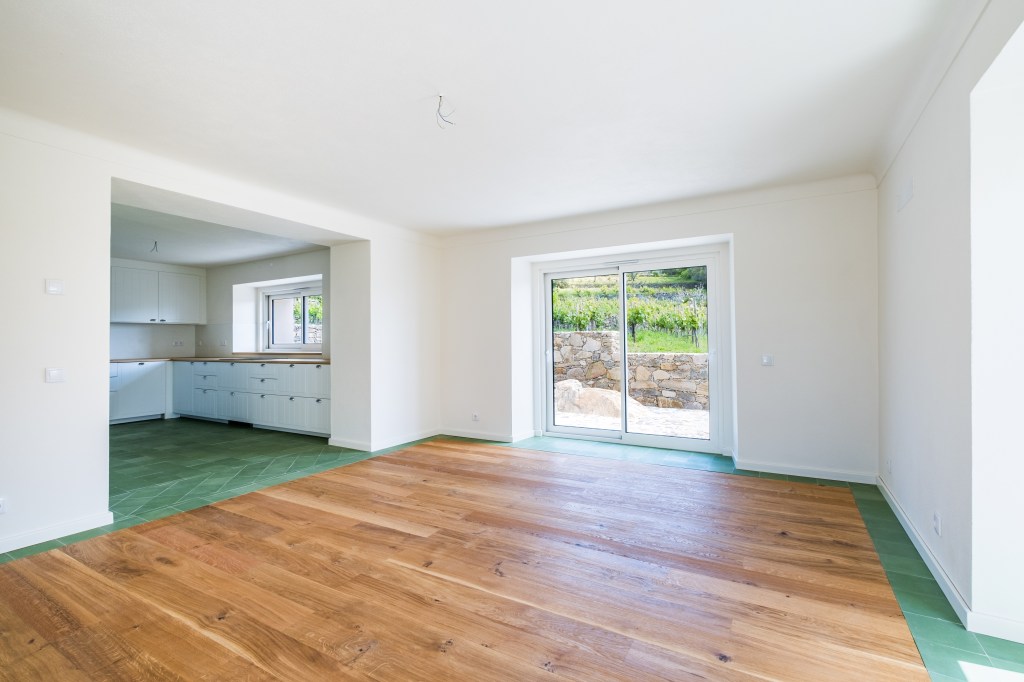
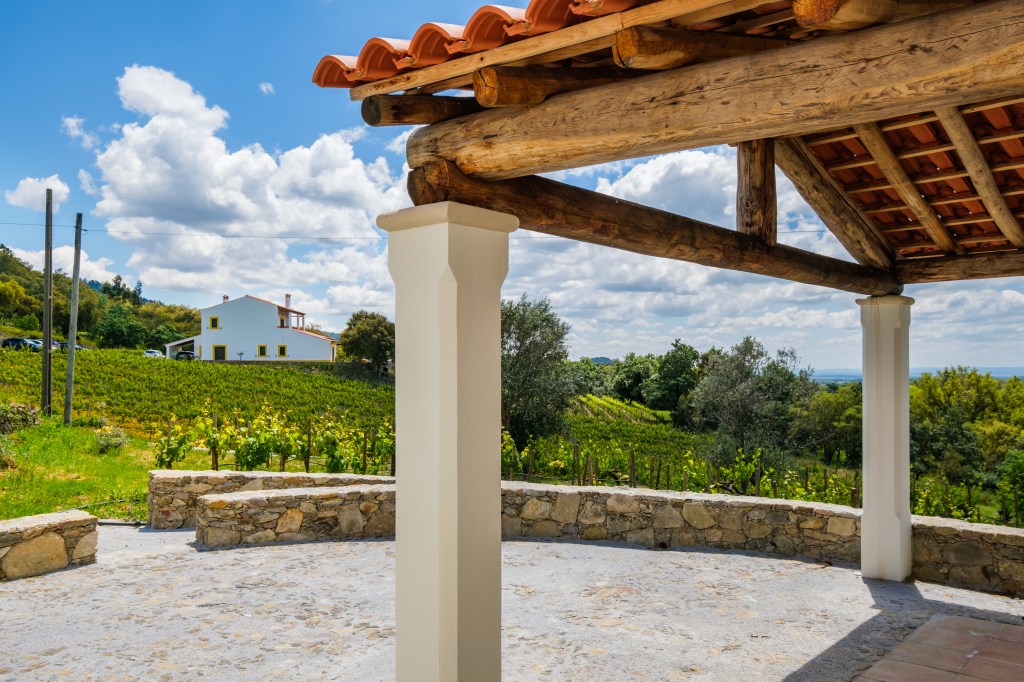
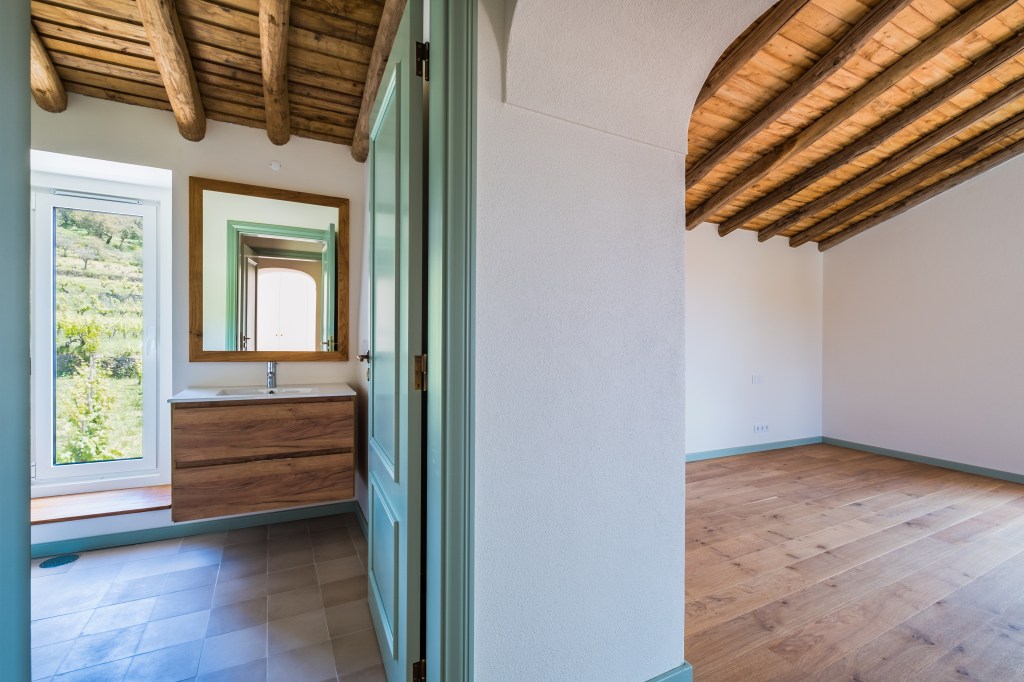
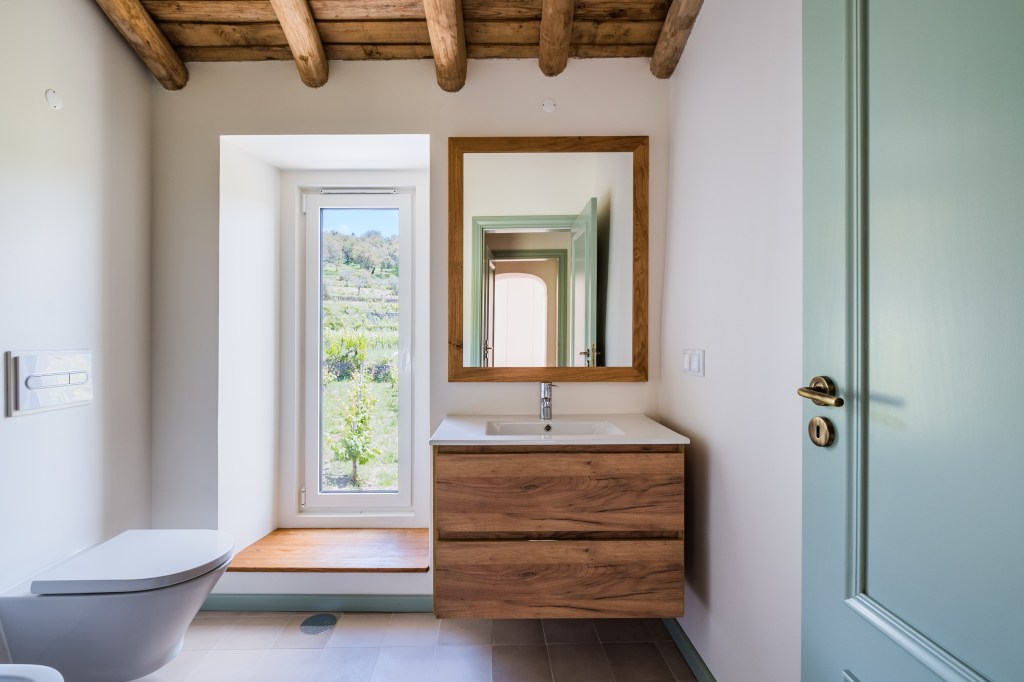
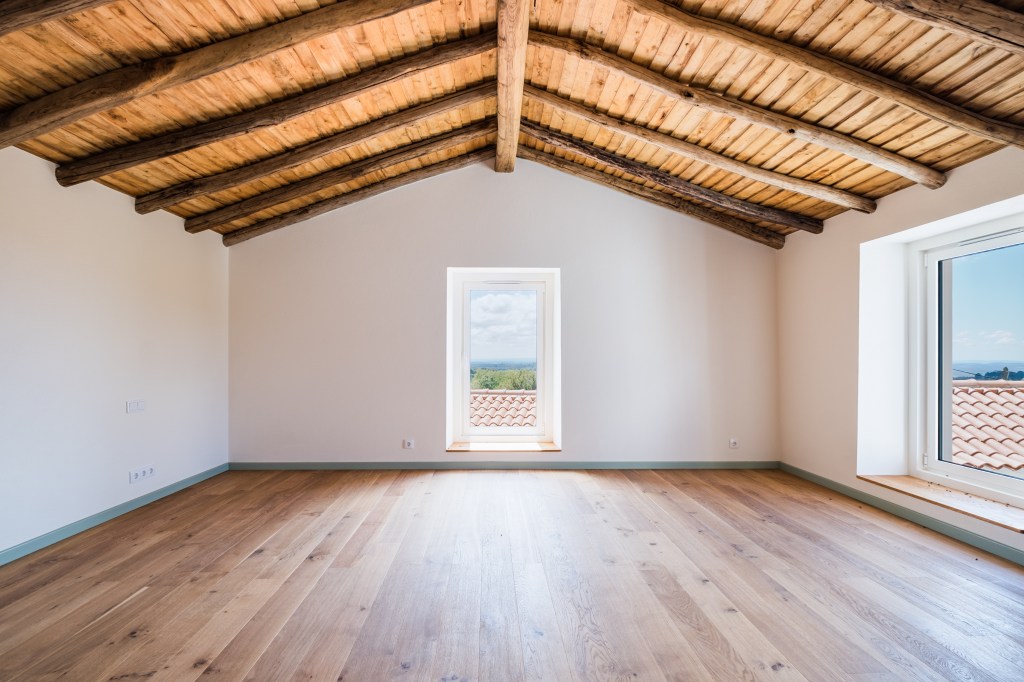
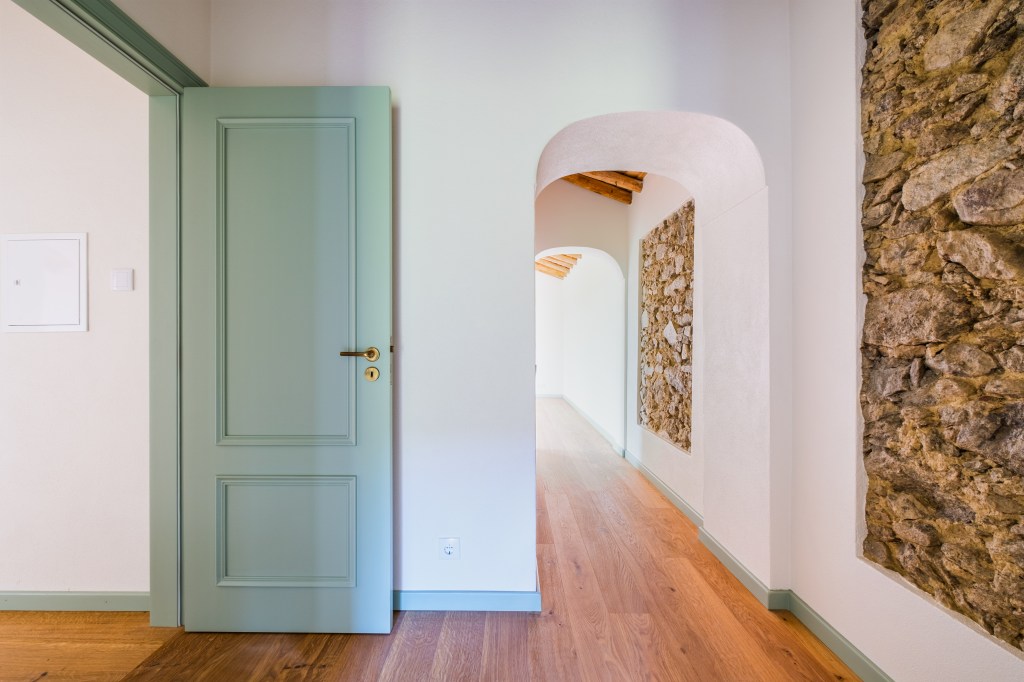
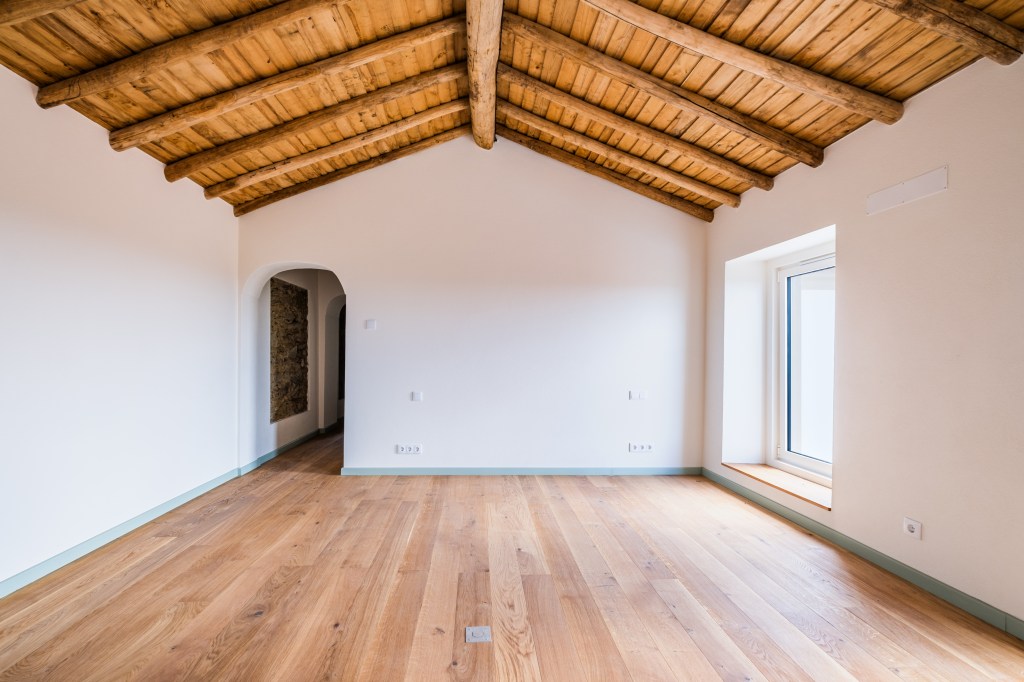
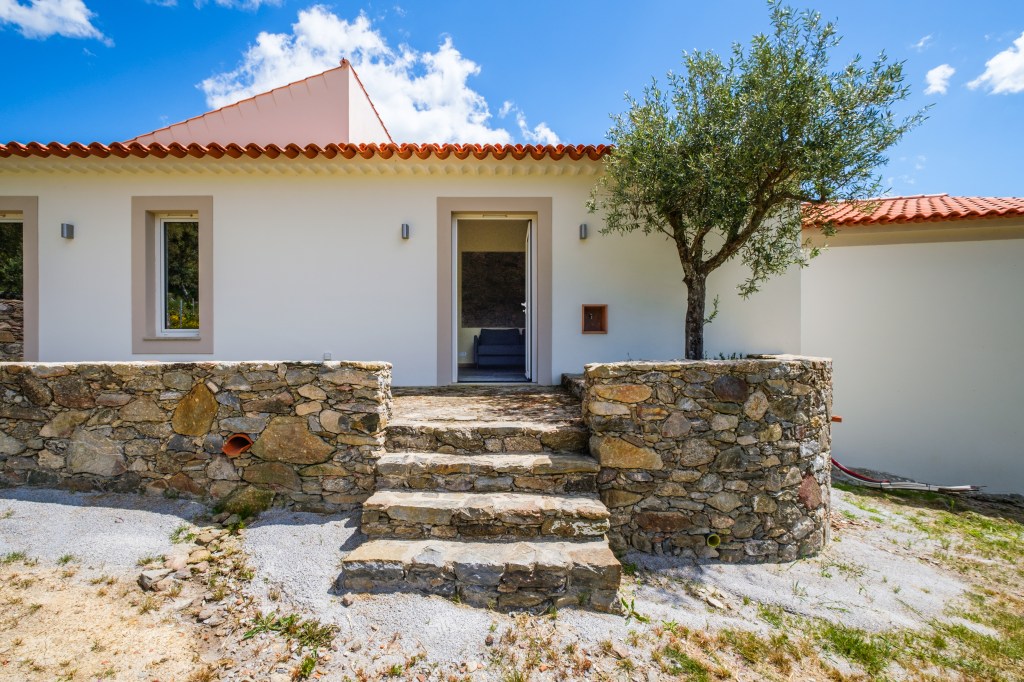
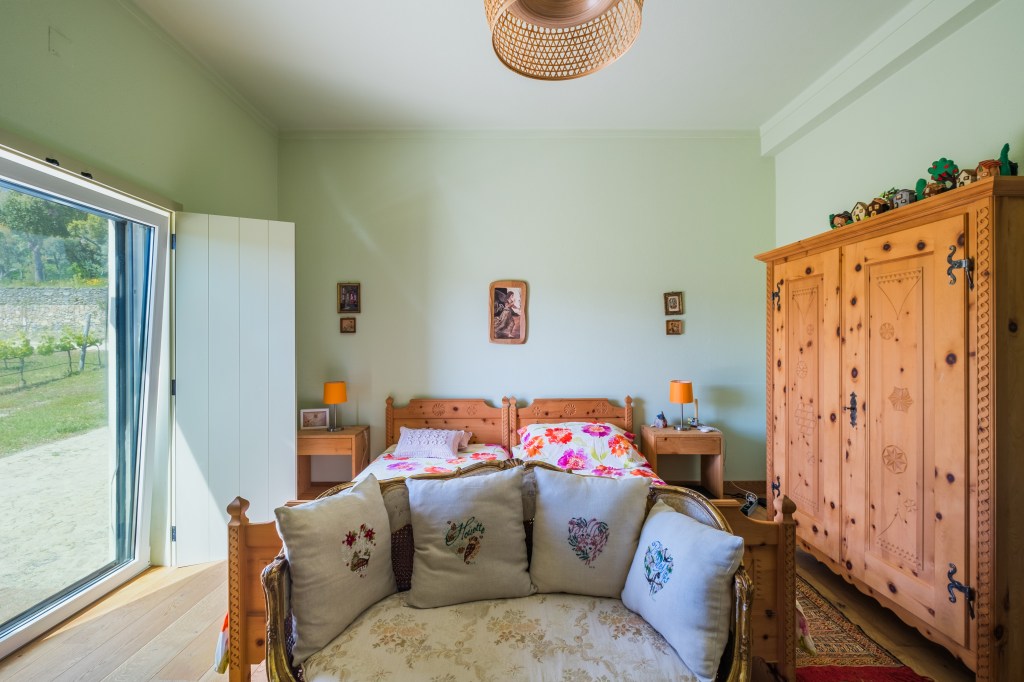
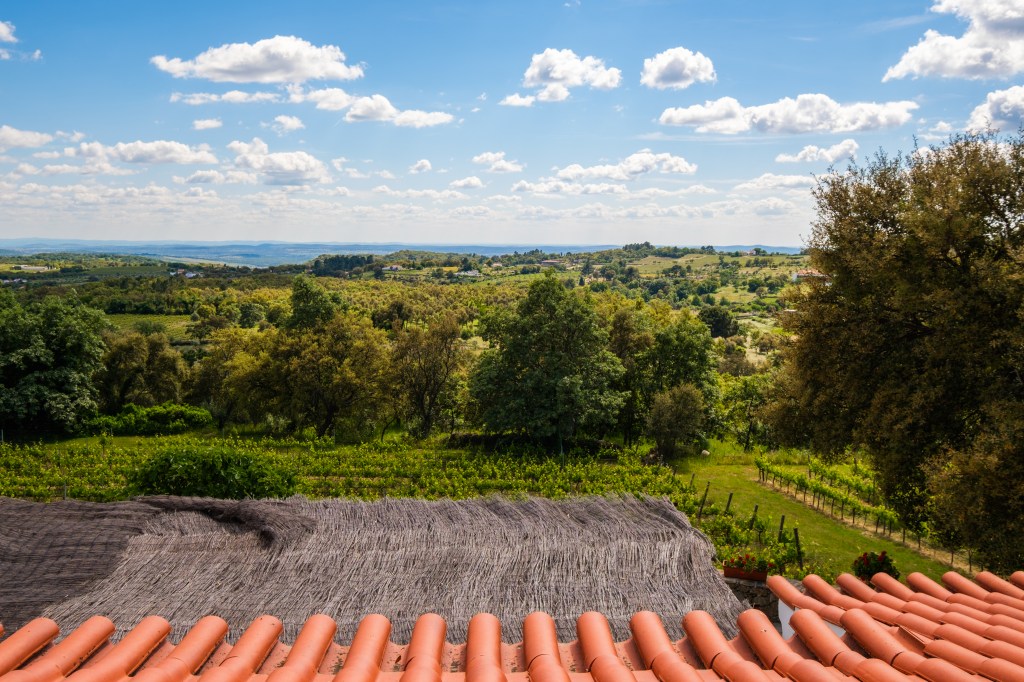
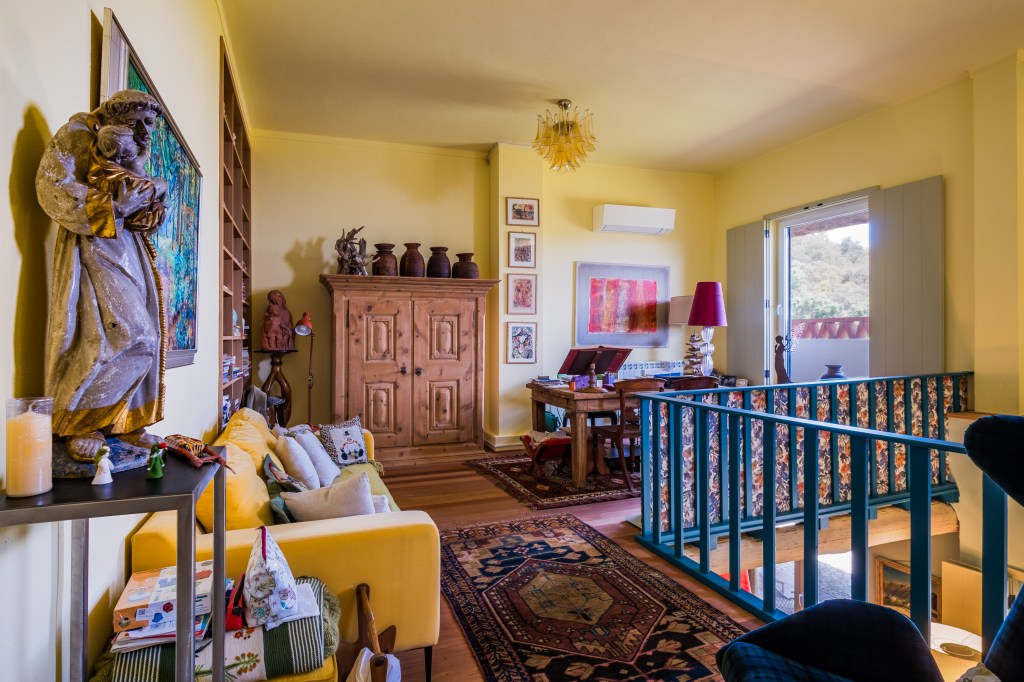
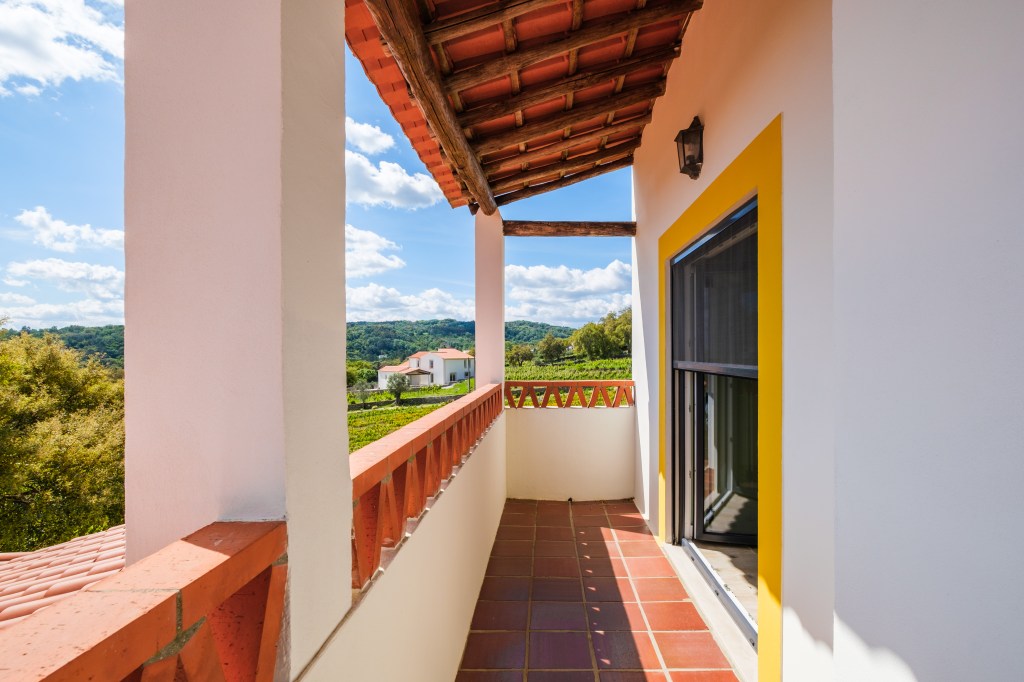
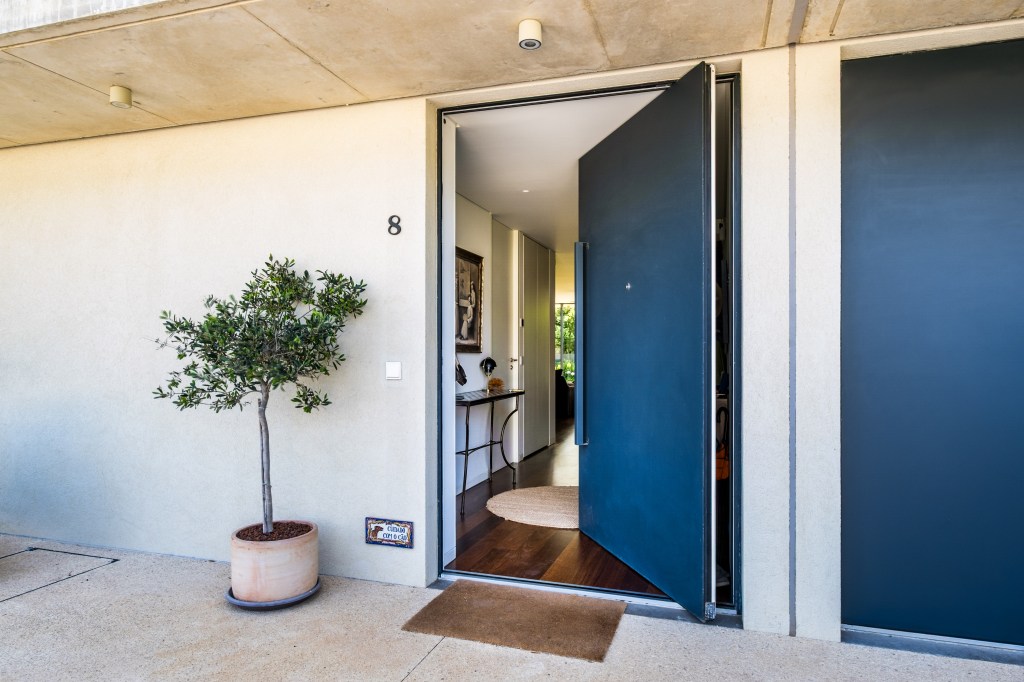
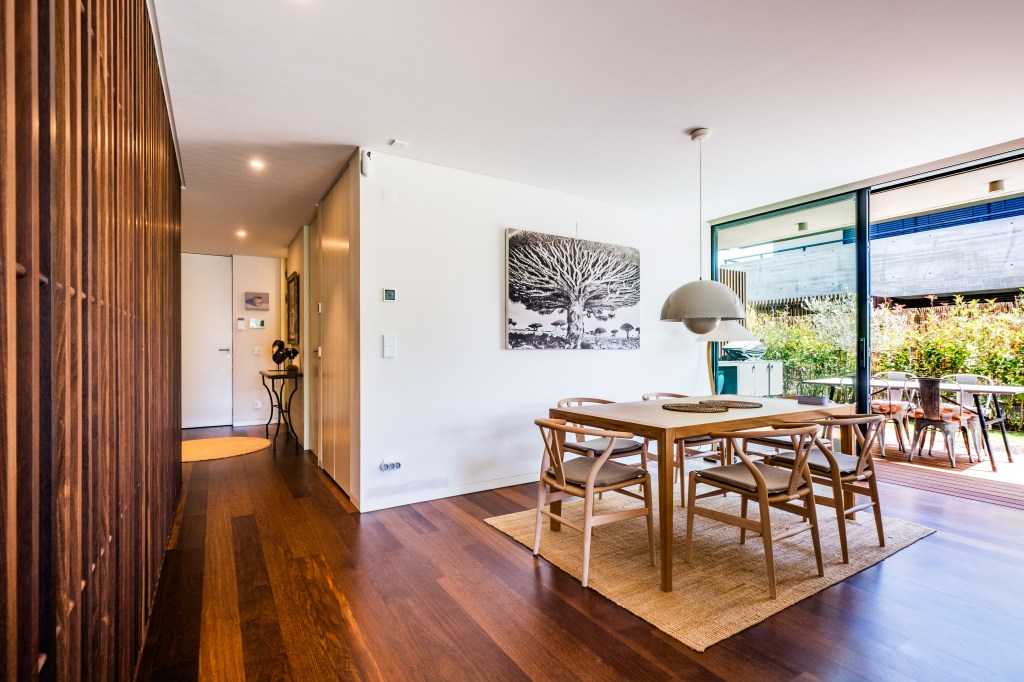
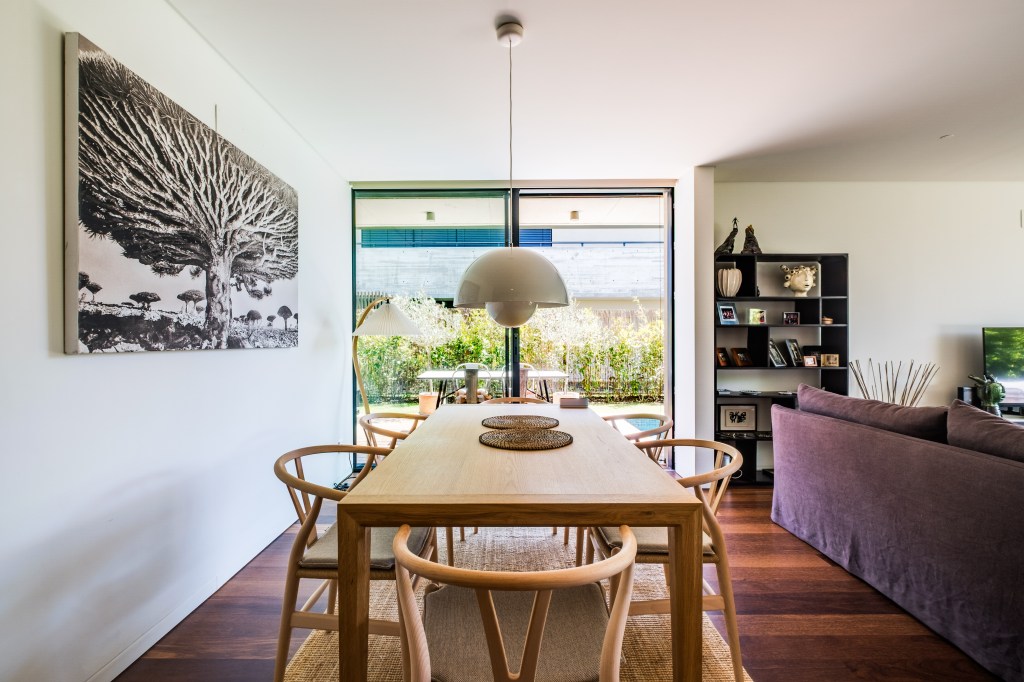
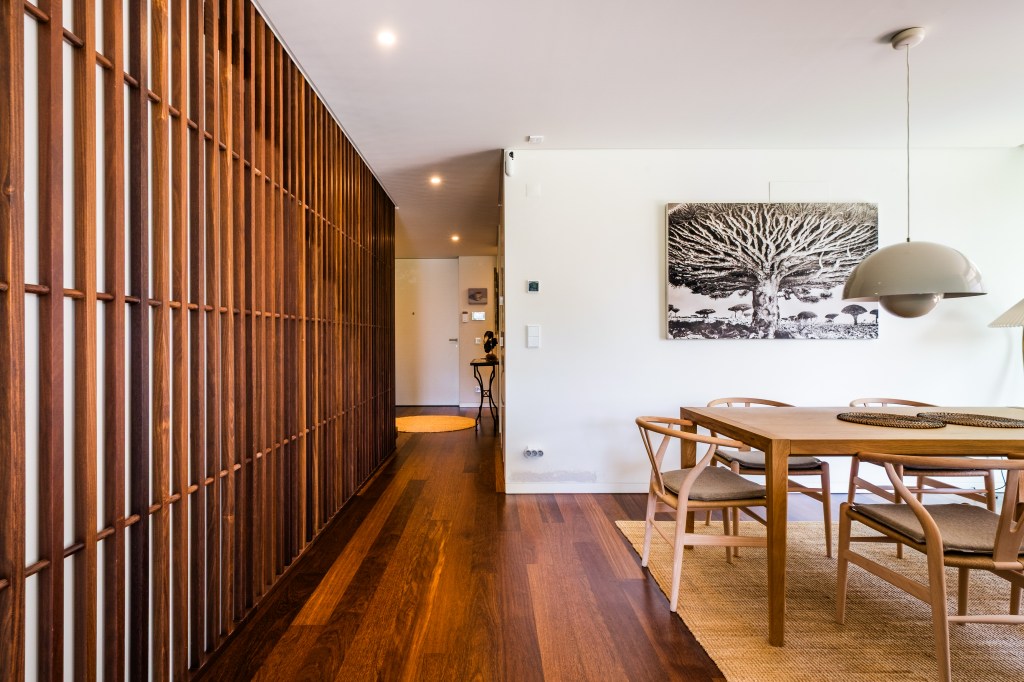
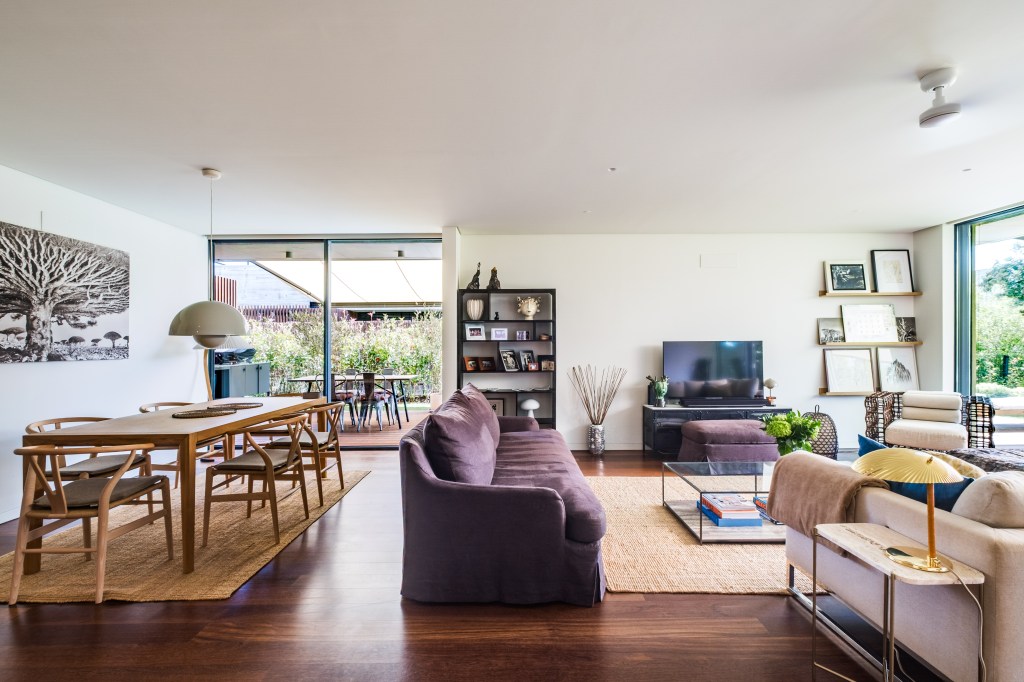
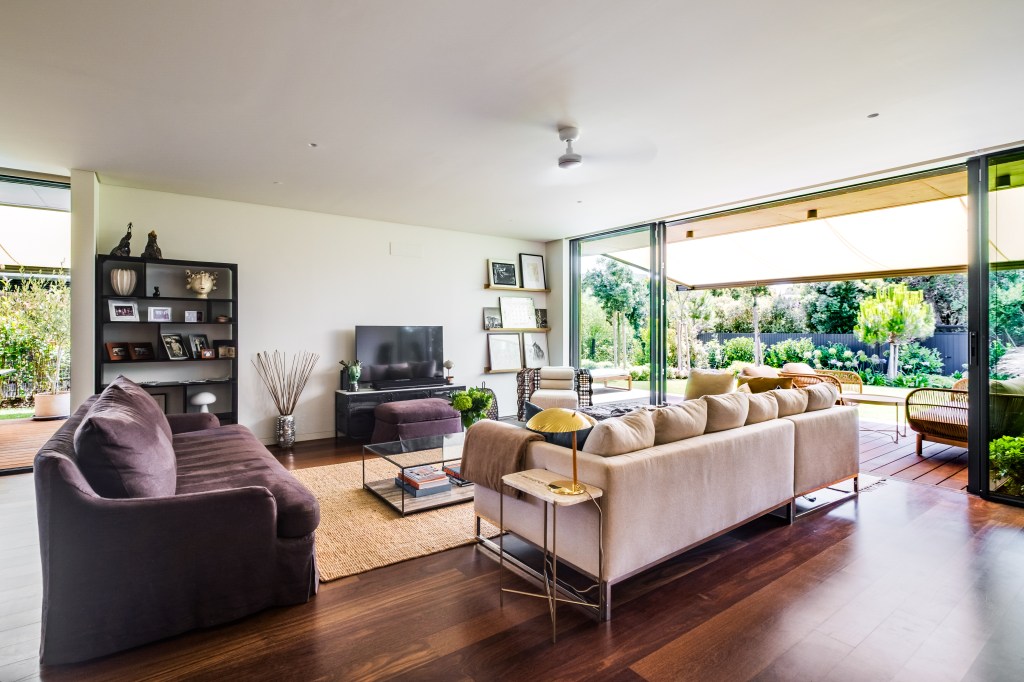
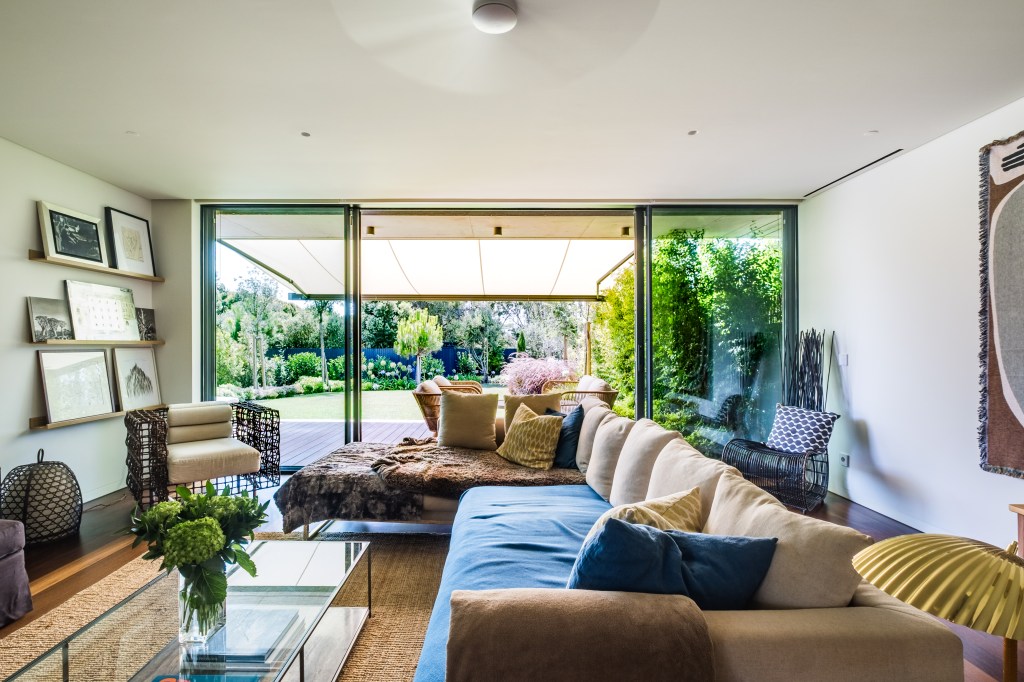
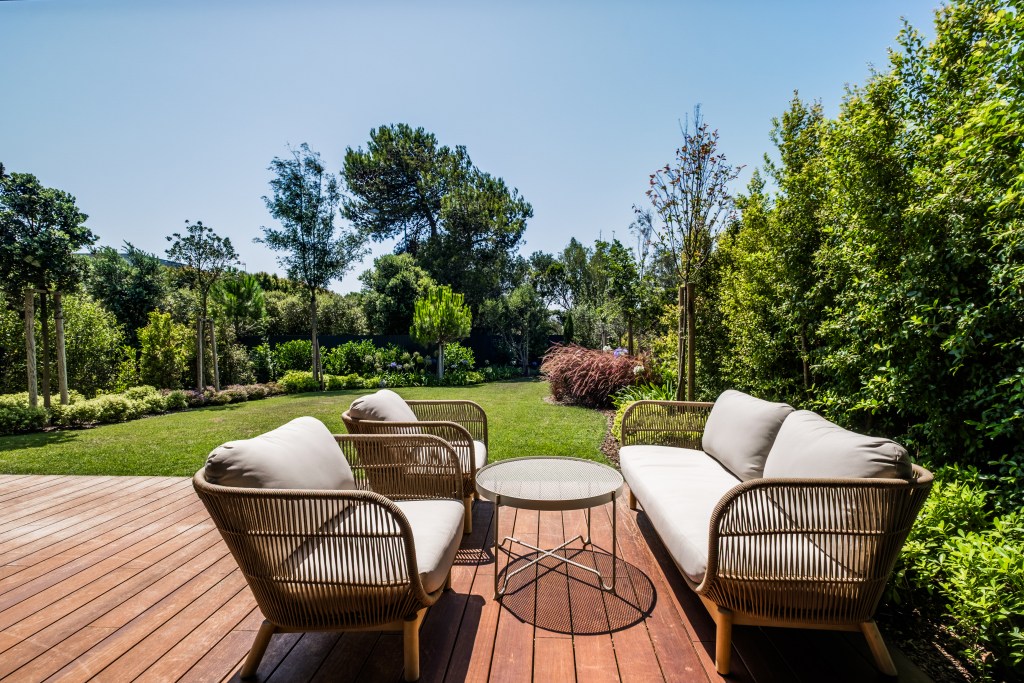
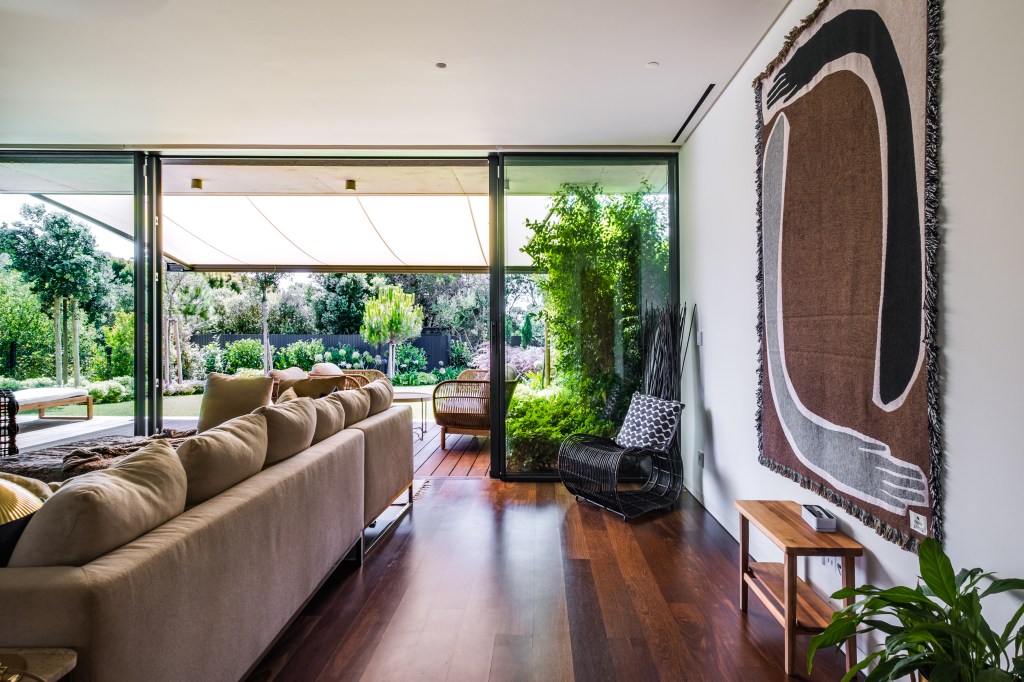
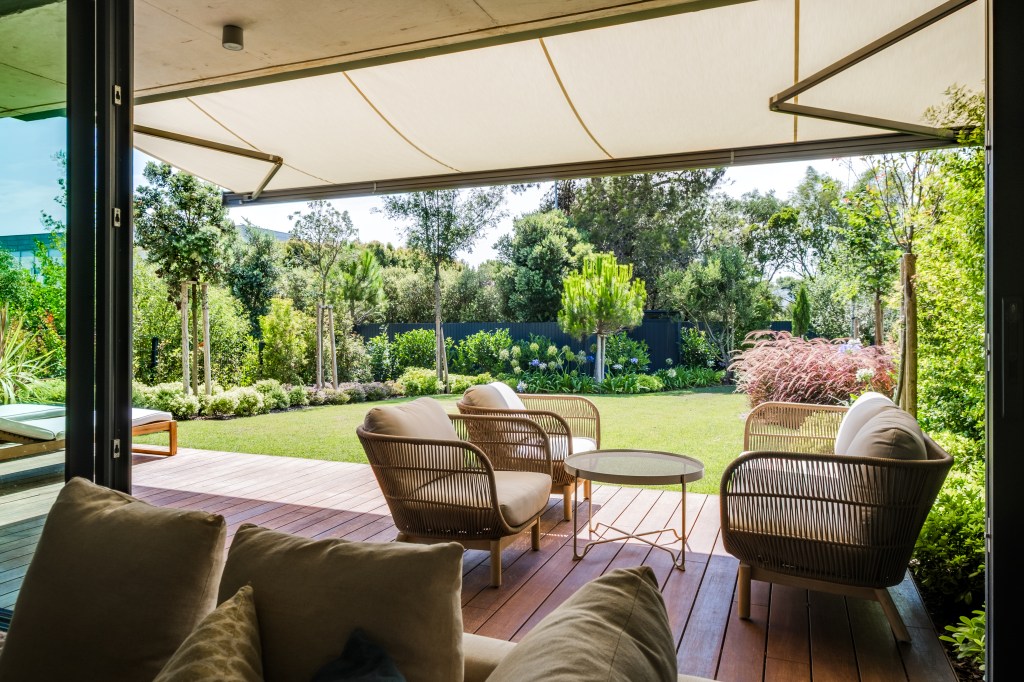
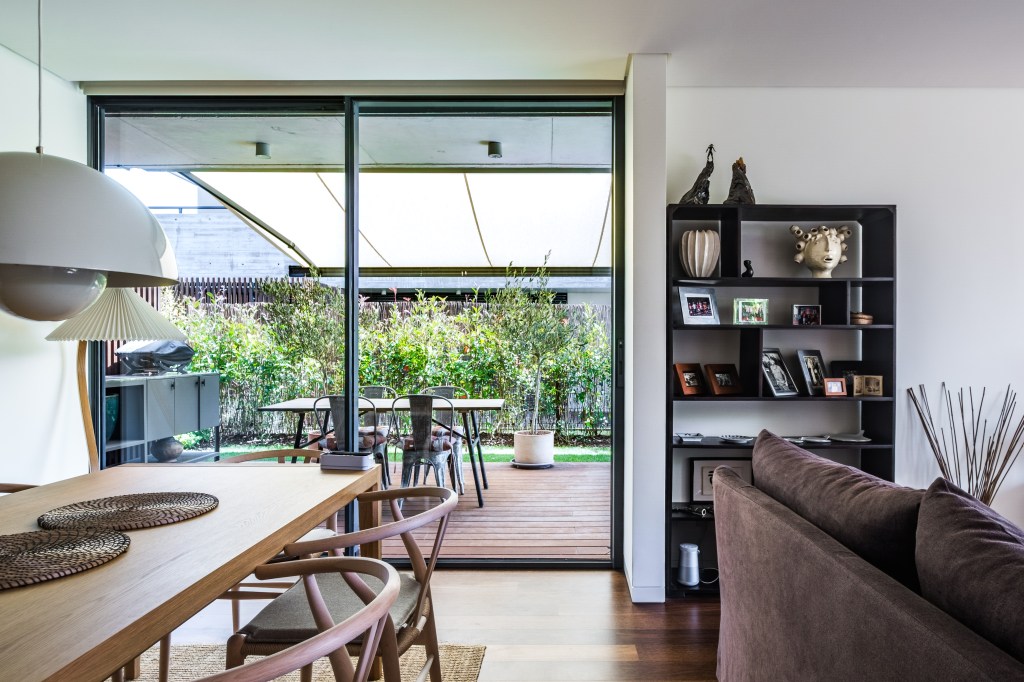
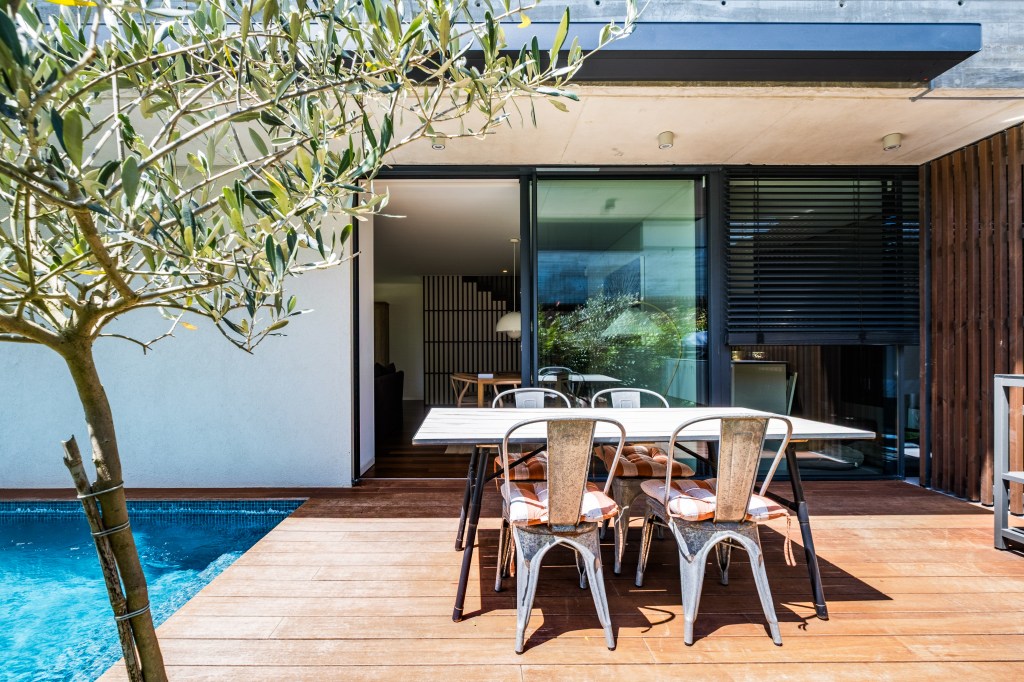
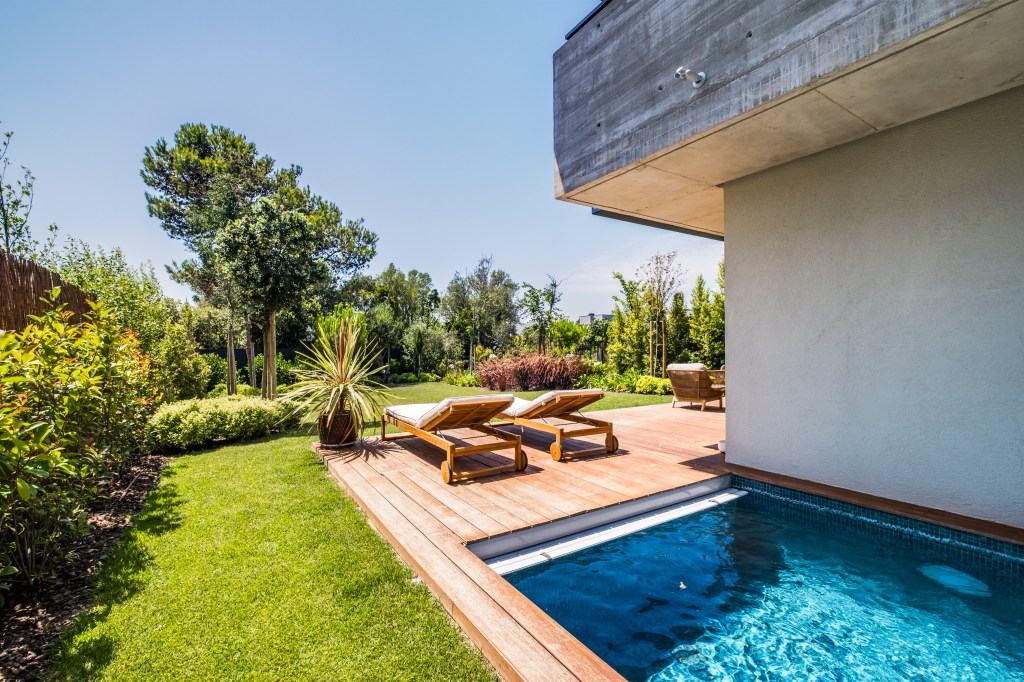
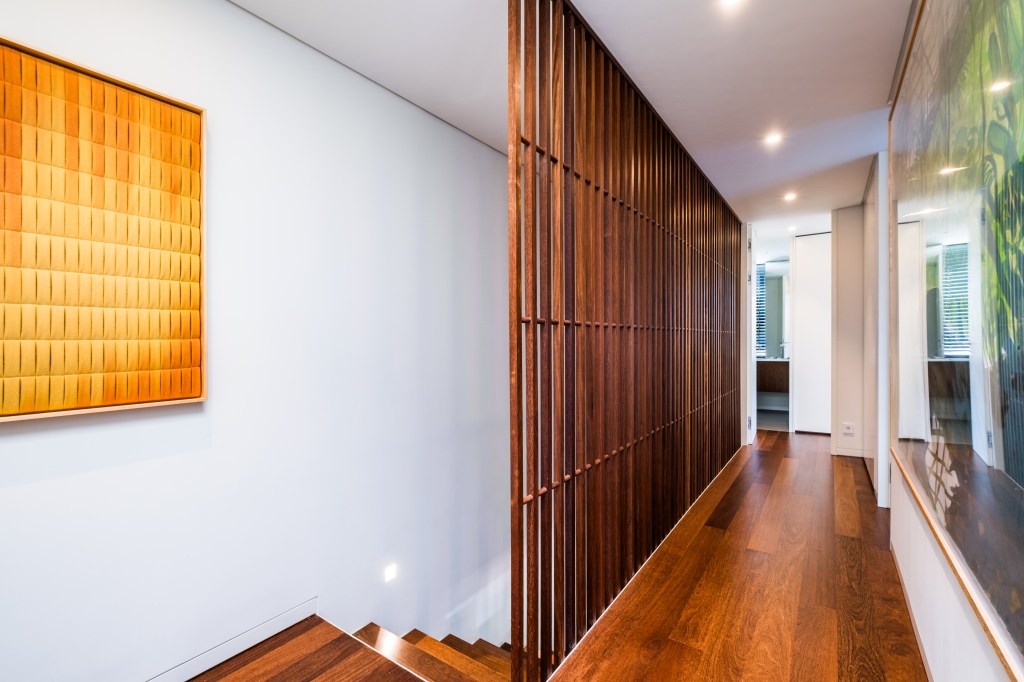
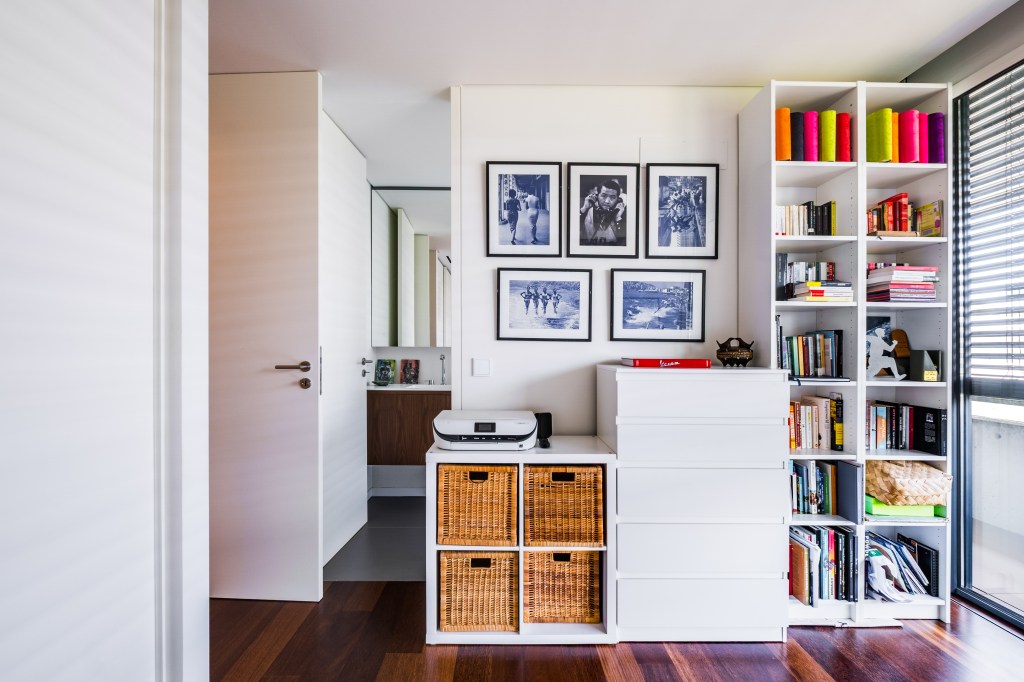
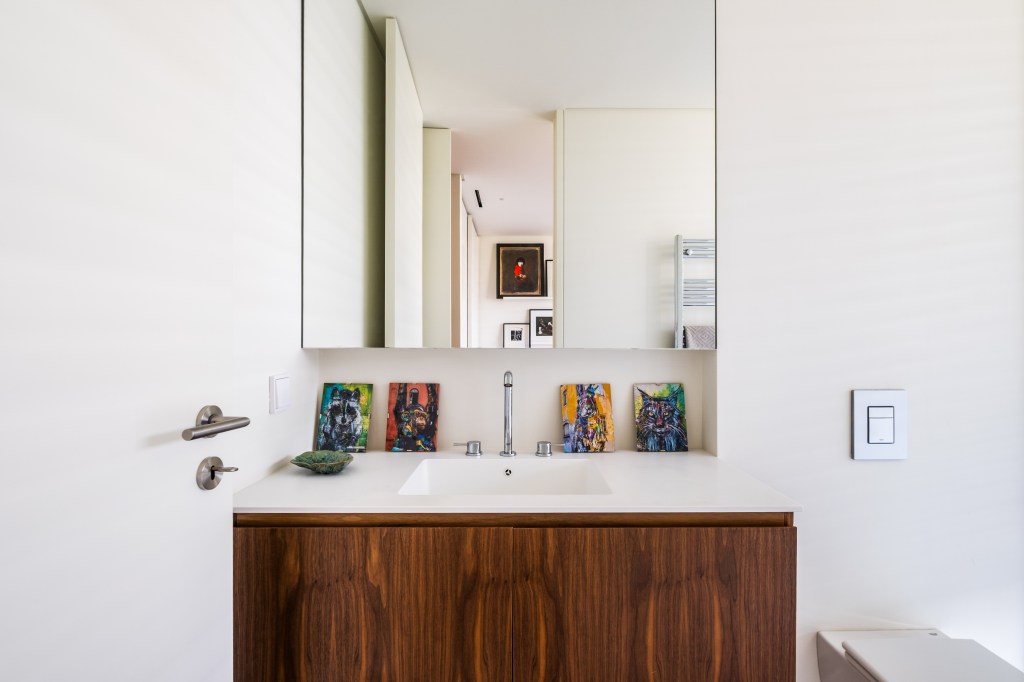
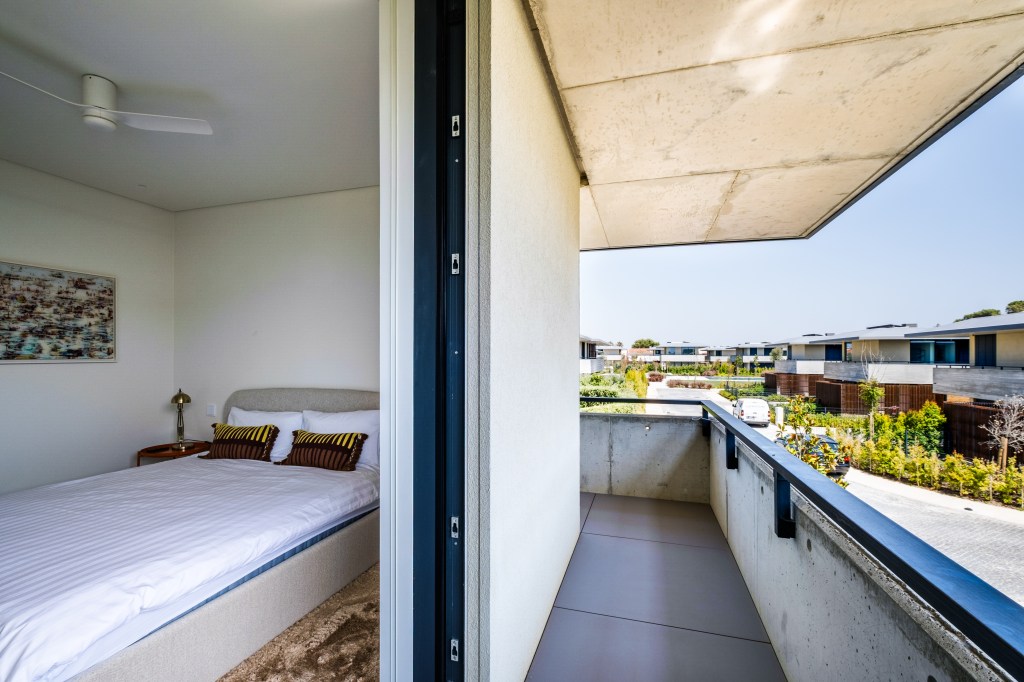
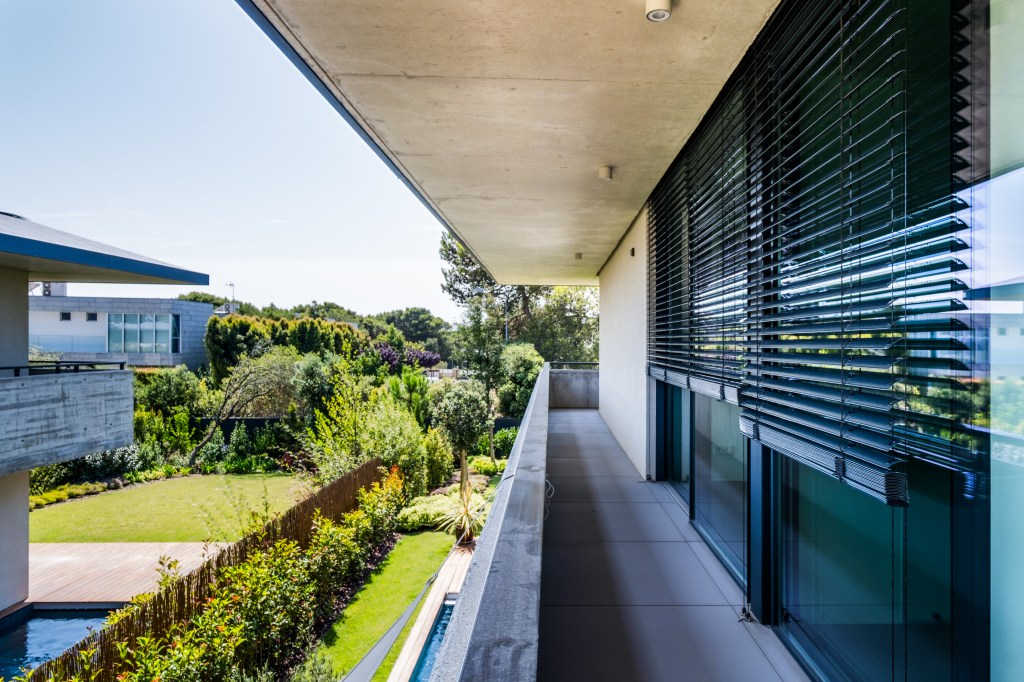
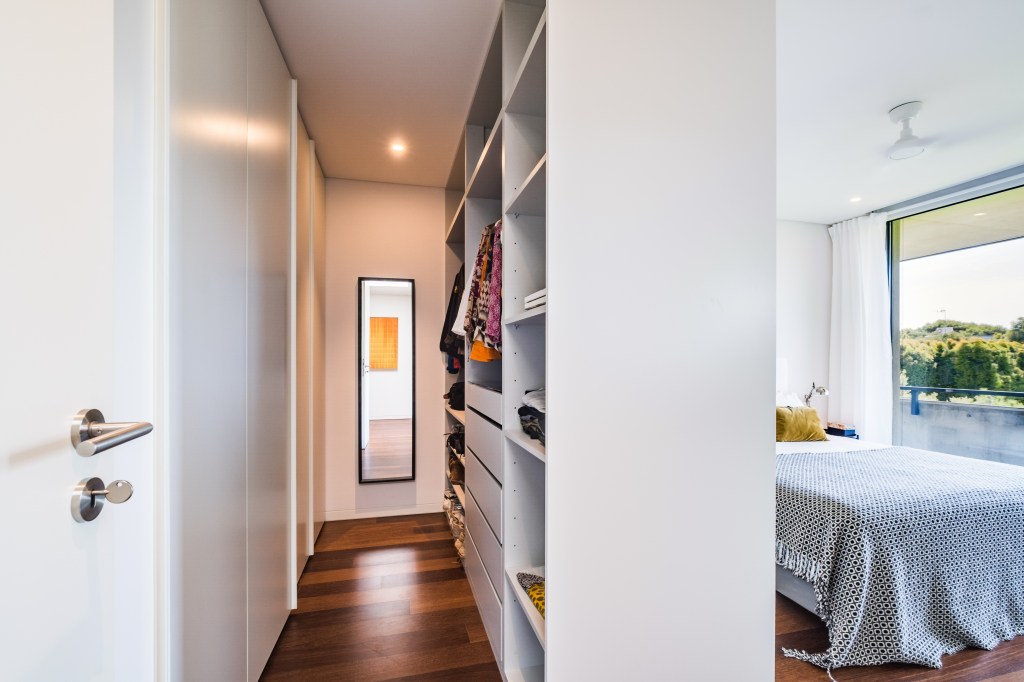
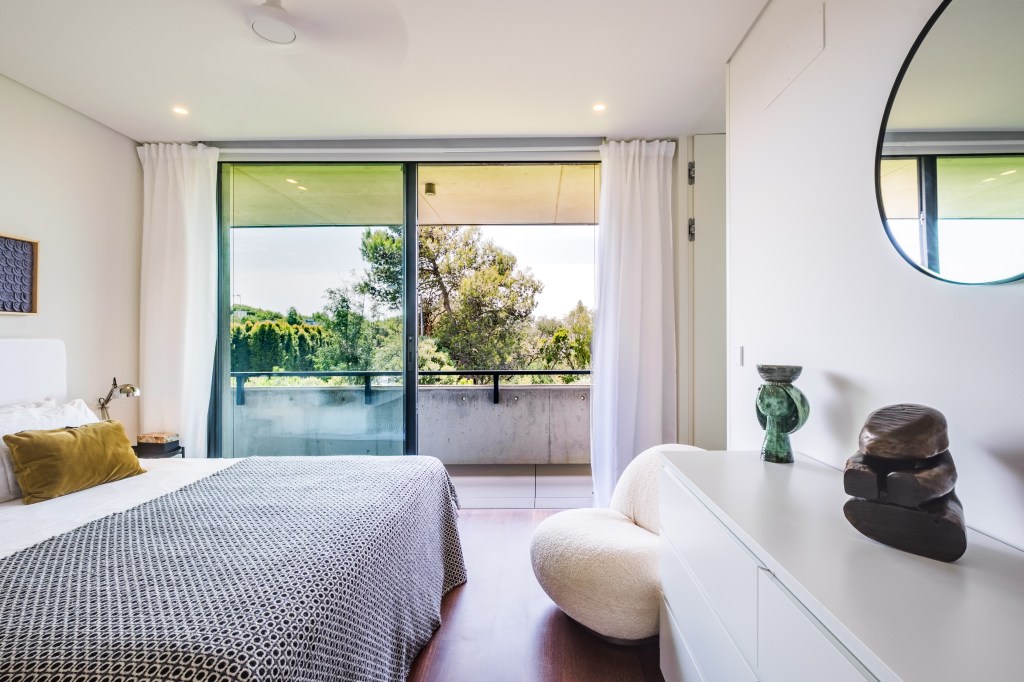
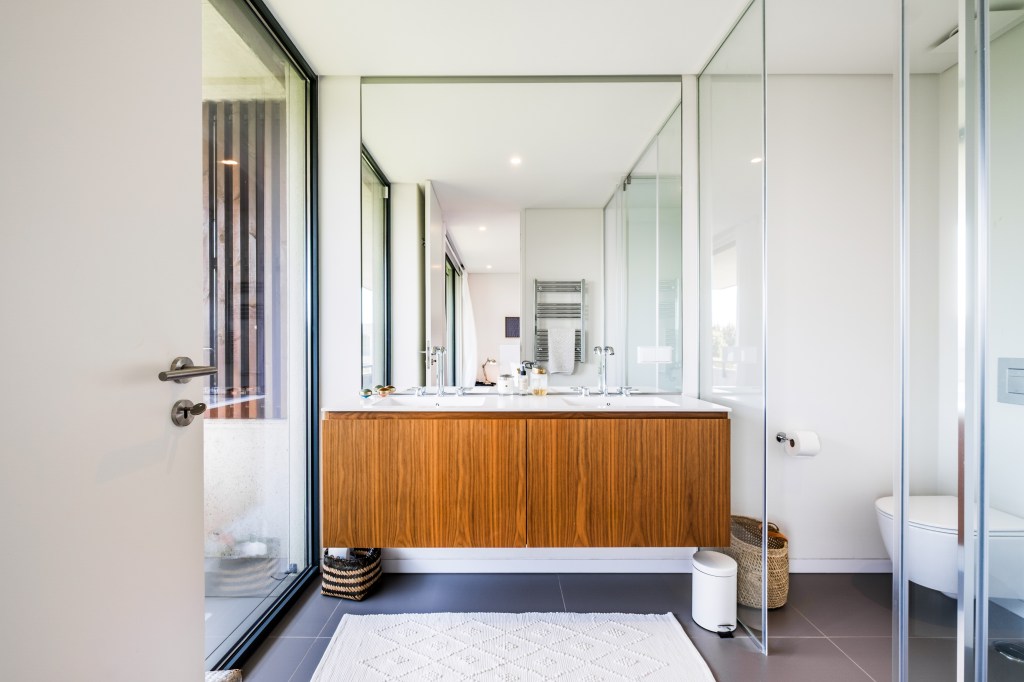
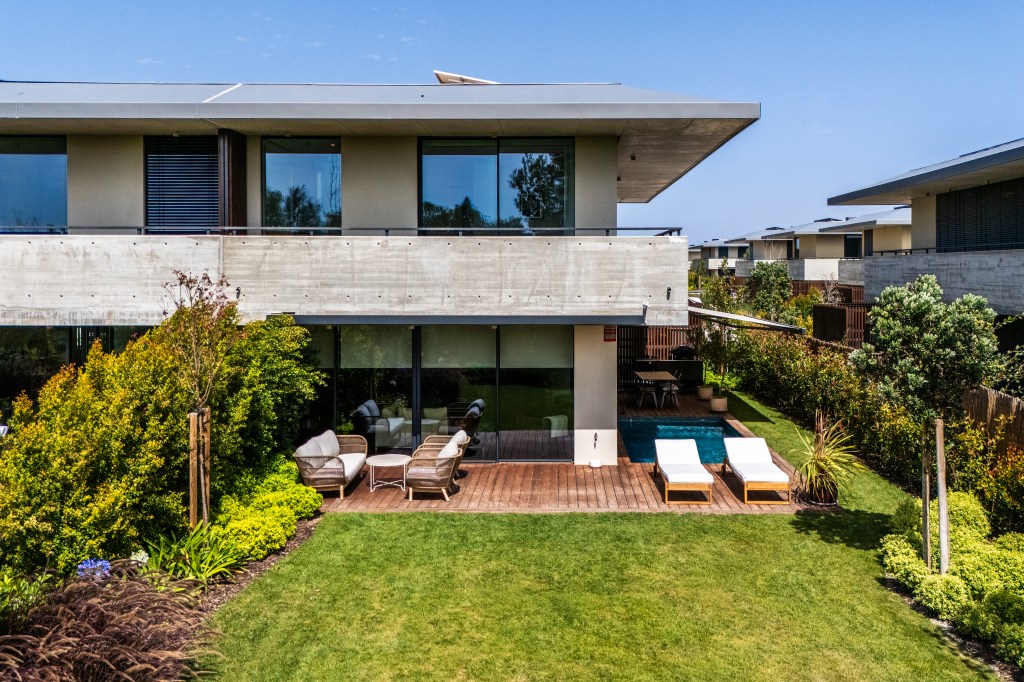
Rental, Martires da Patria, Contemporary Comfort: Generous Family Apartment, High Ceilings (3,60m.) 300m2 Duplex, Large Reception areas, 4 bedrooms, 4 bathrooms + guest lavatory
€ 6800 – possibility to be rented Furnished or Unfurnished


Real Estate Advisory in Portugal
Rental, Martires da Patria, Contemporary Comfort: Generous Family Apartment, High Ceilings (3,60m.) 300m2 Duplex, Large Reception areas, 4 bedrooms, 4 bathrooms + guest lavatory
€ 6800 – possibility to be rented Furnished or Unfurnished


The Portuguese capital is booming with an influx of artists, retirees and visitors drawn to an exciting, affordable culinary scene and an inclusive culture.
© by Alexander Lobrano for The New York Times Photographs by Gonçalo Fonseca – Published June 3, 2026
“For me, no flower can match the endlessly varied colors of Lisbon in the sunlight,” the early-20th-century literary giant Fernando Pessoa wrote of the Portuguese capital, where he spent the last 15 years of his life.
Dictatorship and financial crises would dull that luster, but these days, Lisbon is blooming, and booming, attracting an influx of creatives, expatriates and retirees with its beauty, weather and relaxed lifestyle. Last year’s tragic funicular crash shocked the city and sparked discussion of the city’s identity.
But its popularity has continued to grow. The Portuguese capital received roughly two million visitors a year in the mid-1990s and is expected to receive more than nine million in 2026. Americans are particularly enamored of Lisbon, with U.S. arrivals rising by 90 percent during the last four years.
The metro system is undergoing a major expansion, its skyline bristles with construction cranes, and exciting restaurants are turning the city into one of Europe’s most affordable culinary capitals.
A City Awakened
“Portugal is a country of contradictions. It’s conservative but adventurous, insular but open to the world,” said Carlos Sanches Ruivo, the owner of the Late Birds, a 16-room guesthouse in the Bairro Alto neighborhood that is branded as a “gay urban resort” but welcomes everyone (from 240 euros, or $278, a night). He invited me for coffee after I’d checked in for a night on a three-day trip to Lisbon last summer.
Stylishly furnished with antiques and furniture from the 1960s and ’70s, the Late Birds features an outdoor swimming pool, a sun terrace with a bar in the back garden and walls showcasing the work of local L.G.B.T.Q. artists.
Mr. Ruivo’s own life reflects Portugal’s ups and downs. His politically active parents moved to France during the rule of António de Oliveira Salazar, Portugal’s longtime strongman. Salazar died in 1970, Portugal returned to democracy in 1974, and eight years after that, the country amended its Constitution to ban discrimination on the basis of sexual orientation.
Mr. Ruivo, who had become a successful telecommunications executive in Paris, decided to return to his family’s homeland and in 2015 created the Late Birds in a dilapidated 18th-century townhouse.

Just a few blocks from the Late Birds, I perched on a wooden stool and wolfed down a grilled chorizo at the BacoAlto wine bar (€9.50). I washed it down with a delicious juicy glass of red from Portugal’s little-known but excellent Bairrada region.
Walking down the steep Rua das Flores to the Cais do Sodré train station, I admired Lisbon’s sidewalks, which display a charming wit with their recurring pinwheels, checkerboards and confetti patterns. Their black-and-white cobblestones play as vital a part in the city’s visual identity as the buildings in tones of butter yellow, iris blue, ivory, celadon, coral red and pink.
I was relieved to see that aside from some antitourist and gentrification graffiti, Lisbon’s skyrocketing popularity hasn’t much changed the city’s physical appearance. But it has brought crowds of tourists — especially from cruise ships — into the historic heart of Lisbon.
This was a sharp contrast to my first visit in 1986. Then the city was sullen and shabby, the capital of a country that had recently lost the last of its colonies to independence movements.
The streets were empty and silent and the Lisboans were reserved and wary, too. The Salazar government still cast a long shadow. Almost no one spoke English, and many people seemed ill at ease with foreigners. But Portugal had just joined the European Union, and a new era was beginning.

An Art Scene Blossoms
Along the deep blue Tagus River in the western neighborhood of Junqueira, people lounged with sandwiches and books on the white steps of the Museum of Art, Architecture and Technology, in front of a building that looked like a high-tech seashell
The futuristic riverside gallery, designed by the British architect Amanda Levete, is part of a complex that includes a renovated 1908 power station and a garden
The museum’s extensive Pop Art collection coexists with the old power plant’s collection of boilers, condensers, turbo-alternators, household appliances, lighting instruments and other objects from the 1920s to the 1950s (entry, €15).
Nearby, the barely year-old Museu de Arte Contemporânea Armando Martins, in an elegant 18th-century palace, displays more than 600 pieces from the real estate developer Armando Martins’s collection. One section focuses on Portuguese art from the late 19th century through the end of the 1980s, and a second one includes newer works (entry, €15, plus a €1.20 service fee).

After my visit to the museums, I met my friend Rui nearby for dinner at the chef João Rodrigues’s restaurant Canalha, a favorite of Lisbon chefs, and a tough reservation to snag.
Over an excellent meal that included an omelet topped with shrimp and onions (€18), squid sautéed in ewe’s-milk butter (€25), and steak (€16), we talked about Lisbon’s emergence as a serious art town. “It’s the perfect base for working artists,” Rui said. “It has lots of cheap space and you can get by on a part-time job, which leaves you time to do your art.” He added that the local gallery scene is thriving as the city has become richer and more cosmopolitan.
But there is a dark side to all the changes, he warned, with the rise of the far-right Chega party. “Homophobic graffiti is starting to turn up in Lisbon again,” he said.
After dinner, we headed to the cluster of lively gay cafes, bars and clubs in and around the Rua da Barroca in Bairro Alto, where we were meeting Rui’s boyfriend, Paolo, for a nightcap. Over gin and tonics at the friendly Side Bar, I noticed how inclusive the crowd was, a variety of genders, ages, shapes, sizes and colors all having a good time together.
Lisbon is in the midst of a hotel boom, and I wanted to check out one of the newest and most popular new properties, so I moved from the Late Birds to the new 370-room Locke de Santa Joana Lisbon, near the Praça do Marquês de Pombal, a major roundabout with a central monument.
The hotel, built on the site of a former 17th-century convent, offers 11 different types of affordably priced accommodations; almost all include stoves, refrigerators and washing machines (from €137). The hotel also has a variety of dining options, including the renowned Portuguese chef Nuno Mendes’s restaurant Santa Joana, where I had a superb dinner of a tiborna, a Portuguese take on bruschetta, topped with charred sweet onions, aged São Jorge cheese and tarragon (not currently on the menu), and a pork T-bone with roasted-walnut sauce and turnips (€32).

Wisdom From the Past
Pessoa, who died in 1935, was as much the bard of Lisbon as James Joyce was of Dublin, and I wanted to visit the Casa Fernando Pessoa, his home in the city he loved (entry, €5).
The bedroom of this gay man who earned his living as a translator for shipping companies — he spoke fluent English from his childhood in Durban, South Africa — has been preserved as he left it.
Seeing a collection of his oval-lensed rimless eyeglasses in a display case, I thought of one of his most moving lines: “I’d woken early, and I took a long time getting ready to exist.”
After an excellent lunch of free-range Portuguese pork at Pigmeu, in the Campo de Ourique neighborhood (€17), I walked to the Jardim do Principe Real to meet my guide for a four-hour Queer Lisbon walking tour.
I was day dreaming in the deep shade of a 400-year-old cedar, listening to the sparrows chirp, when the guide, Leonor Machado, arrived, and we moved to a cafe on the edge of the gardens to preview the tour over coffee.
“To understand gay life in Lisbon today, you need to look deep into Portugal’s past,” Ms. Machado told me. “Along with racism and misogyny, homophobia is very deeply embedded in the country’s colonial history.”
The tour (€40) completely changed the way I see Lisbon. I learned how decades of fascism left a lingering imprint on Portuguese culture.
“So much of what Salazar did came from deep feelings of inferiority about Portugal’s place in the world,” Ms. Machado explained, showing me a colonial-era poster that read, “Portugal Is Not a Small Country!” In addition to mainland Portugal, the poster included the former Portuguese colonies of Angola and Mozambique to make the case for the country’s importance.
The tour ended at Damas, a wonderfully funky restaurant, cafe, bar and art space in an old industrial bakery in the Graça neighborhood. We ate pica pau — beef with garlic butter sauce and pickles — and string bean tempura and continued talking art and politics over glasses of red wine (about €20). Suddenly, I realized I’d kept Ms. Machado long beyond the four-hour tour. I urged her to get home to her wife and said I’d stay and finish my wine.
We said our farewells with a kiss on the cheek.
Pessoa considered “saudade,” an aching yearning for someone or something missed, lost or never known, as the defining trait of the Portuguese identity.
That may be true, but Lisbon appears, joyfully, to hold on to something it never lost: “The best thing about my hometown is that it’s kind,” Ms. Machado said, adding that it’s also “inclusive and still has a strong sense of community.”
I couldn’t have agreed more.

©The New York Times
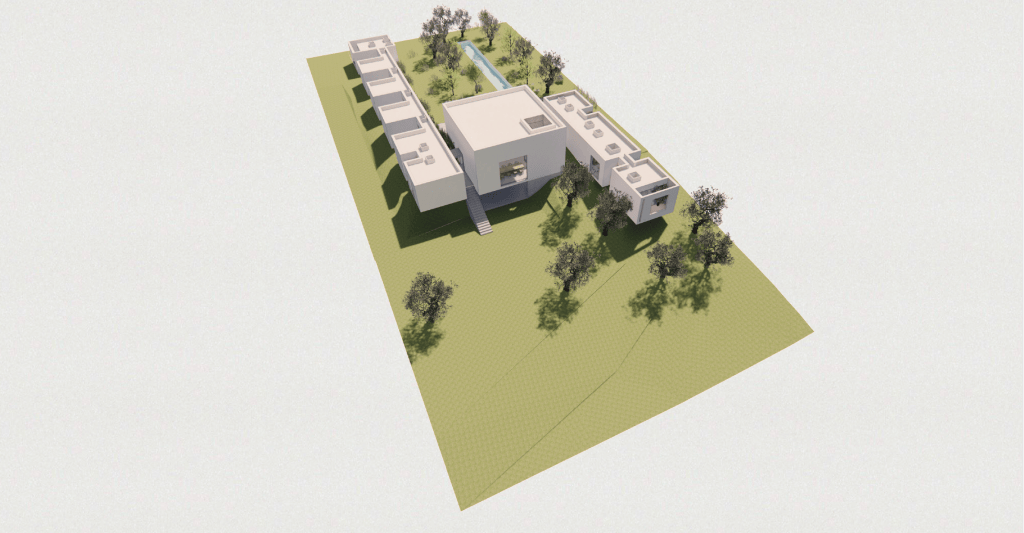
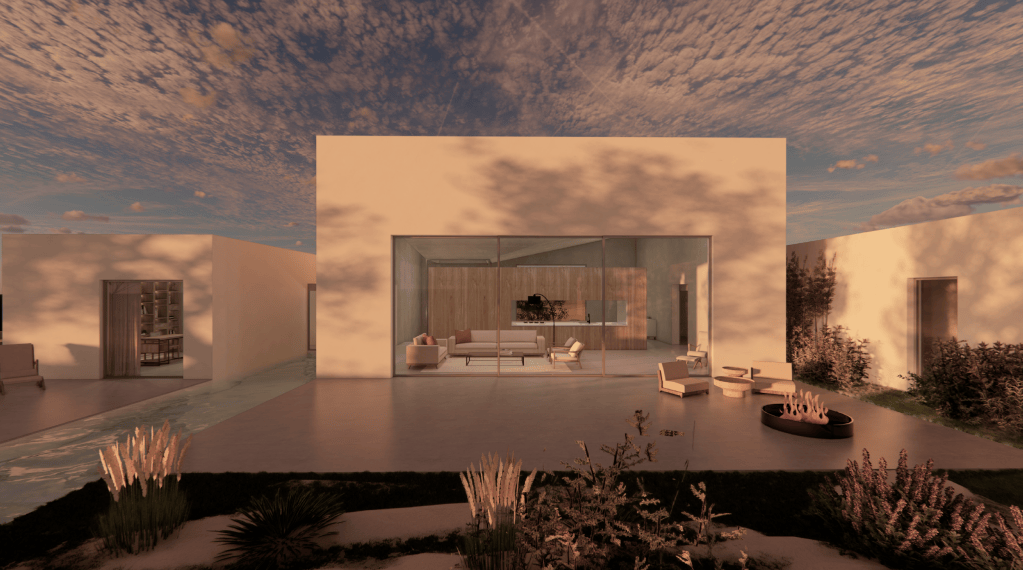
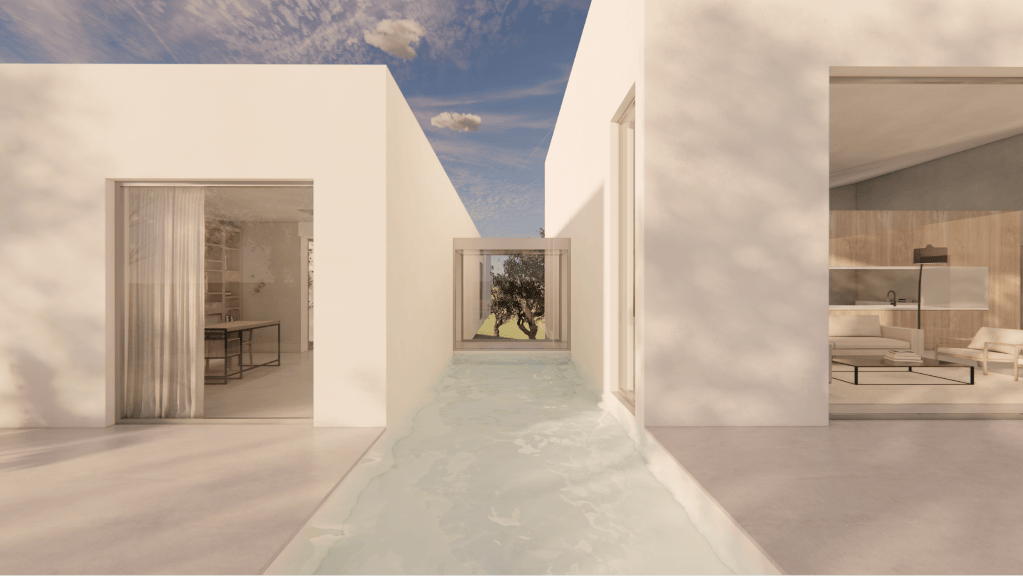
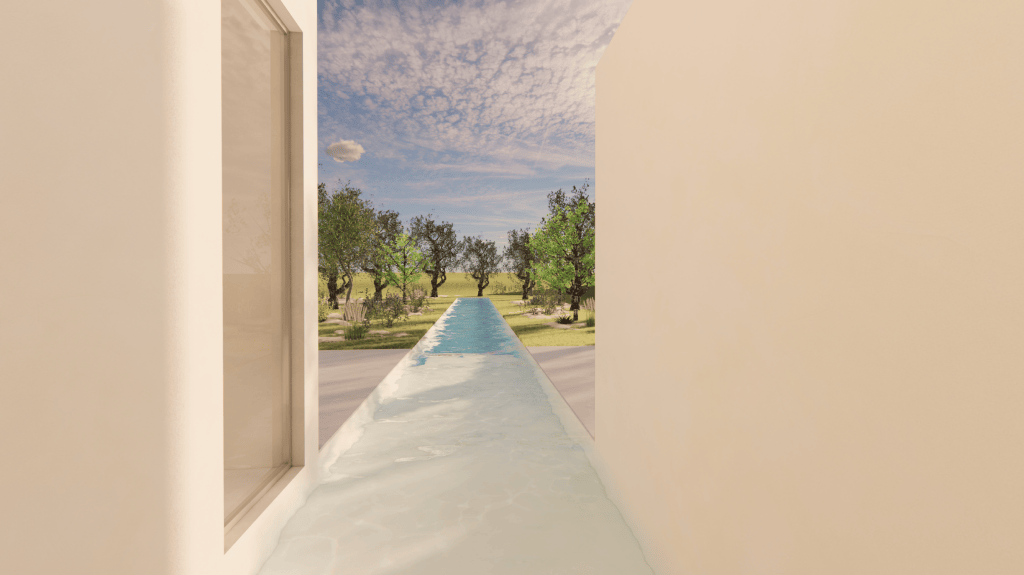
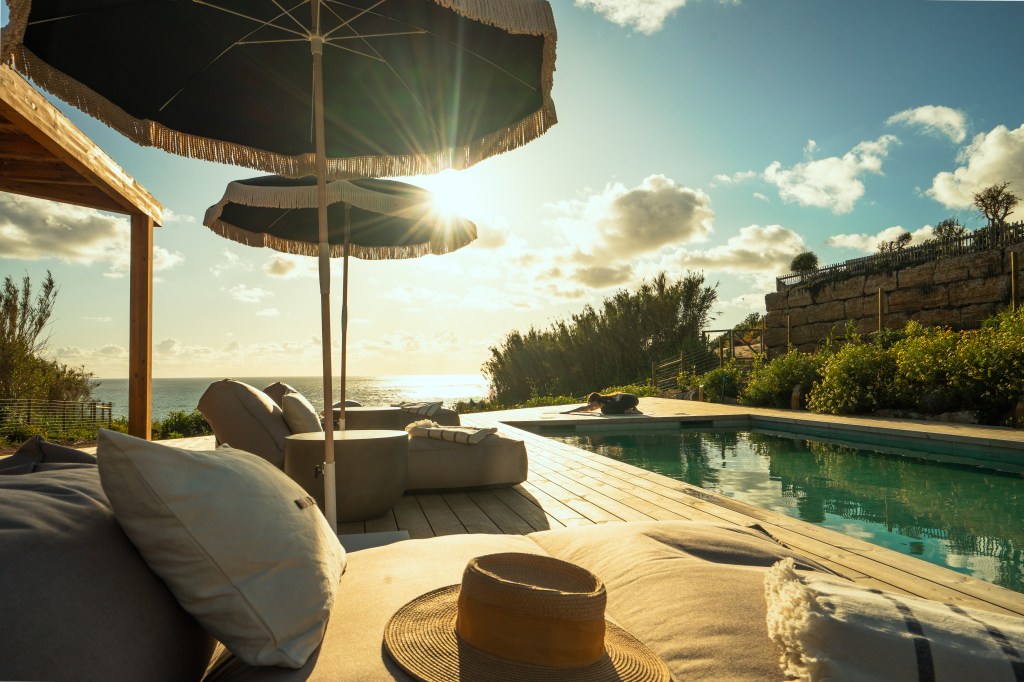
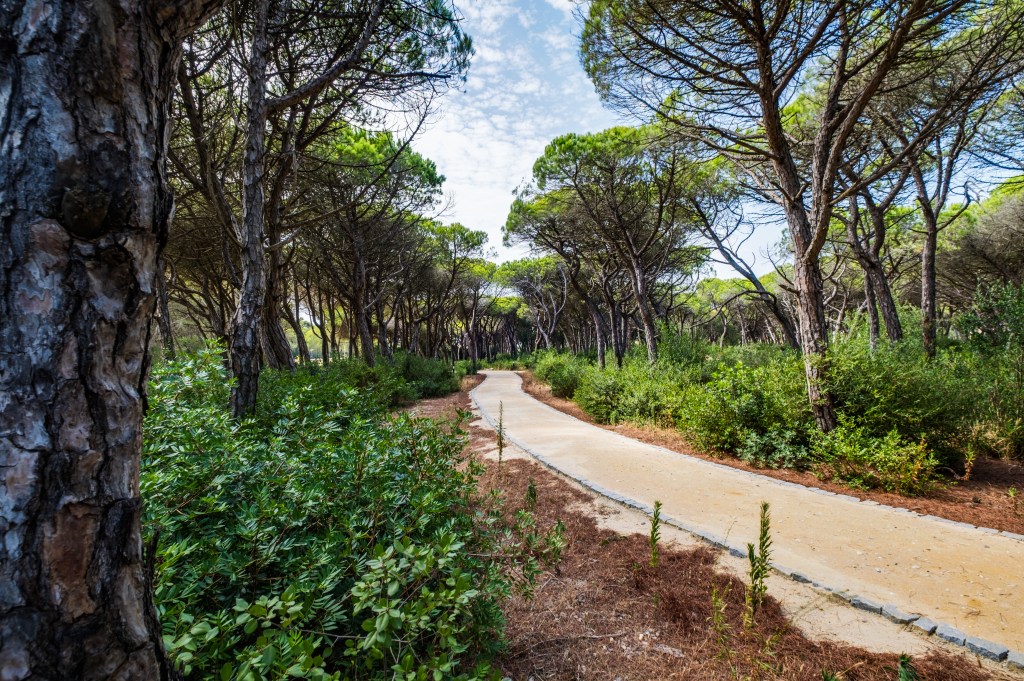
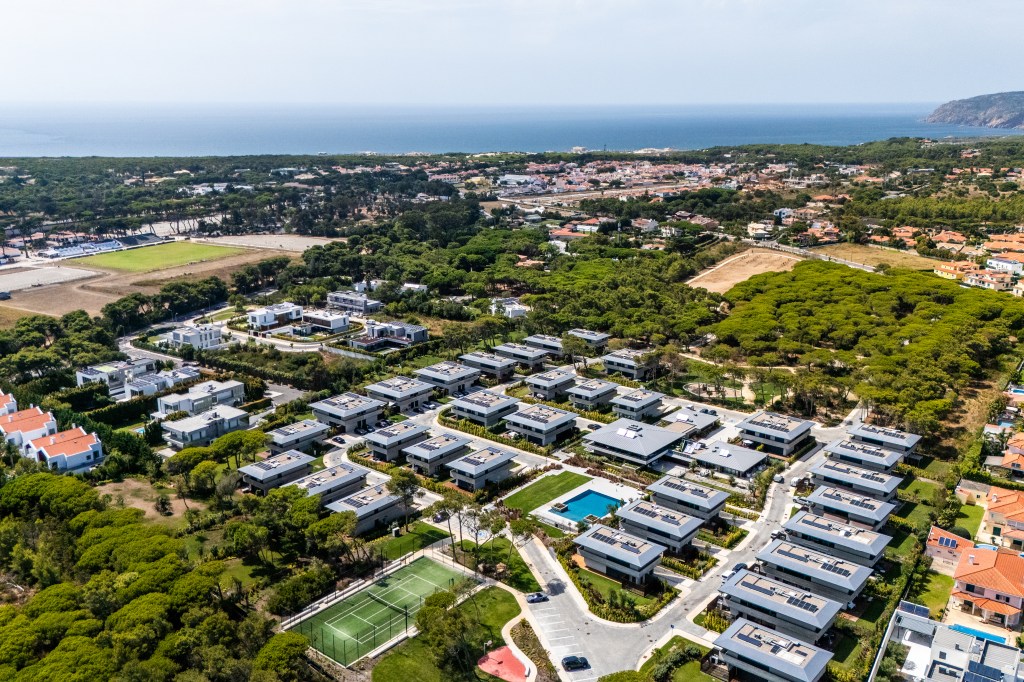
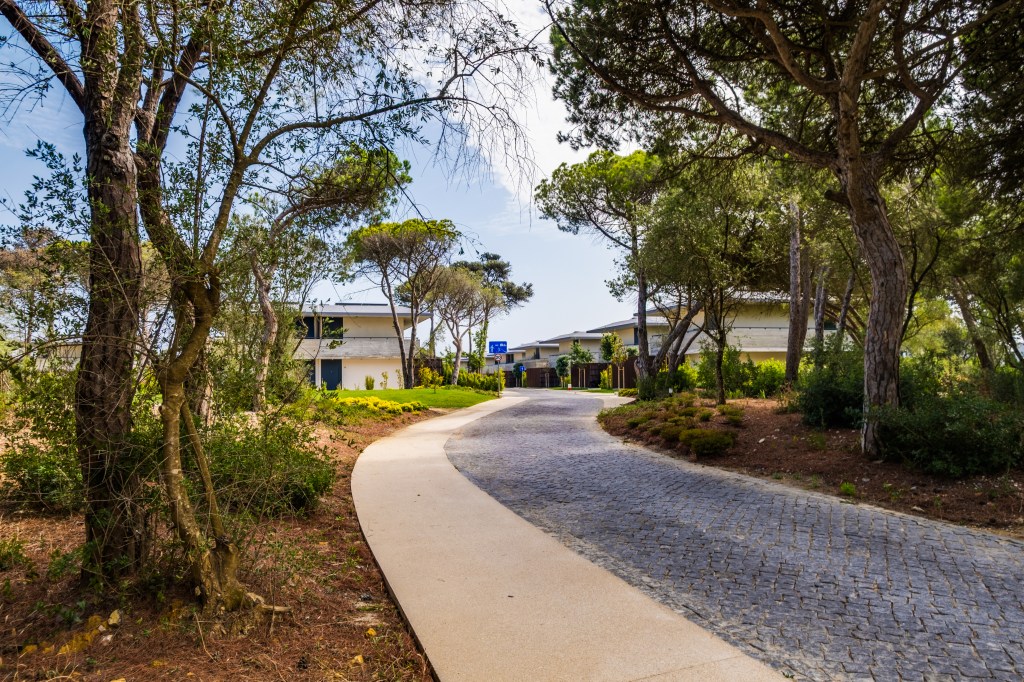
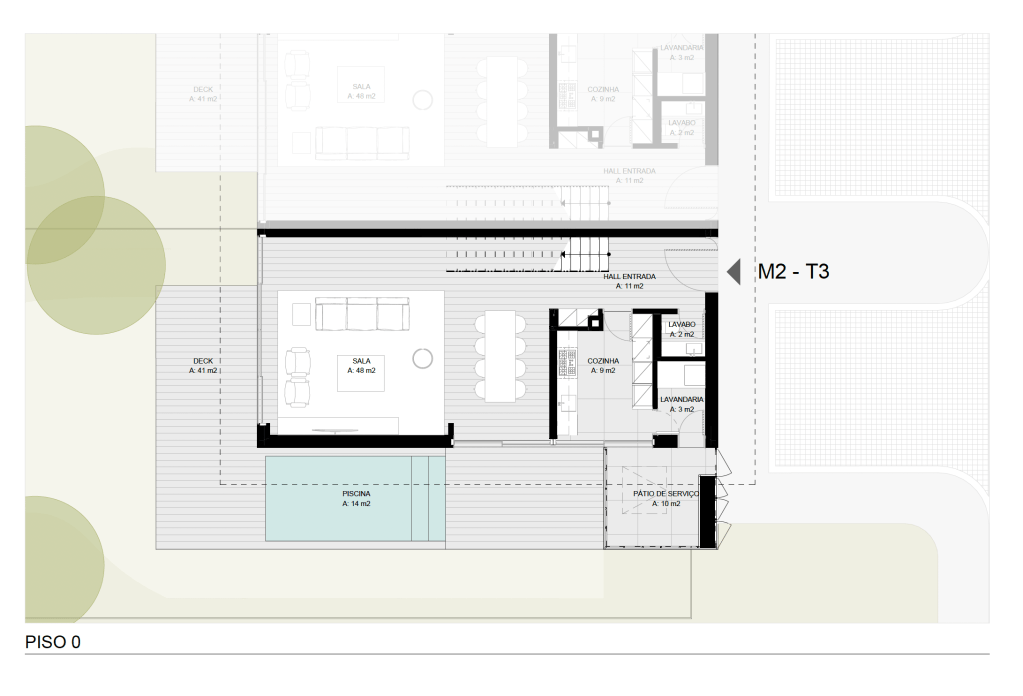
For Sale, Brejos de Cima, Comporta, Perfect Summer House: Elegant 307m2 House, 5 bedrooms, 5 bathrooms + guest Lavatory, within a 770m2 garden with Pool
Delivery Q2 2027
€ 2,650,000
For more info, please email: paxetcopiaservices@gmail.com


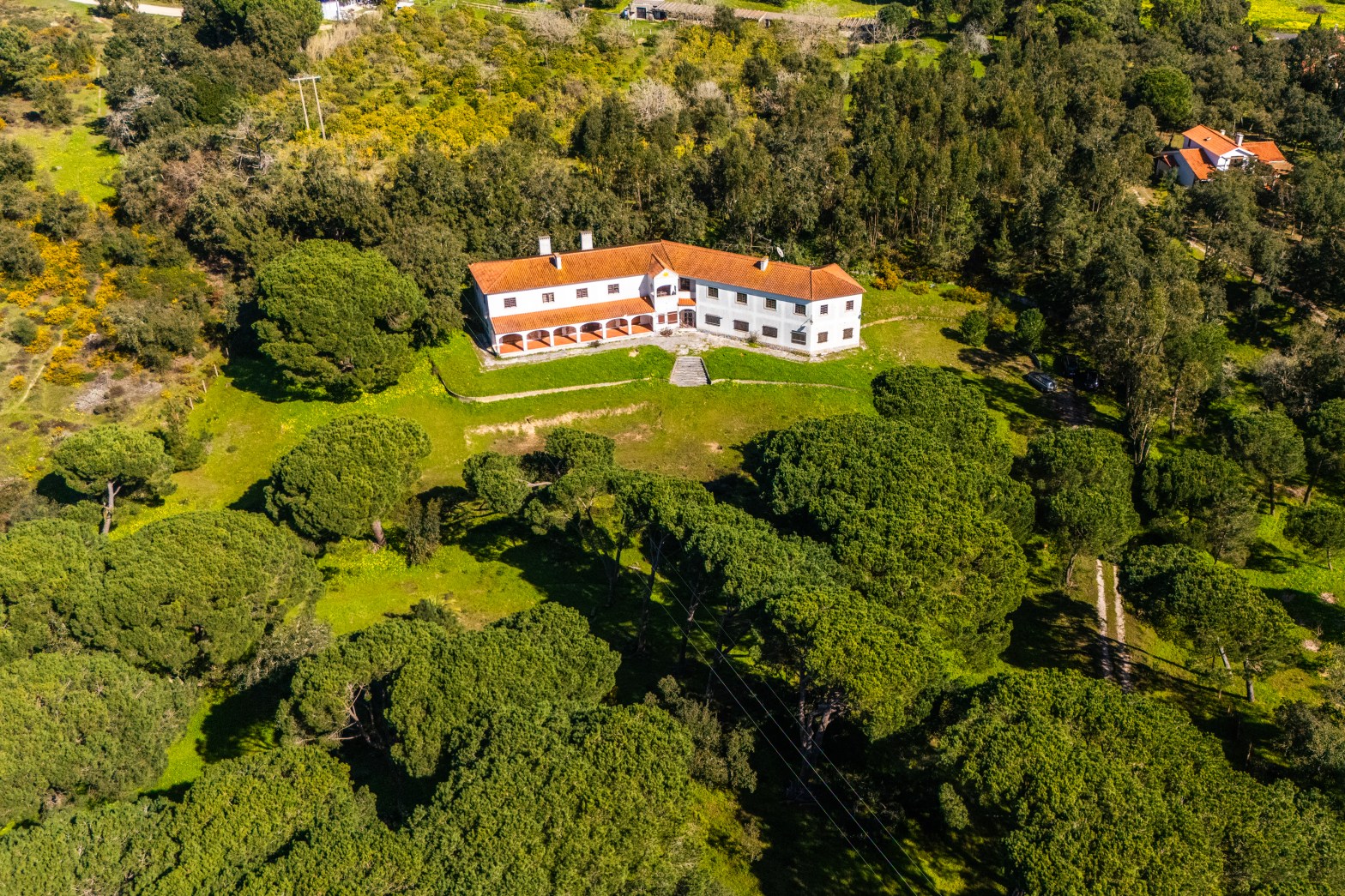
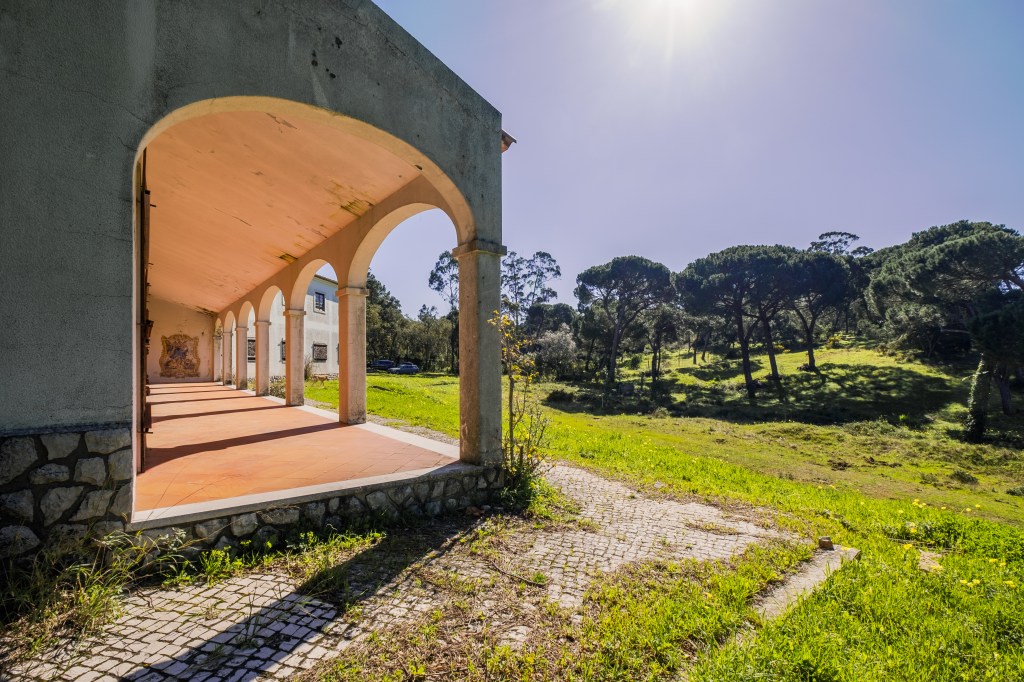
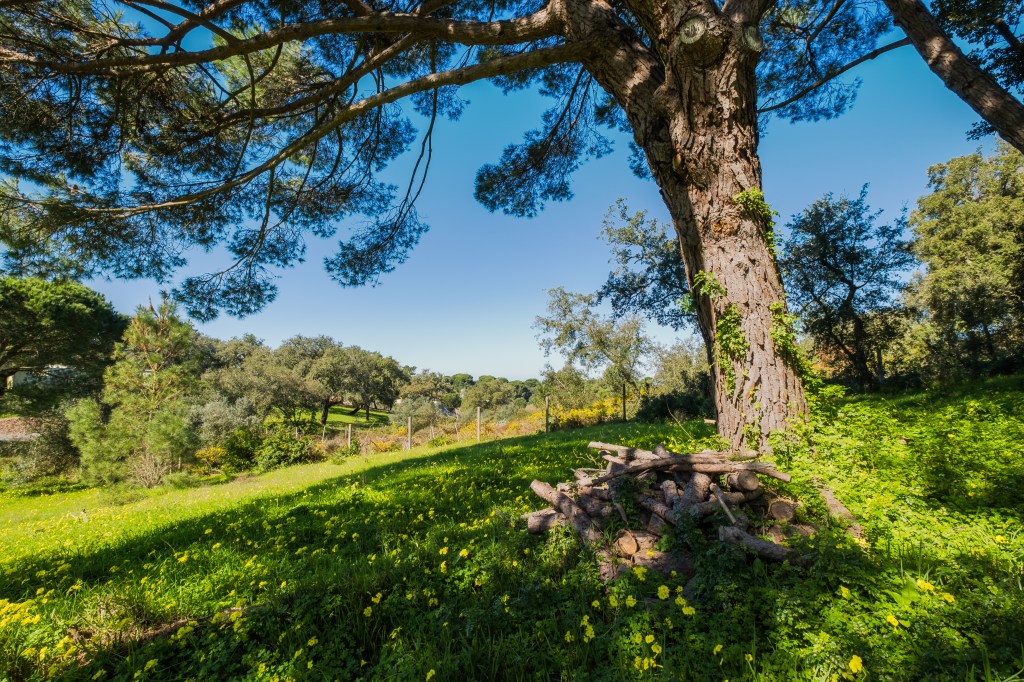
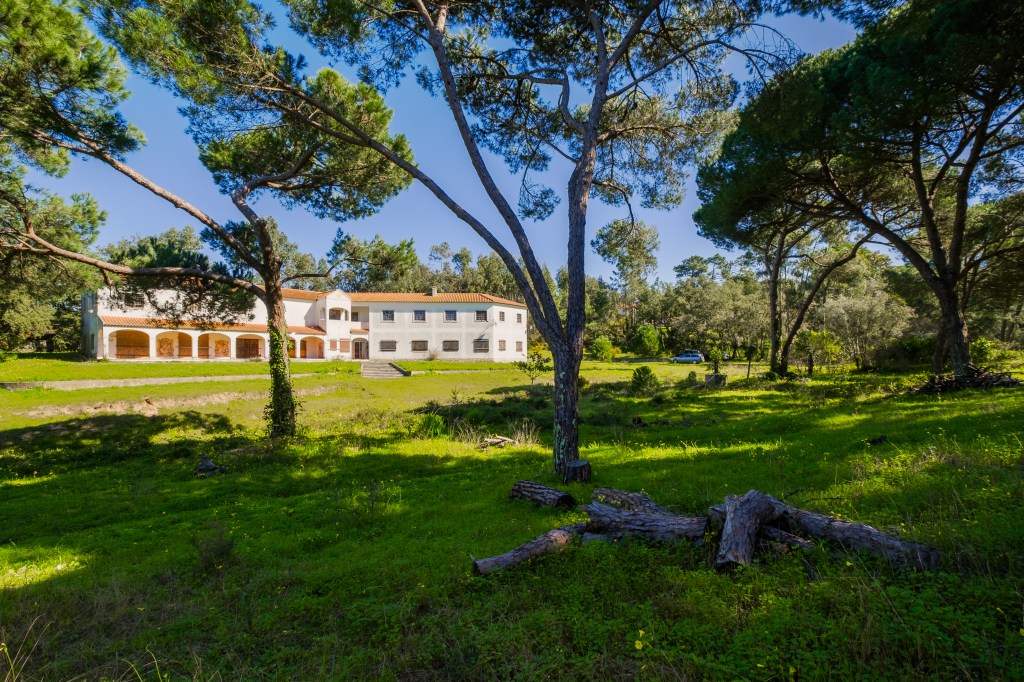
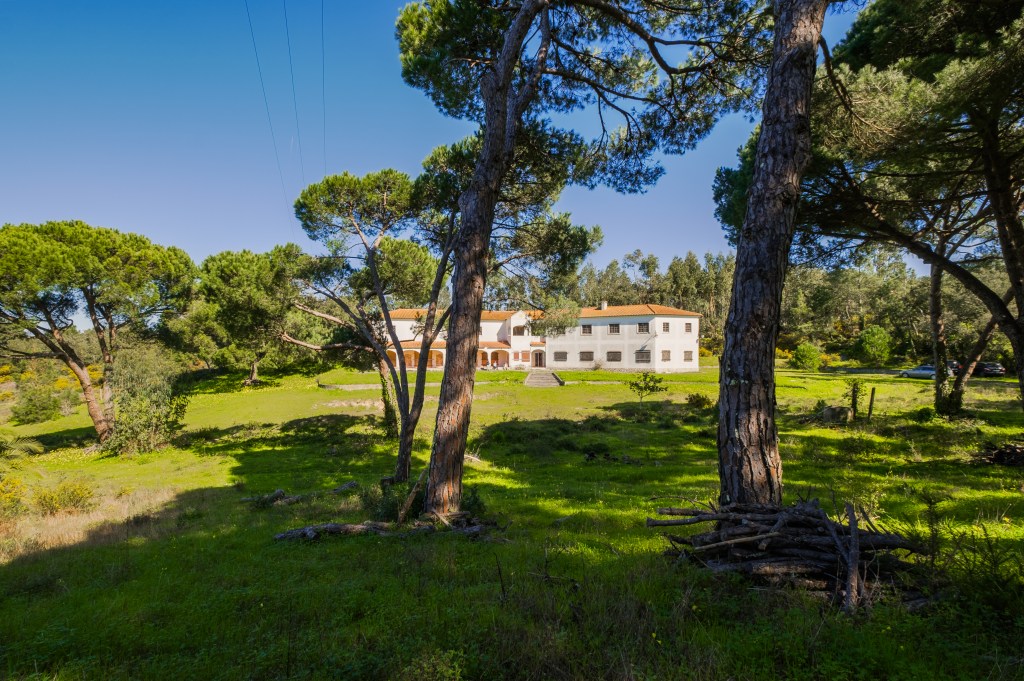
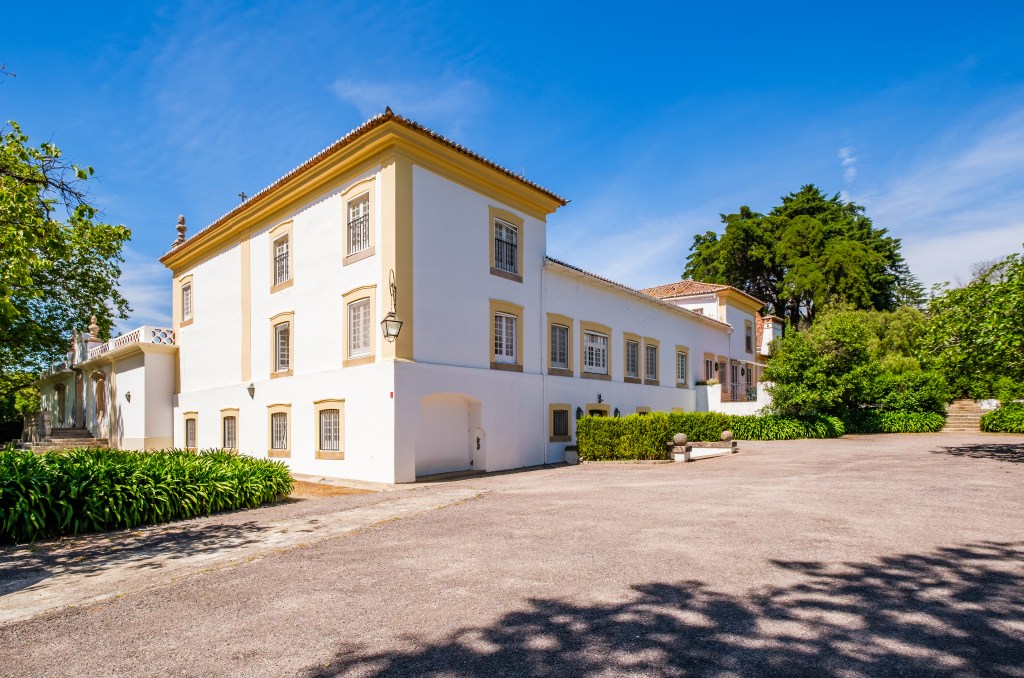
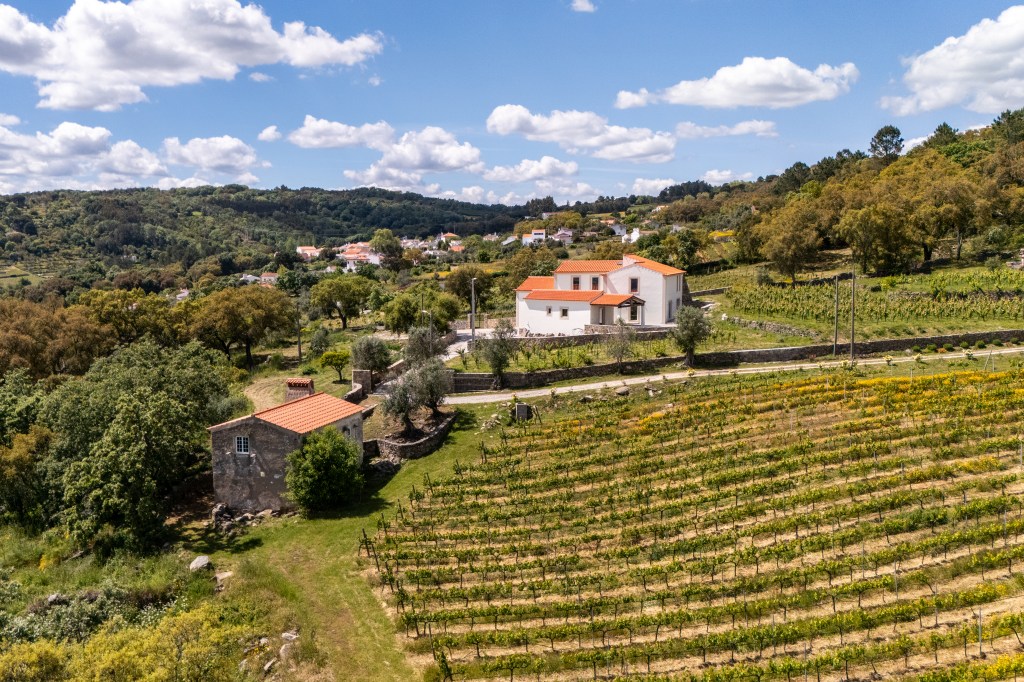
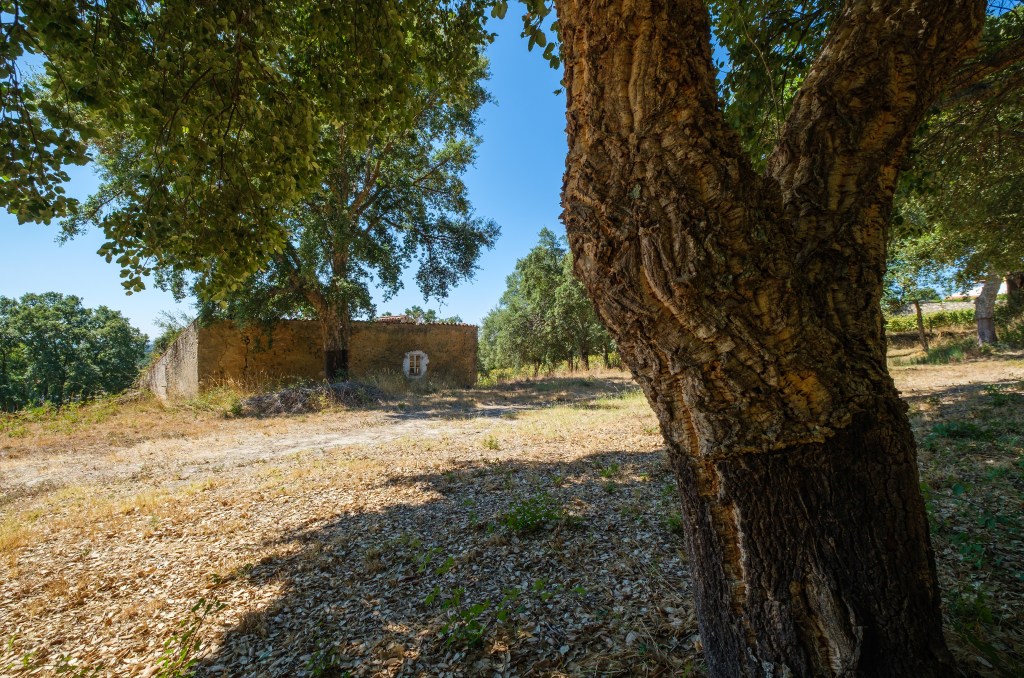
For Sale, Santo Estevão, Mata do Duque, Elegant Traditional Portuguese House: Comfortable 430m2 main house, 5 bedrooms, 4 bathrooms + guest lavatory. Ample reception areas and kitchen + Housekeeper cottage, Garden shed and Pool within 2 Hectares of Pine and Cork trees
€ 1,690,000


For Sale, Estoril, Contemporary Elegance! Refined Duplexes with Terraces and Sea views: Ground floor & first floor, 287m2, 3 bedrooms, 3 bathrooms + 2 large terraces and pool
Second floor & third floor, 233m2, 3 bedrooms, 3 bathrooms + terrace. Each apartment has 2 parking spaces + storage
Delivery Q2 2026
€ 2,8M per Duplex
For more info, please email: paxetcopiaservices@gmail.com


For Sale, Estoril, Perfectly Located Apartment: 185m2, 3 bedrooms, 3 bathrooms, 2 balconies, inserted in a lovely townhouse with shared pool + Garage and Storage
€980,000


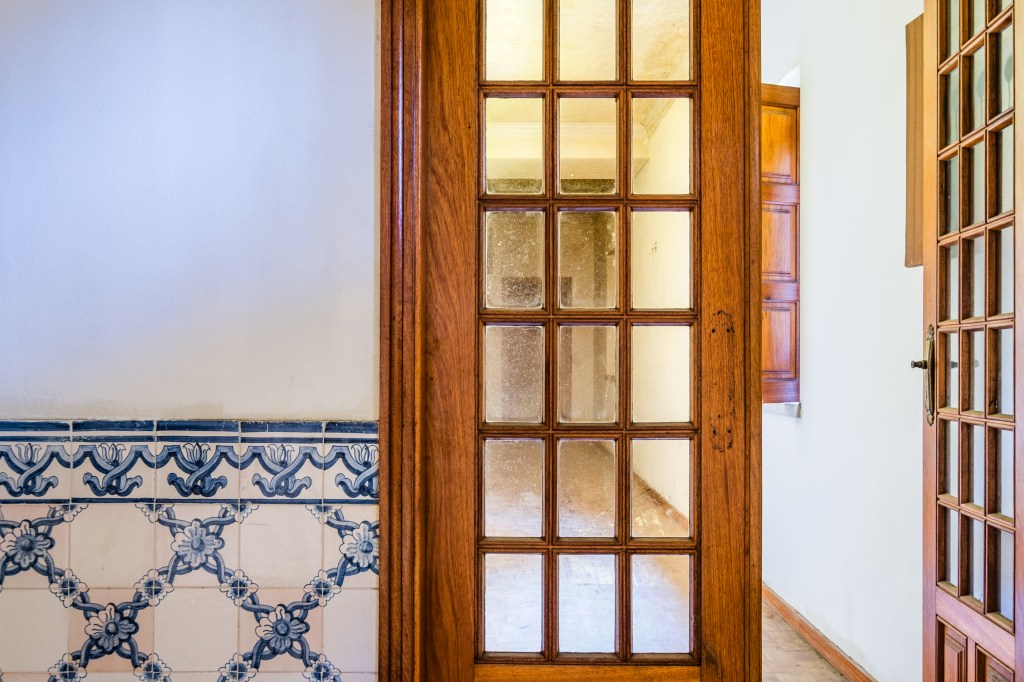
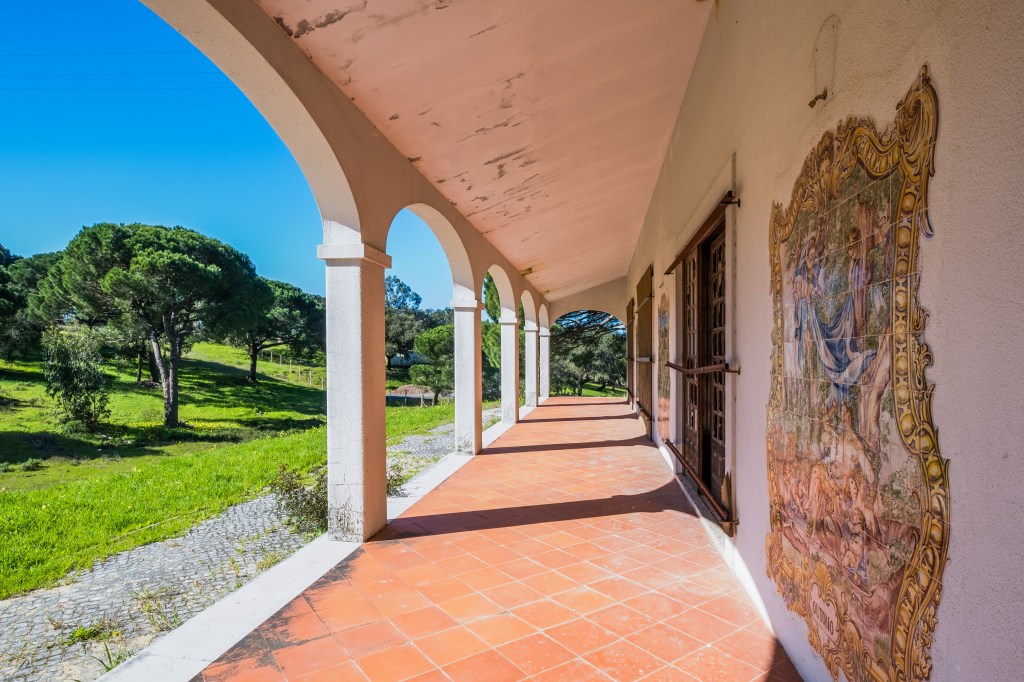
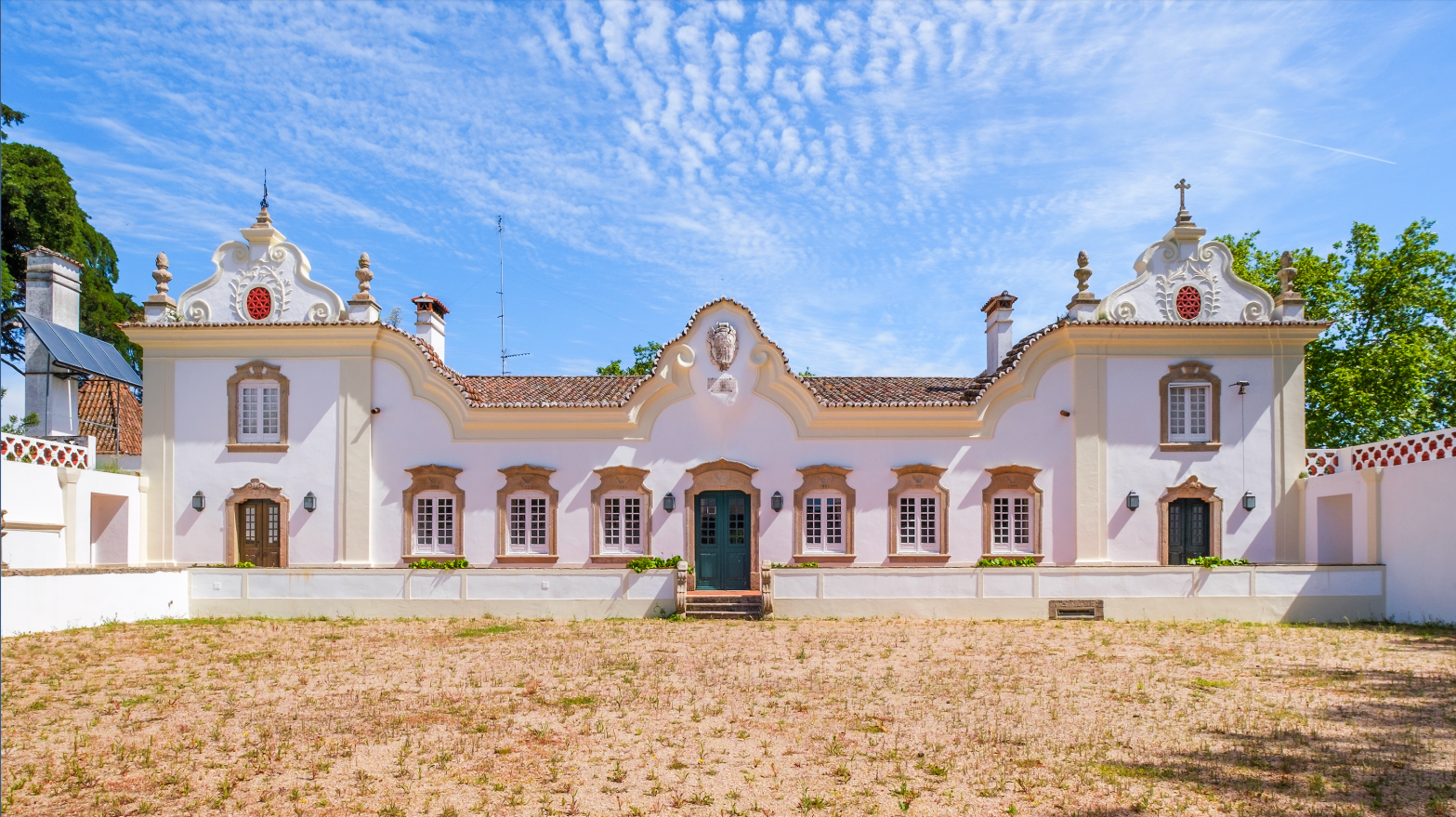
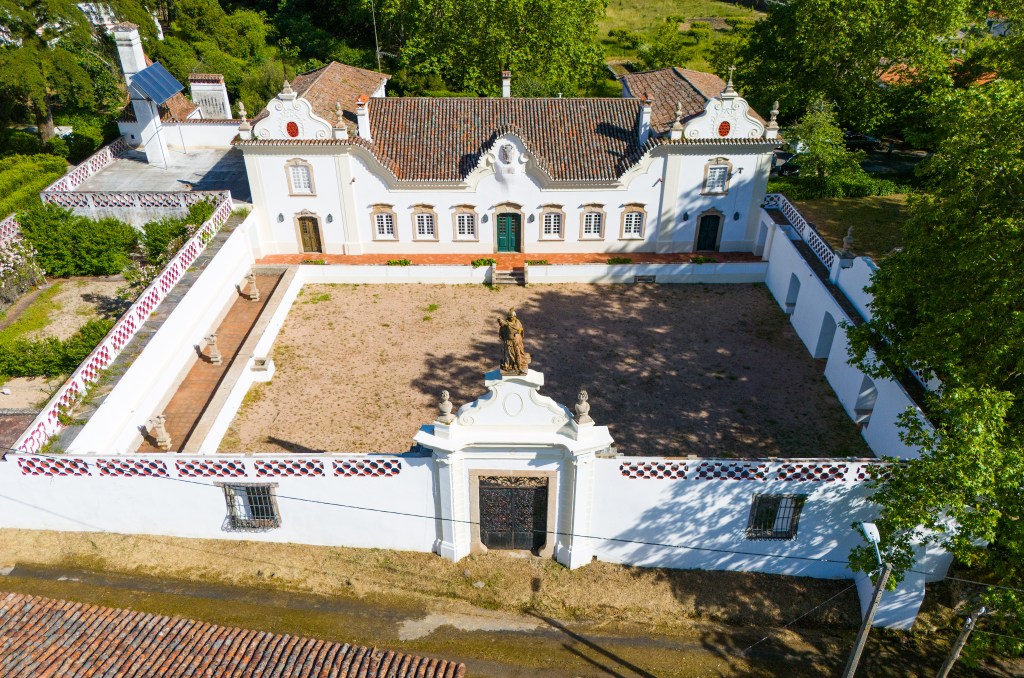
For Sale, Reguengos de Monsaraz, Alentejo: Sleeping Beauty! Very Grand Family Palace in need of TLC.
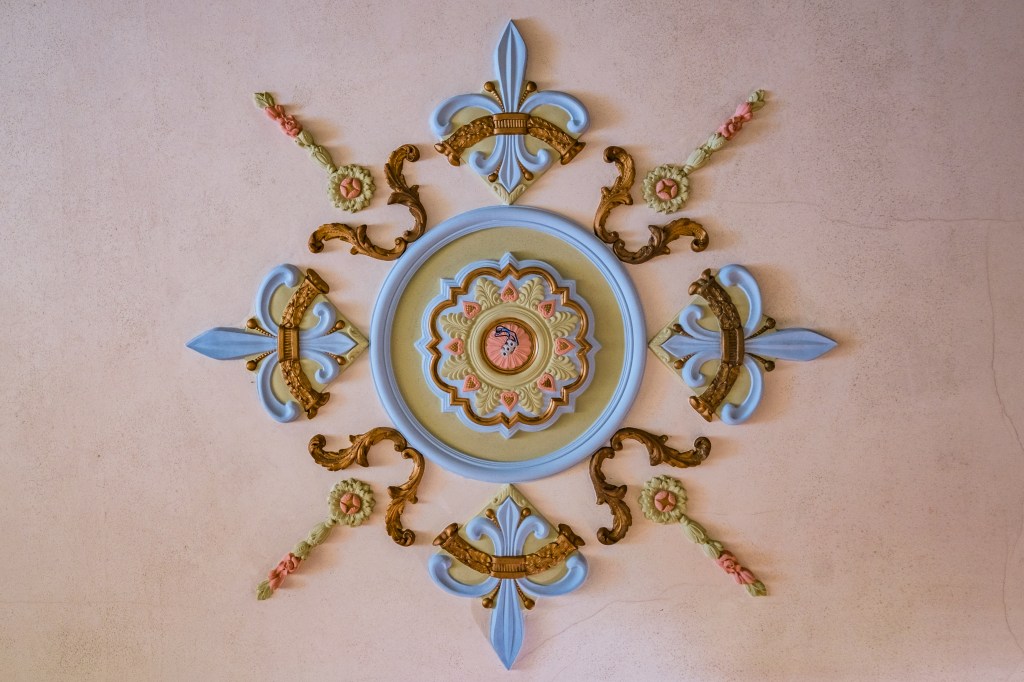
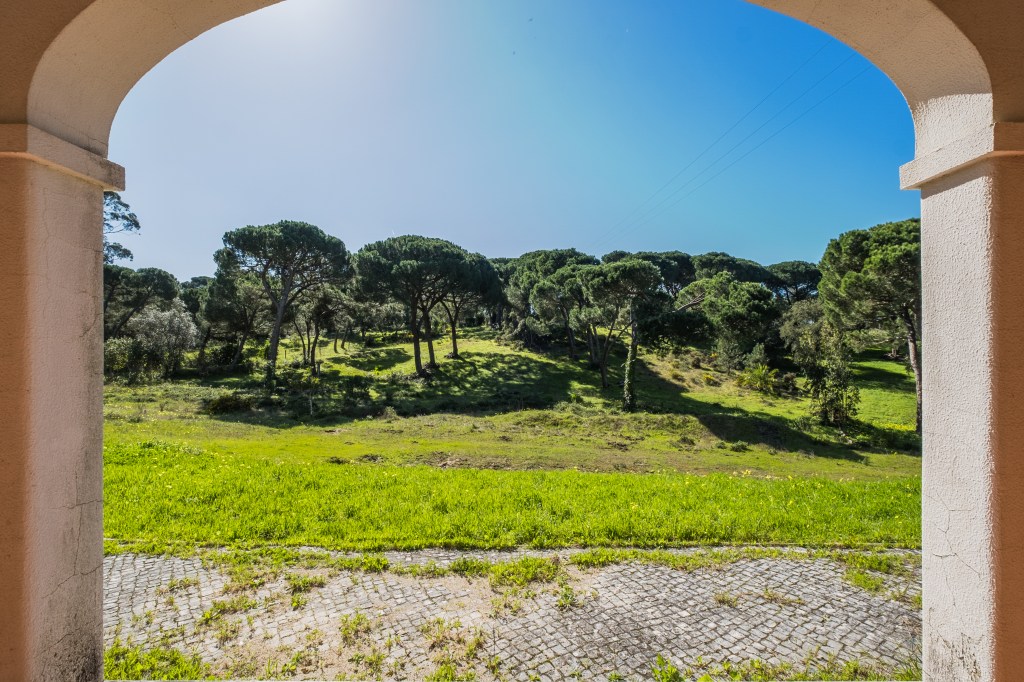
Located in the city of Reguengos de Monsaraz, 2000 m² Exquisite 1857 Victorian Gothic home on 2 floors. Superb Piano Nobile with 6m. high ceilings with stucco and frescoes, 8 bedrooms, 4 bathrooms, a Loggia, a large terrace and patio. Ensconced by a lush 4000 m² enclosed garden, all in need of important Tender Loving Care.
€1,350,000
For more info, please email: paxetcopiaservices@gmail.com


For Sale, Anjos, Absolutely Charming Apartment with lovely Garden: 175m2, 4 bedrooms, 2 bathrooms, Comfortable reception rooms, ornamented High ceilings overlooking a private 70m2 luscious garden within an Exquisite late 19th Century Grand Bourgeois building
€ 1.3 M.


For Sale, Sé: Grand Home with Sensational River Views, 870 m2 on 5 floors, 5 bedrooms, 5 bathrooms + guest lavatory, (2 bedrooms with en-suite bathrooms are independent studios), Various Verandas + elevator and 2 car garage
€ 6.6 M.
For more info, please email: paxetcopiaservices@gmail.com


Rented, Gulbenkian, Impeccable pied-à-terre: Luminous 112m2, 2 bedrooms, 2 bathrooms + office. Third Floor, no elevator. Parking rental possible nearby


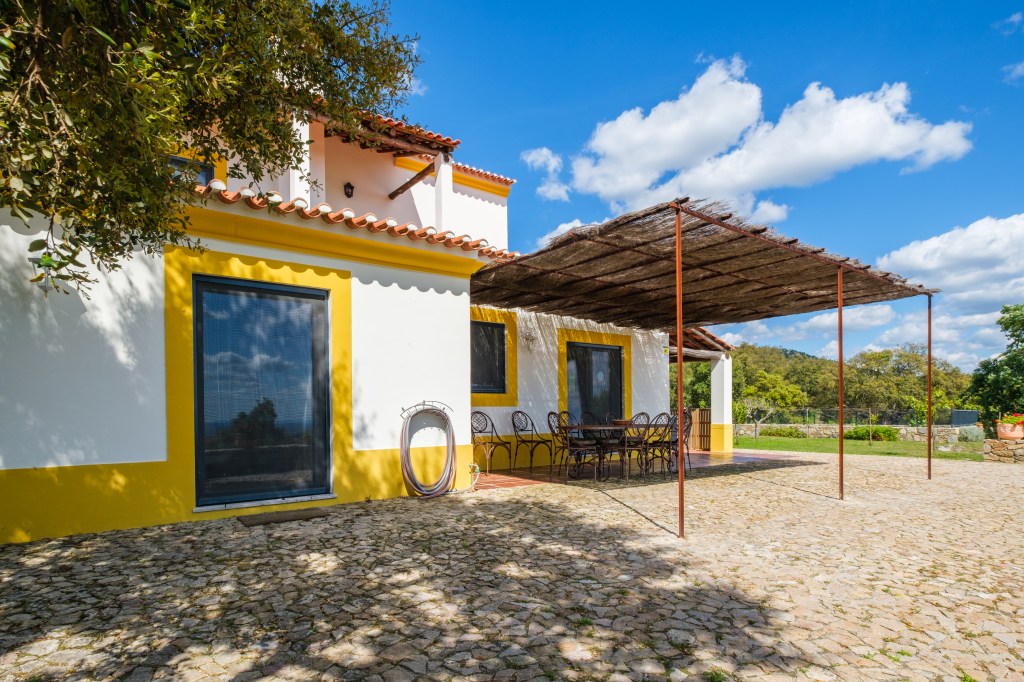
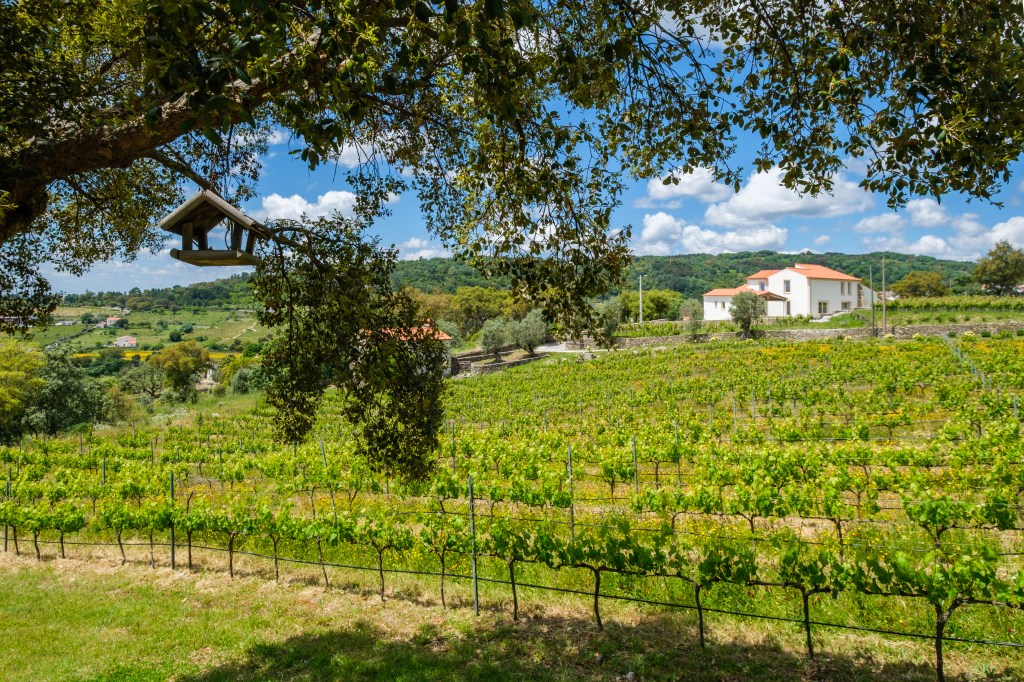
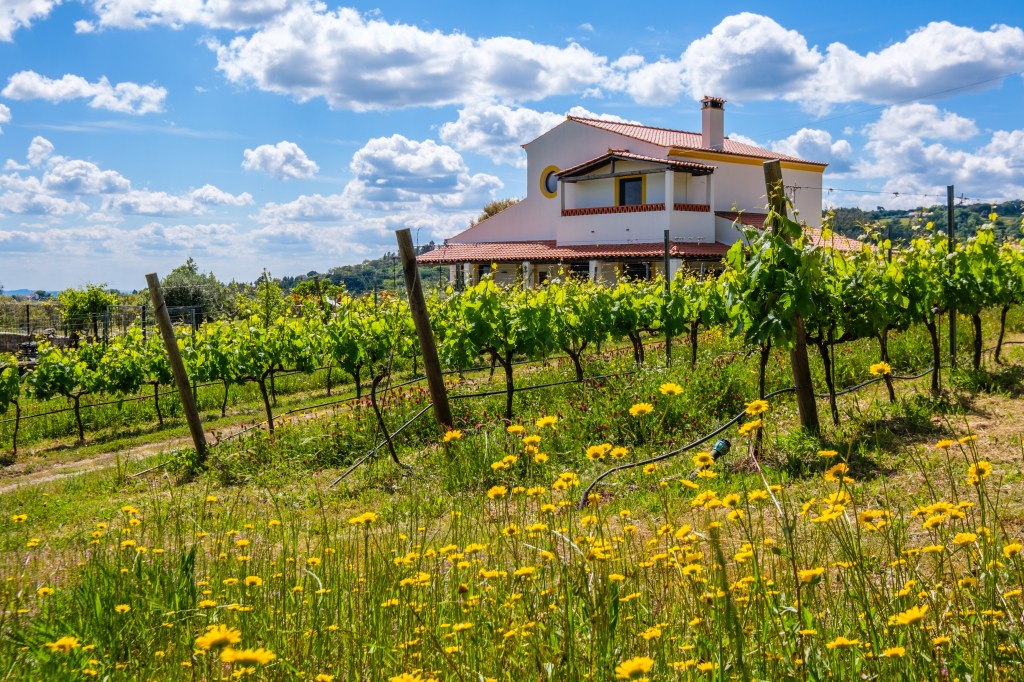
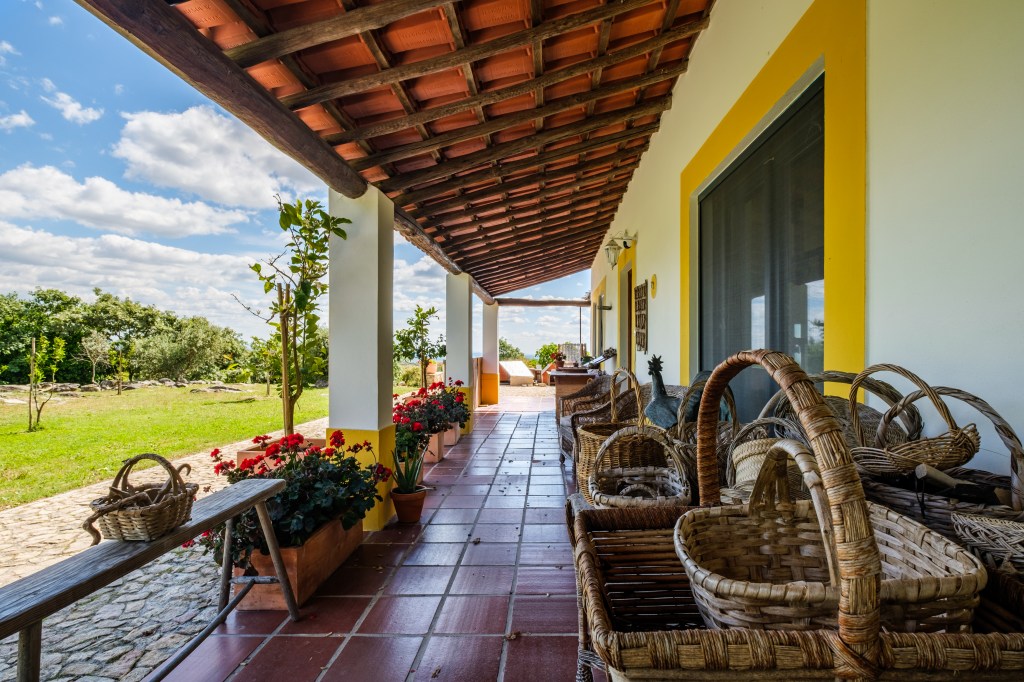
For Sale, São Vicente do Paul, Santarém, Lovely Country House: 200 m2 main house with 4 bedrooms & 2 bathrooms + 30m2 annex with 1 bedroom & 1 bathroom, within a 4000m2 Garden with pool and Orchard
€ 620,000


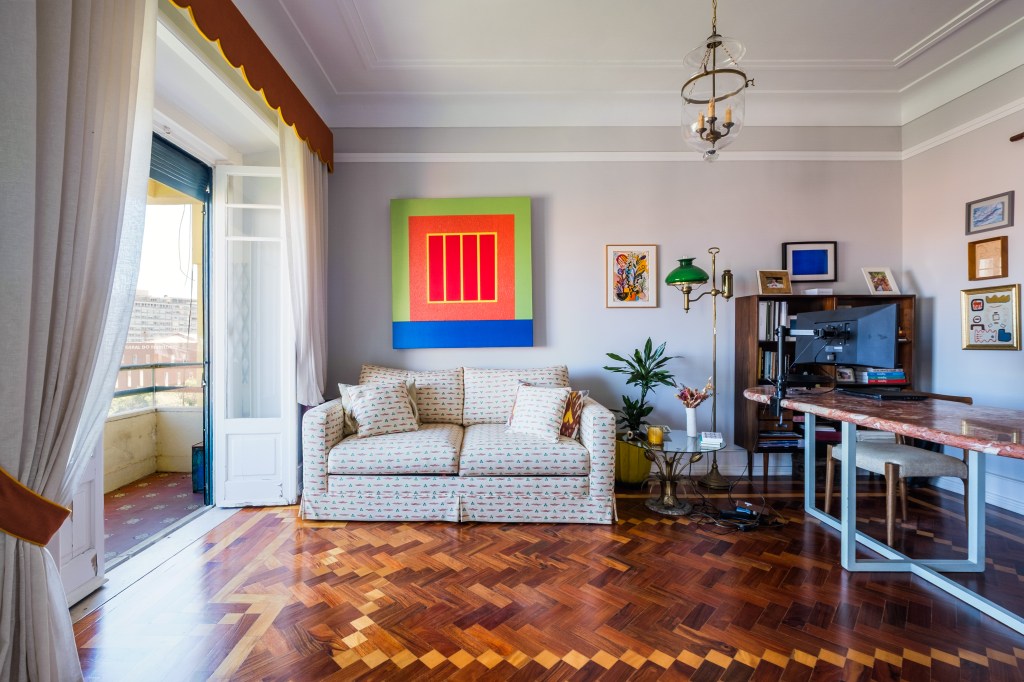
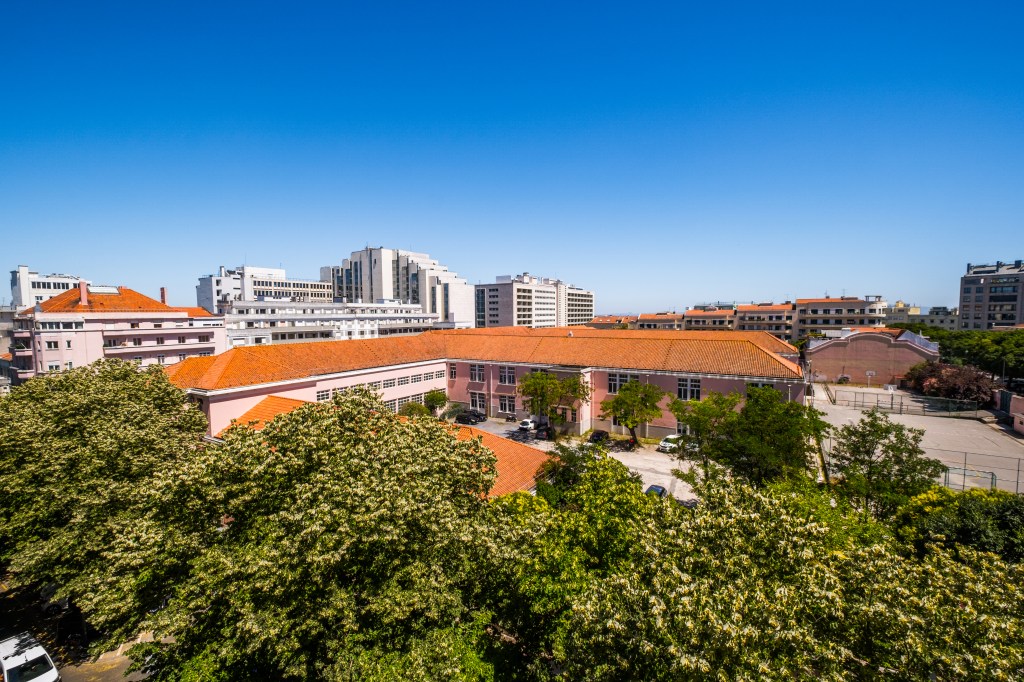
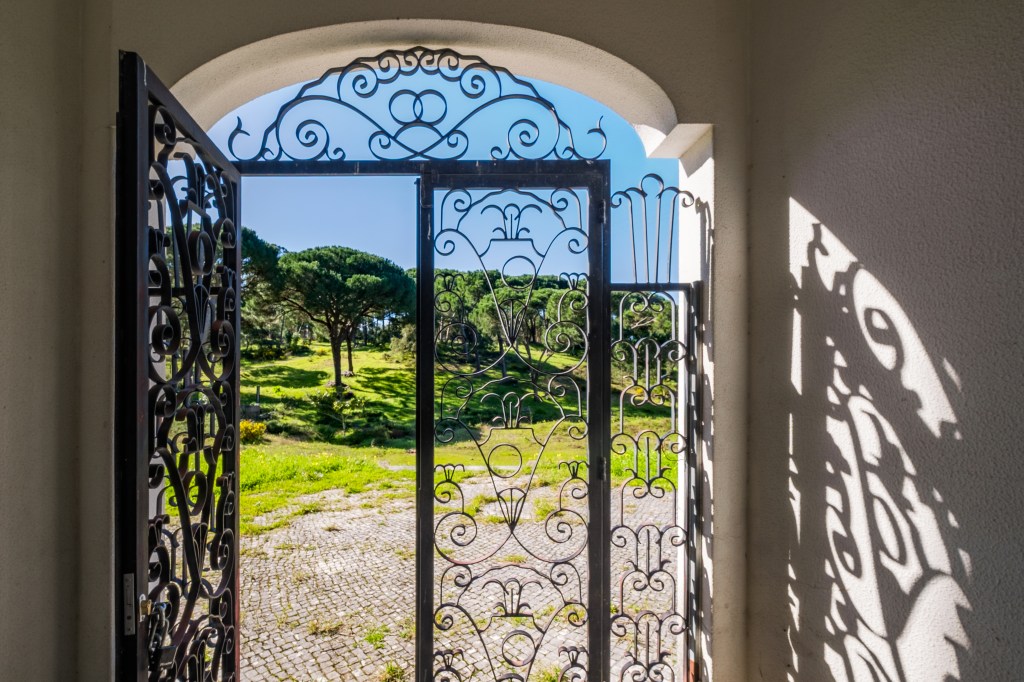
For Sale, Martires da Patria: Bright and Shiny Apartment. Impeccably renovated 300m2, 4 bedrooms each with closet & en-suite bathrooms. Luminous enfilade Reception Areas + state-of-the-art Kitchen. Condo with pool, elevator & 2 car garage. Building designed by Estado Novo Architect, Porfirio Pardal Monteiro.
€ 1,995,000


For Sale, Monte Estoril: Impeccable Contemporary Family House with Lovely Views, 260m2, 4 bedrooms, 4 bathrooms + guest lavatory, 17m2 South facing terrace + 140m2 garden with pool
€ 2.1M.
Currently Rented until November 2026